


Strait of Hormuz Military Strikes Trigger Rising Gas Prices in Queens
NEW YORK — More than forty percent of global energy shipments pass through the Strait of Hormuz, a critical trade corridor that became a combat zone late Wednesday, sending international oil prices skyrocketing. The sudden geopolitical escalation has immediately impacted the local economy along major Queens transit routes.
The U.S. military launched a second round of strikes against Iran late Wednesday night, targeting sites near the Strait of Hormuz to degrade Iran's ability to threaten navigation, according to CBS News. The collapse of the ceasefire has triggered an immediate spike in crude oil futures.
Local Impact Felt Quickly at Queens Fuel Stations
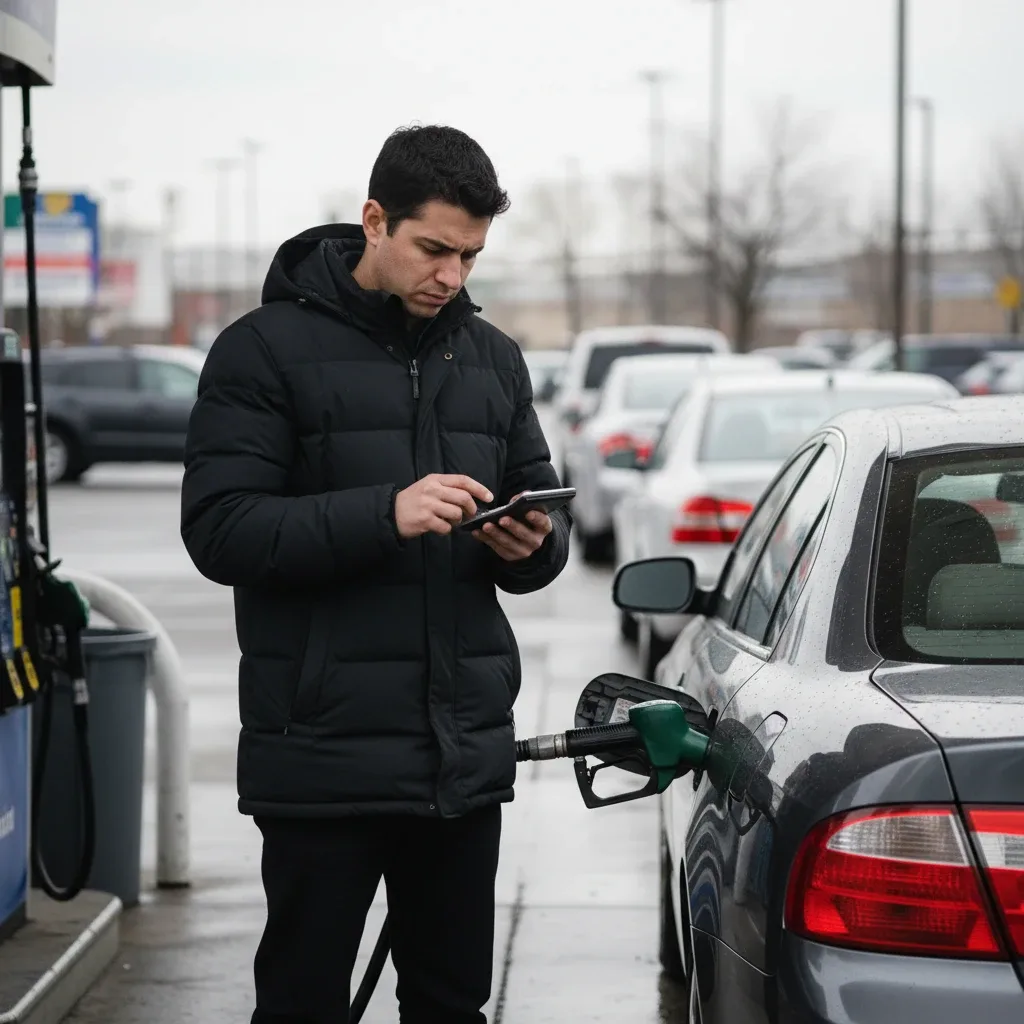
By Thursday morning, gas stations along Cross Bay Boulevard had adjusted their digital displays to reflect a major price hike. Unleaded fuel rose by an average of twenty-eight cents per gallon overnight, with some stations exceeding four dollars. Commuters heading toward the Rockaways were met with long lines and frustrated drivers.
According to global market reporting by CBS News world coverage, President Trump confirmed the ceasefire is over, leading to retaliatory strikes against U.S. assets. This sudden shift has raised concerns about a prolonged oil shock that could affect consumer spending throughout the spring.
Queens Civic Leaders Discuss Neighborhood Economic Security
"We are watching our margins evaporate in real-time as delivery costs spike," Arthur Kaplan, president of the Howard Beach Merchants Association, said Thursday afternoon. "Our local businesses rely on steady transit routes, and this sudden fuel increase will force us to adjust our prices."
Kaplan added that smaller operations, particularly local seafood restaurants and distributors, are especially vulnerable to transportation shocks. Community board meetings scheduled for next week are expected to focus heavily on local economic relief measures. Many residents are calling on state officials to temporarily suspend the gas tax.
Regional Transit Challenges Grow as Fuel Surcharges Loom
Commuters are already evaluating alternative transportation options as the cost of driving rises. The Metropolitan Transportation Authority has reported a slight bump in bus ridership along the coastal routes. However, transit deserts in South Queens limit options for many daily workers.
This economic pressure is directly affecting local operations. For additional context on how fuel prices impact local businesses, readers can explore how Queens commuters face rising gas prices while adjusting their daily household budgets to accommodate rising costs.
Historical Precedents of Geopolitical Oil Shocks in New York
New York City has historically been sensitive to energy market disruptions due to its complex distribution networks. Previous conflicts in the Middle East have repeatedly led to long-term price increases that took months to stabilize. Transportation-dependent sectors, including ride-share drivers and delivery services, feel the impact first.
State regulators are warning stations against price gouging during the international crisis. Inspectors from the Department of Consumer and Worker Protection are scheduled to conduct spot checks along major commercial avenues. Stations found to be artificially inflating prices face severe penalties.
Neighborhood Support Networks Address Rising Household Expenses
Local non-profit groups are preparing for an increase in requests for heating assistance as energy costs rise. Families with fixed incomes are particularly vulnerable to sudden utility bill spikes. Civic groups are distributing information on state-funded emergency HEAP grants.
In the meantime, motorists are sharing fuel-saving tips and carpooling strategies online. Community leaders hope that diplomatic efforts will eventually stabilize the energy market. For now, Queens residents are braced for a prolonged period of economic uncertainty.
Frequently Asked Questions
Are state inspectors actively monitoring Queens gas stations for price gouging? Yes, the New York City Department of Consumer and Worker Protection is conducting random audits of fuel stations along major corridors to ensure price changes match wholesale market shifts.
How can residents apply for emergency heating and utility assistance in Queens? Eligible low-income families can apply for the Home Energy Assistance Program (HEAP) online through the NYS MyBenefits portal or by visiting a local human resources administration office, according to state social service guidelines.
Written by
Newstrix
Cross Bay Current
Related Articles
More in Local Economy & Business →
Cross Bay Boulevard Residents Express Rent Hike Concerns 2026
Queens residents are experiencing significant rent hikes and housing scarcity along Cross Bay Boulevard, mirroring Spanish housing protests.
G7 Agrees to Release Emergency Oil Reserves Amid Surging Markets
The G7 agreed to release emergency oil reserves on October 3, 2026, to stabilize surging energy markets. This move signals concern over price volatility and international instability.
European Diesel Reserves Release Lowers Oil Prices 2026
European nations agreed to release diesel reserves in 2026, causing oil prices to fall; Cross Bay Boulevard residents anticipate relief on gas and heating costs.
Cross Bay Boulevard Shops Eye Brazil, US Tariff Talks 2026
Cross Bay Boulevard residents worry about rising prices as Brazil and the U.S. agree to discuss tariffs. Shop owners monitor potential impacts on food and household goods.
Queens Residents Express Skepticism on White House AI Meeting Outcomes
Queens residents on Cross Bay Boulevard express skepticism about the White House AI meeting, questioning its impact on local jobs and small businesses.

Cross Bay Boulevard Families Face Airfare Hikes Amid Etna Eruption
Mount Etna erupted, disrupting Catania air travel and causing concern among Cross Bay Boulevard families over potential flight delays and higher airfares.