


Bangkok Floodwaters Recede After Affecting 700,000 People, Echoing Queens Concerns

NEW YORK — Floodwaters in Bangkok and surrounding areas have begun to recede this week, after affecting more than 700,000 people, though emergency conditions remain a significant concern. This massive disruption to a major global city is drawing international attention due to the scale of humanitarian strain and the escalating pattern of extreme weather events worldwide.
Bangkok Flood Impact and Recovery Efforts
Torrential rains caused extensive flooding across Bangkok, impacting hundreds of thousands of residents and causing widespread displacement and property damage. While waters are slowly pulling back, the city faces a long road to full recovery, with ongoing efforts to restore essential services and aid affected communities. The sheer number of people impacted underscores the vulnerability of large urban centers to extreme weather.
Emergency crews are working tirelessly to manage the aftermath, including clearing debris, repairing infrastructure, and providing humanitarian assistance. The situation has highlighted the critical need for robust disaster preparedness and response mechanisms in densely populated areas, according to ABC News international reports. The scale of the humanitarian strain is immense, requiring sustained global attention and support.
Cross Bay Boulevard Residents Relate to Flood Worries
People along Cross Bay Boulevard and throughout Queens are closely following the unfolding situation in Bangkok, often viewing it through the lens of their own recurring flooding worries. Many residents, especially those in low-lying parts of Queens near Jamaica Bay and the marshes, are acutely aware of the potential for severe coastal weather to hit their neighborhoods hard. These discussions often focus on local drainage systems, the common problem of basement flooding, and the damage to vehicles.
There is a palpable concern about whether city agencies are doing enough to protect these vulnerable areas, which frequently experience inundation during significant storms. The global trend of extreme weather events serves as a stark reminder of the local challenges faced by communities.
Global Pattern of Extreme Weather Events
Bangkok's struggle with widespread flooding is not an isolated incident; it aligns with a growing global pattern of extreme weather hitting major cities. This phenomenon is often attributed to climate change, leading to more frequent and intense rainfall, as well as rising sea levels. Cities worldwide are grappling with the need to adapt their infrastructure and urban planning to these new environmental realities.
Experts emphasize that urban centers, with their dense populations and complex infrastructure, are particularly susceptible to severe weather impacts. The lessons learned from Bangkok's experience could inform preparedness strategies in other vulnerable coastal cities, including New York.
Local Infrastructure and Preparedness Debates
The Bangkok floods have intensified local debates about infrastructure readiness and urban resilience in Queens. Residents on Cross Bay Boulevard are pushing for more proactive measures to prevent future flood damage, advocating for improvements in stormwater management and early warning systems. The conversation often includes concerns about the capacity of existing drains and the need for significant investment in protective barriers against coastal surges.
Community forums and local government meetings are becoming platforms for discussing how to secure funding and implement projects that can better shield homes and businesses from the increasing threat of water. The collective experience of enduring localized flooding fuels a strong desire for preventative action and long-term solutions, much like the community responses to events such as Rockaway Residents Wade Through Flooded Streets After Nor'easter.
Looking Ahead: Building Resilience in Coastal Communities
As Bangkok begins its recovery, the focus for coastal communities globally, including those along Cross Bay Boulevard, shifts towards building long-term resilience. This involves not only technological solutions and engineering projects but also community education and preparedness. Understanding evacuation routes, having emergency kits, and being aware of local flood zones are becoming increasingly vital components of urban living.
Local authorities in Queens are tasked with developing and implementing comprehensive strategies that can protect residents and infrastructure from the escalating impacts of climate change. The global example of Bangkok serves as a powerful cautionary tale and a call to action for urban areas everywhere to prioritize climate adaptation.
Frequently Asked Questions
How does Bangkok's flooding relate to Queens' local concerns?
Bangkok's extensive flooding resonates with Queens residents, particularly those in low-lying areas like Broad Channel and Rockaway, who regularly face their own challenges with coastal weather and overwhelmed drainage systems. The global event highlights the increasing frequency of extreme weather and prompts local discussions about urban resilience, basement flooding, car damage, and the adequacy of city agencies' protective measures for neighborhoods near Jamaica Bay.
What measures can Queens residents take to prepare for severe rainfall and potential flooding?
Queens residents can prepare for severe rainfall by clearing storm drains near their homes, ensuring their basements are waterproofed, and securing important documents and valuables in elevated locations. Creating a family emergency plan, including an evacuation route, and signing up for local weather alerts are also crucial steps to enhance preparedness.
What are city agencies doing to prevent severe flooding in areas like Cross Bay Boulevard?
City agencies are working on various initiatives to prevent severe flooding along Cross Bay Boulevard and other vulnerable Queens neighborhoods, including evaluating and upgrading stormwater infrastructure, implementing green infrastructure projects to absorb excess water, and maintaining pumping stations. They also conduct public awareness campaigns and develop comprehensive flood management plans to enhance community safety and resilience.
Written by
Newstrix
Cross Bay Current
Related Articles
More in Health & Weather →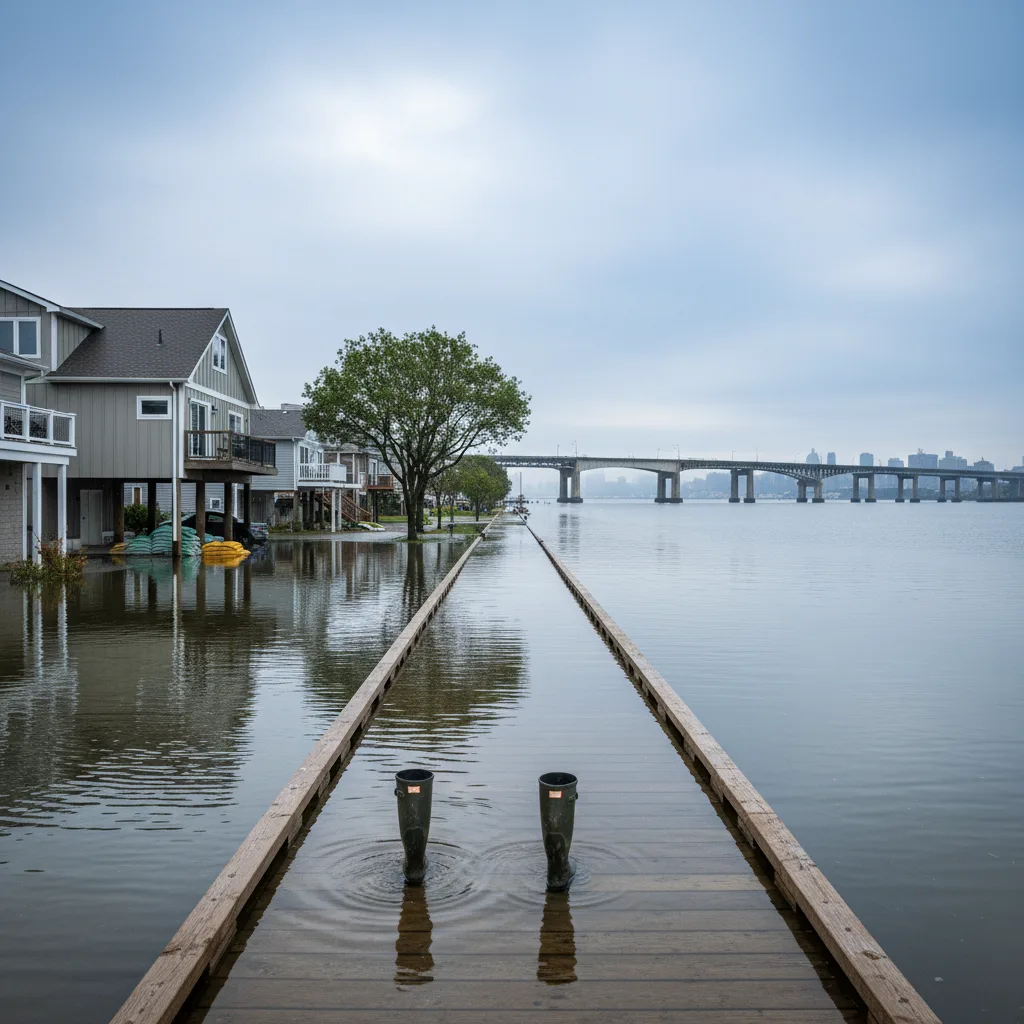
A Guide to Understanding Flooding in Howard Beach, Queens 2026
Understand flooding in Howard Beach, Queens, with this essential guide. Learn about flood causes, insurance, home preparation, and community resources.

Misinformation Wave Hits Queens Over Vaccine Fears 2026
Queens residents faced heated debates in 2026 over viral anti-vaccine posts from the Philippines, stirring fears and questions about health guidance along Cross Bay Boulevard.
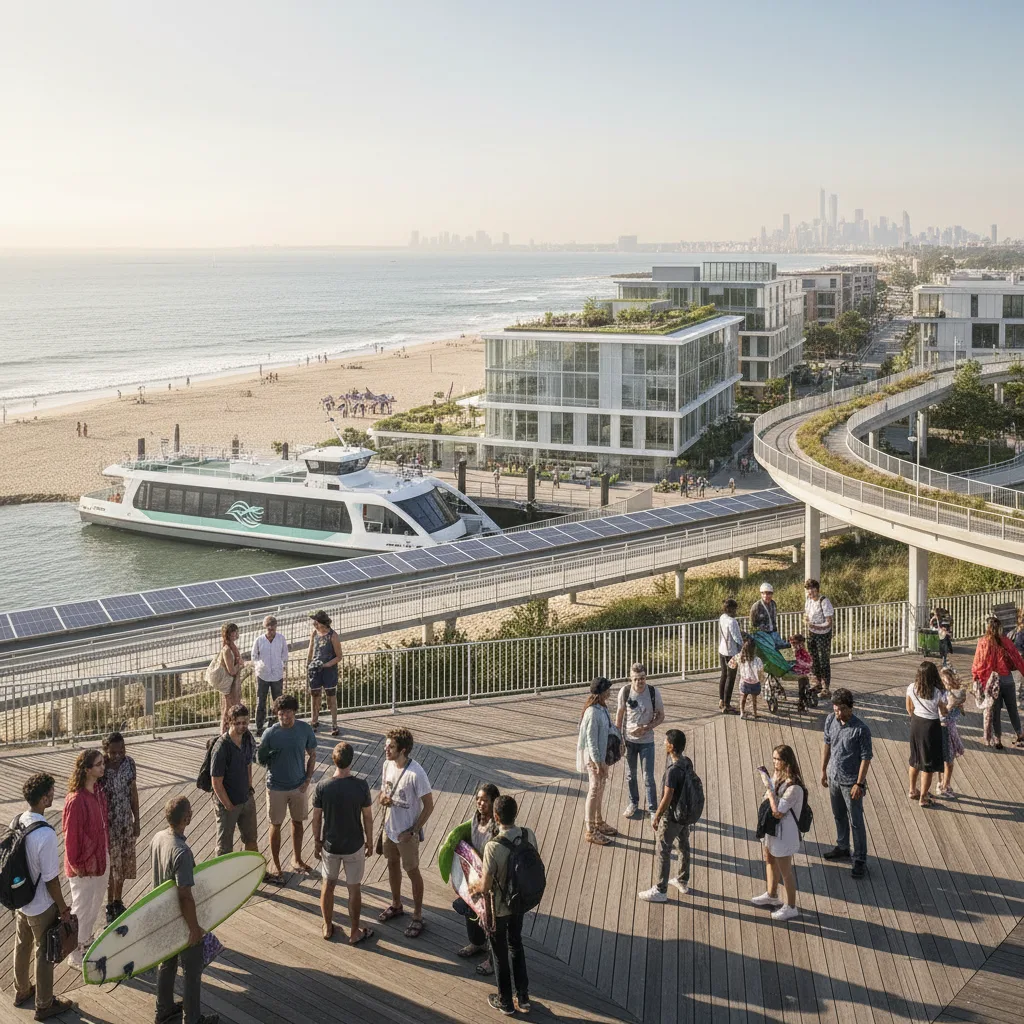
Your Essential Guide to the Rockaway Ocean Club in 2026
Discover what to expect at the Rockaway Ocean Club in 2026, a vibrant beachfront hub in Queens with dining, events, and community activities.
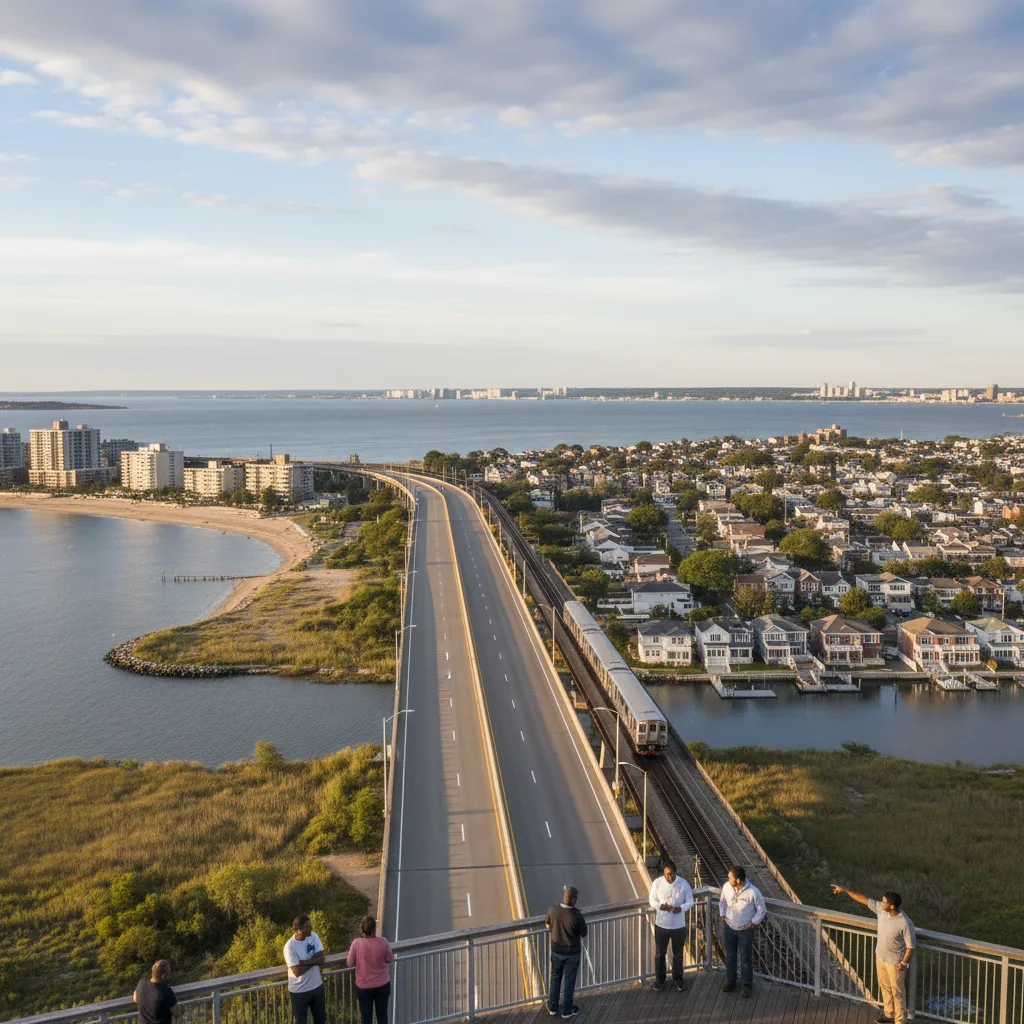
Is Howard Beach in Queens or Brooklyn? A Comprehensive Guide to This Unique NYC Neighborhood
Is Howard Beach in Queens or Brooklyn? Discover the definitive answer: Howard Beach is a vibrant Queens neighborhood with unique coastal charm.
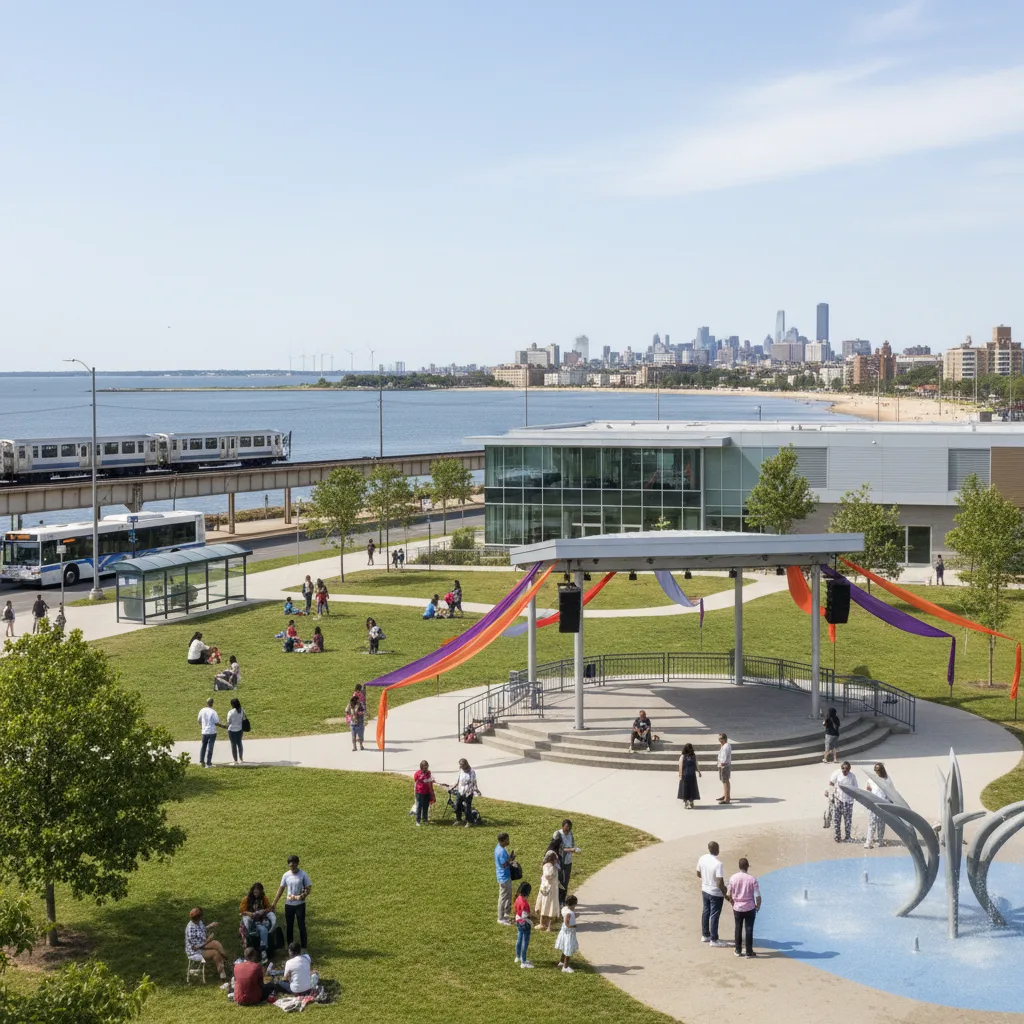
Your Essential Guide to Roy Wilkins Park Events in 2026
Discover the essential guide to Roy Wilkins Park events in 2026, featuring concerts, festivals, sports, and nature programs for South Queens residents.
Is Howard Beach in Queens? An Essential Guide to This Vibrant NYC Neighborhood
Discover if Howard Beach is in Queens, NYC, and explore this vibrant neighborhood's unique geography, community, lifestyle, and local attractions.