


Britain's Oil Sanction Easing Raises Queens Fuel Price Concerns

NEW YORK — Drivers and small business owners along Cross Bay Boulevard in Queens are closely monitoring recent international developments, after Britain announced a relaxation of some sanctions on Russian oil. This move, made in response to surging fuel prices, has ignited debate locally regarding its potential impact on gasoline costs and the broader economy in Southeast Queens.
The decision by the United Kingdom aims to alleviate pressure on consumers experiencing significant hikes at the pump, a trend mirrored acutely in New York City. For many residents of Howard Beach and Ozone Park, who rely on personal vehicles and delivery services, any shift in global oil markets translates directly to their daily expenses and operational costs.
Local Businesses Brace for Price Fluctuations
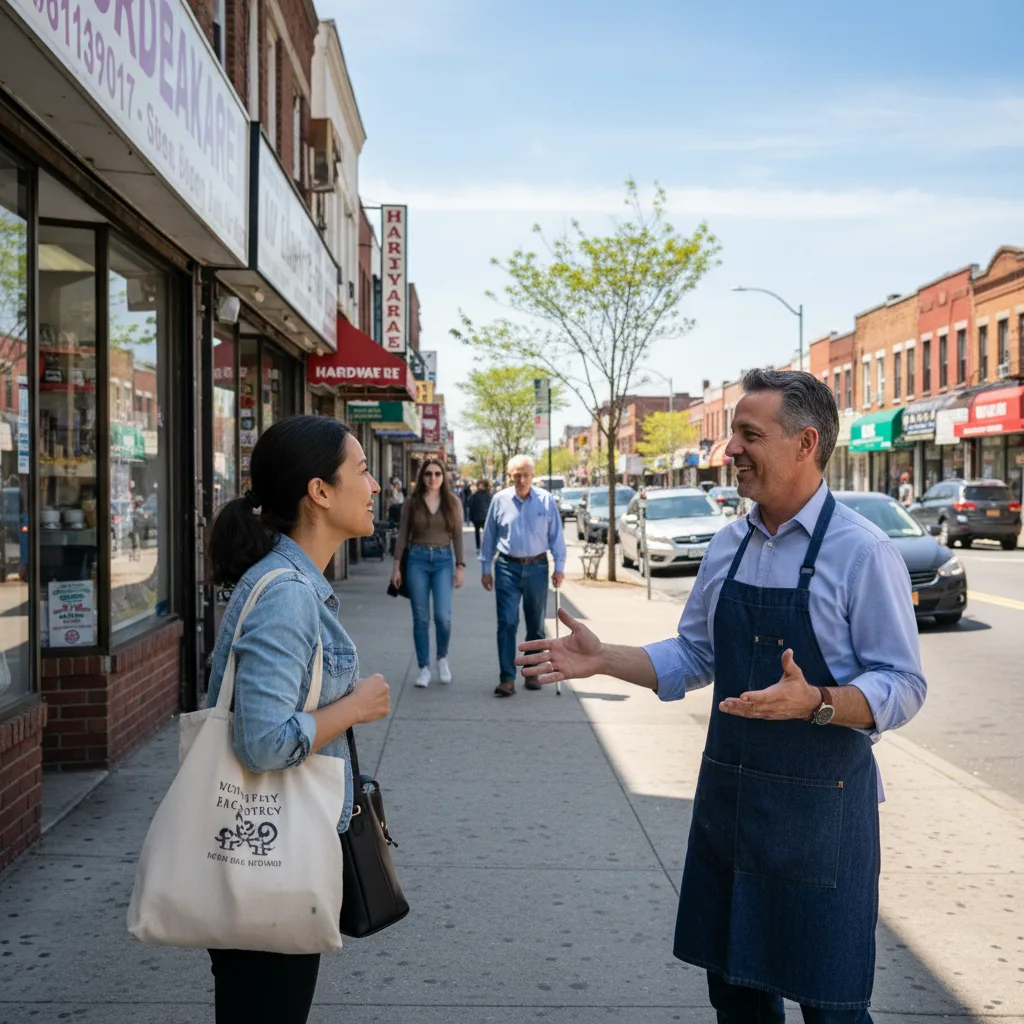
Small businesses operating along the bustling commercial corridor of Cross Bay Boulevard are particularly vulnerable to these market forces. From independent eateries offering takeout to local contractors ferrying equipment, transportation expenses form a substantial part of their overhead. "Every penny increase in gas hits our bottom line immediately," stated Maria Rodriguez, owner of Maria's Deli on Cross Bay Boulevard near 157th Avenue, speaking to local reporters on Tuesday afternoon. "We already operate on tight margins, and higher fuel costs mean we have to consider raising delivery fees or absorbing the loss, which isn't sustainable for long."
Delivery drivers, a critical component of the local economy in Queens, also face significant challenges. John Chen, a delivery worker who covers the Rockaway Peninsula and surrounding neighborhoods, noted that his weekly fuel expenditure has climbed by nearly 15% since early 2026. "When gas was $3.50 a gallon last year, it was manageable," Chen told Crossbay Current. "Now, with prices flirting with $4.20, it eats into our earnings substantially, especially with tolls." According to data released by the American Automobile Association (AAA) in May 2026, national average gasoline prices have risen by approximately 18% over the past six months.
Geopolitical Shifts and Local Ripples
The British government's decision to ease sanctions was a calculated response to a global energy crisis, as reported by ABC News on May 21, 2026. While intended to stabilize energy markets, the effectiveness of such measures in reducing prices for average consumers remains a point of contention. Critics suggest that geopolitical maneuvering often yields delayed or minimal benefits at the pump for communities like Queens, where local taxes and distribution costs also play a significant role.
Residents discussing the issue at Lindenwood Shopping Center expressed a mix of hope and skepticism. "You hear about these big decisions overseas, and you wonder if they'll ever really make gas cheaper here," commented Michael DeSantis, a resident of Old Howard Beach. "It feels like we're always paying more, no matter what happens." This sentiment underscores a common frustration among New Yorkers regarding the seemingly intractable problem of high fuel costs.
Queens Community Response and Economic Outlook
The community along Cross Bay Boulevard views fuel prices as a primary concern, often outweighing the complex geopolitical considerations. Higher transportation costs ripple directly into the prices of groceries, takeout orders, and even the cost of commuting for essential workers. Local officials are also monitoring the situation, acknowledging the potential for broader economic strain.
City Council Member Joann Ariola, whose district includes parts of Cross Bay Boulevard, confirmed that her office has received numerous calls regarding the rising cost of living. "Our constituents are feeling the pinch from every direction, and fuel costs are a major contributor," Ariola stated in a press release issued on May 20, 2026. "We need to ensure that global economic policies consider the everyday impact on working families in Queens, not just abstract market stability." You can find more information about local economic initiatives for businesses in the area by visiting Queens Local Business Support 2026.
Navigating Future Fuel Cost Increases
The long-term implications of these international policy shifts for Queens' local economy are still uncertain. Energy analysts predict continued volatility in global oil markets through late 2026, meaning residents and businesses should prepare for potential ongoing price fluctuations. The New York State Department of Transportation projects a 3% increase in daily vehicle miles traveled across the five boroughs by early 2027, further highlighting the demand pressure on fuel supplies.
For many, adapting to higher costs involves re-evaluating transportation habits, seeking more fuel-efficient vehicles, or increasing reliance on public transit, though options can be limited in certain parts of Southeast Queens. The Q53 and Q21 bus routes, which traverse Cross Bay Boulevard, offer alternatives for some commuters. However, their coverage cannot fully substitute personal vehicles for all residents and business needs. The conversation about these challenges continues to dominate local dialogues, with many hoping for tangible relief from the burden of escalating costs. For further analysis of energy market trends, explore global oil price predictions.
Frequently Asked Questions About Queens Fuel Prices
How does the easing of UK sanctions affect Queens gas prices? The relaxation of sanctions aims to increase global oil supply, which could theoretically lower wholesale crude prices. However, many factors influence local gas prices, including state and federal taxes, refinery capacity, and local demand, meaning direct relief may be limited or delayed for Queens drivers.
What are local businesses along Cross Bay Boulevard doing to cope with higher fuel costs? Many businesses are exploring options like optimizing delivery routes, consolidating orders, and adjusting pricing where feasible to absorb or pass on increased transportation expenses. Some are also investing in more fuel-efficient fleet vehicles.
Are there any government programs to help Queens residents with high fuel costs? Currently, there are no specific direct fuel subsidy programs for New York City residents. However, various state and federal programs offer general assistance for low-income households that may indirectly help offset living costs, including energy expenses. Information on these programs is available through the NYC Human Resources Administration.
What role do global events play in Cross Bay Boulevard's economy? Global events, particularly those affecting commodity markets like oil, have a direct and often immediate impact on local economies. Changes in international trade, energy policy, and geopolitical stability can alter supply chains, transportation costs, and consumer prices, directly affecting daily life and business operations in communities like Queens.
Written by
Newstrix
Cross Bay Current
Related Articles
More in Local Economy & Business →Cross Bay Boulevard Residents Express Rent Hike Concerns 2026
Queens residents are experiencing significant rent hikes and housing scarcity along Cross Bay Boulevard, mirroring Spanish housing protests.
G7 Agrees to Release Emergency Oil Reserves Amid Surging Markets
The G7 agreed to release emergency oil reserves on October 3, 2026, to stabilize surging energy markets. This move signals concern over price volatility and international instability.
European Diesel Reserves Release Lowers Oil Prices 2026
European nations agreed to release diesel reserves in 2026, causing oil prices to fall; Cross Bay Boulevard residents anticipate relief on gas and heating costs.

Cross Bay Boulevard Shops Eye Brazil, US Tariff Talks 2026
Cross Bay Boulevard residents worry about rising prices as Brazil and the U.S. agree to discuss tariffs. Shop owners monitor potential impacts on food and household goods.
Queens Residents Express Skepticism on White House AI Meeting Outcomes
Queens residents on Cross Bay Boulevard express skepticism about the White House AI meeting, questioning its impact on local jobs and small businesses.

Cross Bay Boulevard Families Face Airfare Hikes Amid Etna Eruption
Mount Etna erupted, disrupting Catania air travel and causing concern among Cross Bay Boulevard families over potential flight delays and higher airfares.