


City Council Bans 'Forever Chemicals' in FDNY Equipment in Queens
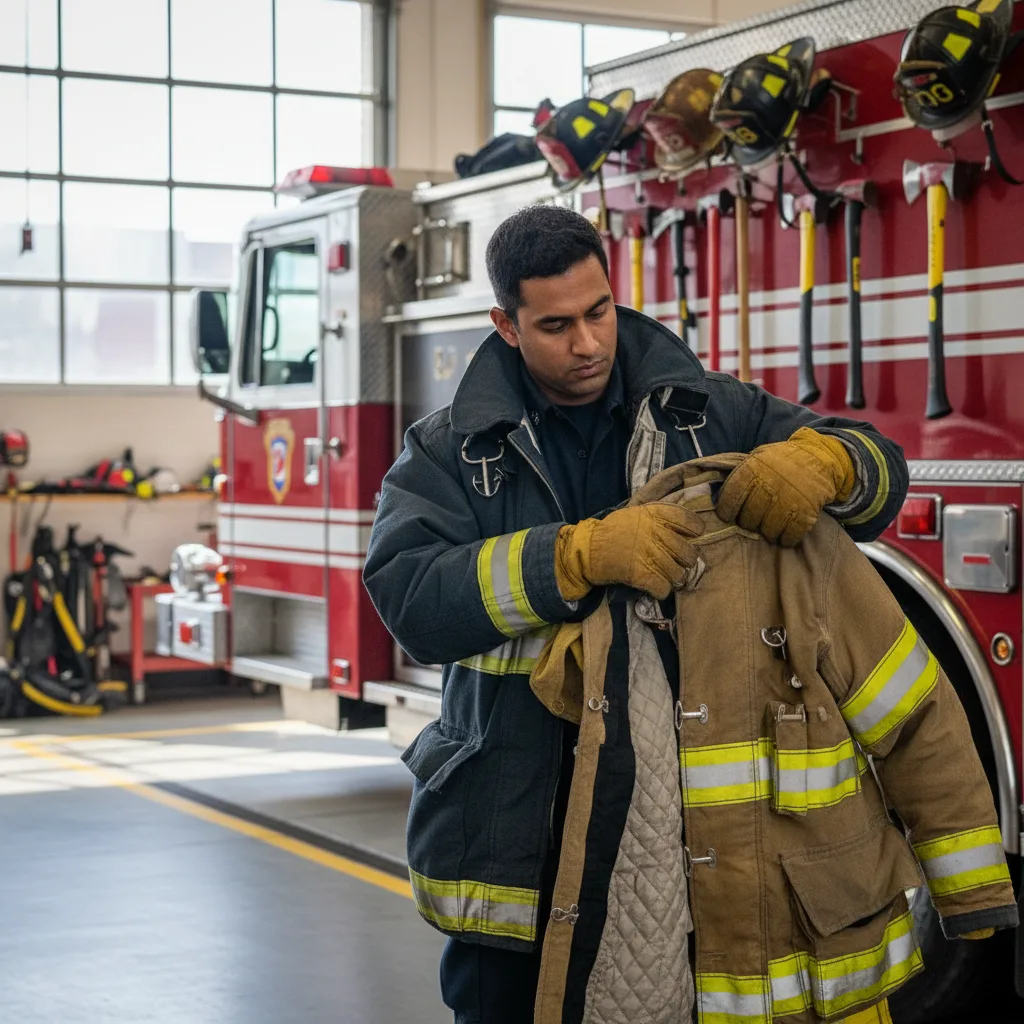
NEW YORK — The City Council moved to ban 'forever chemicals' in FDNY equipment this week with Ariola-backed legislation, according to QNS.com. This decision marks a significant step towards protecting firefighters and reducing environmental contamination, reflecting a growing awareness of public health concerns in Queens.
Ariola-Backed Legislation Targets PFAS in FDNY Gear
Councilwoman Joann Ariola has been a vocal proponent of banning per- and polyfluoroalkyl substances (PFAS), commonly known as 'forever chemicals,' from firefighter equipment. The legislation aims to phase out these hazardous materials, which have been linked to serious health issues, including various cancers.
The chemicals are often used for their heat and water-resistant properties, making them prevalent in turnout gear. However, long-term exposure poses significant risks to firefighters, who frequently come into direct contact with these substances during their demanding work.
Health Risks Associated with 'Forever Chemicals'
PFAS compounds are notorious for their persistence in the environment and the human body, hence the moniker 'forever chemicals.' Research has linked exposure to PFAS with a range of adverse health effects, including kidney and testicular cancer, thyroid disease, and developmental issues.
Firefighters, due to their occupational exposure, face a disproportionately higher risk from these chemicals. The City Council's move is a proactive measure to safeguard the health of New York City's first responders and reduce their long-term exposure.
Environmental Impact in Queens and Beyond
Beyond occupational health, the presence of PFAS in equipment contributes to broader environmental contamination. These chemicals can leach into soil and water, impacting ecosystems and potentially entering the public water supply, creating a widespread public health challenge.
Removing PFAS from FDNY gear is an important step in reducing the overall chemical burden on the environment. This legislative action in Queens aligns with national efforts to regulate and eliminate these pervasive pollutants.
Implementing New Equipment Standards
The legislation will require the FDNY to transition to alternative, PFAS-free equipment over a specified period. This process involves identifying and procuring new gear that meets safety standards without relying on harmful chemicals. It marks a significant logistical undertaking for the department.
Manufacturers of firefighting equipment are increasingly developing safer alternatives, driven by growing demand from municipalities and states. New York City's decision could further accelerate this shift in the industry, benefiting firefighters nationwide.
Community Support and Future Public Health Initiatives
The initiative has garnered strong support from public health advocates and environmental groups in Queens. It signifies a commitment to prioritizing the well-being of essential workers and the wider community against hidden chemical threats. This move is part of broader efforts to improve health outcomes, much like local conversations around public health and emergency response, such as those following FDNY mobilizes 140 personnel for South Ozone Park house blaze.
Future public health initiatives in New York City may build on this precedent, exploring ways to reduce PFAS exposure in other sectors and consumer products. The legislation sets a positive example for other cities looking to protect their first responders from harmful chemicals.
Frequently Asked Questions
What are 'forever chemicals' and why are they being banned?
'Forever chemicals,' or PFAS, are a group of synthetic chemicals known for their resistance to heat, water, and oil. They are being banned because they persist in the environment and human body, linked to severe health issues like cancer, making them a significant public health concern, especially for firefighters.
How will this ban affect FDNY operations and equipment?
The ban will require the FDNY to phase out existing equipment containing PFAS and transition to safer, PFAS-free alternatives. This will involve procuring new gear, which may take time but is crucial for protecting the long-term health of firefighters while maintaining operational effectiveness.
What can Queens residents do to reduce their own PFAS exposure?
Queens residents can reduce PFAS exposure by checking labels on consumer products like non-stick cookware, stain-resistant fabrics, and water-repellent clothing, choosing PFAS-free alternatives. Filtering tap water and being aware of local environmental advisories can also help minimize exposure.
Written by
Newstrix
Cross Bay Current
Related Articles
More in Government & Politics →
Cross Bay Boulevard Debates Trump's F-35 Sales to Saudi Arabia
Cross Bay Boulevard residents debate President Trump's F-35 jet sales to Saudi Arabia, weighing war, gas prices, and regional stability.
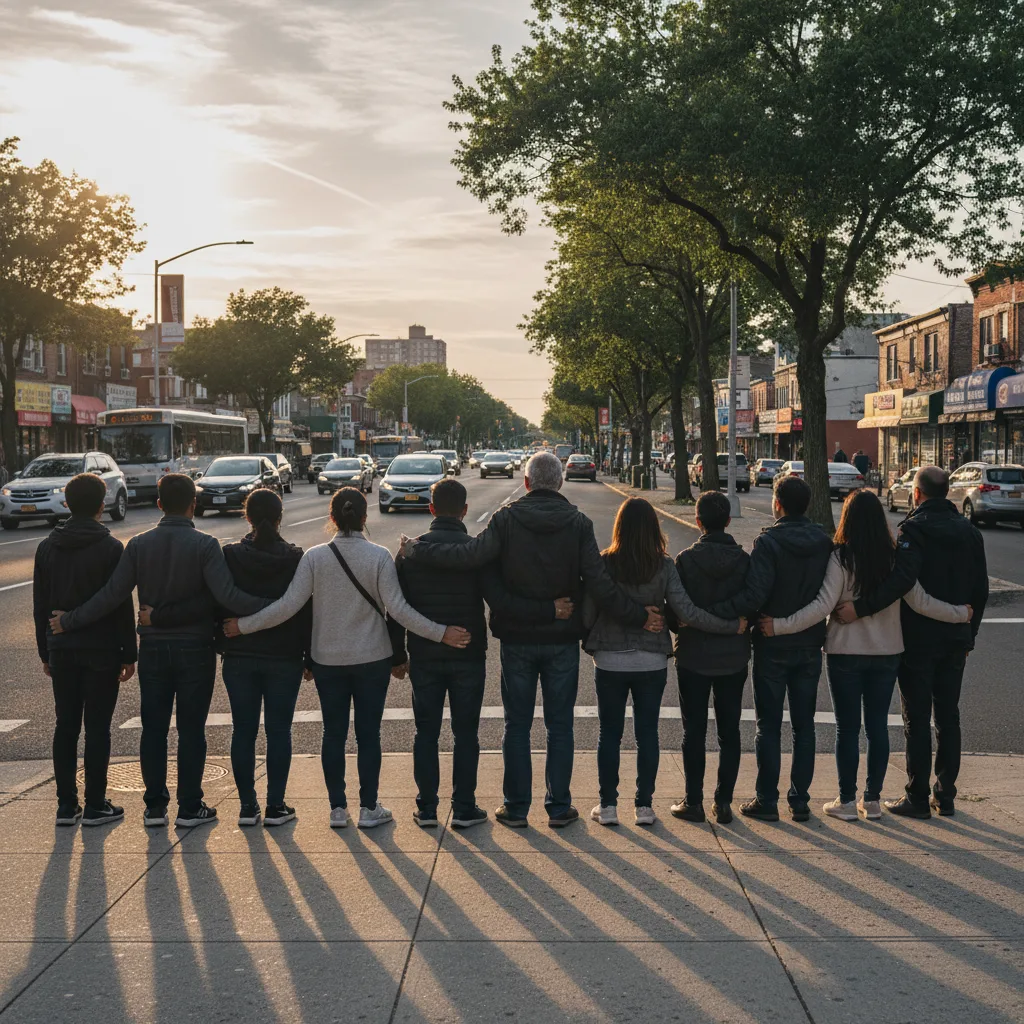
Cross Bay Boulevard Residents Concerned by Iran's Journalist Crackdown
Queens residents on Cross Bay Boulevard express anger and worry over Iran's crackdown on 240 dissidents and journalists, freezing assets and seizing property.

Turkish Police Raids Target LGBTQ+ Groups Ahead of Elections, Sparking Rights Concerns 2026
Turkish police launched raids targeting LGBTQ+ groups ahead of elections, intensifying a crackdown. This raises human rights concerns for Queens residents.
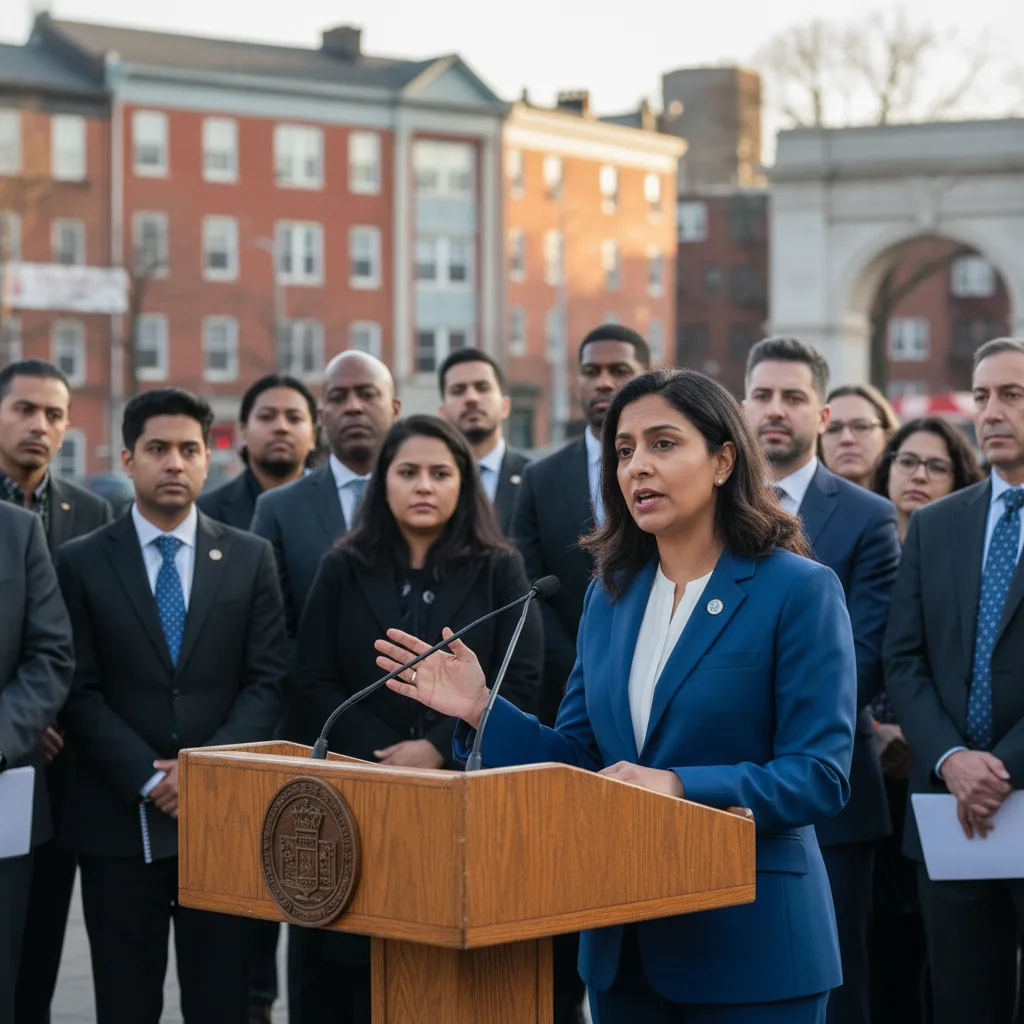
NYC Mayor Mamdani Condemns Houthi Attack on Saudi Base, Cites Global Shipping Risks
NYC Mayor Mamdani condemns Houthi attack on Saudi base, raising concerns about escalating global shipping disruptions and local economic impacts in Queens.

North Korea Fires Ballistic Missiles, Raises Queens Community Concerns
North Korea fired ballistic missiles, raising security concerns. Queens residents, especially along Cross Bay Boulevard, discuss family safety and tensions.
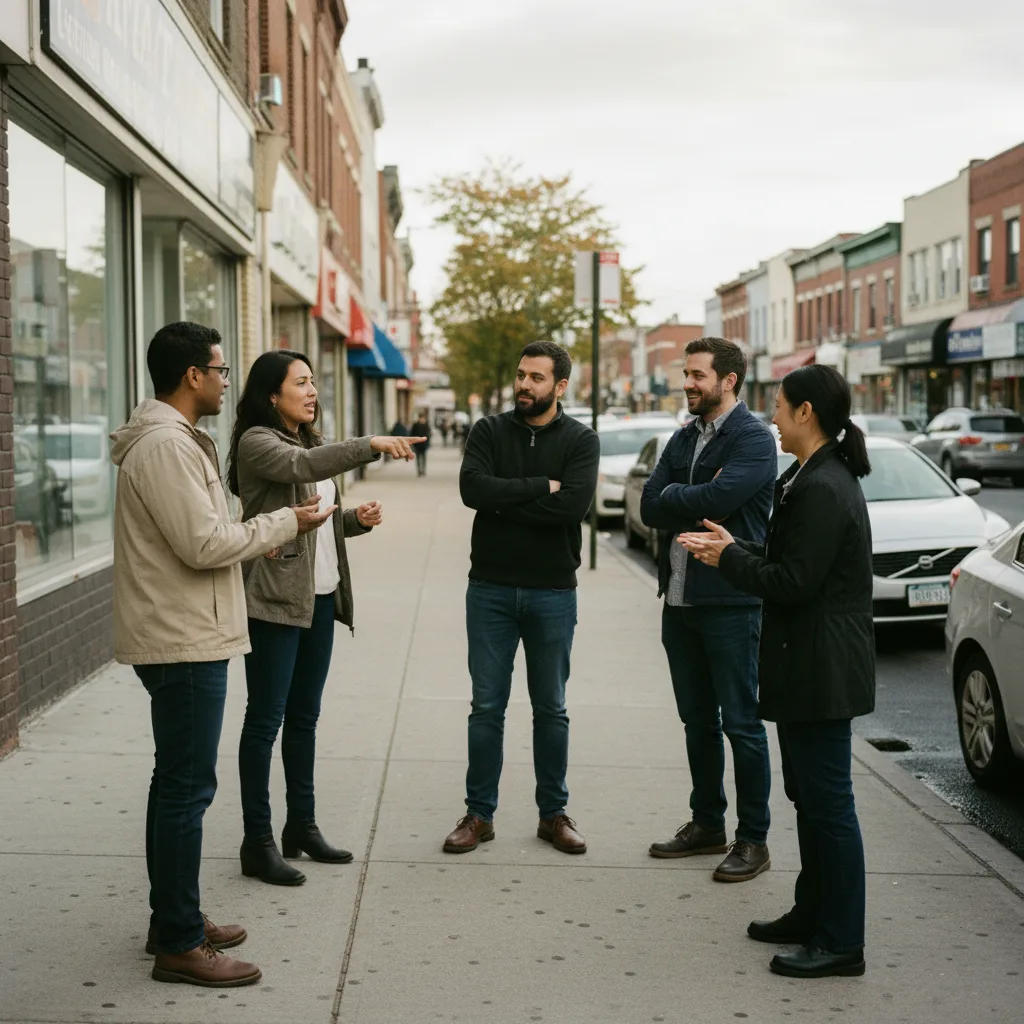
White House Halts Over $1 Billion Ukraine Aid, Sparks Queens Debate
White House halted over $1 billion in Ukraine aid, sparking debate over U.S. policy and war trajectory. Cross Bay Boulevard residents voice concerns about global impact.