


Congo Ebola Outbreak Prompts Queens Public Health Monitoring in 2026

NEW YORK — Health authorities are closely monitoring a new Ebola outbreak in Congo’s eastern Ituri province, where at least 80 deaths have been reported as of March 2026. The rapid escalation of cases has triggered alarms among global public health officials, sparking discussions and measured concern within Queens neighborhoods, particularly along Cross Bay Boulevard.
While the outbreak is geographically distant, the conversation in Queens reflects its deep global ties. Residents, many with close connections to relatives overseas and strong memories of past health crises, are expressing hope that health agencies move quickly. Small businesses and families are quietly tracking the news, considering potential travel precautions, and assessing how the situation might impact local sentiment.
Global Health Alert Issued
The World Health Organization (WHO) and the Centers for Disease Control and Prevention (CDC) have issued advisories regarding the Ituri province outbreak. The Democratic Republic of Congo’s Ministry of Health confirmed the initial cases in early February 2026, and the death toll has steadily climbed since.
Dr. Tedros Adhanom Ghebreyesus, Director-General of the WHO, emphasized the urgency in a press briefing on March 12. “Ebola outbreaks can escalate quickly, and our immediate priority is to contain this spread,” he stated. “International monitoring and aid responses are being mobilized to support local efforts in Congo.”
The current strain of the Ebola virus, identified as Zaire ebolavirus, is highly virulent. Public health experts are working to prevent its spread beyond the affected region through enhanced surveillance, contact tracing, and vaccination campaigns using approved vaccines. These are the same methods that have proven successful in previous outbreaks.
Queens Community Response: Concern, Not Panic
In Queens, home to one of the nation's most diverse populations, the news of the Ebola outbreak is met with a mix of concern and pragmatism. Conversations inside bustling delis and grocery stores along Cross Bay Boulevard occasionally turn to global events, reflecting the deep connections many families have to their countries of origin.
“We always watch these things,” said Margaret O’Malley, owner of the Shamrock Bar on Cross Bay Boulevard, referencing past global health scares. “My customers talk about family abroad, and they want to know what’s being done.” This sentiment is echoed across many businesses in the area, from Rockaway Boulevard Junction to the nearby Ozone Park commercial strips.
Dr. Ashwin Vasan, the New York City Health Commissioner, reassured residents in a public statement on March 15. “While we understand community concerns, there is currently no direct threat to New York City from this outbreak,” Vasan confirmed. “Our public health infrastructure is robust, and we are working closely with federal partners to monitor global health developments.”
Monitoring Travel and Port Health Measures
Federal agencies, including the CDC and Customs and Border Protection (CBP), have enhanced screening protocols at major international airports, including John F. Kennedy International Airport (JFK), which is a significant gateway into New York City. Passengers arriving from affected regions are undergoing additional health checks.
These measures are designed to detect potential cases early and prevent the introduction of the virus into the United States. The incubation period for Ebola can range from 2 to 21 days, making diligent monitoring crucial. Authorities are prepared to isolate and treat any suspected cases promptly, drawing on lessons from past responses.
Travel advisories to the Ituri province have been issued by the U.S. Department of State, recommending against all non-essential travel. For detailed information on international travel guidelines, refer to the CDC travel health notices.
Public Health Preparedness in New York City
New York City's public health system maintains a high level of preparedness for infectious disease outbreaks. Hospitals across the five boroughs, including those serving the Cross Bay Boulevard area, have established isolation units and trained personnel for managing highly contagious pathogens.
Regular drills and simulation exercises ensure that healthcare workers are equipped to handle such scenarios effectively. The city’s Department of Health and Mental Hygiene also conducts ongoing surveillance for unusual disease patterns, working with local clinics and community health centers to identify and respond to potential threats.
“Our commitment to public health is unwavering,” stated Dr. Sarah Michaels, Director of Infectious Disease Preparedness at NYC Health + Hospitals, during a March 18 briefing. “We have clear protocols in place and a highly skilled workforce ready to protect our communities.” Learn more about Queens public health initiatives and emergency preparedness.
Frequently Asked Questions About Ebola and NYC Preparedness
Q: What are the symptoms of Ebola? Ebola symptoms typically include fever, severe headache, muscle pain, weakness, fatigue, diarrhea, vomiting, abdominal pain, and unexplained hemorrhage (bleeding or bruising). Symptoms usually appear between 2 and 21 days after exposure, making rapid detection crucial for public safety.
Q: Is there a vaccine or treatment for Ebola? Yes, several effective vaccines are available and being deployed in outbreak zones, significantly improving survival rates. Specific antiviral treatments have also been developed and are used to treat infected individuals, showcasing advances in medical science since earlier outbreaks.
Q: How is New York City preparing for potential global health threats? New York City maintains a comprehensive public health emergency plan, including robust disease surveillance, isolation facilities in hospitals, trained rapid-response teams, and public awareness campaigns. Regular coordination with federal and international health agencies is a cornerstone of this preparedness.
Q: What should residents do if they have traveled from an affected region and feel unwell? Individuals who have recently traveled from an Ebola-affected region and develop symptoms should immediately seek medical attention. It is crucial to inform healthcare providers about travel history to ensure appropriate evaluation and care, safeguarding both the individual and the wider community.
Written by
Newstrix
Cross Bay Current
Related Articles
More in Health & Weather →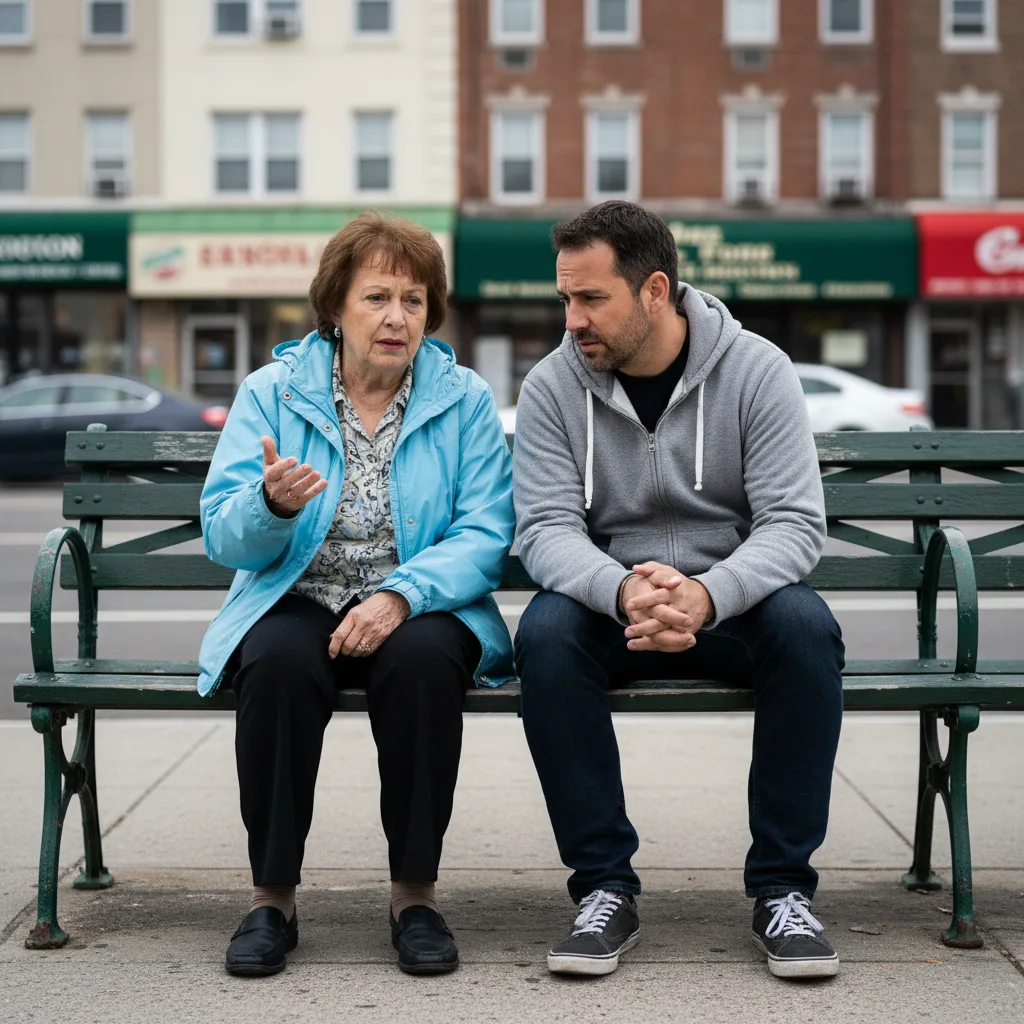
Cross Bay Boulevard Residents Concerned by Congo Ebola Surge
Congo Ebola cases exceed 5,000, causing concern among Cross Bay Boulevard residents about masks, travel, and health security. Queens locals view it as a public health warning.
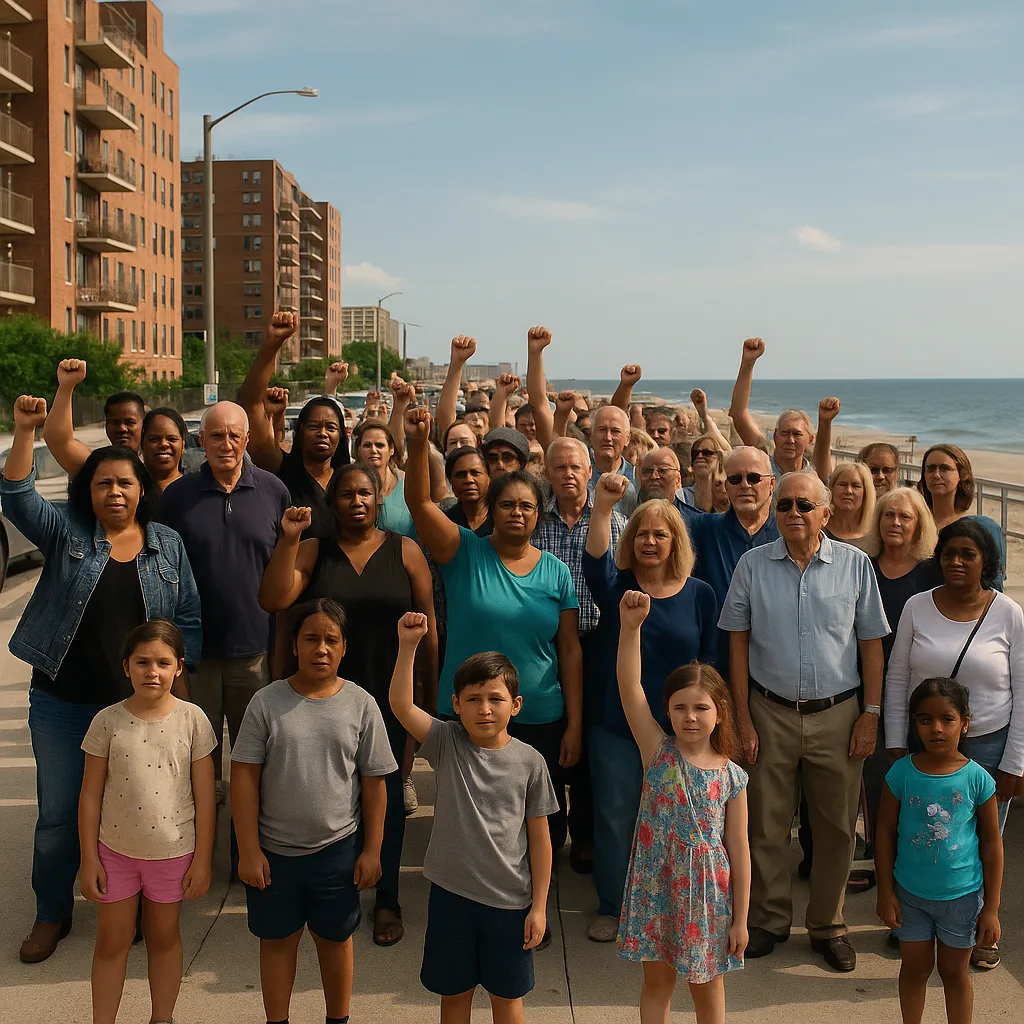
Mamdani Pushed to Fully Fund Far Rockaway Trauma Center with $150M
Elected officials and advocates urge Mayor Mamdani to fully fund the Far Rockaway trauma center, citing a $150 million budget gap crucial for Queens residents.
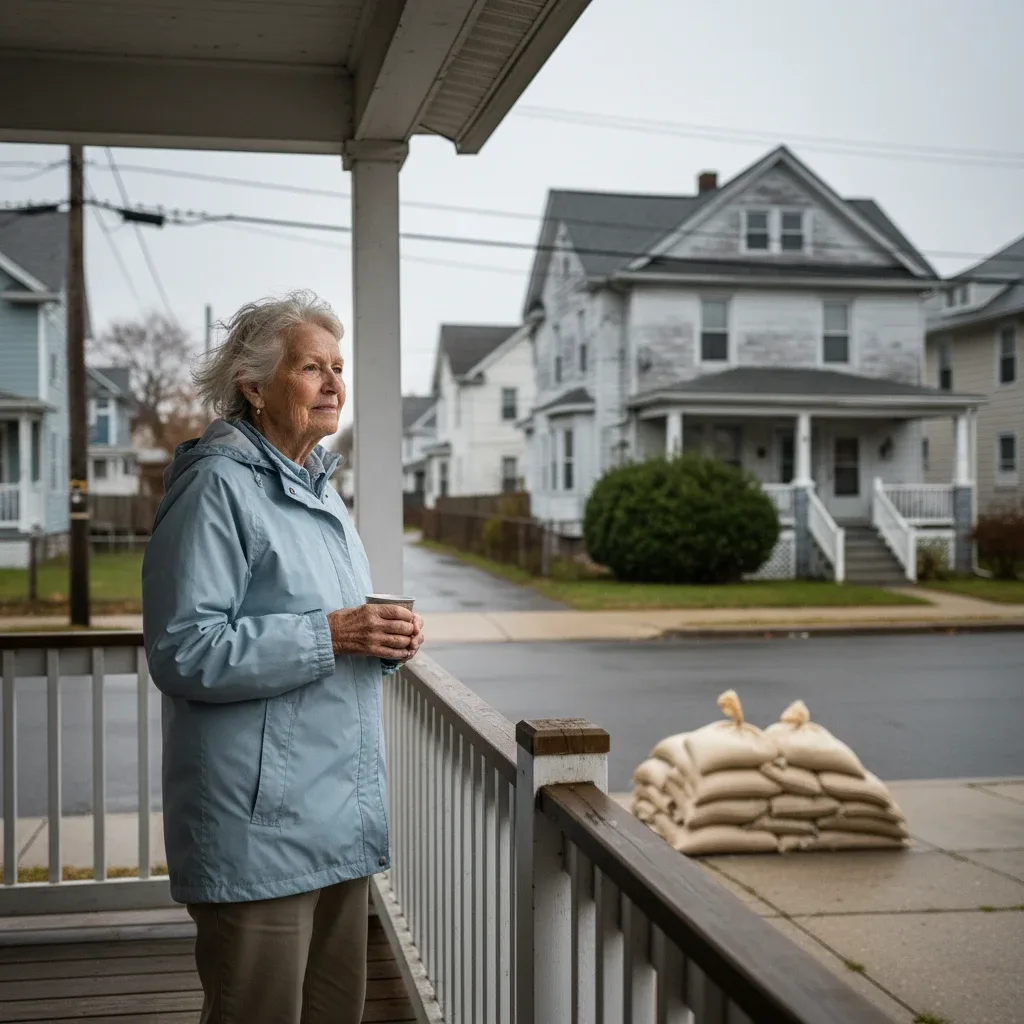
Cross Bay Boulevard Residents Prepare for Typhoon Bavi's Potential Impact
Cross Bay Boulevard residents are preparing for Typhoon Bavi's potential ripple effects, including travel and supply chain disruptions. The storm brings memories of past weather events to Queens.
Cross Bay Boulevard Residents Monitor Typhoon Bavi Path, Prepare for Potential Impact
Cross Bay Boulevard residents are preparing for potential severe weather impacts as Typhoon Bavi churns toward Taiwan, prompting emergency advisories.
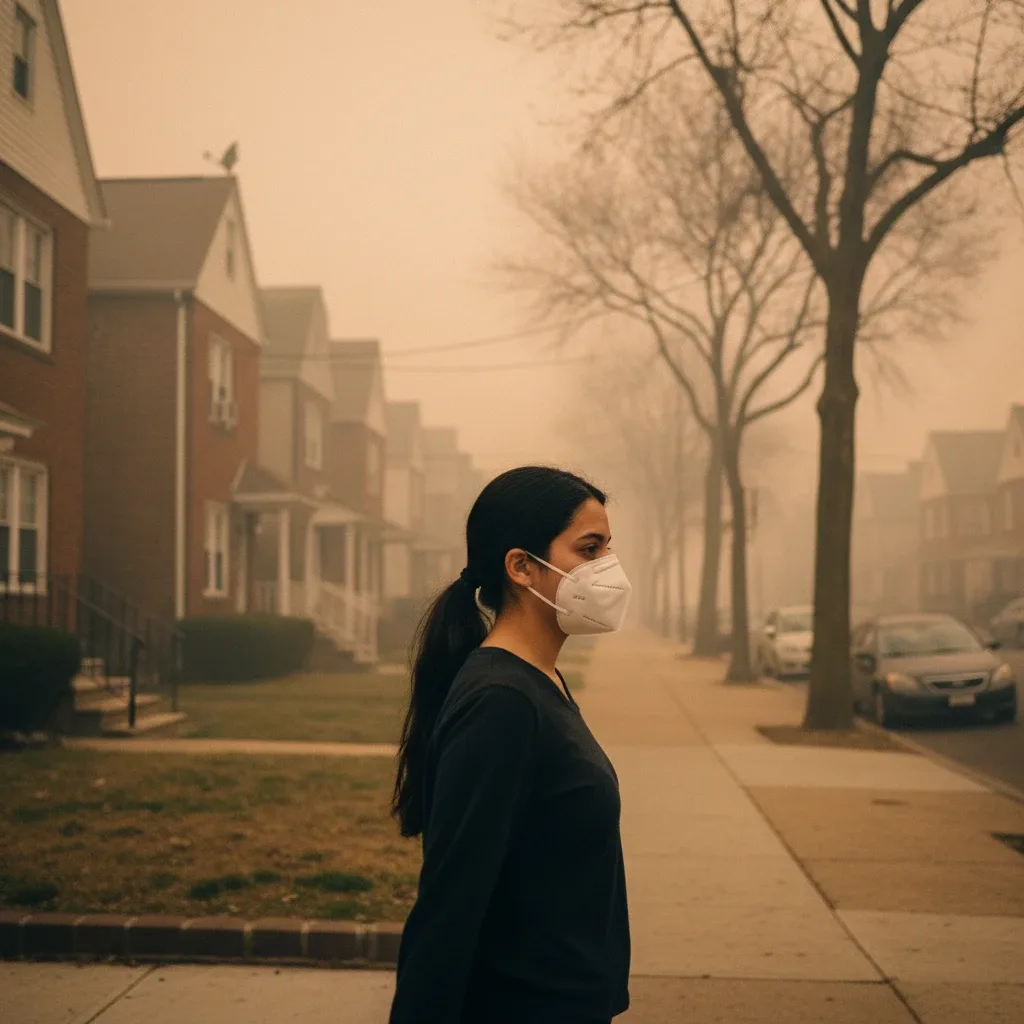
Cross Bay Boulevard Sees Over 100 Million Under Air Quality Alert
Over 100 million people, including Cross Bay Boulevard residents, were under an air quality alert due to Canadian wildfire smoke.
100 Million Under Air Quality Alert as Wildfire Smoke Chokes Cross Bay Boulevard
Over 100 million people are under air quality alerts as Canadian wildfire smoke chokes Cross Bay Boulevard, Queens. Residents cancel outdoor activities, and businesses move inside due to the thick, unhealthy haze affecting daily life.