


Cross Bay Blvd: Hazardous Visibility Disrupts March 2026 Commutes

Enjoying the coverage?
A and S train changes, parking rules and road work, rounded up every Friday.
Sent every Friday. By subscribing, you agree to our Terms and Conditions and Privacy Policy.
NEW YORK — A severe rainstorm in March 2026 created hazardous visibility conditions along Cross Bay Boulevard in Queens, significantly increasing the risk of accidents and disrupting daily commutes for thousands. The torrential downpours, coupled with strong winds, drastically reduced driver perception, making navigation treacherous. Local emergency services responded to multiple minor incidents throughout the day, underscoring the dangers posed by the inclement weather. Authorities issued urgent warnings, advising motorists to exercise extreme caution or avoid travel if possible, citing standing water and limited sightlines as major concerns. The incident raised questions about roadway safety protocols during extreme weather events and the need for public awareness campaigns regarding hazardous driving conditions.
Extreme Weather Poses Driving Risks
On March 15, 2026, motorists on Cross Bay Boulevard contended with near white-out conditions due to the intensity of the rainfall and poor drainage in certain sections. Visibility dropped to mere feet in some areas, forcing drivers to reduce speeds dramatically and activate emergency flashers. The combination of heavy rain, spray from other vehicles, and low-lying clouds created a dangerous environment for all road users. According to NYPD Highway Patrol, several fender-benders were reported, though fortunately, no major injuries were initially linked to these visibility-related incidents. This storm served as a critical reminder of the immediate physical dangers posed by severe weather on major thoroughfares.
The Cross Bay Current Friday Briefing
A and S train changes, parking rules and road work, rounded up every Friday.
Sent every Friday. By subscribing, you agree to our Terms and Conditions and Privacy Policy.
Emergency Response Stretched Thin
Local first responders, including the New York City Fire Department (FDNY) and NYPD, were exceptionally busy during the storm, addressing both accident scenes and minor flooding incidents along the boulevard. Rescue teams were deployed to assist stranded motorists and assess hazardous conditions, including fallen branches and downed power lines. The volume of calls placed a strain on emergency services, highlighting the need for robust contingency plans during widespread weather events. Community leaders praised the swift actions of first responders, who worked tirelessly to maintain public safety despite the challenging circumstances. Their efforts were crucial in preventing more severe outcomes.
Community Safety Campaigns Launched
In the wake of the March 2026 storm, community boards and local government agencies initiated discussions about enhanced public safety campaigns focusing on hazardous driving conditions. These campaigns aim to educate drivers on best practices during severe weather, including maintaining safe distances, using headlights, and understanding the risks of hydroplaning. Furthermore, there were calls for improved roadside signage and lighting along Cross Bay Boulevard, particularly in historically problematic stretches. More details on community responses to the storm are available here. These preventative measures are seen as essential to mitigating future risks.
Impact on Vulnerable Populations
The hazardous driving conditions disproportionately affected vulnerable populations who rely on personal vehicles or public transit for essential services. Elderly residents and individuals with medical appointments faced increased difficulties in reaching their destinations safely. The storm underscored the importance of community support networks and emergency communication systems to ensure these groups receive timely assistance. Local non-profit organizations mobilized volunteers to check on homebound residents, demonstrating the resilience and solidarity within the Queens community. This collective effort helped to alleviate some of the immediate hardships caused by the extreme weather, providing vital aid.
Future Resiliency and Planning
The March 2026 event reinforced the urgent need for long-term resiliency planning for Cross Bay Boulevard and surrounding areas. Engineers and urban planners are now evaluating potential infrastructure improvements, such as advanced sensor systems for real-time visibility monitoring and more efficient stormwater runoff solutions. The goal is to create a more adaptable and safer roadway that can withstand the increasing frequency of extreme weather. These proactive measures are critical for protecting both commuters and the vital economic functions of the boulevard. The city aims to implement solutions that can address current vulnerabilities while anticipating future climate challenges.
Frequently Asked Questions About Cross Bay Boulevard Safety
Residents often ask how to report hazardous conditions on Cross Bay Boulevard and what measures are being taken to improve safety during storms. The public is encouraged to report dangerous road conditions to 311 or local emergency services, who will dispatch relevant authorities. Ongoing efforts include evaluating drainage systems, improving road markings, and implementing public awareness campaigns. Drivers are reminded to adjust their speed and maintain extra vigilance during adverse weather. The community is actively involved in discussions with city officials to ensure their concerns are heard and addressed in future urban planning initiatives.
The Cross Bay Current Friday Briefing
A and S train changes, parking rules and road work, rounded up every Friday.
Sent every Friday. By subscribing, you agree to our Terms and Conditions and Privacy Policy.
Related Articles
More in Transportation & Traffic →
MTA Announces Rockaway Park Shuttle Service Changes for Weekend
The MTA announced significant service changes for the Rockaway Park Shuttle from November 20 to November 23, 2026, suspending weekend operations.
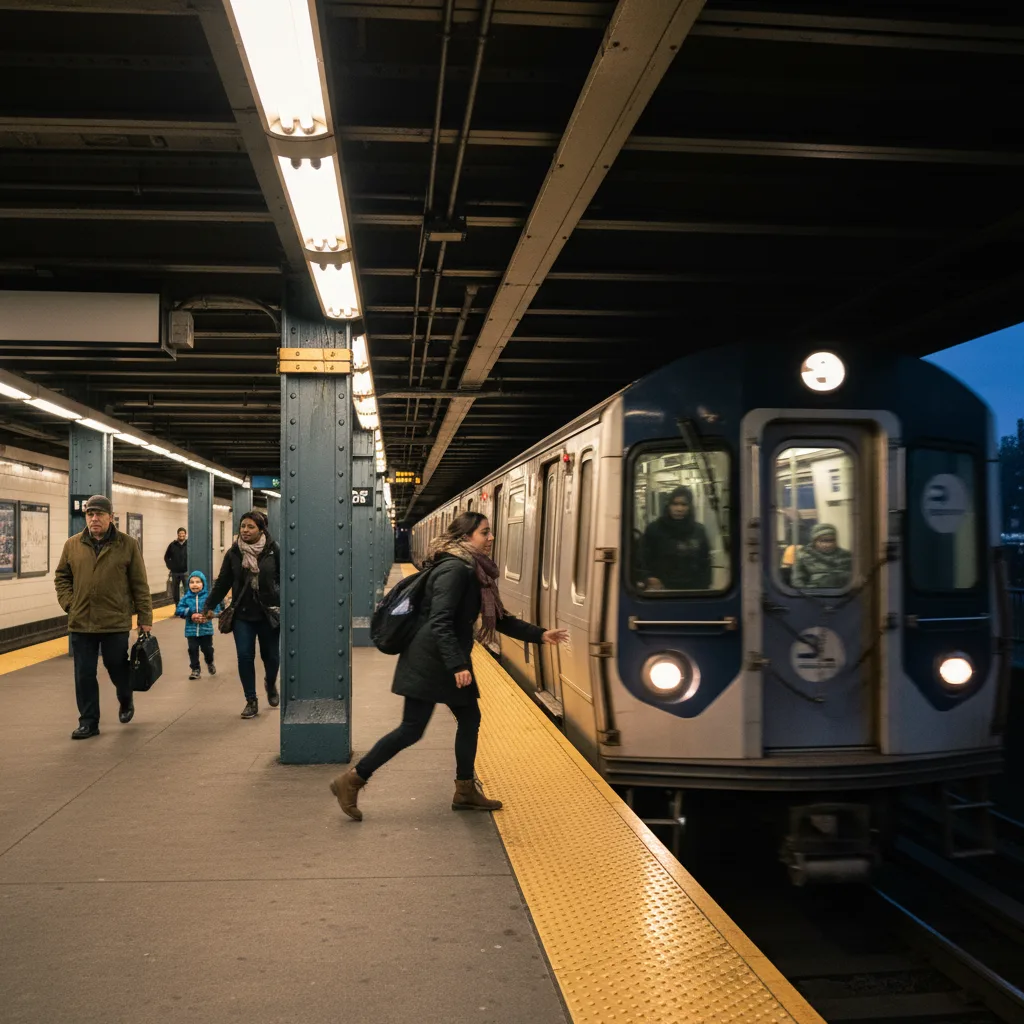
MTA Returns A Train Service to Lefferts Boulevard After 9-Day Closure
The MTA restored full A train service to Ozone Park-Lefferts Boulevard at 5 a.m. on Monday, November 16, 2026, after a nine-day suspension.
New Overnight Detour and Lane Closures Impact Queens Drivers
Queens drivers will experience an overnight eastbound detour off the Roosevelt Avenue Bridge over the Van Wyck starting Wednesday, and Cross Island Parkway lane closures at the Hillside Avenue Bridge beginning Monday.
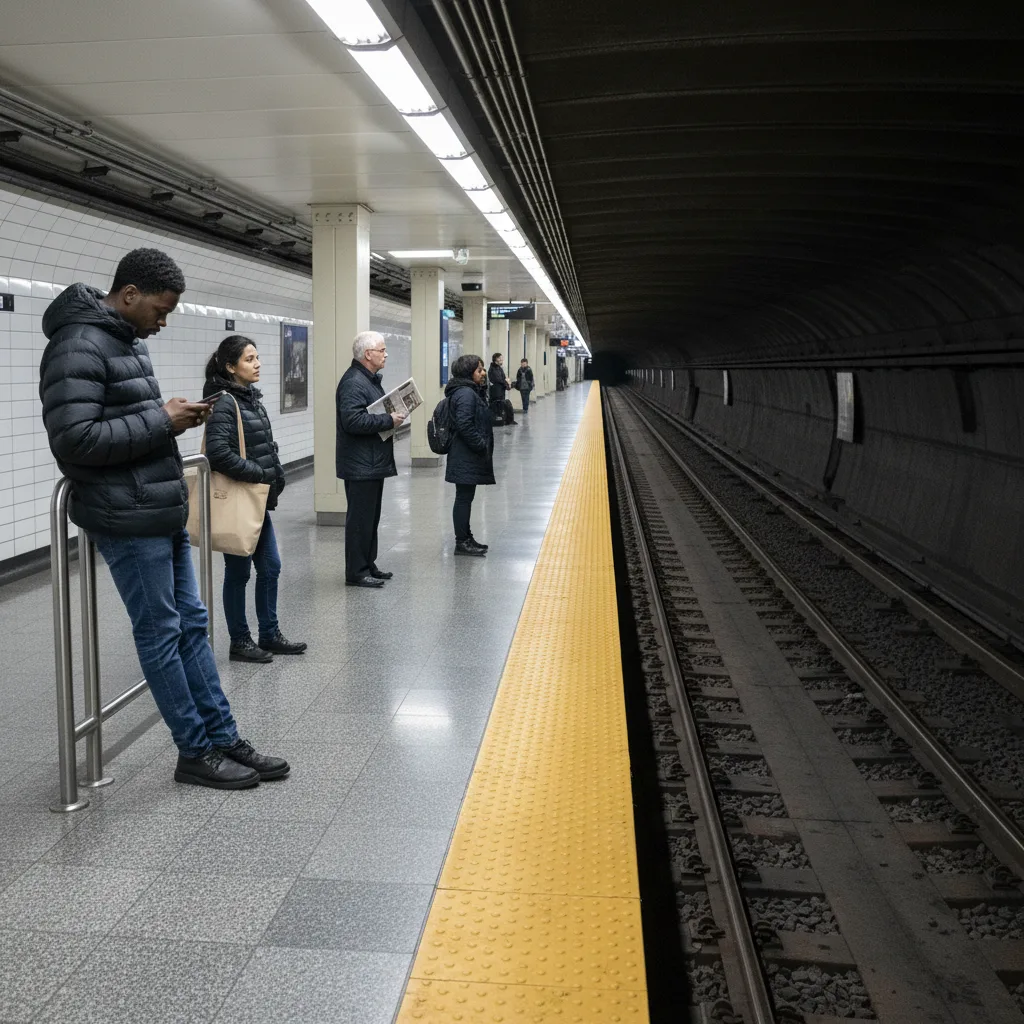
Rockaway MTA Completes Station Upgrades at Beach 60, 36, and 25 Streets
The MTA completed upgrades at three Rockaway A train stations, including new floors and brighter lights at Beach 60 St, Beach 36 St, and Beach 25 St.
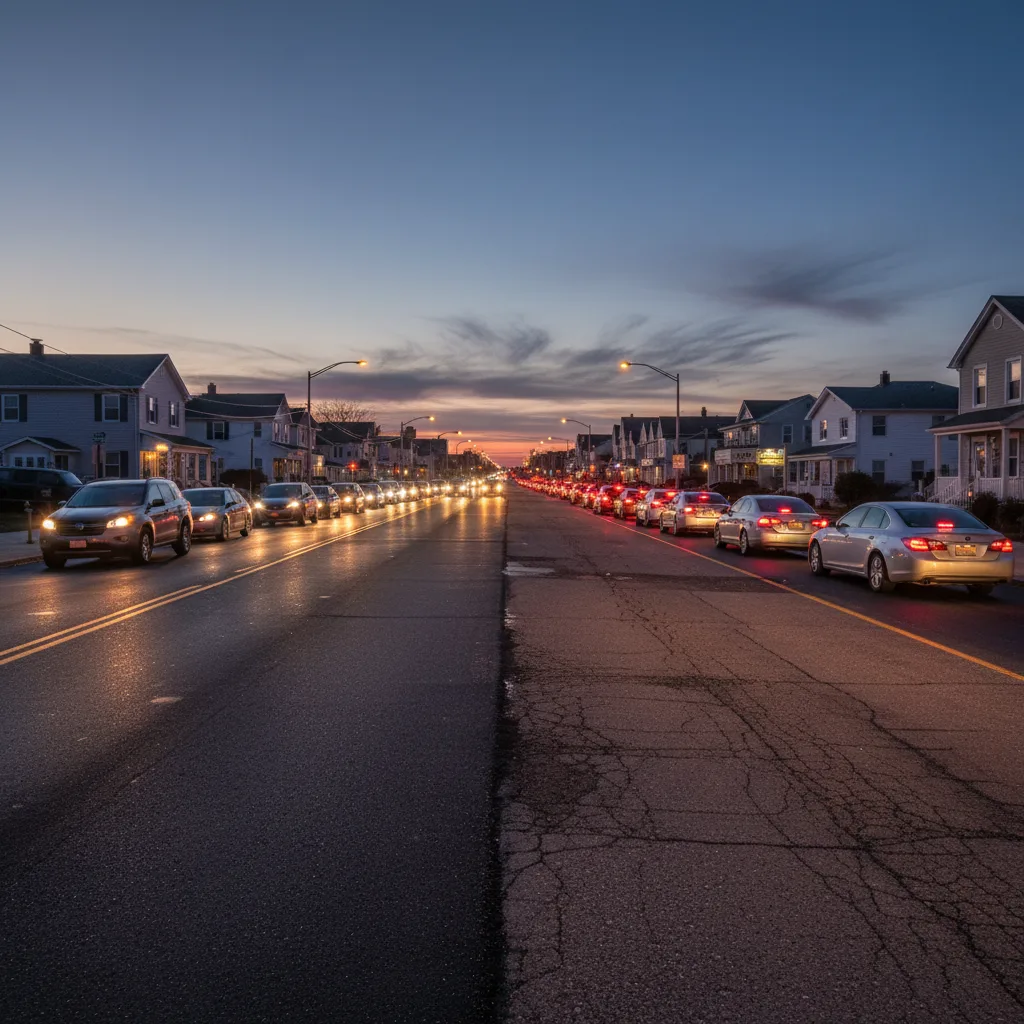
NYC DOT Redoes Cross Bay Boulevard Repaving After Broad Channel Delays
The NYC Department of Transportation is redoing repaving work on Cross Bay Boulevard due to prior shoddy efforts, causing renewed traffic delays for Broad Channel residents as of November 11, 2026.
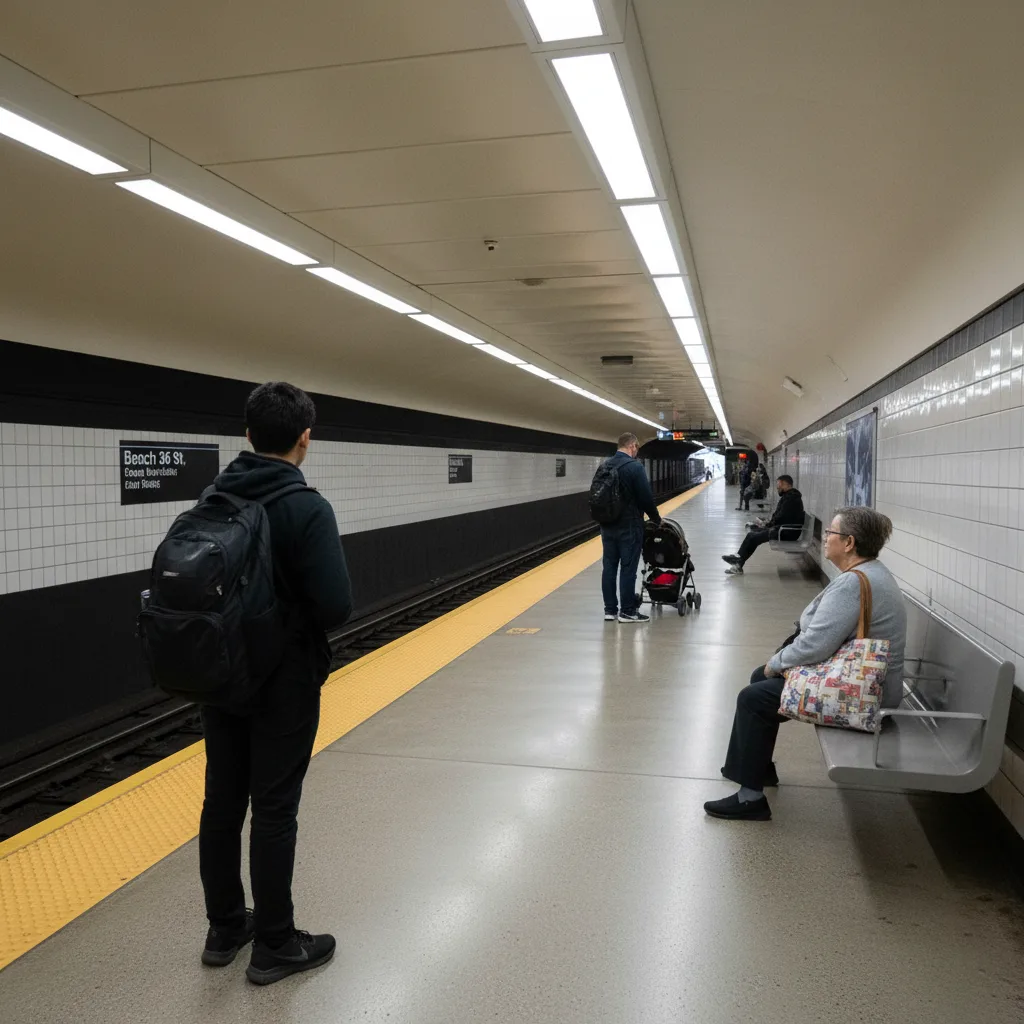
Far Rockaway Commuters See Upgrades at Three A Train Stations
The MTA completed upgrades at Beach 60 St, Beach 36 St, and Beach 25 St A train stations in Far Rockaway, including fresh paint, new floors, and brighter lights in November 2026.