


Cross Bay Boulevard Traffic: DOT Unveils $45M Congestion Reduction Plan 2026

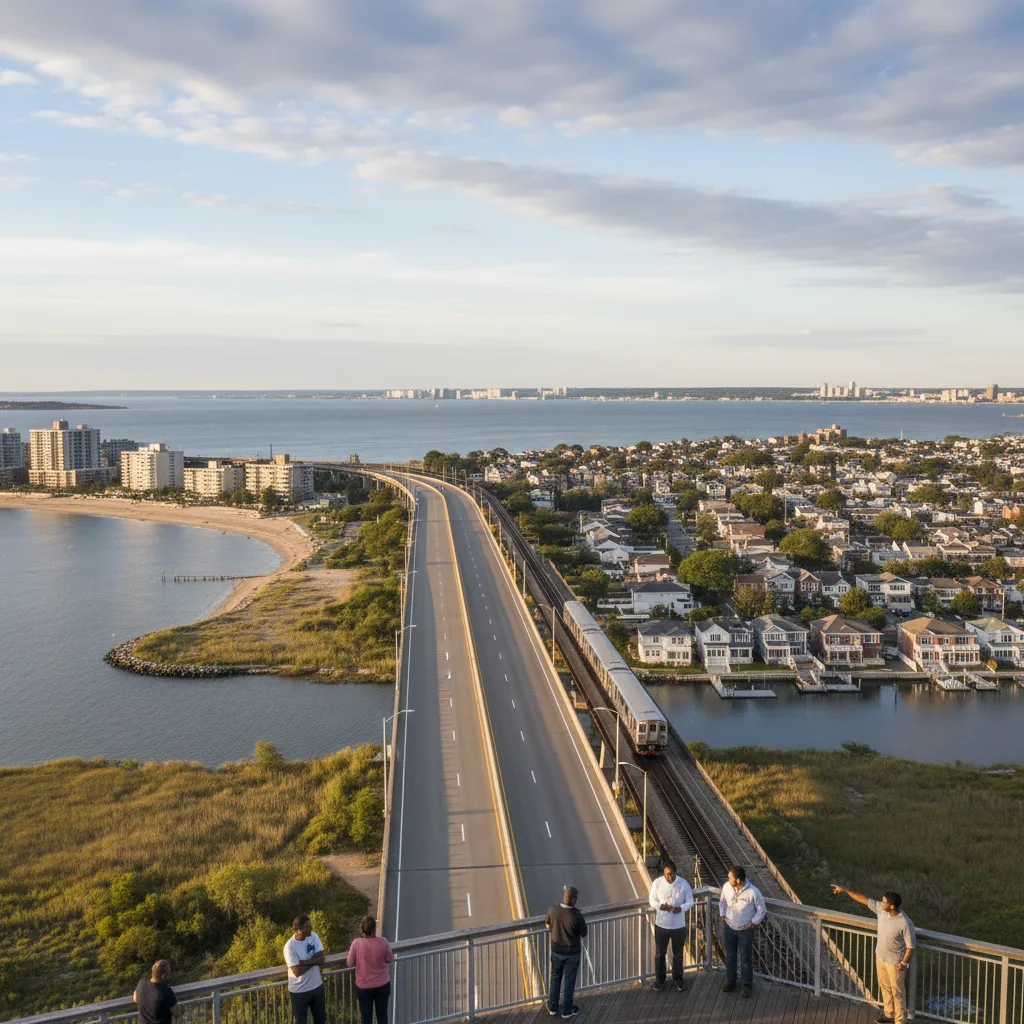
NEW YORK — Annual traffic studies revealing an average 25% increase in peak-hour delays along Cross Bay Boulevard have spurred the New York City Department of Transportation (NYC DOT) to unveil a comprehensive $45 million congestion reduction plan for 2026. The multi-phase initiative aims to significantly improve commuter flow and enhance safety for pedestrians and cyclists traversing the vital artery connecting mainland Queens to the Rockaways.
The ambitious project, slated to begin construction in late 2026, targets several notorious bottlenecks from Ozone Park through Howard Beach. NYC DOT Commissioner Ydanis Rodriguez confirmed the agency’s commitment to addressing long-standing resident complaints about gridlock and unsafe pedestrian crossings at key intersections.
Analyzing the Bottlenecks
Data collected over the past five years consistently identifies the intersections of Cross Bay Boulevard with Rockaway Boulevard, North Conduit Avenue, and the approach to the Cross Bay Bridge as primary choke points. These areas experience daily traffic volumes exceeding 60,000 vehicles, leading to significant delays during both morning and evening rush hours.
Analysis from the Regional Plan Association indicated that slow vehicle movement along the boulevard costs the local economy an estimated $8 million annually in lost productivity and increased fuel consumption. Pedestrian safety remains a high priority, with at least 15 reported accidents involving pedestrians or cyclists near the busy commercial strip between Pitkin Avenue and Shore Parkway in 2025 alone.
Projected Improvements and Phases
The $45 million plan, outlined in detail on the NYC DOT website, proposes a series of interconnected improvements designed to synchronize traffic signals, optimize lane configurations, and introduce dedicated bus lanes in select segments. Phase one, projected for late 2026, focuses on intelligent signal timing upgrades along the stretch from Liberty Avenue down to North Conduit Avenue.
Subsequent phases will include the re-striping of specific sections to create exclusive turning lanes and, controversially for some, the implementation of a peak-hour bus lane extending south from the A train’s Broad Channel station. This comprehensive approach is expected to reduce overall travel times by 15-20% during peak periods, according to initial projections from DOT engineers.
Community Concerns and Public Input
Local residents and community leaders have voiced a mix of optimism and skepticism regarding the DOT’s proposals. Community Board 10 Chairman Anthony Marino, whose district encompasses much of the targeted area, acknowledged the pressing need for relief but stressed the importance of community involvement in the planning process.
“Our residents have endured worsening traffic for years, impacting everything from school commutes to emergency response times,” Marino stated at a recent public forum held at the Ozone Park library. “But any solution must be developed in full transparency with the people who live and work here daily.” The full transcript of the community board meeting is available online.
Several local business owners along Cross Bay Boulevard have expressed worries about potential disruptions during construction. They cite concerns over reduced foot traffic and access to storefronts, particularly during the critical holiday shopping seasons of 2026 and 2027.
Impact on Local Businesses
The commercial corridor stretching from Ozone Park to Howard Beach relies heavily on accessible vehicle traffic. Mary Sanchez, owner of ‘Bay Bakery’ on the boulevard for 30 years, expressed apprehension about the construction’s timing.
“We understand the need for better traffic flow, but if customers can’t easily park or navigate the street for months, it hurts us directly,” Sanchez told reporters outside her bakery. “The city needs to provide clear communication and support for small businesses affected by these changes.”
NYC DOT has indicated plans for dedicated outreach to businesses in affected areas, promising clear signage and alternative parking strategies during construction. This proactive approach aims to mitigate economic hardship for the small enterprises that form the backbone of the community.
Future of Transportation in Southern Queens
The Cross Bay Boulevard project represents a significant investment in Southern Queens’ transportation infrastructure, signaling a broader commitment to improving regional connectivity. It aligns with ongoing efforts to enhance public transit options and promote sustainable mobility throughout the borough.
City Councilmember Joann Ariola (R-32nd District), whose constituency includes the southern portion of Cross Bay Boulevard and the Rockaways, underscored the project’s critical role. “This boulevard isn’t just a road; it’s a lifeline for thousands of residents connecting to jobs, services, and family across Queens,” Ariola confirmed. “Investing in its efficiency is investing in our entire community’s future.”
The DOT projects that the bulk of major construction work will conclude by late 2028. Continued monitoring of traffic patterns and public feedback will inform any necessary adjustments to the plan as it progresses.
Frequently Asked Questions
What are the primary goals of the Cross Bay Boulevard congestion reduction plan? The plan aims to reduce peak-hour traffic delays by 15-20%, improve pedestrian and cyclist safety, and optimize overall traffic flow along Cross Bay Boulevard from Ozone Park to the Cross Bay Bridge approach. It addresses long-standing issues of gridlock and accident hotspots identified in comprehensive traffic studies.
How will residents and businesses be affected during construction? NYC DOT has committed to a multi-phase construction schedule designed to minimize disruption, with specific outreach planned for local businesses. Expect temporary lane closures and potential detours, but detailed schedules will be communicated well in advance through local media and community meetings. Find detailed project timelines and affected areas on the official project page.
When is the project expected to be completed? The first phase of traffic signal upgrades is expected to begin in late 2026. The entire project, including lane reconfigurations and bus lane implementation, is projected to be substantially completed by late 2028, pending unforeseen construction challenges or weather delays.
Who can residents contact with questions or concerns? Residents are encouraged to attend upcoming community board meetings, public forums hosted by NYC DOT, or visit the project-specific webpage for regular updates and contact information. Local Councilmember Joann Ariola’s office is also a direct resource for community feedback.
Written by
Newstrix
Cross Bay Current
Related Articles
More in Development & Infrastructure →
Mamdani Fast-Tracks 12 Districts for Affordable Housing, 5 in Queens
Council Member Mamdani places 12 districts, including five in Queens, on an Affordable Housing Fast Track, expediting crucial development.
CM Ariola Calls for Infrastructure Overhaul After South Queens Flooding
CM Joann Ariola called for a major infrastructure overhaul in south Queens after weekend storms caused severe flooding, impacting Howard Beach. This is critical for future storm protection.
City Hall Accelerates Howard Beach Housing Development 2026
City Hall fast-tracks housing development in Howard Beach and South Ozone Park, aiming to ease Queens' affordable housing shortage now.
City Hall Accelerates Queens Housing Development for Low-Affordable Areas
City Hall moves to fast-track housing development in Queens, including South Ozone Park and Howard Beach, to address affordable housing shortages. This impacts Cross Bay Boulevard communities.
Your Essential Guide to the Rockaway Ocean Club in 2026
Discover what to expect at the Rockaway Ocean Club in 2026, a vibrant beachfront hub in Queens with dining, events, and community activities.
Is Howard Beach in Queens or Brooklyn? A Comprehensive Guide to This Unique NYC Neighborhood
Is Howard Beach in Queens or Brooklyn? Discover the definitive answer: Howard Beach is a vibrant Queens neighborhood with unique coastal charm.