


Cross Bay Boulevard Area Vulnerable After Rockaway Boulevard Flooding, March 2026

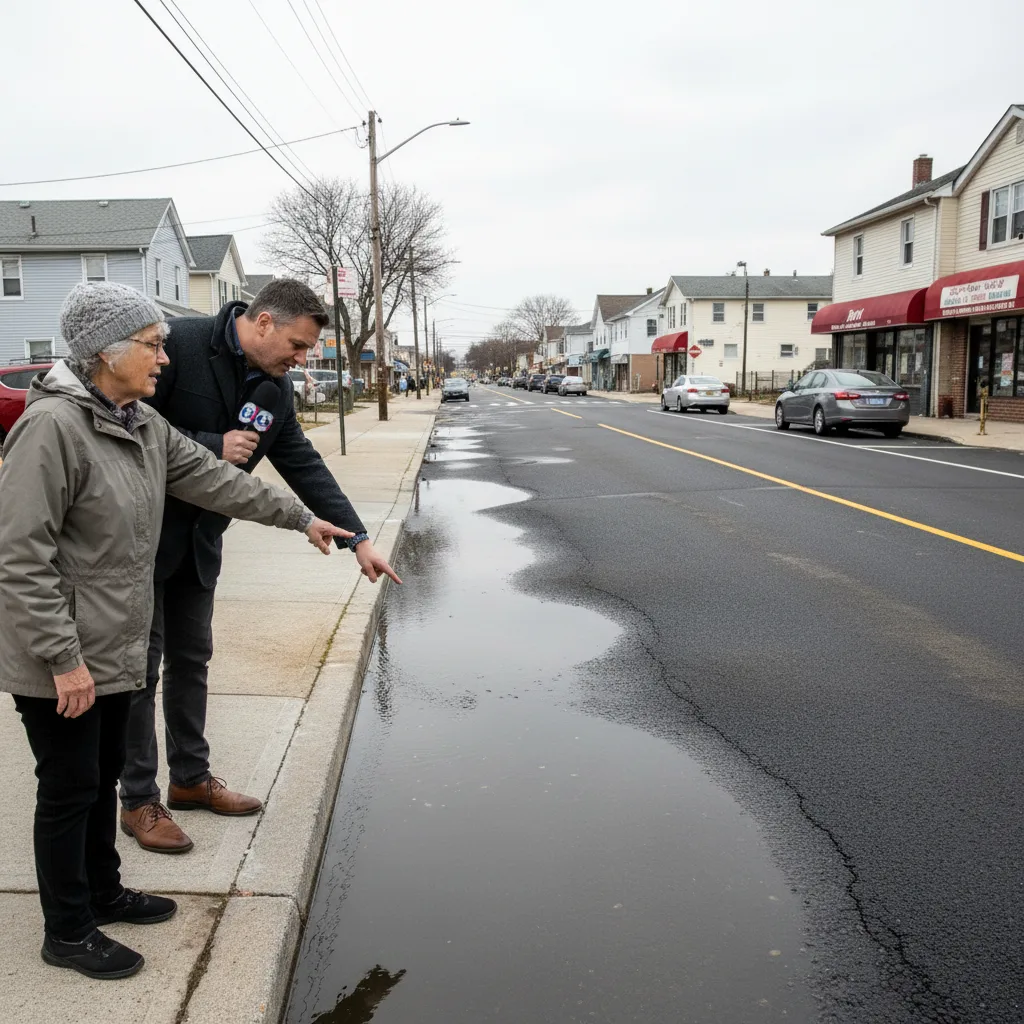
NEW YORK — A severe flooding event on nearby Rockaway Boulevard in early March 2026 served as a stark reminder of the persistent infrastructure vulnerabilities facing South Queens, including the Cross Bay Boulevard corridor. Heavy rainfall on March 6, 2026, overwhelmed storm drains, creating deep water that stranded motorists and disrupted local traffic. This incident has amplified existing anxieties among Cross Bay Boulevard residents and businesses regarding their own susceptibility to similar climate-related challenges.
The deluge transformed sections of Rockaway Boulevard into impassable waterways, causing significant delays for commuters and damage to vehicles. WABC Eyewitness News reported widespread disruption and frustration among drivers attempting to navigate the inundated roads. This immediate aftermath brought into sharp focus the precarious state of the region's aging stormwater management systems.
Shared Infrastructure and Interconnected Flood Risk
The flooding on Rockaway Boulevard is not an isolated phenomenon; it underscores a broader regional issue that directly impacts the Cross Bay Boulevard area. Both boulevards traverse low-lying coastal plains adjacent to Jamaica Bay, sharing common geological and hydrological characteristics. Many of the storm drains and sewer lines in these areas are interconnected, meaning problems in one section can exacerbate issues in another.
Urban planning experts note that decades of development have placed immense strain on existing infrastructure designed for a different era. Dr. Evelyn Reed, a civil engineer specializing in urban resiliency at NYU, explained, "When one part of a connected system fails due to extreme weather, the adjacent areas, especially those with similar environmental profiles like Cross Bay Boulevard, are inherently at increased risk." Her comments were provided to Cross Bay Current in an email statement.
Cross Bay Boulevard's Own History of Inundation
Residents along Cross Bay Boulevard are no strangers to flooding. Numerous reports and anecdotal evidence detail past instances where heavy rains or coastal surges have rendered portions of the boulevard impassable. Areas around the Shellbank Basin and closer to the Jamaica Bay shoreline are particularly vulnerable. Businesses have endured costly property damage and significant operational disruptions from these recurring events.
"Every time there's a major storm, we hold our breath," stated Michael Lombardi, owner of a seafood restaurant on Cross Bay Boulevard for over thirty years. "We've seen our basements flood, our streets turn into rivers. The Rockaway incident just confirms our worst fears about what could happen here, and what already does on a smaller scale." His concern echoes sentiments from many local proprietors.
City's Climate Resiliency Plans Under Scrutiny
In response to growing climate change impacts, New York City has launched various initiatives to enhance coastal and urban resiliency. The Department of Environmental Protection (DEP) has several ongoing projects in Queens aimed at upgrading sewer infrastructure and stormwater management. However, the pace and scope of these projects are often perceived as insufficient by affected communities.
Local Council Member Joann Ariola has consistently advocated for expedited funding and implementation of these critical infrastructure upgrades. "The flooding on Rockaway Boulevard is a wake-up call for the entire region, including Cross Bay Boulevard," Ariola asserted in a public statement. "We need accelerated investment in green infrastructure and robust sewer improvements to protect our homes and businesses effectively."
Community Advocacy for Proactive Measures
Civic associations and environmental groups in the Howard Beach and Ozone Park areas are intensifying their calls for proactive measures on Cross Bay Boulevard. They are pushing for comprehensive drainage studies, the installation of more permeable surfaces, and the creation of bioswales to absorb excess stormwater. These solutions could significantly reduce surface flooding.
Residents are also seeking clearer communication from city agencies regarding emergency preparedness and available resources during extreme weather events. The demand is for a more transparent and responsive system that empowers residents to protect their properties. This collaborative approach seeks to build a more resilient community.
Economic Impact and Future Preparedness
The economic ramifications of recurrent flooding extend beyond immediate repair costs. Businesses along Cross Bay Boulevard face reduced customer traffic during and after flood events, leading to revenue losses. Property values can also be impacted by ongoing flood risk, creating long-term challenges for homeowners.
City planners emphasize the long-term economic benefits of investing in resilient infrastructure now to prevent more severe damages in the future. The conversation around Cross Bay Boulevard's vulnerability is evolving from a reactive stance to a proactive push for sustainable urban solutions. This shift represents a critical turning point for the community.
Frequently Asked Questions About Flood Preparedness
Residents along Cross Bay Boulevard concerned about flooding can take several steps to mitigate risks and prepare for future events. The NYC Office of Emergency Management provides comprehensive guides on flood preparedness, including advice on securing property and creating emergency kits. Information on flood insurance options is available through FEMA, which can offer financial protection against flood-related damages. Additionally, residents can report clogged storm drains or sewer issues to NYC 311, enabling prompt maintenance. Staying informed about local weather advisories and evacuation routes is crucial for personal safety. These resources are designed to help the community become more resilient.
Written by
Newstrix
Cross Bay Current
Related Articles
More in Development & Infrastructure →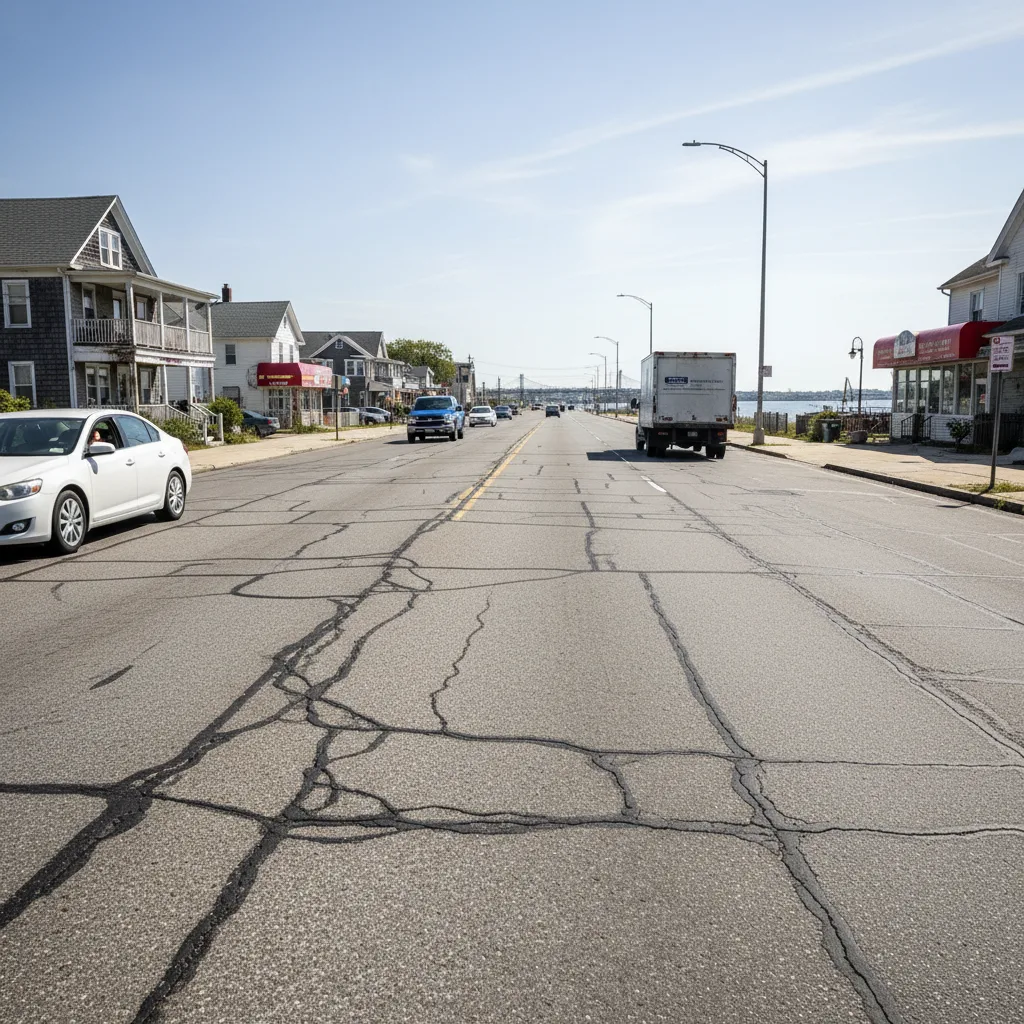
City Councilwoman Joann Ariola Labels Cross Bay Boulevard Repaving 'Abominable'
City Councilwoman Joann Ariola labeled the Cross Bay Boulevard repaving 'abominable,' echoing resident dissatisfaction with the NYC DOT's work in Broad Channel.
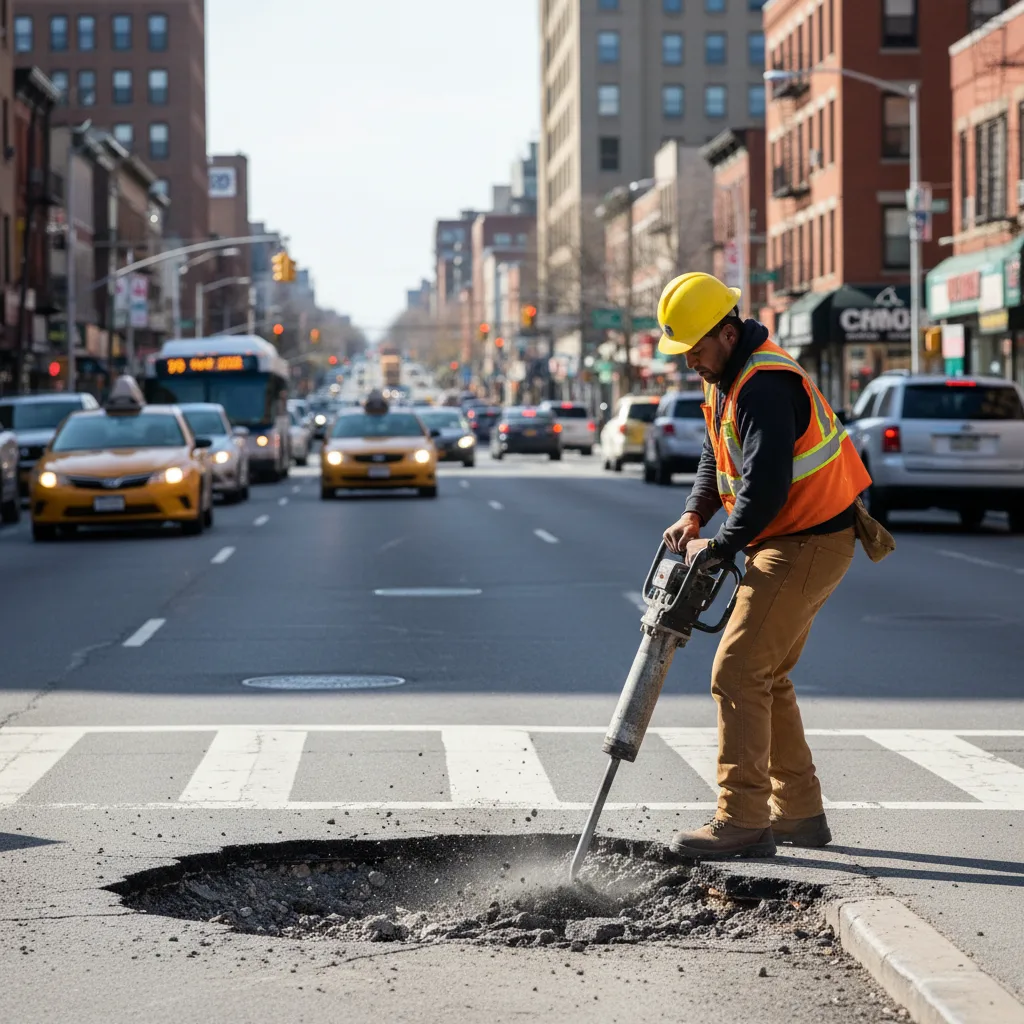
Cross Bay Boulevard Begins $15M Safety & Traffic Calming Project 2026
A $15 million multi-phase project has begun on Cross Bay Boulevard in Queens, enhancing pedestrian safety and mitigating vehicle speeds, with phase one concluding in late 2026.
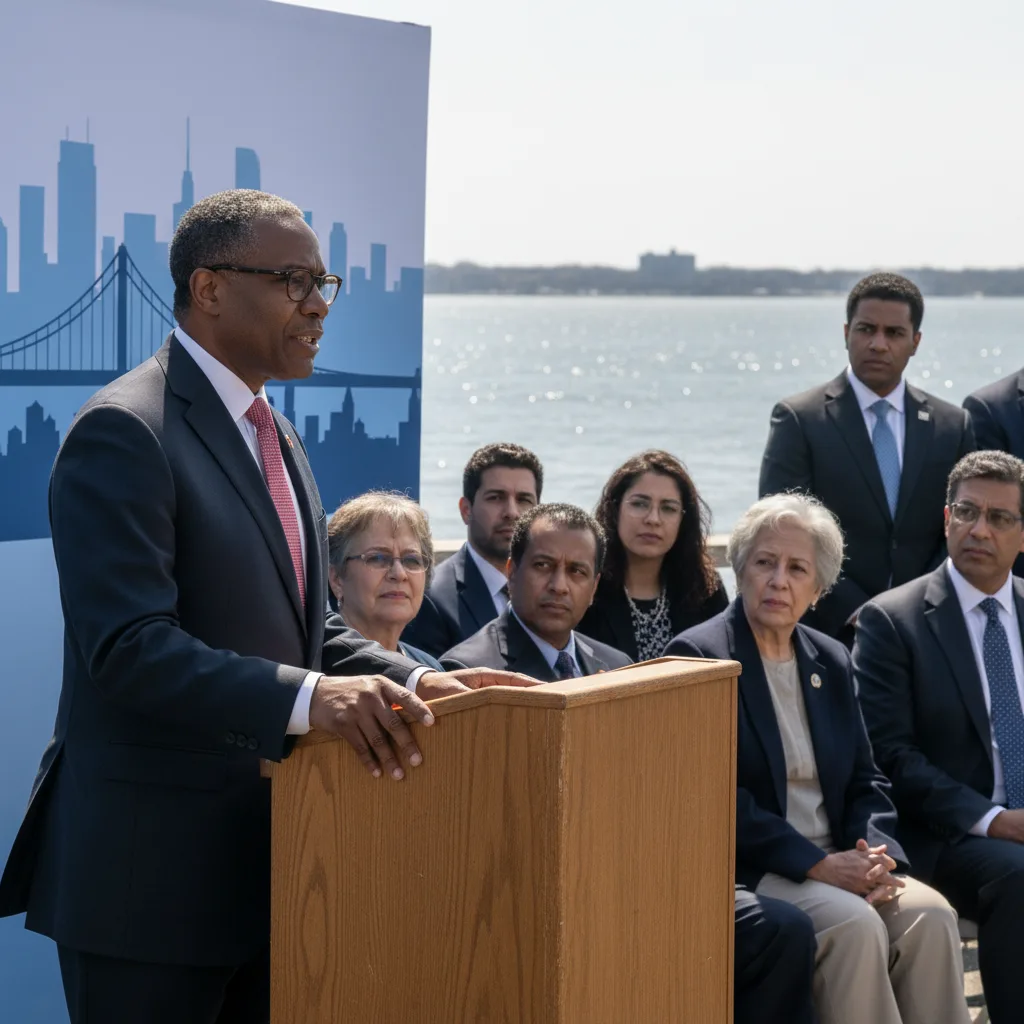
Mayor Adams Unveils $35M Cross Bay Boulevard Waterfront Revitalization Plan 2026
Mayor Eric Adams unveiled a $35 million plan to revitalize the Cross Bay Boulevard waterfront, transforming the Rockaways' gateway and boosting quality of life for Queens residents.
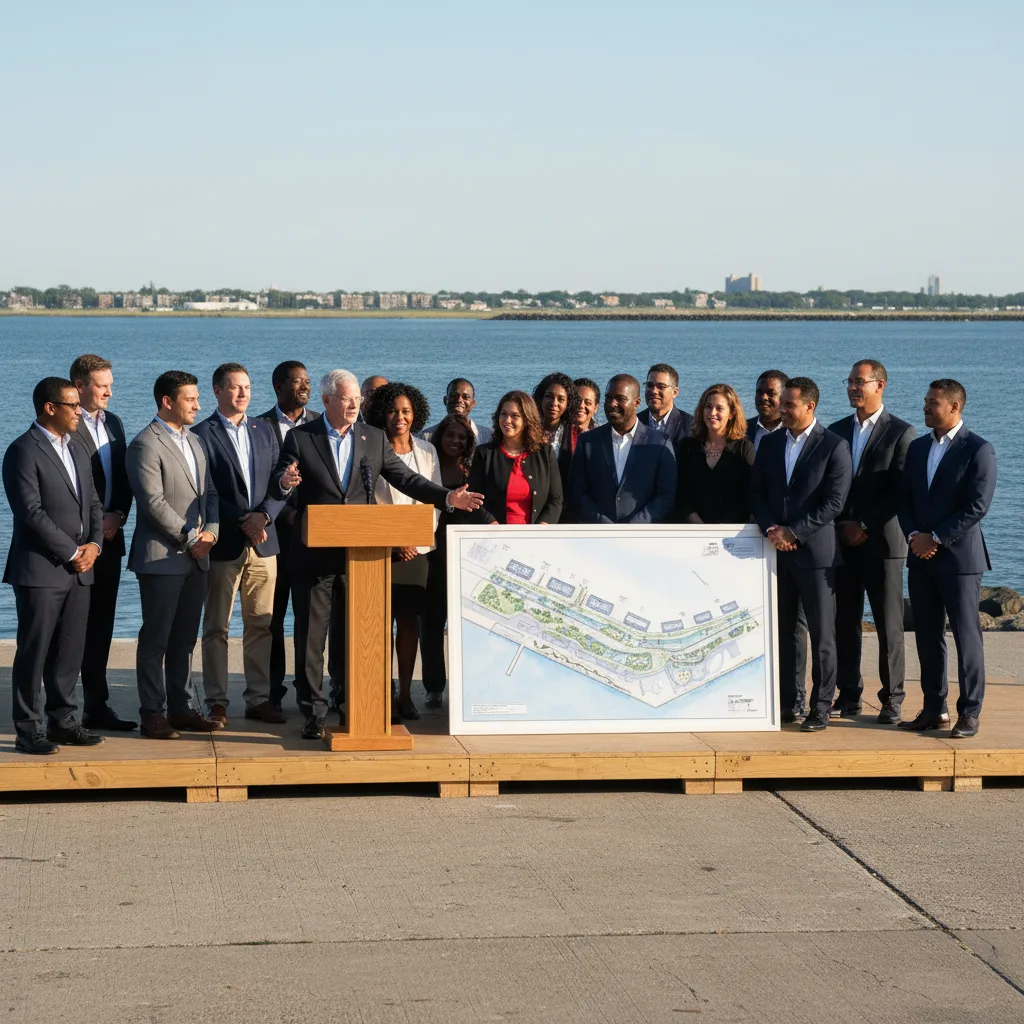
Mayor Adams Unveils $35 Million Cross Bay Boulevard Waterfront Revitalization
Mayor Eric Adams unveiled a $35 million revitalization plan for the Cross Bay Boulevard waterfront, transforming the Rockaways' gateway and enhancing Queens quality of life.
Councilwoman Ariola Slams "Abominable" Cross Bay Boulevard Repaving
Councilwoman Joann Ariola slammed the "abominable" repaving of Cross Bay Boulevard in Queens, igniting local outrage. Residents demand city accountability for the poorly executed project.
Mayor Adams Unveils $35 Million Cross Bay Boulevard Waterfront Plan 2026
Mayor Eric Adams unveiled a $35 million revitalization plan for Cross Bay Boulevard waterfront, transforming the Rockaways' gateway and enhancing Queens' quality of life.