


Cross Bay Boulevard Residents Monitor Gaza Conflict's Human Toll
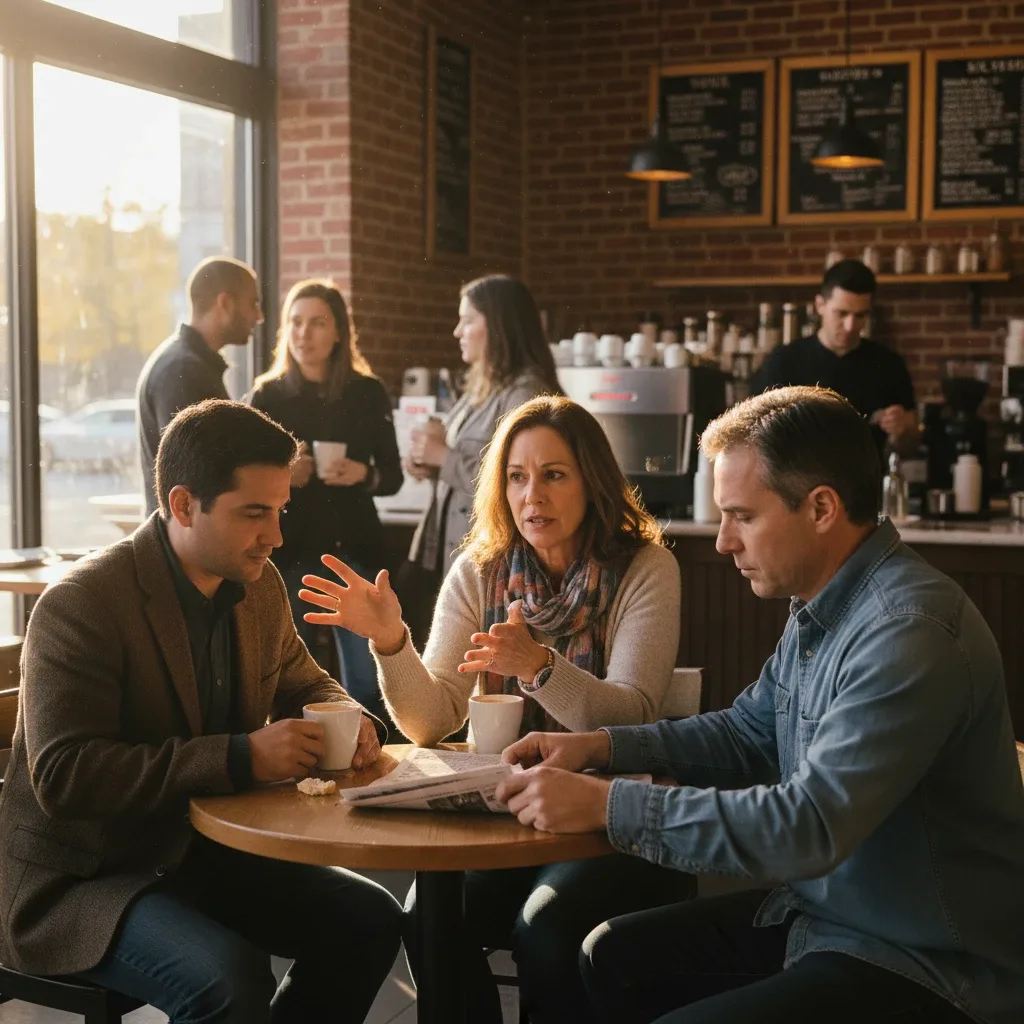
NEW YORK — "In Cross Bay Boulevard and nearby parts of Queens, this kind of report usually sparks immediate debate in shops, barber chairs, and family groups, especially among residents with relatives in the region," Reuters stated. This highlights the intense local reaction to news that large crowds in Gaza mourned a senior Palestinian aid figure killed in an Israeli airstrike. The incident underscores the deep emotional intensity of life inside Gaza and its ripple effects in communities like Queens.
Queens Community Grapples with Civilian Casualties
The killing of a prominent Palestinian aid worker in an Israeli airstrike, leading to large mourning gatherings in Gaza, has profoundly affected residents along Cross Bay Boulevard. Many in the Queens community, particularly those with familial or cultural ties to the Middle East, are reacting with palpable grief and frustration. Local conversations in coffee shops and community centers center on the continuing civilian toll and whether an end to the violence is in sight.
Reuters noted that this story resonates globally, reflecting the ongoing human cost of the conflict. For Queens residents, this distant tragedy feels acutely personal, prompting impassioned discussions about the humanitarian crisis and the need for peace. The sheer scale of the mourning in Gaza underscores the devastating impact of the conflict on ordinary lives.
Emotional Responses and Community Dialogue
Cross Bay Boulevard is home to a rich tapestry of cultures, and news from the Israeli-Palestinian conflict often evokes powerful emotional responses. Residents are processing feelings of anger, exhaustion, and sadness, with many expressing a profound desire for stability and an end to suffering. These emotions are openly shared in various community settings.
Local leaders and religious figures are playing a crucial role in facilitating dialogue and offering solace. They provide spaces where residents can share their perspectives, mourn losses, and discuss ways to support those affected by the ongoing violence. The community's response often emphasizes the interconnectedness of global and local well-being.
Impact on Local Advocacy and Support Groups
The latest developments are expected to reinvigorate local advocacy groups dedicated to peace and humanitarian aid in the Middle East. Organizations within Queens that focus on human rights and international justice are likely to see increased engagement from residents seeking to make a difference. This includes heightened calls for political action and greater awareness campaigns.
Many residents feel a moral imperative to speak out and support humanitarian efforts, translating their personal anguish into collective action. This pattern of local response to global events is a hallmark of the diverse and politically engaged population in Queens. Efforts to support the local Cross Bay Boulevard economy also continue amid these tensions.
Historical Echoes of Conflict in Queens
For decades, Queens has been a focal point for discussions and debates surrounding the Israeli-Palestinian conflict. Major escalations in the region consistently lead to increased local activism, interfaith dialogues, and public demonstrations. The community's sustained engagement reflects the deep-seated historical and personal connections many residents have to the issue.
Generations of families in Queens have been affected by the conflict, influencing their perspectives and their commitment to advocating for peace and justice. This latest incident serves as a poignant reminder of the enduring nature of the challenges and the unwavering dedication of those seeking resolutions. The discussions often reference historical precedents.
Local Resources for Emotional Support
Recognizing the significant emotional toll that news from Gaza can take, several community organizations and mental health services in Queens are offering support to residents. These resources aim to provide a safe space for individuals to process their feelings and cope with the stress associated with distant conflicts. Religious institutions along Cross Bay Boulevard also play a vital role in offering spiritual and emotional guidance.
"It's essential that we acknowledge the emotional impact of global events on our local residents," stated Dr. Lena Khan, a psychologist at a community mental health center in Ozone Park, on Friday. Dr. Khan emphasized the availability of counseling services for those grappling with anxiety, grief, or trauma related to the conflict. The center has seen an uptick in inquiries this week, demonstrating the need for such support.
Frequently Asked Questions
How do residents of Cross Bay Boulevard connect with news and discussions about the Gaza conflict? Residents often engage through local news outlets, social media groups, and community forums. Informal discussions in local businesses, religious institutions, and family gatherings are also primary ways information and opinions are shared, reflecting the close-knit nature of many Queens neighborhoods. They also draw on established news sources like Reuters for global updates.
What avenues exist for Cross Bay Boulevard residents to contribute to humanitarian efforts in the region? Residents can support reputable international aid organizations working in Gaza through donations or by volunteering their time. Local groups in Queens often organize fundraising events or awareness campaigns that residents can participate in, channeling their concerns into tangible action. Verifying the legitimacy of charities is always recommended.
What challenges do local community leaders face in addressing such sensitive international issues? Community leaders navigate the challenge of balancing diverse viewpoints while fostering respectful dialogue and ensuring emotional support for all residents. They must create inclusive platforms that acknowledge varying perspectives without exacerbating tensions. This requires strong communication and a deep understanding of the community's complex social dynamics.
Written by
Newstrix
Cross Bay Current
Related Articles
More in Community →
9/11 Victims' Families Criticize Saudi Arabia, U.S. Leaders at 25th Anniversary
9/11 victims' families criticized Saudi Arabia and U.S. leaders on the 25th anniversary, reigniting accountability questions. Cross Bay Boulevard residents mark the day with personal reflection.
Queens Residents Share Sympathy for Philippines Ferry Fire Victims
Queens residents on Cross Bay Boulevard share sympathy for victims of the Philippines ferry fire, with 5 dead and 86 missing, sparking local concern.
Eiffel Tower Workers Strike Over Hindu Group's Gender Exclusion Claim
Eiffel Tower workers are striking over claims women were excluded from a Hindu group's event, sparking debate on Cross Bay Boulevard about fairness and discrimination.
Your Guide to Queens Center Mall in 2026
Explore everything you need to know about visiting Queens Center Mall in 2026, including tips on shopping, dining, events, and getting there.

Far Rockaway NYCHA Residents Decry Negligent Conditions
Far Rockaway NYCHA residents on Beach 40th Street decry negligent living conditions, citing persistent mold and pest issues. Local officials urge prompt action.
South Queens News Updates: River Fund Fights Child Poverty
The River Fund continues its vital fight against child poverty in South Queens, providing essential resources and support to vulnerable families. Their ongoing efforts address significant socioeconomic challenges and highlight the importance of community involvement.