


Cross Bay Boulevard Commuters Face Delays Amid March 2026 Rain
Enjoying the coverage?
A and S train changes, parking rules and road work, rounded up every Friday.
Sent every Friday. By subscribing, you agree to our Terms and Conditions and Privacy Policy.
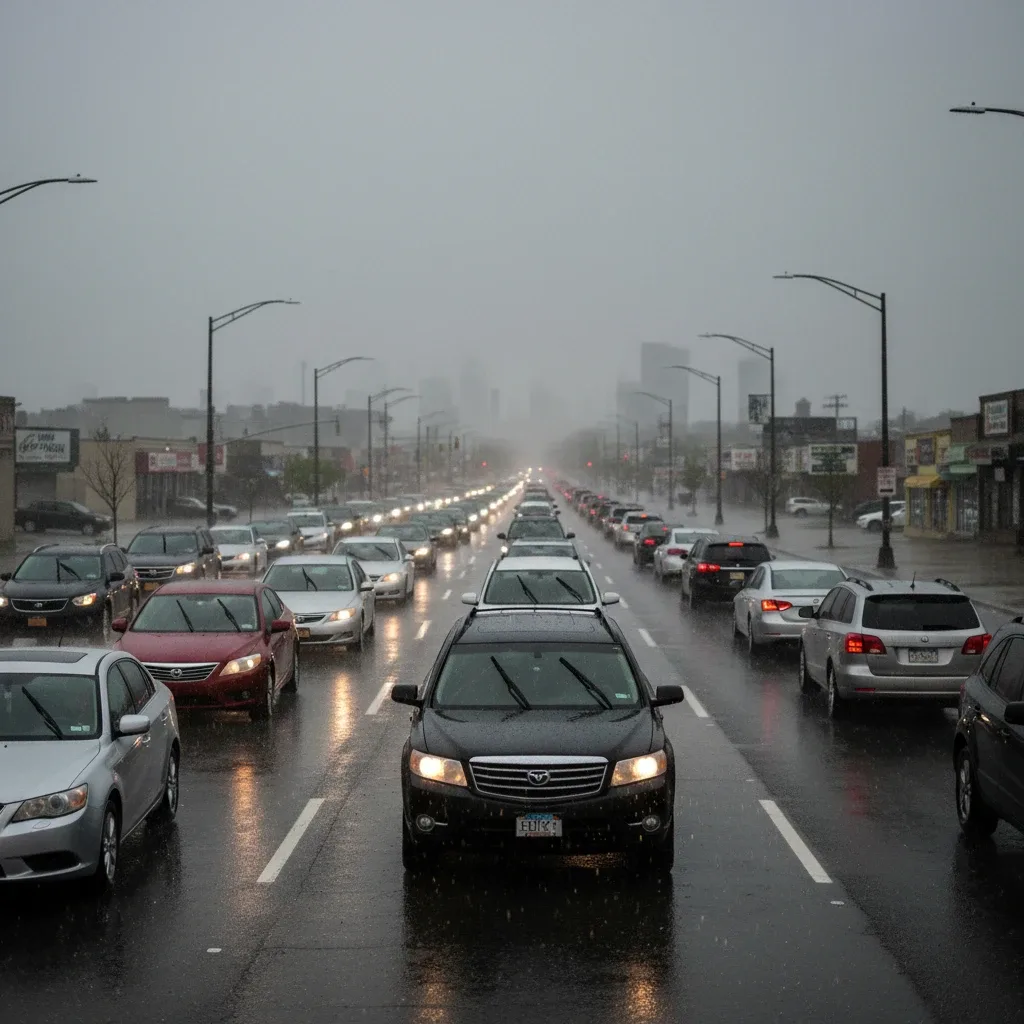
NEW YORK — Heavy rainfall across Queens in early March 2026 led to significant traffic delays and reduced visibility along Cross Bay Boulevard, severely impacting morning and evening commutes for thousands of residents. The severe weather conditions created hazardous driving environments and extended travel times across the critical thoroughfare.
Unforeseen Delays Plague Cross Bay Boulevard Traffic
The torrential downpour that blanketed Queens during the first week of March 2026 caused unprecedented gridlock on Cross Bay Boulevard, a key artery connecting Howard Beach and Broad Channel to mainland Queens. Commuters reported average travel times increasing by 30-45 minutes during peak hours, significantly disrupting daily routines. The New York City Department of Transportation (NYC DOT) issued multiple advisories urging drivers to allow extra time or seek alternative routes, though options were limited for many. This week's rainfall amounted to over three inches in a 24-hour period, according to the National Weather Service, overwhelming local drainage systems.
The adverse weather conditions also led to several minor accidents along the boulevard, further exacerbating the traffic situation. NYPD's 106th Precinct confirmed an increase in collision reports, primarily due to slick roads and reduced visibility. The combination of heavy rain and dense traffic created a challenging environment for both drivers and emergency responders, underscoring the vulnerability of urban infrastructure to sudden, intense weather events. The prolonged nature of the delays highlighted the need for improved resilience in the face of increasingly unpredictable weather patterns. Cross Bay Boulevard Experiences Significant Delays, Low Visibility provides further details on these delays.
The Cross Bay Current Friday Briefing
A and S train changes, parking rules and road work, rounded up every Friday.
Sent every Friday. By subscribing, you agree to our Terms and Conditions and Privacy Policy.
Reduced Visibility Contributes to Hazardous Driving
Beyond the sheer volume of water, reduced visibility played a major role in the hazardous driving conditions experienced on Cross Bay Boulevard. The heavy rainfall, combined with spray from other vehicles, made it difficult for drivers to see road markings, traffic signals, and other vehicles. This factor contributed to increased driver anxiety and a slowdown in traffic speeds, creating a domino effect on congestion. Many commuters described white-out conditions, particularly on the stretches of the boulevard that are less lit.
Eyewitness accounts from drivers underscored the danger. "It was almost impossible to see past the car in front of me," said lifelong Howard Beach resident Robert Esposito, who commutes daily to Long Island City for work. Esposito noted that the conditions forced everyone to drive much slower, even on stretches where traffic usually flows more freely. This reduced visibility not only made driving difficult but also increased the risk of accidents, prompting calls from community members for better drainage and lighting solutions along the rain-prone thoroughfare.
Infrastructure Strain and Drainage System Overload
The recent heavy rainfall exposed existing vulnerabilities in Queens' infrastructure, particularly the drainage systems along Cross Bay Boulevard. City engineers from the Department of Environmental Protection (DEP) confirmed that the sheer volume of water exceeded the capacity of many storm drains, leading to localized flooding in low-lying areas. This accumulation of water on the roadway contributed directly to traffic slowdowns and posed a risk of hydroplaning for vehicles. A DEP spokesperson stated that many of these systems are decades old and are struggling to keep pace with more intense rainfall events.
Efforts to clear clogged drains were initiated by the Department of Sanitation, but the continuous downpour made it challenging to maintain flow. The issue of aging infrastructure is not new to Queens, with many communities, including Broad Channel, experiencing similar problems during heavy storms. The DEP has ongoing projects aimed at upgrading the city's stormwater management capacity, but these are long-term initiatives that cannot offer immediate solutions to sudden, intense weather events. The incident serves as a stark reminder of the urgent need for comprehensive infrastructure modernization to protect residents from the impacts of climate change.
Community Frustration and Calls for Action in Queens
Residents and local elected officials voiced significant frustration over the protracted traffic delays and the perceived lack of preparedness for such weather events. Council Member Joann Ariola held a virtual town hall meeting earlier this week, drawing dozens of concerned citizens from Howard Beach and Broad Channel. Many expressed concerns about emergency vehicle access during severe weather and the broader impact on their daily lives. "Our constituents deserve to navigate our roads safely and efficiently, regardless of the weather," Ariola stated during the meeting, advocating for proactive measures.
Community Board 10, which covers much of the Cross Bay Boulevard corridor, plans to submit a formal request to the NYC DOT and DEP for a detailed assessment of the boulevard's drainage and traffic management systems. The board aims to push for immediate upgrades and a long-term strategy to enhance the corridor's resilience against future heavy rainfall. This community-led push highlights the significant impact that transportation issues have on the quality of life for Queens residents, driving them to seek sustainable solutions from city agencies.
Future Outlook for Cross Bay Boulevard Traffic Resilience
In response to the recent disruptions, the NYC DOT and DEP are reportedly collaborating on an accelerated review of Cross Bay Boulevard's storm readiness and traffic management protocols. This includes evaluating the potential for smart traffic signal technology that can adapt to real-time congestion and weather conditions, and exploring more robust drainage solutions. While immediate fixes are challenging, the severe March 2026 delays have spurred a renewed focus on long-term resilience strategies for the critical Queens artery.
City officials indicated that they would engage with community stakeholders to gather further input on proposed solutions, aiming for a collaborative approach to addressing these persistent issues. The goal is to develop a comprehensive plan that not only mitigates future traffic delays during adverse weather but also enhances the overall safety and efficiency of Cross Bay Boulevard for all users. These efforts underscore a growing recognition of the need for adaptable urban planning in the face of changing environmental patterns and increasing demands on urban infrastructure.
Frequently Asked Questions
What are some practical tips for commuters driving on Cross Bay Boulevard during heavy rain to ensure safety? During heavy rainfall, it's crucial to reduce your speed significantly, increase your following distance from other vehicles, and ensure your headlights are on. Avoid using cruise control and be vigilant for standing water, as it can cause hydroplaning. If visibility is severely impaired, pull over to a safe location until conditions improve.
Are there any specific infrastructure upgrades planned for Cross Bay Boulevard to address the drainage issues? The NYC DEP has ongoing city-wide initiatives to upgrade aging stormwater management systems, which includes areas around Cross Bay Boulevard. Following the recent March 2026 delays, the NYC DOT and DEP are reportedly accelerating a review of the boulevard's specific drainage needs. While no immediate project has been announced, this review aims to identify and implement more robust, long-term solutions for storm resilience.
The Cross Bay Current Friday Briefing
A and S train changes, parking rules and road work, rounded up every Friday.
Sent every Friday. By subscribing, you agree to our Terms and Conditions and Privacy Policy.
Related Articles
More in Transportation & Traffic →
MTA Announces Rockaway Park Shuttle Service Changes for Weekend
The MTA announced significant service changes for the Rockaway Park Shuttle from November 20 to November 23, 2026, suspending weekend operations.
MTA Returns A Train Service to Lefferts Boulevard After 9-Day Closure
The MTA restored full A train service to Ozone Park-Lefferts Boulevard at 5 a.m. on Monday, November 16, 2026, after a nine-day suspension.
New Overnight Detour and Lane Closures Impact Queens Drivers
Queens drivers will experience an overnight eastbound detour off the Roosevelt Avenue Bridge over the Van Wyck starting Wednesday, and Cross Island Parkway lane closures at the Hillside Avenue Bridge beginning Monday.
Rockaway MTA Completes Station Upgrades at Beach 60, 36, and 25 Streets
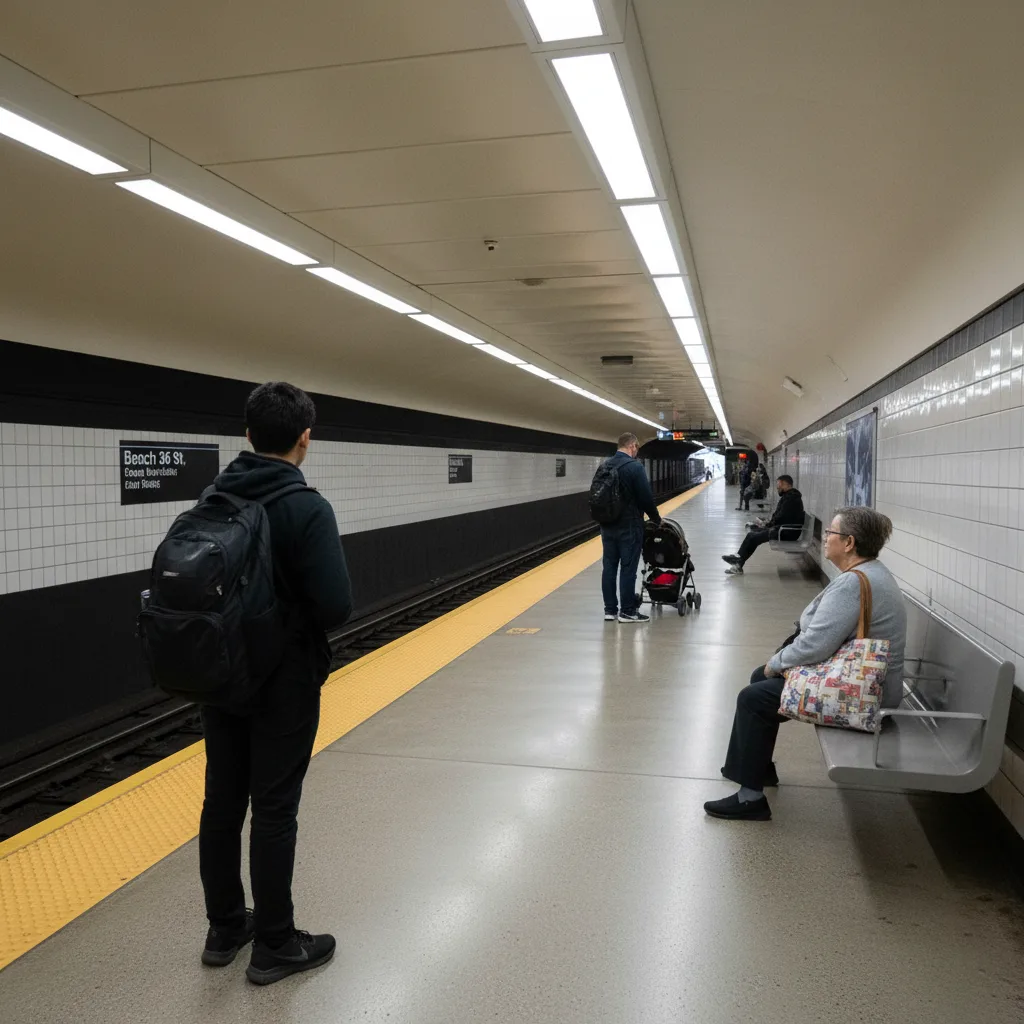
The MTA completed upgrades at three Rockaway A train stations, including new floors and brighter lights at Beach 60 St, Beach 36 St, and Beach 25 St.
NYC DOT Redoes Cross Bay Boulevard Repaving After Broad Channel Delays
The NYC Department of Transportation is redoing repaving work on Cross Bay Boulevard due to prior shoddy efforts, causing renewed traffic delays for Broad Channel residents as of November 11, 2026.
Far Rockaway Commuters See Upgrades at Three A Train Stations
The MTA completed upgrades at Beach 60 St, Beach 36 St, and Beach 25 St A train stations in Far Rockaway, including fresh paint, new floors, and brighter lights in November 2026.