


Cross Bay Boulevard Congestion Impacts Queens Residents Daily Commute

Enjoying the coverage?
A and S train changes, parking rules and road work, rounded up every Friday.
Sent every Friday. By subscribing, you agree to our Terms and Conditions and Privacy Policy.
NEW YORK — Cross Bay Boulevard, a critical artery traversing Queens, continues to be a persistent source of frustration for thousands of daily commuters and local residents. The 10-mile thoroughfare, which connects communities from Elmhurst down to the Rockaways, is regularly plagued by significant traffic congestion, a challenge that city planners and local officials are grappling with in 2026.
According to QNS, the boulevard's evolution from a colonial-era road into a modern traffic machine has brought both connectivity and considerable headaches. This growth has historically outpaced infrastructure updates, leading to bottlenecks and extended travel times impacting quality of life for many in the region. Residents often report adding substantial time to their commutes.
Historical Evolution of a Major Thoroughfare
The origins of Cross Bay Boulevard trace back centuries, initially serving as a pathway for early European settlers and Native American tribes navigating the diverse Queens landscape. Over time, particularly through the 20th century, its role transformed dramatically with the advent of the automobile and the development of the Rockaways as a popular leisure destination. What was once a relatively clear route became a primary conduit for residential and commercial traffic.
The Cross Bay Current Friday Briefing
A and S train changes, parking rules and road work, rounded up every Friday.
Sent every Friday. By subscribing, you agree to our Terms and Conditions and Privacy Policy.
The initial design of many sections of the boulevard predates contemporary urban planning principles that prioritize traffic flow and pedestrian safety. Expansions often occurred piecemeal, resulting in an intricate network of intersections and merging lanes that struggle to handle the sheer volume of vehicles seen today. This historical context provides important insights into current challenges.
Daily Commuter Woes and Local Business Strain
For residents living in neighborhoods like Broad Channel, Ozone Park, and Howard Beach, Cross Bay Boulevard is often the only direct route to other parts of Queens or Manhattan. Daily commutes can turn into hours-long ordeals, impacting schedules and increasing stress levels. Many commuters use the boulevard for accessing public transportation hubs.
Local businesses situated along Cross Bay Boulevard also feel the ripple effects of chronic congestion. Delivery trucks face delays, increasing operational costs and impacting supply chains for restaurants and retail establishments. Customers may also be deterred from visiting businesses if parking or access is perceived as too difficult, reducing foot traffic and sales.
Infrastructure Challenges and Proposed Solutions
The persistent traffic issues on Cross Bay Boulevard are not solely a matter of vehicle volume; they are deeply intertwined with the existing infrastructure. Numerous intersections lack modern traffic management systems, and the coordination of traffic lights often appears inefficient. The narrowness of certain segments further compounds the problem during peak hours.
City Council Member Joann Ariola, whose district includes parts of Cross Bay Boulevard, has consistently advocated for comprehensive traffic studies and infrastructure upgrades. Proposals have included synchronizing traffic signals, optimizing lane configurations, and potentially implementing smart traffic technology to respond dynamically to real-time conditions. Funding remains a significant hurdle for these ambitious projects.
Environmental and Quality of Life Impacts
Beyond the immediate inconvenience, prolonged traffic congestion has tangible environmental and public health consequences for Cross Bay Boulevard communities. Increased idling vehicles contribute to higher levels of air pollution, impacting respiratory health for residents, particularly children and the elderly. Noise pollution also diminishes the quality of life along the busy roadway.
Community groups like the Howard Beach Civic Association have frequently raised these concerns with city agencies, urging for interventions that not only ease traffic but also consider the holistic well-being of the surrounding neighborhoods. Reducing traffic can foster a more pedestrian-friendly environment. For more information on the ongoing traffic issues, a detailed report can be found at QNS's analysis of the boulevard's growth.
The Role of Public Transportation and Future Planning
Improving public transportation options along the Cross Bay Boulevard corridor is often cited as a crucial component of any long-term solution. Enhancing bus services, including dedicated bus lanes in congested areas, could incentivize more residents to leave their cars at home. The MTA continually evaluates routes for efficiency.
Urban planners are also exploring multimodal approaches, such as improving bicycle infrastructure and pedestrian walkways, to offer alternatives to vehicle dependence. Comprehensive planning for the year 2026 and beyond emphasizes creating more sustainable and accessible transportation networks. Collaborative efforts between various city departments will be essential.
Frequently Asked Questions About Cross Bay Boulevard Traffic
What causes the most traffic on Cross Bay Boulevard? The congestion on Cross Bay Boulevard is a complex issue stemming from a combination of high vehicle volume, outdated infrastructure, poorly synchronized traffic signals, and the road's role as a major connector to multiple communities and the Rockaways. The sheer number of vehicles attempting to use a limited number of lanes, especially during rush hour, is a primary factor.
Are there any current projects underway to alleviate congestion? As of 2026, several proposals are under review by the Department of Transportation (DOT) and local elected officials. These include studies into traffic signal optimization and potential lane reconfigurations at key intersections. Specific major construction projects aimed at widening the boulevard or adding new lanes are not widely announced at this time, largely due to cost and logistical challenges.
How does this traffic impact local businesses along the boulevard? Local businesses experience increased operational costs due to delayed deliveries, which can affect their profit margins. Moreover, potential customers may choose to avoid the area due to perceived difficulties in access or parking, leading to reduced foot traffic and sales for retail stores and restaurants alike. Timely and efficient transportation is vital for the local economy.
What can residents do to stay informed about traffic conditions? Residents are encouraged to use real-time traffic applications for daily commuting, subscribe to local news updates from outlets like QNS, and attend community board meetings where transportation issues are often discussed. Engaging with local civic associations can also provide insights and opportunities to voice concerns directly to officials.
Has the city considered alternative routes or bypasses? Due to the urban density and geographical constraints of Queens, creating entirely new bypasses for Cross Bay Boulevard is extremely challenging. Most discussions focus on optimizing the existing infrastructure and enhancing public transit options rather than constructing entirely new roadways. The goal is to maximize the efficiency of current resources.
The Cross Bay Current Friday Briefing
A and S train changes, parking rules and road work, rounded up every Friday.
Sent every Friday. By subscribing, you agree to our Terms and Conditions and Privacy Policy.
Related Articles
More in Transportation & Traffic →
MTA Announces Rockaway Park Shuttle Service Changes for Weekend
The MTA announced significant service changes for the Rockaway Park Shuttle from November 20 to November 23, 2026, suspending weekend operations.
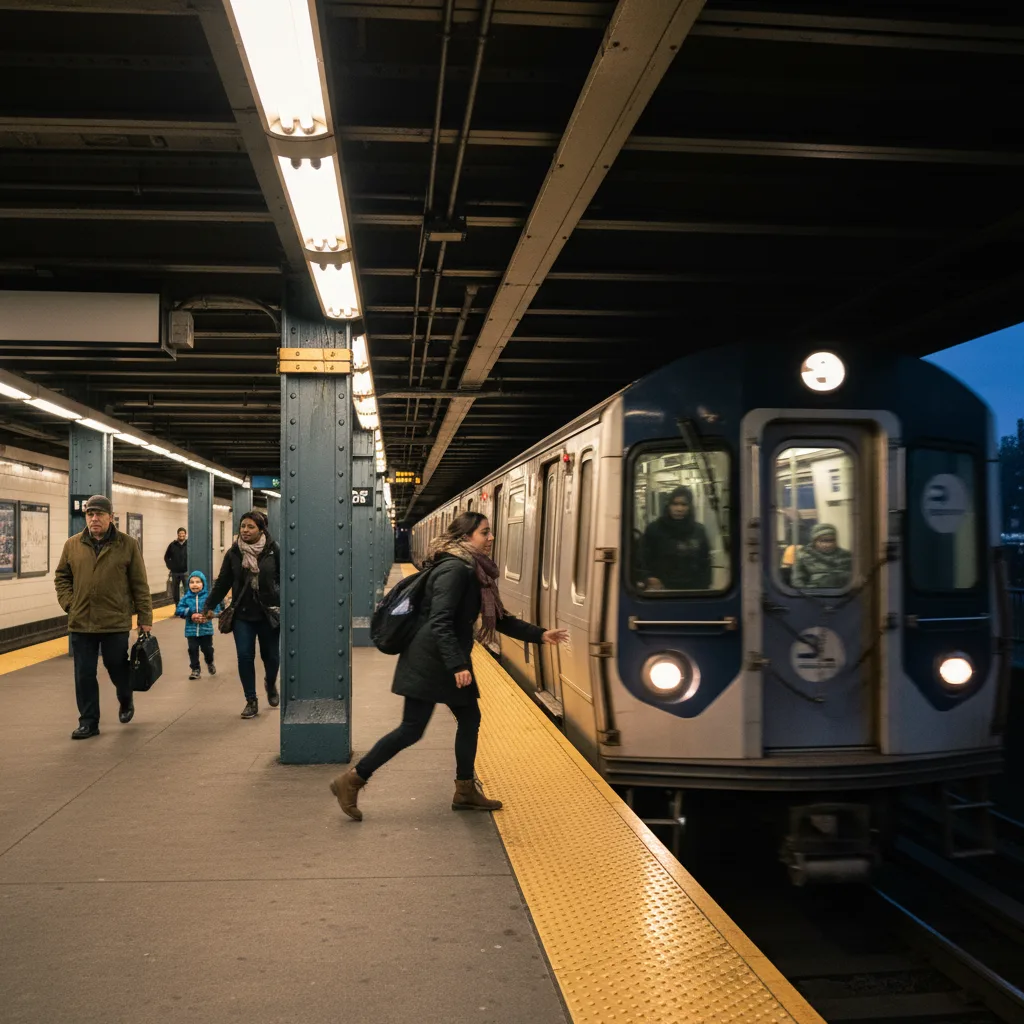
MTA Returns A Train Service to Lefferts Boulevard After 9-Day Closure
The MTA restored full A train service to Ozone Park-Lefferts Boulevard at 5 a.m. on Monday, November 16, 2026, after a nine-day suspension.
New Overnight Detour and Lane Closures Impact Queens Drivers
Queens drivers will experience an overnight eastbound detour off the Roosevelt Avenue Bridge over the Van Wyck starting Wednesday, and Cross Island Parkway lane closures at the Hillside Avenue Bridge beginning Monday.
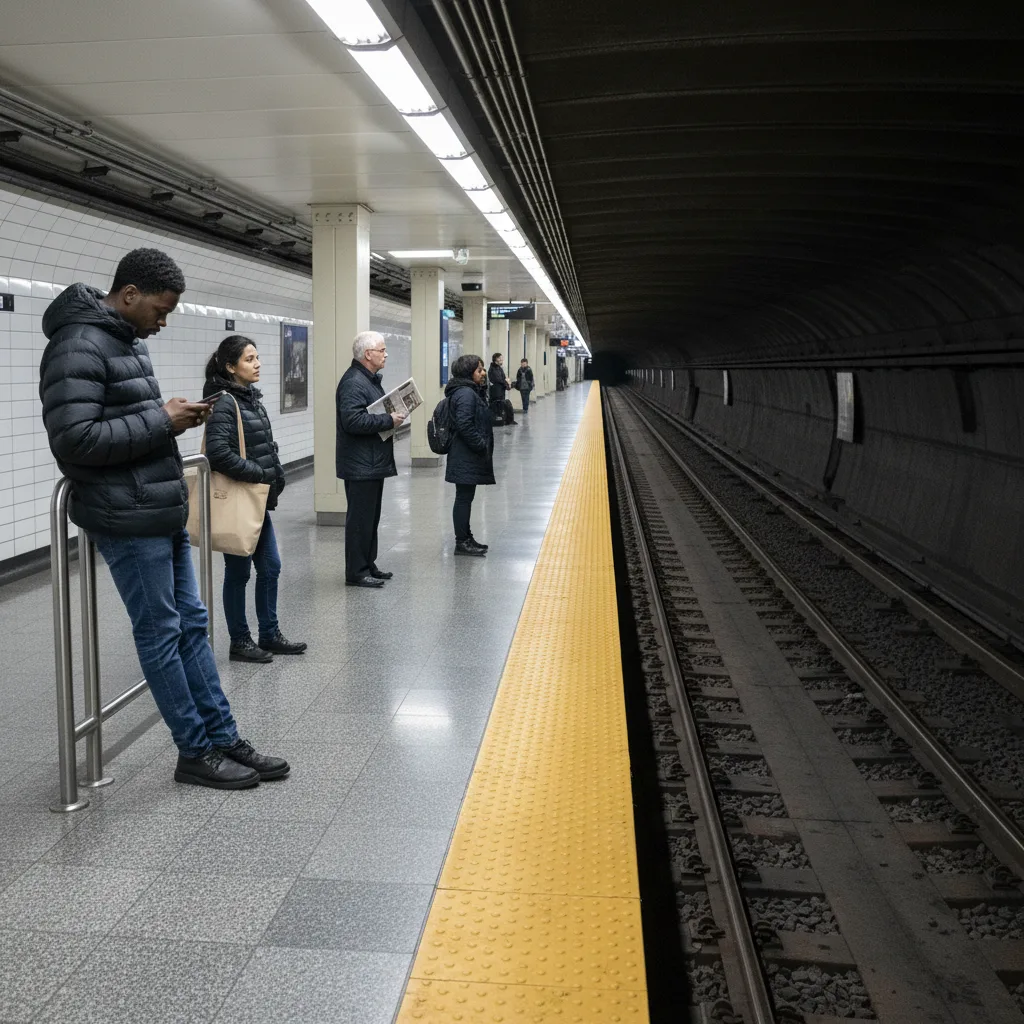
Rockaway MTA Completes Station Upgrades at Beach 60, 36, and 25 Streets
The MTA completed upgrades at three Rockaway A train stations, including new floors and brighter lights at Beach 60 St, Beach 36 St, and Beach 25 St.
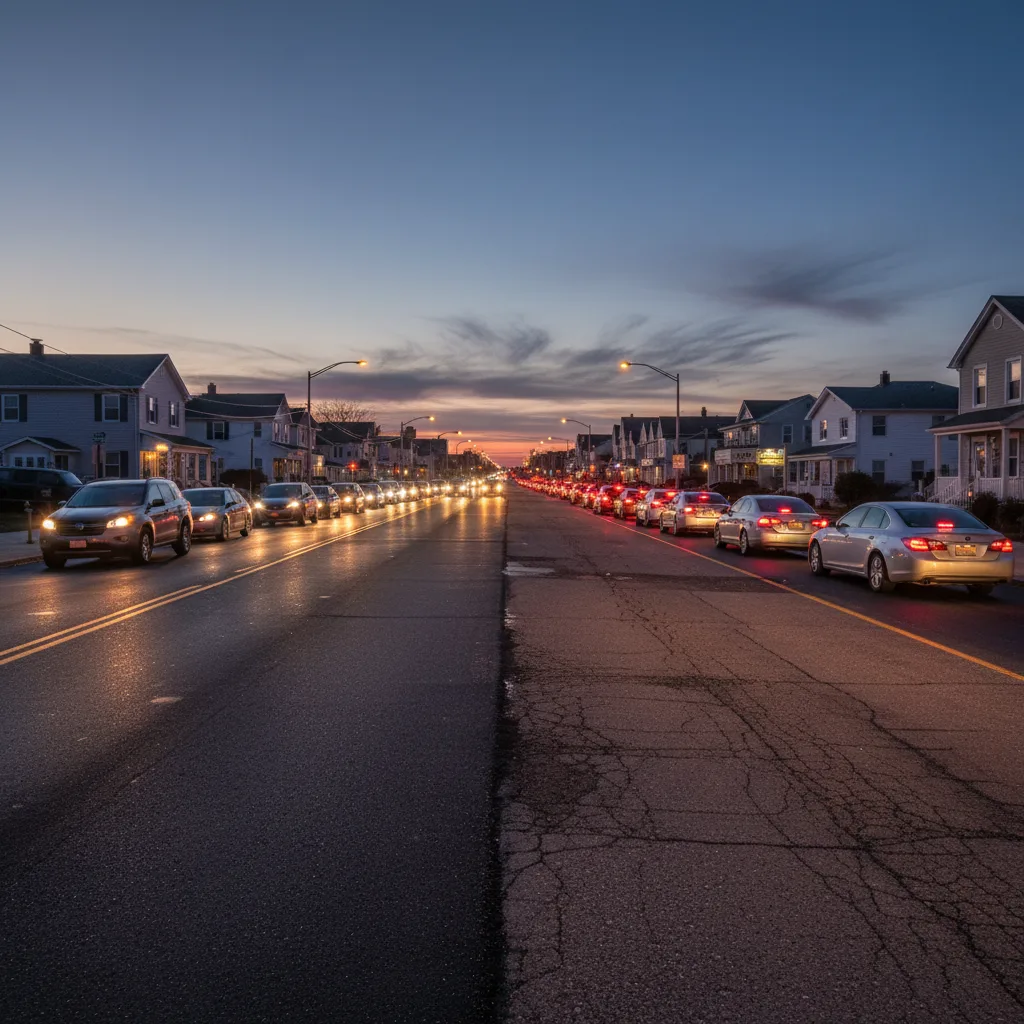
NYC DOT Redoes Cross Bay Boulevard Repaving After Broad Channel Delays
The NYC Department of Transportation is redoing repaving work on Cross Bay Boulevard due to prior shoddy efforts, causing renewed traffic delays for Broad Channel residents as of November 11, 2026.
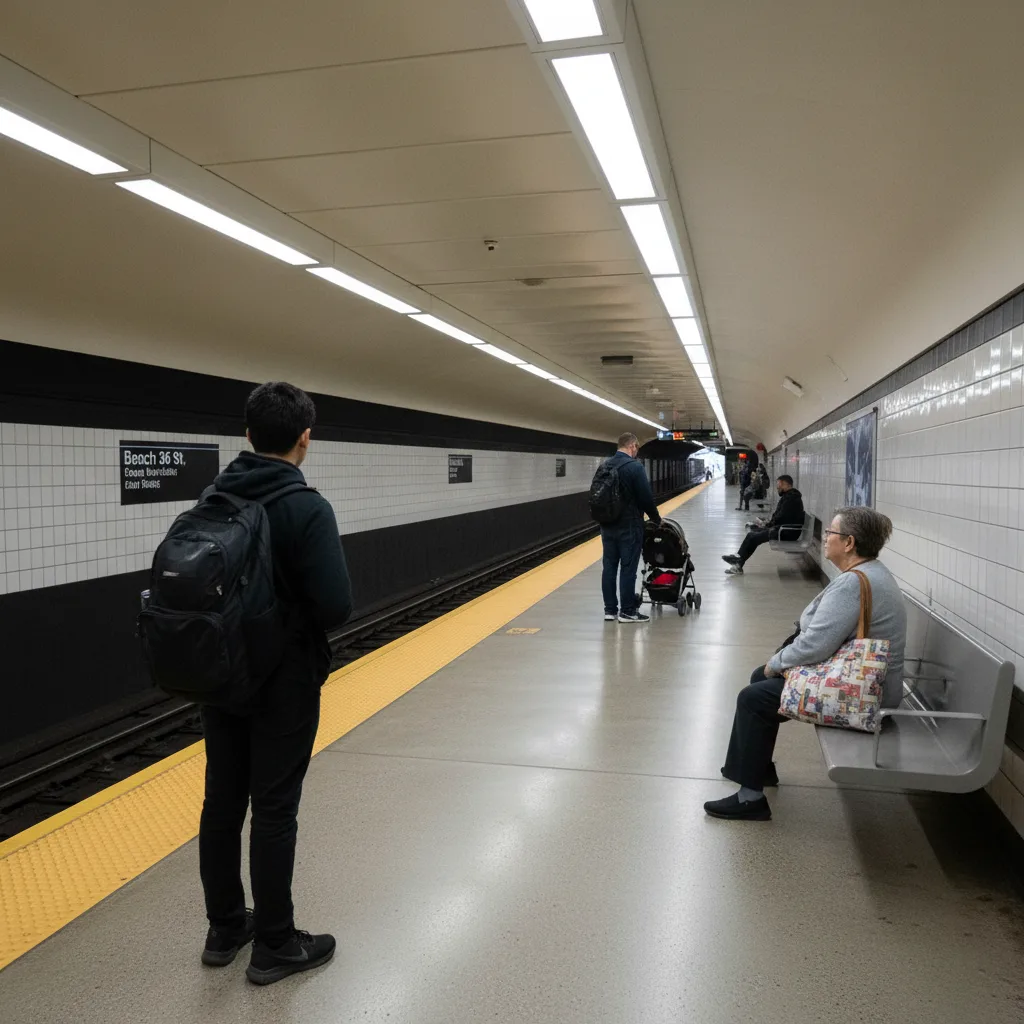
Far Rockaway Commuters See Upgrades at Three A Train Stations
The MTA completed upgrades at Beach 60 St, Beach 36 St, and Beach 25 St A train stations in Far Rockaway, including fresh paint, new floors, and brighter lights in November 2026.