


Cross Bay Boulevard Floods: March 2026 Storm Snarls Queens Traffic

NEW YORK — A powerful rainstorm in March 2026 brought widespread disruptions and hazardous conditions to Cross Bay Boulevard, significantly impacting traffic flow and daily commutes for Queens residents. The severe weather event led to extensive flooding in several low-lying areas along the boulevard, challenging the city's drainage infrastructure. This caused significant delays for drivers and public transport users, underscoring the vulnerability of key transportation routes to extreme weather.
The storm, characterized by heavy rainfall over several hours, quickly overwhelmed storm drains and created impassable sections of the road. Emergency services, including the NYPD and the Department of Sanitation, were deployed to manage traffic and clear debris. Residents reported significant property damage in some areas, prompting calls for improved flood mitigation strategies along the corridor.
Storm Impact and Traffic Chaos
The March 2026 storm transformed parts of Cross Bay Boulevard into temporary waterways, bringing vehicle movement to a near standstill. Commuters faced frustrating delays, with many opting to abandon their vehicles or seek alternative routes. The sudden onset and intensity of the rainfall caught many off guard, despite earlier weather advisories. The disruptions highlighted the critical role of the boulevard in Queens' transportation network.
"My morning commute, which usually takes 20 minutes, turned into an hour and a half nightmare," recounted Michael Chen, a Howard Beach resident. He described cars stalled in high water and drivers attempting risky U-turns on the flooded street. The traffic chaos extended to feeder roads, exacerbating congestion across South Queens.
Public transportation, including MTA bus services along Cross Bay Boulevard, experienced significant rerouting and delays. This created additional challenges for residents reliant on buses to reach their destinations. The event underscored the need for resilient infrastructure capable of withstanding increasingly frequent severe weather events. For details on traffic disruptions, refer to Cross Bay News reports.
Infrastructure Resilience and Future Planning
In the aftermath of the storm, city officials have renewed discussions about the long-term resilience of Queens' infrastructure, particularly along coastal areas and major thoroughfares like Cross Bay Boulevard. The Department of Environmental Protection (DEP) is assessing the performance of existing drainage systems and identifying areas for improvement. Climate change projections indicate a likelihood of more intense rainfall events.
Council Member Joann Ariola called for expedited investment in upgrading stormwater management systems. "We cannot afford to have our critical arteries paralyzed by every major storm," Ariola stated during a press conference. She emphasized the importance of green infrastructure solutions, such as permeable pavements and rain gardens, to absorb excess water.
Engineering teams are exploring innovative solutions to enhance the capacity of storm sewers and prevent future flooding incidents. This includes evaluating the potential for large-scale infrastructure projects that could protect vulnerable sections of the boulevard. The goal is to build a more robust and adaptive infrastructure capable of handling future climate challenges effectively.
Community Concerns and Property Damage
Beyond traffic disruptions, the March 2026 storm caused significant concern among homeowners and businesses located along Cross Bay Boulevard. Many reported basement flooding, property damage, and power outages. The financial burden of repairs adds to the stress experienced by affected residents.
Local insurance agents have noted an increase in claims related to water damage, prompting them to advise residents on flood preparedness and the importance of appropriate insurance coverage. Community forums are being organized to provide resources and guidance to those recovering from storm-related losses. The community response highlights the shared impact of such weather events.
Residents are also urging city officials to consider comprehensive zoning and land-use planning that accounts for future flood risks. This involves a collaborative approach between city agencies, community groups, and environmental experts. The collective aim is to safeguard properties and livelihoods in the face of environmental changes.
Official Responses and Remediation Efforts
City agencies, including the Department of Transportation (DOT) and DEP, immediately launched remediation efforts following the storm. Crews worked around the clock to clear debris, pump out standing water, and inspect road surfaces for damage. The focus was on quickly restoring normalcy to the crucial Cross Bay Boulevard corridor.
The Mayor's Office released a statement acknowledging the severity of the storm's impact and pledging full support for recovery efforts. They also announced a review of emergency response protocols to ensure even more efficient coordination during future weather events. This proactive stance aims to minimize disruptions and protect residents more effectively.
Furthermore, the city is encouraging residents to sign up for NYC Emergency Management alerts to receive timely warnings about severe weather. Being prepared and informed is a critical component of community resilience. These alerts provide crucial information, allowing residents to take necessary precautions before a storm hits. For continuous updates on severe weather and its impact, local news sources such as Cross Bay News offer comprehensive coverage.
Frequently Asked Questions About Urban Flooding
Many residents are asking what they can do to protect their homes from flooding. Simple measures include ensuring gutters and downspouts are clear, elevating valuables in basements, and checking if your home is in a flood-prone area requiring flood insurance. Having a emergency kit ready is also highly recommended. Understanding local flood zones is an important first step for preparedness.
Another common question relates to reporting localized flooding. Residents can report standing water or blocked storm drains to 311. For immediate emergencies where lives or property are at risk, always dial 911. Prompt reporting helps city agencies respond efficiently and mitigate further damage. Staying informed about weather forecasts and city advisories is crucial for urban residents.
Written by
Newstrix
Cross Bay Current
Related Articles
More in Development & Infrastructure →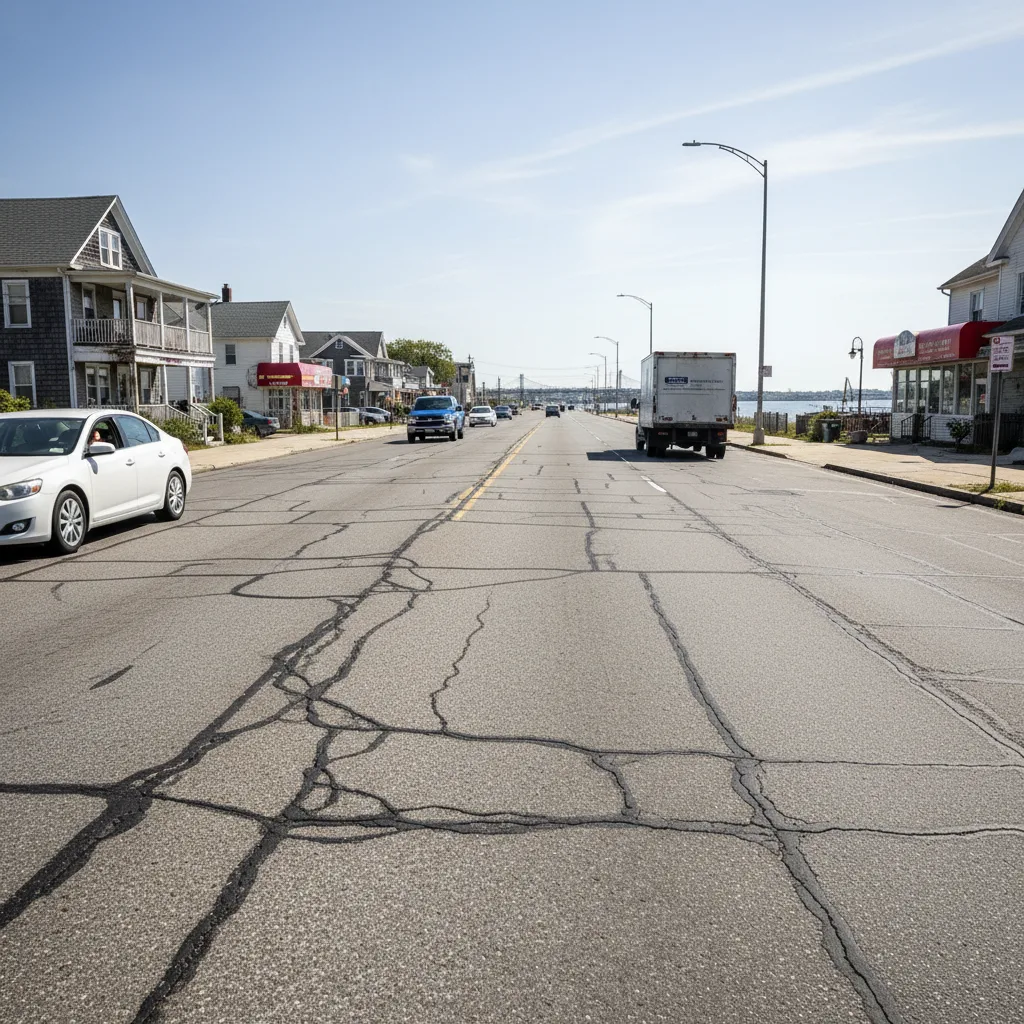
City Councilwoman Joann Ariola Labels Cross Bay Boulevard Repaving 'Abominable'
City Councilwoman Joann Ariola labeled the Cross Bay Boulevard repaving 'abominable,' echoing resident dissatisfaction with the NYC DOT's work in Broad Channel.
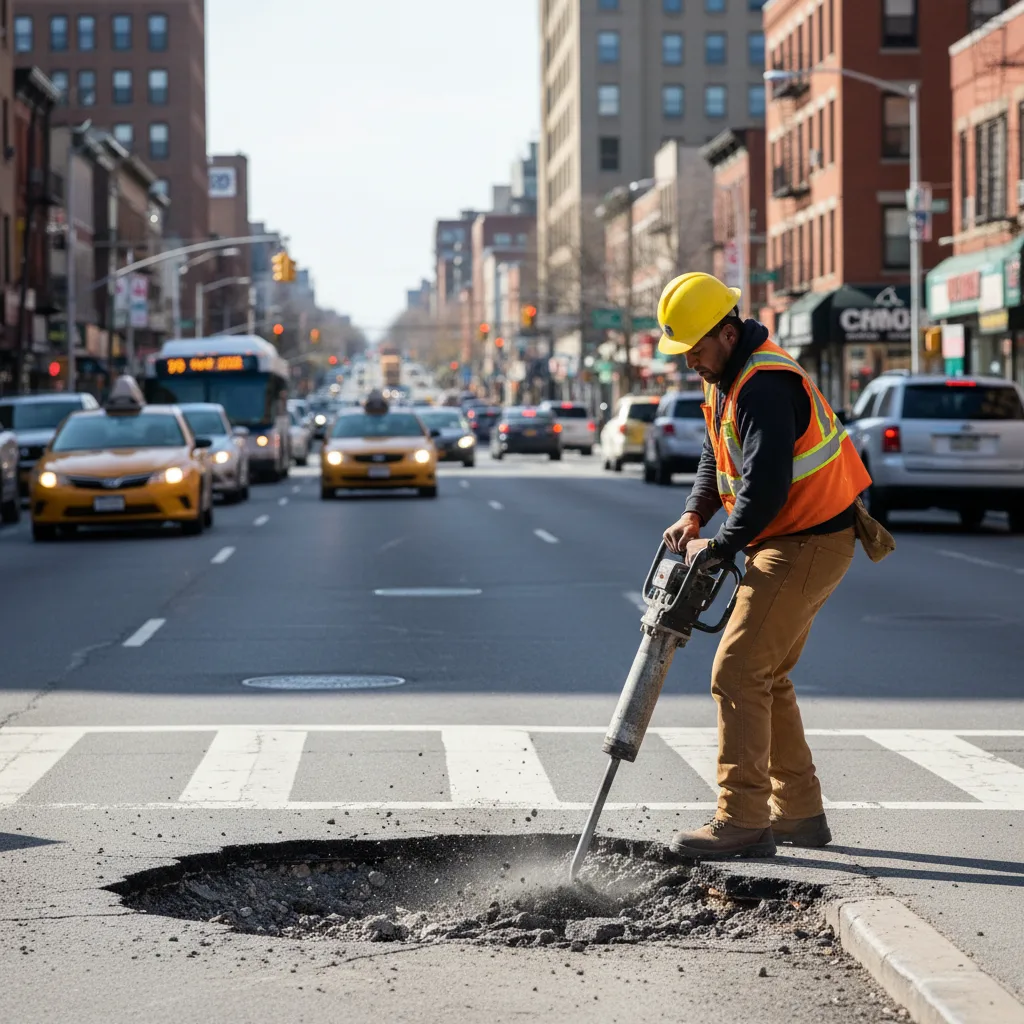
Cross Bay Boulevard Begins $15M Safety & Traffic Calming Project 2026
A $15 million multi-phase project has begun on Cross Bay Boulevard in Queens, enhancing pedestrian safety and mitigating vehicle speeds, with phase one concluding in late 2026.

Mayor Adams Unveils $35M Cross Bay Boulevard Waterfront Revitalization Plan 2026
Mayor Eric Adams unveiled a $35 million plan to revitalize the Cross Bay Boulevard waterfront, transforming the Rockaways' gateway and boosting quality of life for Queens residents.
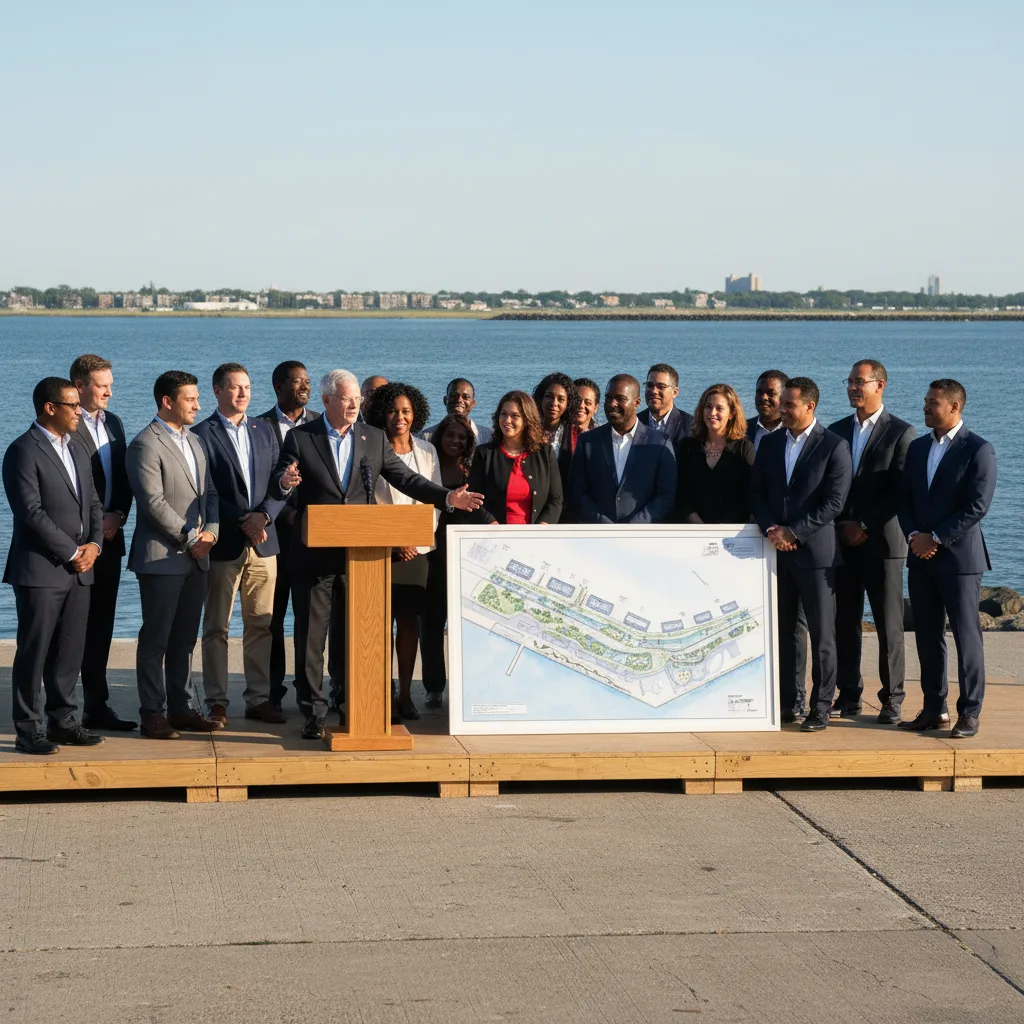
Mayor Adams Unveils $35 Million Cross Bay Boulevard Waterfront Revitalization
Mayor Eric Adams unveiled a $35 million revitalization plan for the Cross Bay Boulevard waterfront, transforming the Rockaways' gateway and enhancing Queens quality of life.
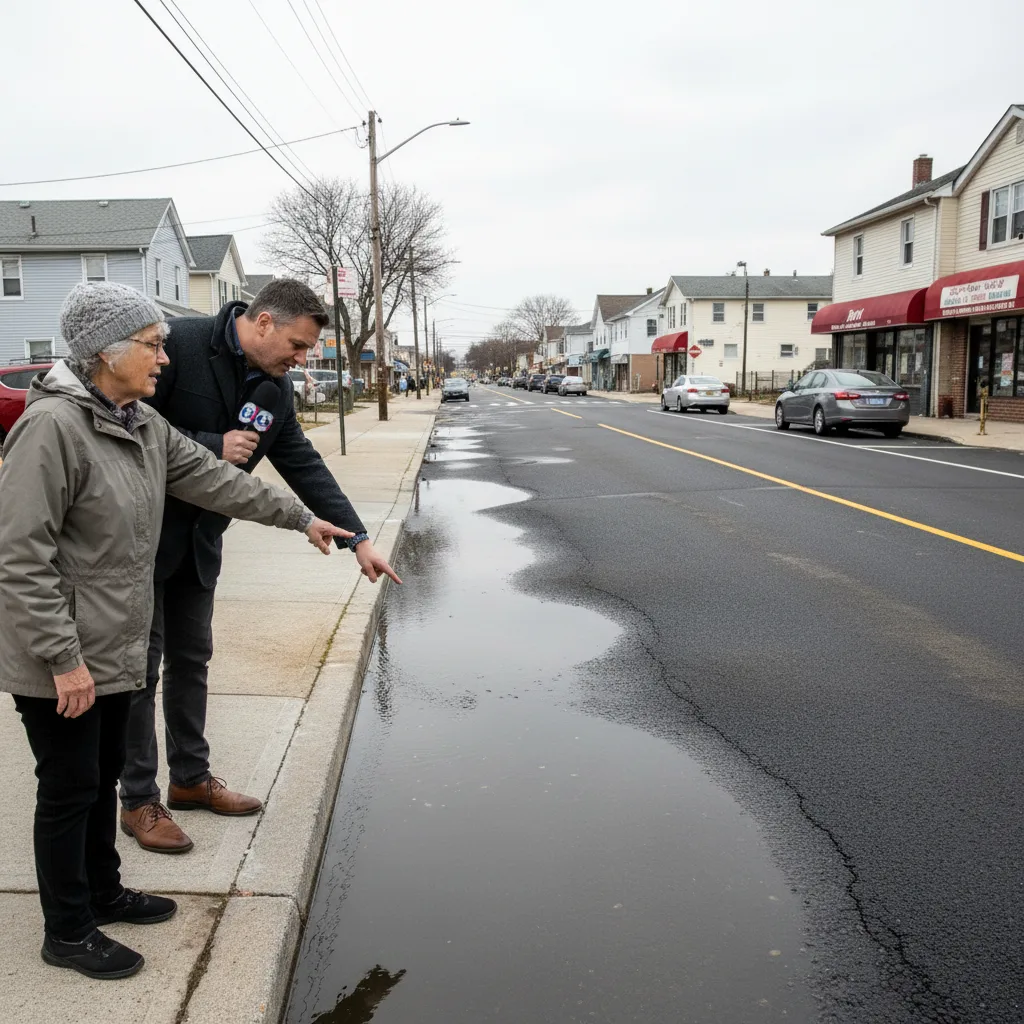
Councilwoman Ariola Slams "Abominable" Cross Bay Boulevard Repaving
Councilwoman Joann Ariola slammed the "abominable" repaving of Cross Bay Boulevard in Queens, igniting local outrage. Residents demand city accountability for the poorly executed project.
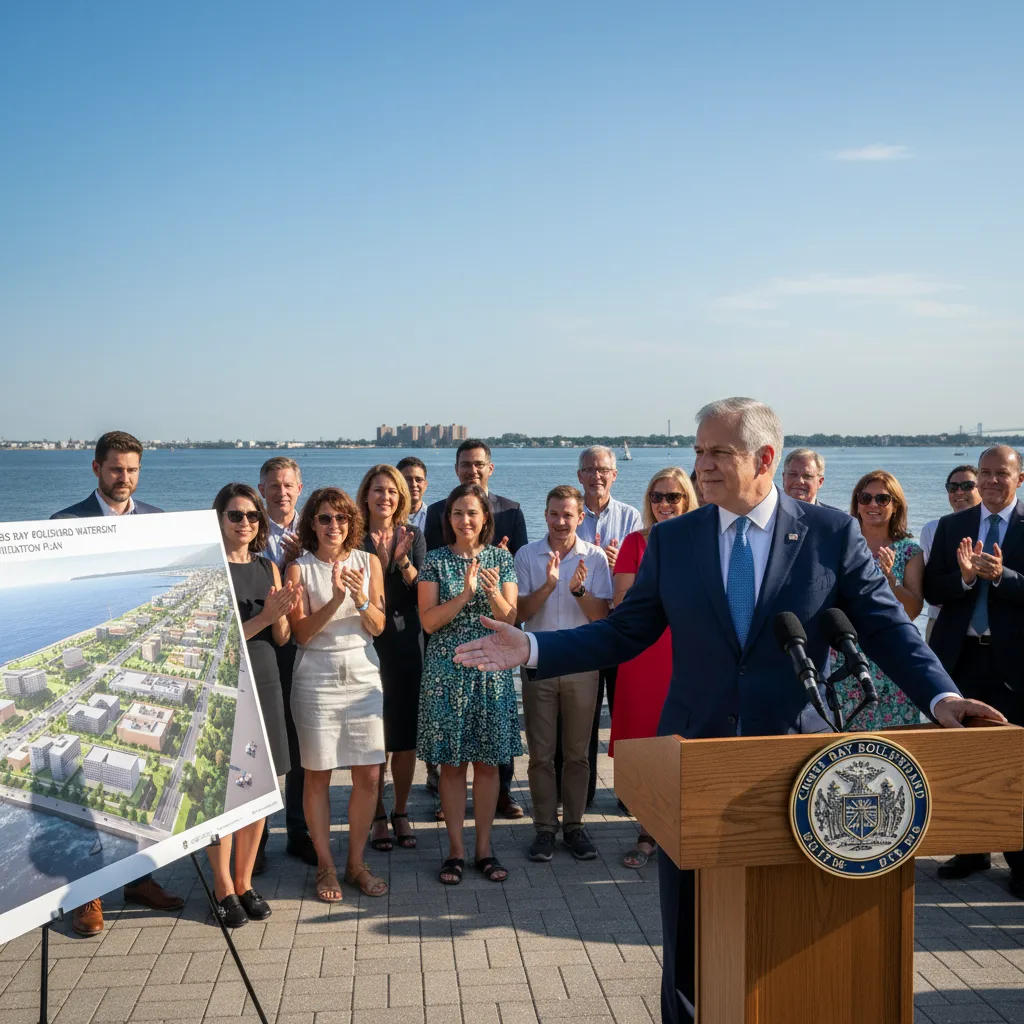
Mayor Adams Unveils $35 Million Cross Bay Boulevard Waterfront Plan 2026
Mayor Eric Adams unveiled a $35 million revitalization plan for Cross Bay Boulevard waterfront, transforming the Rockaways' gateway and enhancing Queens' quality of life.