


Cross Bay Boulevard Residents Face Higher Gas Prices Amid Iran War Fallout

NEW YORK — Residents along Cross Bay Boulevard are feeling the pinch of significantly higher gas prices, a direct consequence of the escalating conflict in Iran. The global economic fallout, characterized by the International Monetary Fund (IMF) as an “abruptly darkened” outlook, has quickly translated into tangible financial strain for Queens commuters.
Local conversations, from the Howard Beach Starbucks to the bustling shops near the boulevard, reflect widespread worry over the impact on daily budgets. Community leaders are now pushing for federal aid to mitigate the rising costs.
Global Tensions Reverberate Locally
The IMF’s recent warning highlighted the immediate and severe impact of the Iran conflict on the global economy. This assessment came after face-to-face talks between the United States and Iran concluded on Sunday without an agreement, leaving a fragile two-week ceasefire in doubt.
This international instability has directly influenced oil markets, causing a sharp increase in gasoline prices at the pumps along Cross Bay Boulevard. For many Queens residents, particularly those who rely on vehicles for work or family responsibilities, these price hikes present a substantial challenge.
“My commute to Manhattan already takes a huge chunk of my paycheck,” lamented Maria Rodriguez, a mother of two grabbing coffee at the Howard Beach Starbucks. “Now, with gas prices going up nearly 50 cents a gallon in the last week, it’s hitting my budget really hard. Something has to give.”
Community Board Calls for Federal Intervention
At a recent community board meeting, members discussed the pressing issue of rising gas prices and their effects on local families and businesses. There was a consensus on the need for immediate action to protect residents from economic hardship.
Council Member Jessica Chang, representing parts of the Cross Bay Boulevard area, voiced her intent to lobby federal representatives for financial assistance. “Our residents are already grappling with inflation,” Chang stated. “This geopolitical crisis should not disproportionately punish working families in Queens. We need federal support, whether it’s through gas tax relief or direct aid, to cushion this blow.”
The discussion also included concerns from local small business owners about increased operational costs and potential impacts on their supply chains. For a broader perspective on Queens economic impact reports, local stakeholders can consult recent analyses.
Fishermen and Businesses Face Supply Chain Delays
The impact of the Iran conflict extends beyond just gas prices for consumers. Fishermen operating out of the nearby marina, vital to local seafood restaurants, report significant delays in their supply chains.
Rising fuel costs for their boats, coupled with potential disruptions to global shipping routes, threaten to increase the price of fresh seafood. This could affect the livelihoods of local fishermen and the affordability of goods for residents.
Restaurant owners along Cross Bay Boulevard, who depend on reliable and affordable supplies, are closely monitoring the situation. Many fear that the increased costs will either force them to raise menu prices or absorb the losses, neither of which is a sustainable option.
Residents Stockpile Essentials Amid Shortage Fears
Conversations near the boulevard shops reveal growing anxiety about potential shortages of other essential goods. Some residents are already taking steps to stock up on household staples, driven by fears of broader economic instability.
Empty shelves at local supermarkets or delayed deliveries would compound the existing stress on families. This behavior, while understandable, can also contribute to temporary shortages and further price increases.
“I’ve started buying a bit more than usual, just in case,” admitted Michael DeMarco, a long-time resident shopping at a Cross Bay Boulevard grocery store. “Remember what happened during the pandemic? It’s better to be prepared.” This echoes a sentiment of apprehension among many shoppers.
Long-Term Outlook and Local Resilience
The long-term economic outlook for Queens, particularly areas like Cross Bay Boulevard, remains uncertain as the international situation evolves. The resilience of local businesses and residents will be tested by these external pressures.
However, the community has a history of adapting to challenges, from natural disasters to economic downturns. Local business alliances are discussing strategies to support each other and minimize the impact on consumers. The IMF's assessment can be read in full detail at global economic outlook amid ongoing tensions.
Community organizations are also exploring ways to connect residents with resources for financial assistance and support during these trying times. The ability of local networks to provide aid and information will be crucial in navigating the coming months.
Frequently Asked Questions About Iran War Impact on Queens
Why are gas prices rising significantly on Cross Bay Boulevard? Gas prices are increasing due to the global economic fallout from the Iran conflict, which has impacted oil markets and supply chains. This situation was highlighted by the International Monetary Fund. What actions are local leaders taking in response to rising costs? Community board members and Council Member Jessica Chang are lobbying for federal aid, such as gas tax relief or direct assistance, to help Cross Bay Boulevard residents cope with higher expenses. How are local businesses and fishermen affected? Local fishermen face higher fuel costs and potential supply chain delays, while Cross Bay Boulevard businesses are bracing for increased operational costs and potential disruptions to their inventory. Are residents concerned about shortages of other goods? Yes, many residents are expressing concerns about potential shortages of other essential goods and have begun to stock up, driven by fears of broader economic instability.
Written by
Newstrix
Cross Bay Current
Related Articles
More in Local Economy & Business →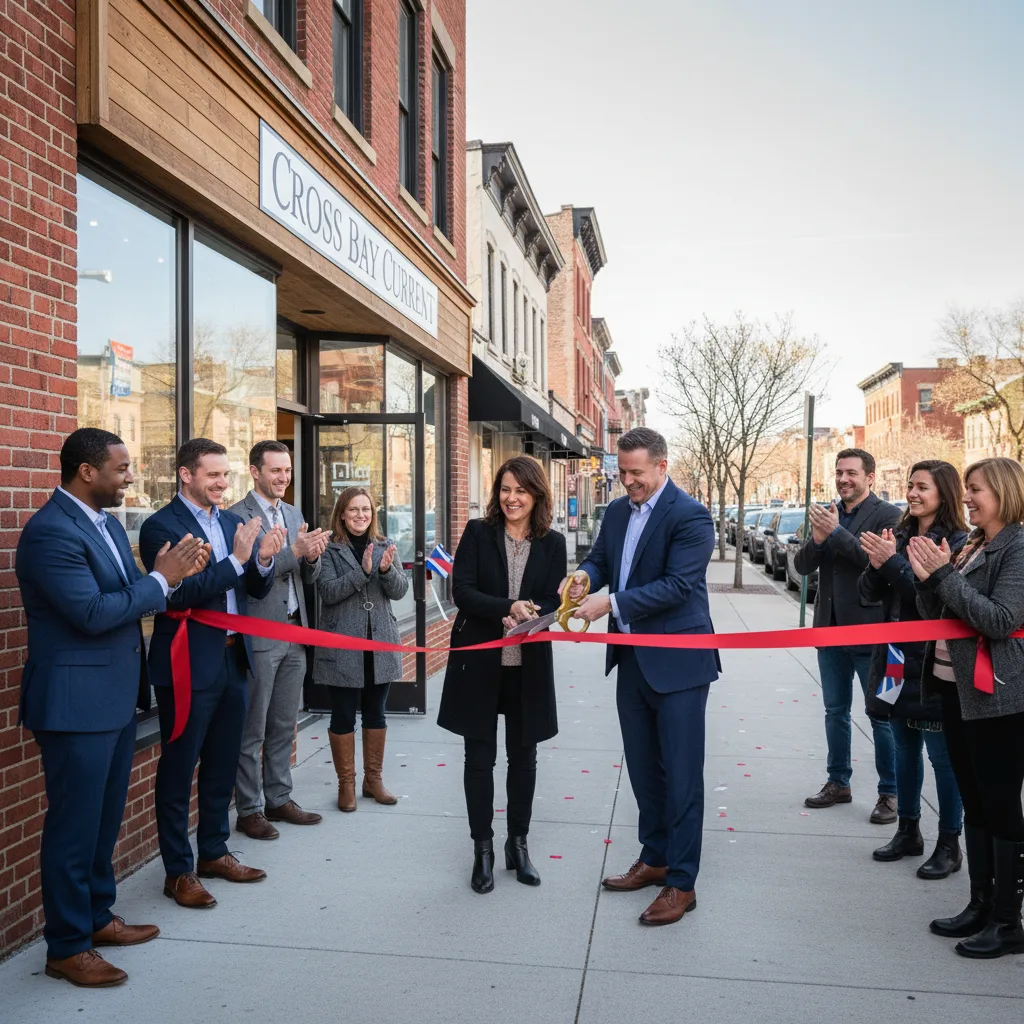
Cross Bay Boulevard Welcomes New Business with Grand Opening
A new business officially opened at 156-36 Cross Bay Boulevard with a ribbon-cutting ceremony on Friday, September 18, 2026, signaling local growth.
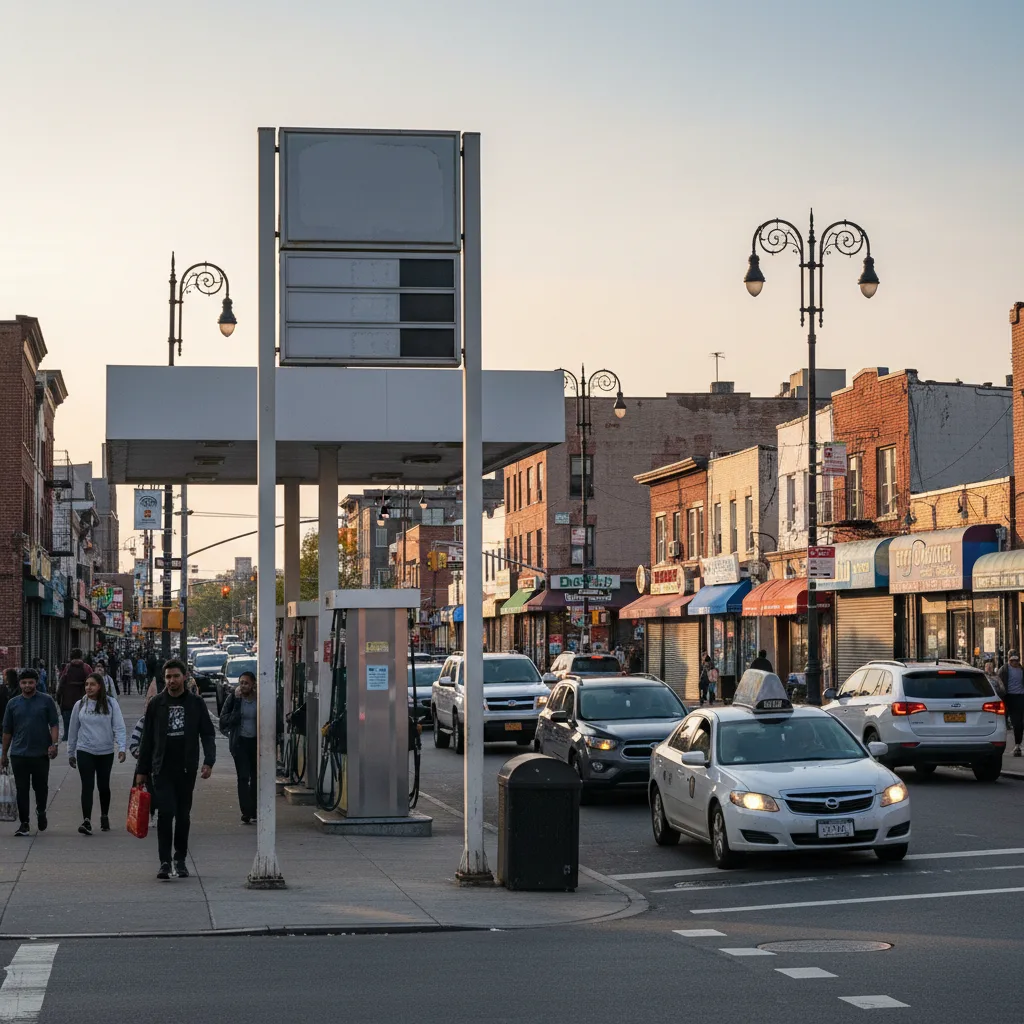
Iran's Foreign Minister Travels to China Amid West Asia Tensions
Iran's foreign minister travels to China amid West Asia tensions. Cross Bay Boulevard residents worry about oil prices, shipping, and local family budgets.
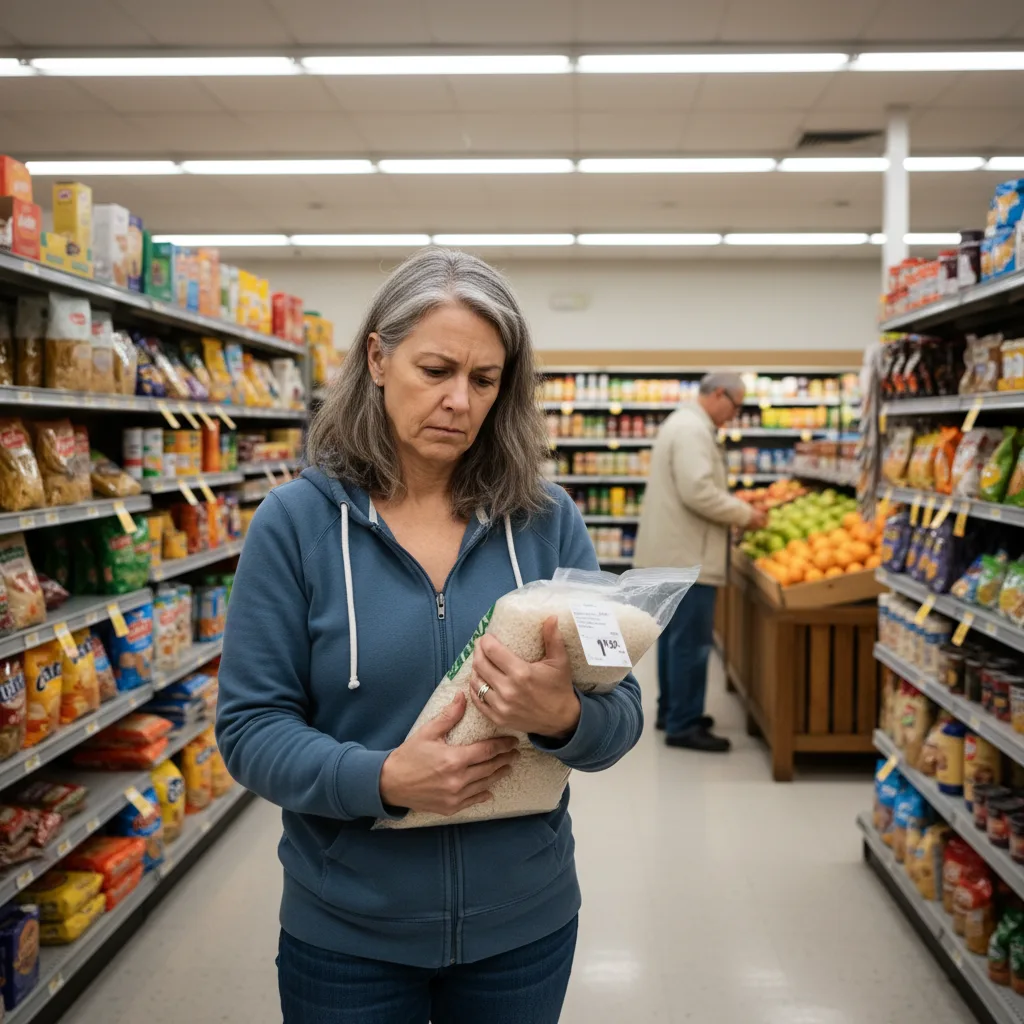
Queens Residents Brace for Trade Shocks as WTO Warns of Risks
The WTO warns of major global trade risks. Queens residents on Cross Bay Boulevard worry about rising prices for groceries and imports, preparing for supply delays.
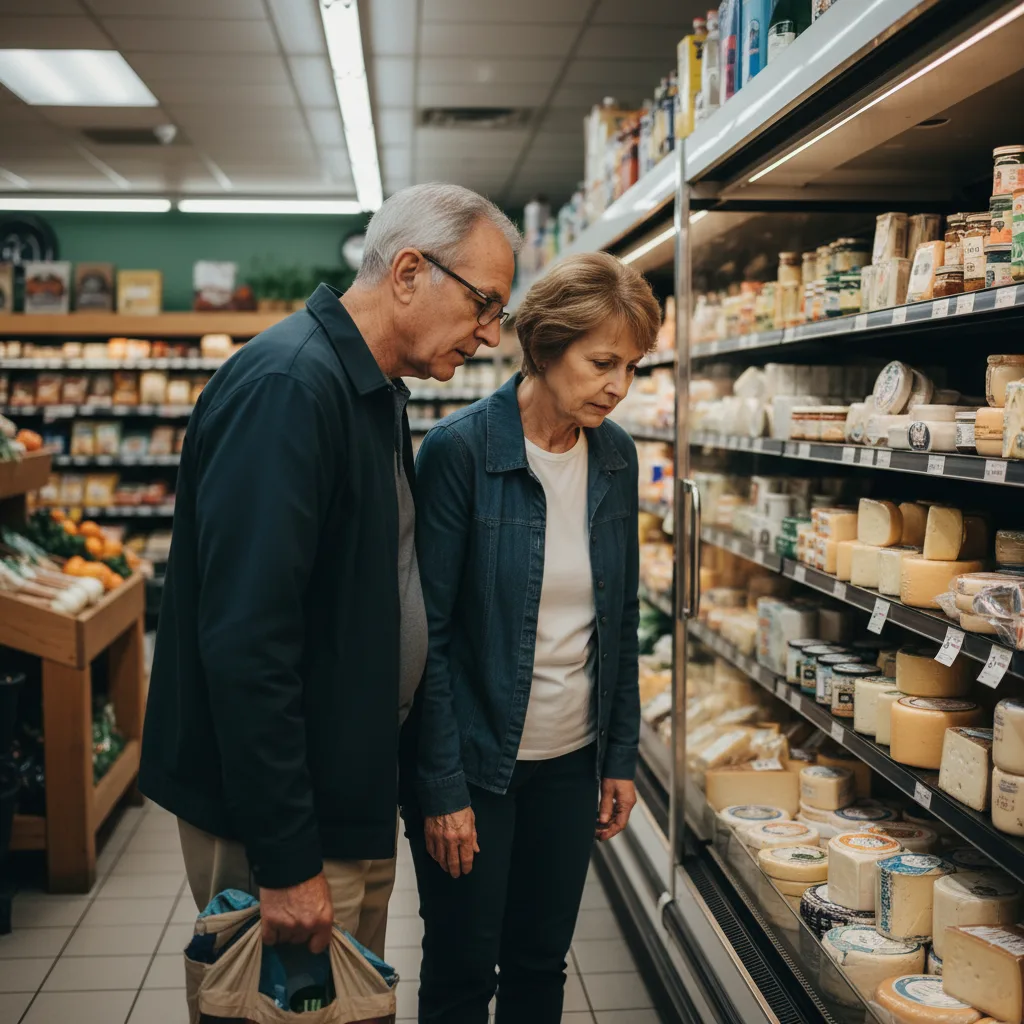
Saudi Arabia Forms Maritime Coalition, Cross Bay Boulevard Reacts
Saudi Arabia launched a maritime coalition to protect shipping lanes. Cross Bay Boulevard residents fear higher prices and trade disruption if global tensions escalate.
Irish Whiskey Tariff Removal: Queens Businesses Eye Trade Impact 2026
Donald Trump announced plans to scrap the 10% tariff on Irish whiskey, a move that could impact Queens businesses along Cross Bay Boulevard and influence consumer prices.

Queens Residents Discuss Trump's Stance on Chinese Car Manufacturing
Cross Bay Boulevard residents discuss Trump’s stance on Chinese car manufacturing in the US, debating impacts on local jobs and vehicle prices.