


Lights Out for Wildlife? Cross Bay Boulevard Considers Its Environmental Footprint Near Jamaica Bay

As conservation efforts make headlines globally, such as Maine's initiative to 'switch the lights off for conservation' on January 27, 2026, communities along Cross Bay Boulevard in Queens are similarly turning their attention to local environmental stewardship. With its unique position bordering the vast Jamaica Bay Wildlife Refuge, this corridor has a critical role to play in protecting the delicate ecosystems of one of New York City's most significant natural assets. The issue of light pollution, often overlooked, is gaining traction as residents and environmental groups recognize its impact on migratory birds, aquatic life, and even human health, prompting a reevaluation of local lighting practices.
The Jamaica Bay Wildlife Refuge, a crucial stopover for thousands of migratory bird species, is particularly vulnerable to artificial light at night. Excessive streetlights, commercial signage, and residential outdoor lighting can disorient birds, disrupt their nocturnal behaviors, and interfere with their migration patterns. This isn't just about birds; light pollution also affects insects, marine life in the bay, and the overall balance of the local ecosystem. The conservation movement in Maine, which aims to reduce energy consumption and preserve natural night skies, serves as an inspiring example for how local action can make a substantial difference, urging Cross Bay Boulevard residents to consider their own environmental footprint and embrace more sustainable lighting solutions.
Protecting Jamaica Bay's Delicate Ecosystem
The proximity of Cross Bay Boulevard to Jamaica Bay means that the decisions made by businesses and homeowners regarding outdoor lighting can have a direct and measurable impact on the wildlife. Environmental advocates are calling for a more conscious approach to lighting, promoting the use of shielded fixtures that direct light downwards, reducing unnecessary illumination, and considering amber or red-spectrum lights that are less disruptive to nocturnal animals. These small changes, if widely adopted, could significantly reduce light trespass into the refuge, allowing species like owls, bats, and various shorebirds to navigate and forage more naturally. Educational campaigns are being planned for local schools and community centers to raise awareness among residents about the importance of 'dark skies' for the health of Jamaica Bay, emphasizing that preserving this natural wonder is a shared responsibility for all who live and work along Cross Bay Boulevard.
Community Action for a Darker, Healthier Night
Local civic associations and environmental groups are exploring potential partnerships with the City of New York and the National Park Service (which manages parts of Jamaica Bay) to implement targeted light pollution reduction strategies. This could include upgrading municipal streetlights on and around Cross Bay Boulevard with wildlife-friendly alternatives and encouraging local businesses to adopt 'dark sky friendly' practices. For residents, simple steps like turning off outdoor lights when not needed, using motion sensors, and installing downward-facing light fixtures can contribute immensely. The goal is to balance safety and visibility with ecological responsibility, ensuring that future generations can continue to enjoy the vibrant biodiversity of Jamaica Bay. Just as Maine takes steps for its wildlife, Cross Bay Boulevard is poised to become a beacon of environmental consciousness in Queens, safeguarding its natural heritage for years to come and setting an example for other urban-natural interfaces.
Key Points:
- Inspired by Maine's conservation efforts on January 27, 2026, Cross Bay Boulevard is focusing on its environmental footprint.
- Light pollution from the corridor impacts Jamaica Bay Wildlife Refuge's migratory birds and other wildlife.
- Environmental advocates promote shielded, downward-facing, or amber lights to reduce light trespass.
- Community education and partnerships with city agencies are crucial for implementing 'dark sky friendly' practices.
- Residents can contribute by using motion sensors and turning off unnecessary outdoor lights to protect Jamaica Bay's ecosystem.
Written by
Newstrix
Cross Bay Current
Related Articles
More in Environment →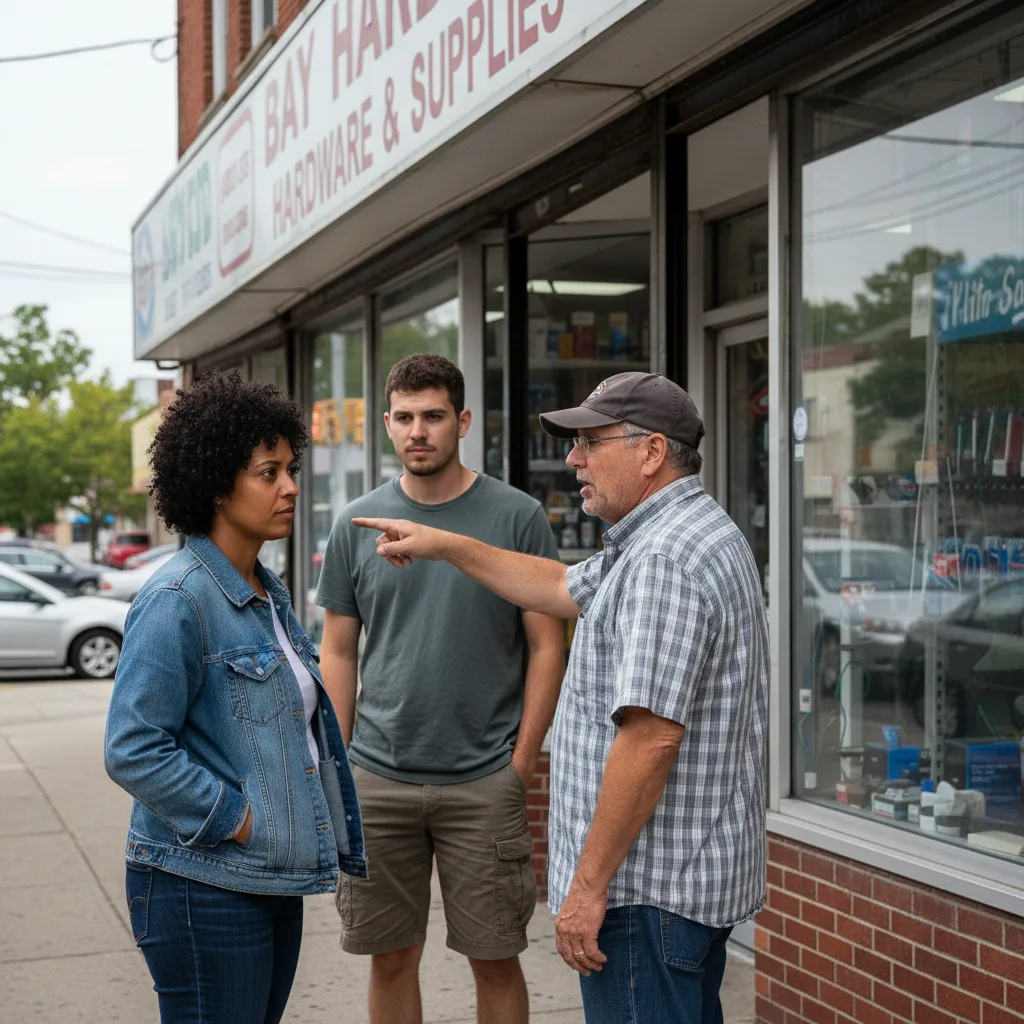
Queens Residents Discuss Nepal-China Flood Devastation
Queens residents on Cross Bay Boulevard discuss Nepal-China floods, drawing parallels to local concerns over flood-prone areas and storm preparedness.
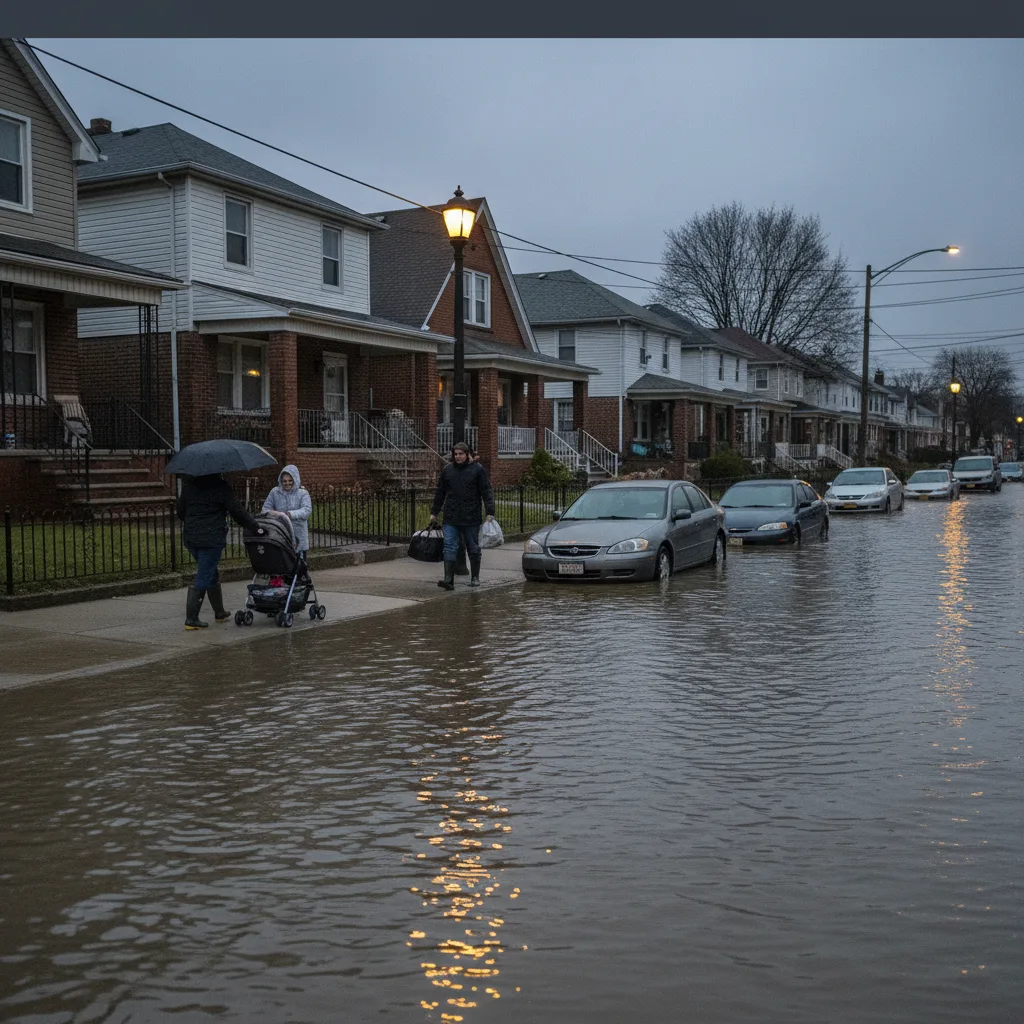
Howard Beach Tackles Rising Tides, Coastal Flooding Concerns 2026
Howard Beach is battling rising tides and coastal flooding this week, as full and new moons combine with rain to inundate neighborhoods like Old Howard Beach, Queens. The community mobilizes against the ongoing water challenges.
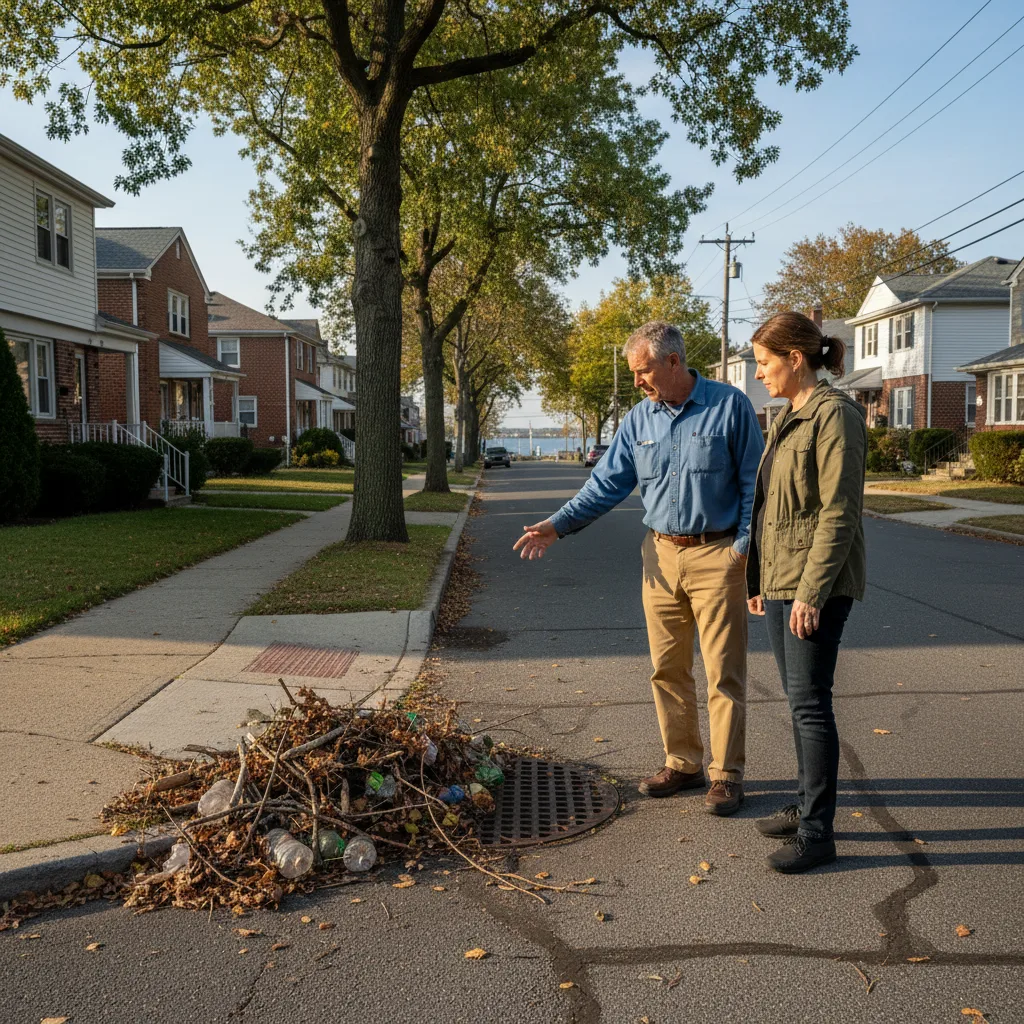
Cross Bay Boulevard Residents Discuss Global Flood Preparedness
Cross Bay Boulevard residents are discussing the Nepal-China floods, prompting local concerns about flood preparedness and NYC's infrastructure in coastal areas.
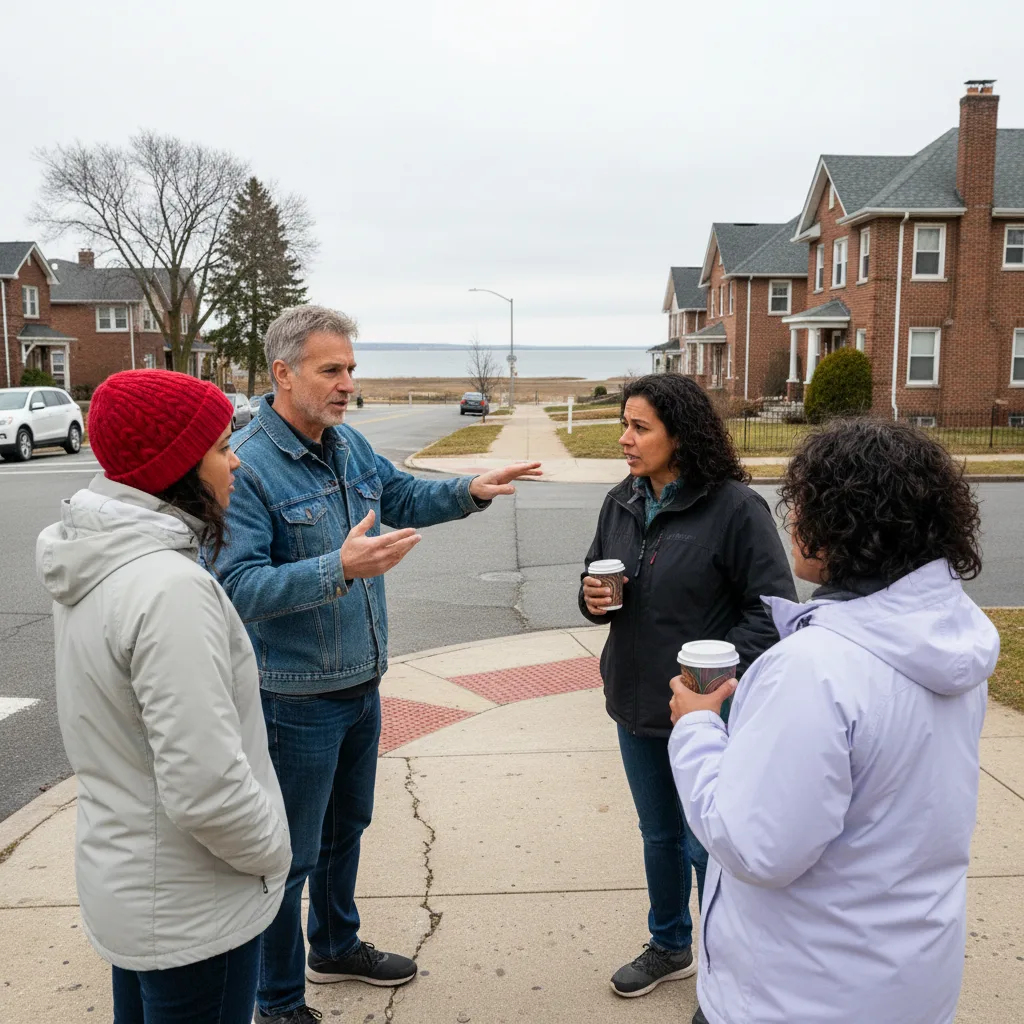
Cross Bay Boulevard Families Concerned Over Nepal Flood Casualties
Queens residents along Cross Bay Boulevard are deeply concerned about the Nepal-China flood disaster, prompting local discussions on emergency preparedness and infrastructure.
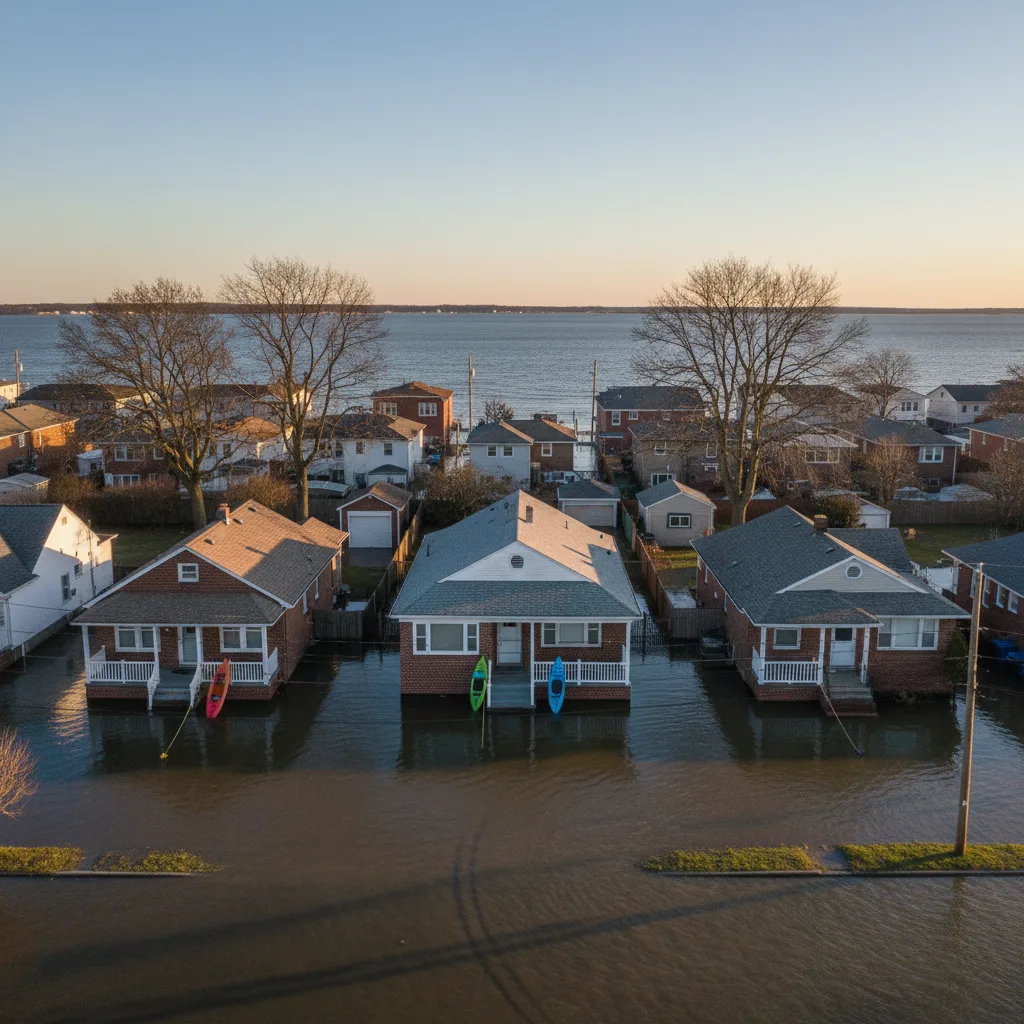
Queens Neighborhoods Targeted for Voluntary Flood Buyout Programs
Vulnerable Queens neighborhoods, including those along Cross Bay Boulevard, may be targeted for voluntary flood buyout programs by the city. This addresses rising extreme weather concerns.
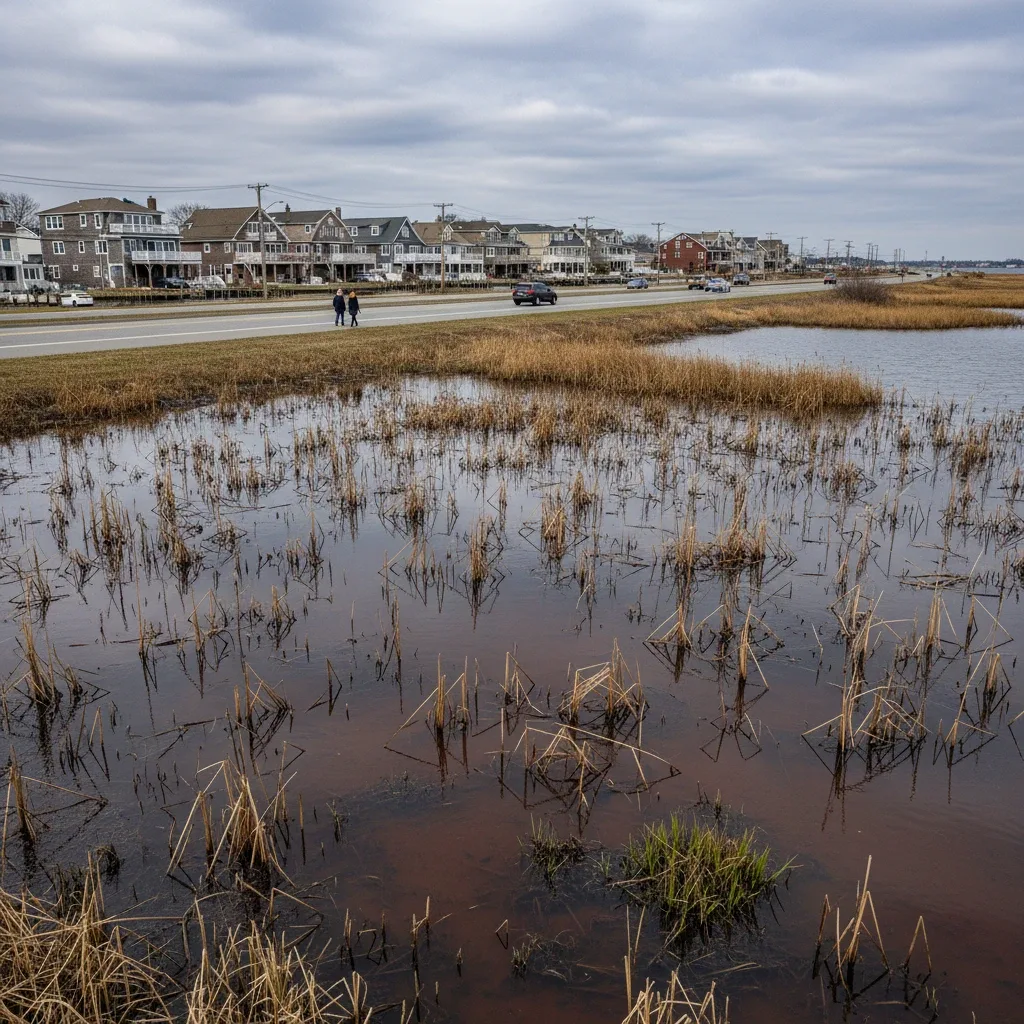
Environmental Concerns Emerge Near Cross Bay Boulevard, Queens 2026
A report by New York Focus and Queens Daily Eagle uncovered pressing environmental concerns near Cross Bay Boulevard, affecting residents and ecosystems in Queens.