


Cross Bay Boulevard: March 2026 Rainstorm Causes Major Gridlock

NEW YORK — A heavy rainstorm on March 19, 2026, brought Cross Bay Boulevard in Queens to a severe gridlock, causing extensive traffic delays and hazardous conditions that paralyzed local travel. The sudden downpour overwhelmed urban drainage systems, leading to widespread water accumulation and impassable sections along the crucial artery.
Commuters and residents experienced unprecedented delays, with many vehicles stranded for hours. The incident highlighted persistent challenges in urban infrastructure and emergency response coordination during extreme weather events, according to reports from city traffic authorities.
Unprecedented Gridlock Paralyzes Commutes
The morning rush hour transformed into a chaotic standstill as drivers encountered severe flooding and bumper-to-bumper traffic across the length of Cross Bay Boulevard. Travel times skyrocketed, with some commuters reporting journeys of several hours for distances that typically take minutes.
Traffic cameras showed long lines of immobilized vehicles stretching from the mainland portions of Queens down through Broad Channel and towards the Rockaways. The widespread nature of the gridlock frustrated thousands and underscored the artery's importance to regional mobility, as captured by local news footage.
Contributing Factors to the Traffic Collapse
The intense rainfall was a primary factor, but the gridlock was exacerbated by specific vulnerabilities in the boulevard's design and infrastructure. Known bottlenecks, such as the approach to the North Channel Bridge and several low-lying intersections, quickly became choke points as water accumulated.
Aging drainage systems struggled to cope with the sudden influx of water, leading to rapid street flooding that made many lanes impassable. This forced drivers into fewer operational lanes, creating a cascading effect that brought traffic to a complete halt, according to NYC Department of Environmental Protection (DEP) engineers.
Commuter Stories of Frustration and Disruption
Residents shared countless stories of the day's ordeal. Michael Chen, a delivery driver, recounted being stuck for four hours trying to cross Broad Channel. "My entire schedule was ruined, and I lost a day's worth of wages," he stated, reflecting the economic impact on gig economy workers.
Parents struggled to pick up children from school, and many appointments were missed. The collective frustration across social media platforms indicated the widespread anger and helplessness felt by those trapped in the gridlock, as observed in online community forums.
City Planning and Future Traffic Flow Improvements
In response to recurring traffic and flooding issues, city planners are re-evaluating long-term strategies for Cross Bay Boulevard. Efforts include studies on redesigning key intersections and improving overall traffic flow through smart signal technology.
However, these plans are often complex and require significant funding and coordination between multiple city agencies. The March 2026 gridlock serves as a critical data point for accelerating these discussions and prioritizing investment in resilient infrastructure, as discussed in public workshops.
Economic Consequences and Calls for Resilience
The economic consequences of such severe gridlock extend beyond individual lost wages. Local businesses suffer from reduced customer access and increased operational costs due to delayed deliveries. The reputation of Cross Bay Boulevard as a reliable thoroughfare also takes a hit, potentially affecting tourism and local commerce. You can review past discussions on this at Cross Bay News.
Community leaders are advocating for a comprehensive resilience plan that addresses both flooding and traffic management. They argue that investing in robust infrastructure now will prevent far greater economic losses and ensure the vitality of the communities connected by Cross Bay Boulevard.
Frequently Asked Questions About Cross Bay Boulevard Gridlock
Residents often inquire about specific city plans to alleviate traffic gridlock and prevent future recurrences. The NYC Department of Transportation (DOT) is continuously analyzing traffic patterns and considering solutions like adaptive traffic signals, lane reconfigurations, and improved signage. For long-term flood resilience, which directly impacts traffic flow, the Department of Environmental Protection (DEP) is working on drainage upgrades. Community members are encouraged to attend local community board meetings for updates and to voice their concerns. Additional information regarding traffic engineering can be found at Cross Bay News.
Written by
Newstrix
Cross Bay Current
Related Articles
More in Transportation & Traffic →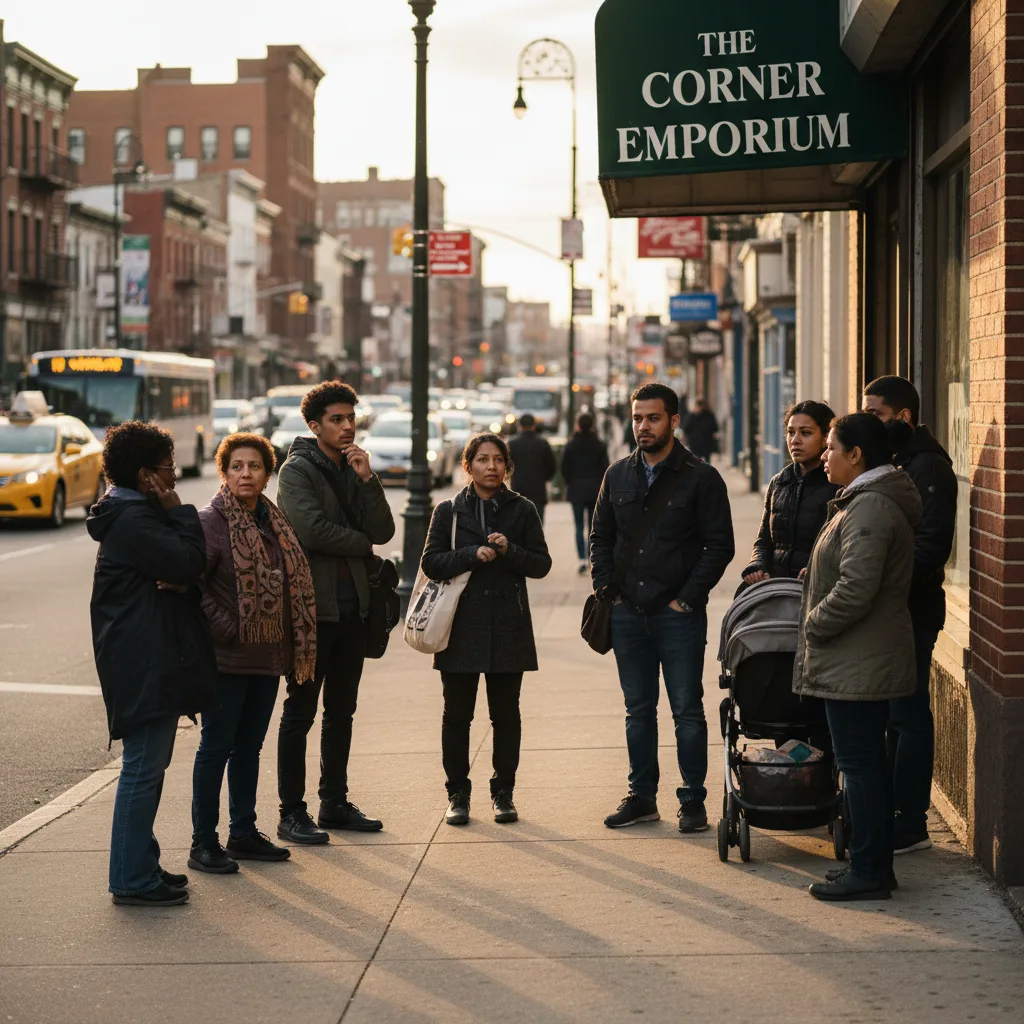
Cross Bay Boulevard Residents Anxious After Indonesia Ferry Disaster
Cross Bay Boulevard residents express anxiety over the Indonesia ferry disaster, drawing comparisons to local NYC transit safety, affecting those with overseas ties.
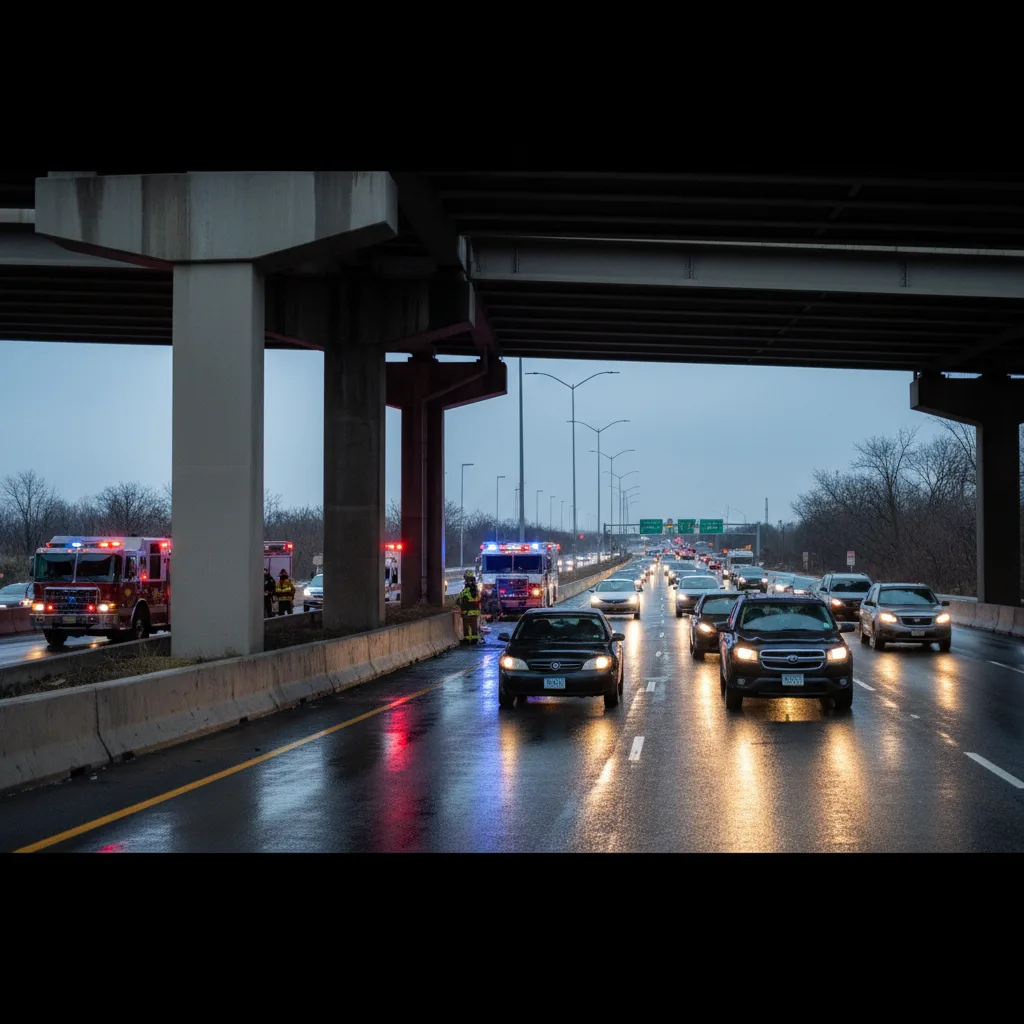
Howard Beach News Reports Vehicle Collision, Q41 Bus Updates
Howard Beach News reported a vehicle collision near Cross Bay Blvd and Belt Pkwy, Q41 bus updates, and beach closures due to Hurricane Erin on Sept. 11, 2026, impacting local travel.
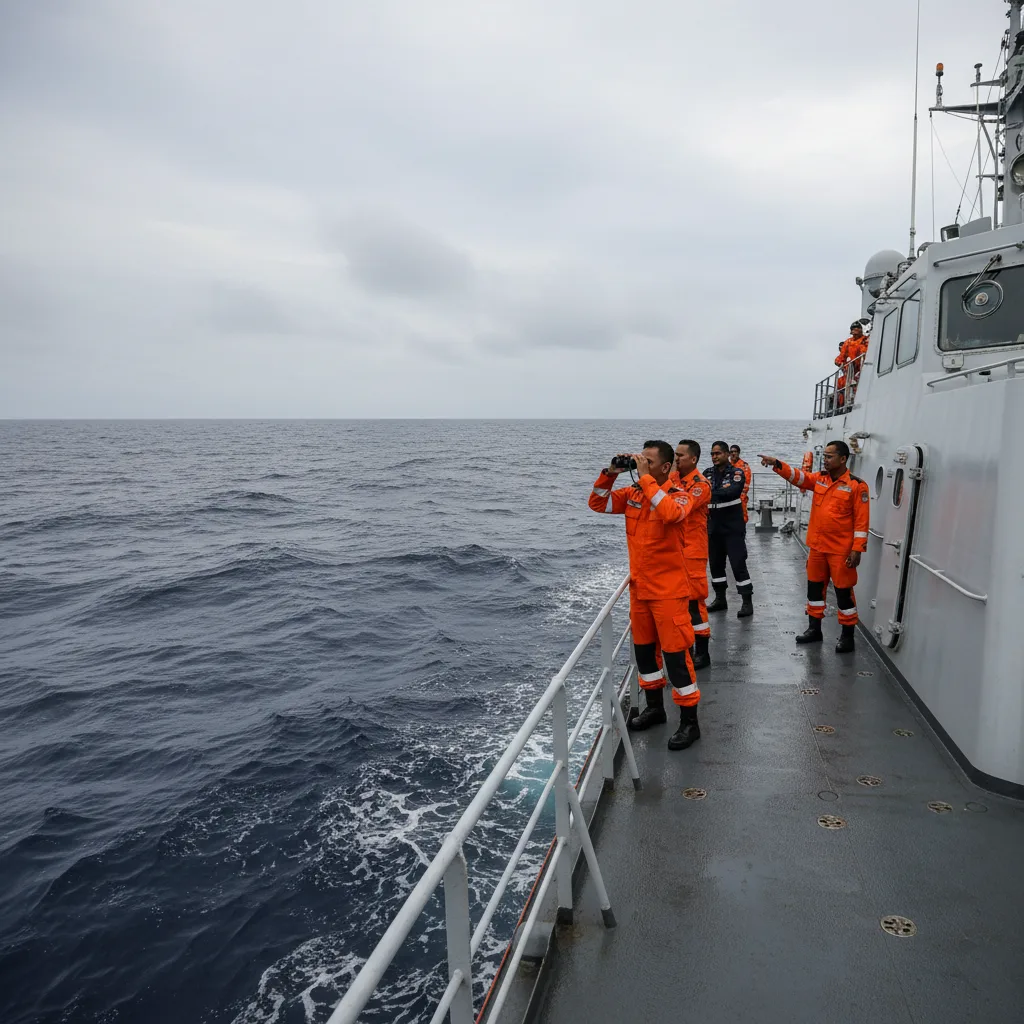
Indonesia Disaster: Rescuers Search for 140 After Java Sea Ship Incident
Rescue teams are searching for 140 people after an Indonesian passenger ship lost contact in the Java Sea. The disaster sparks local travel safety discussions.

Cross Bay Boulevard Commuters Face Travel Anxiety After Ferry Disaster Off Vanuatu
Cross Bay Boulevard commuters face heightened travel anxiety after a ferry sank off Vanuatu, leaving one dead and over 30 missing, prompting local safety discussions.
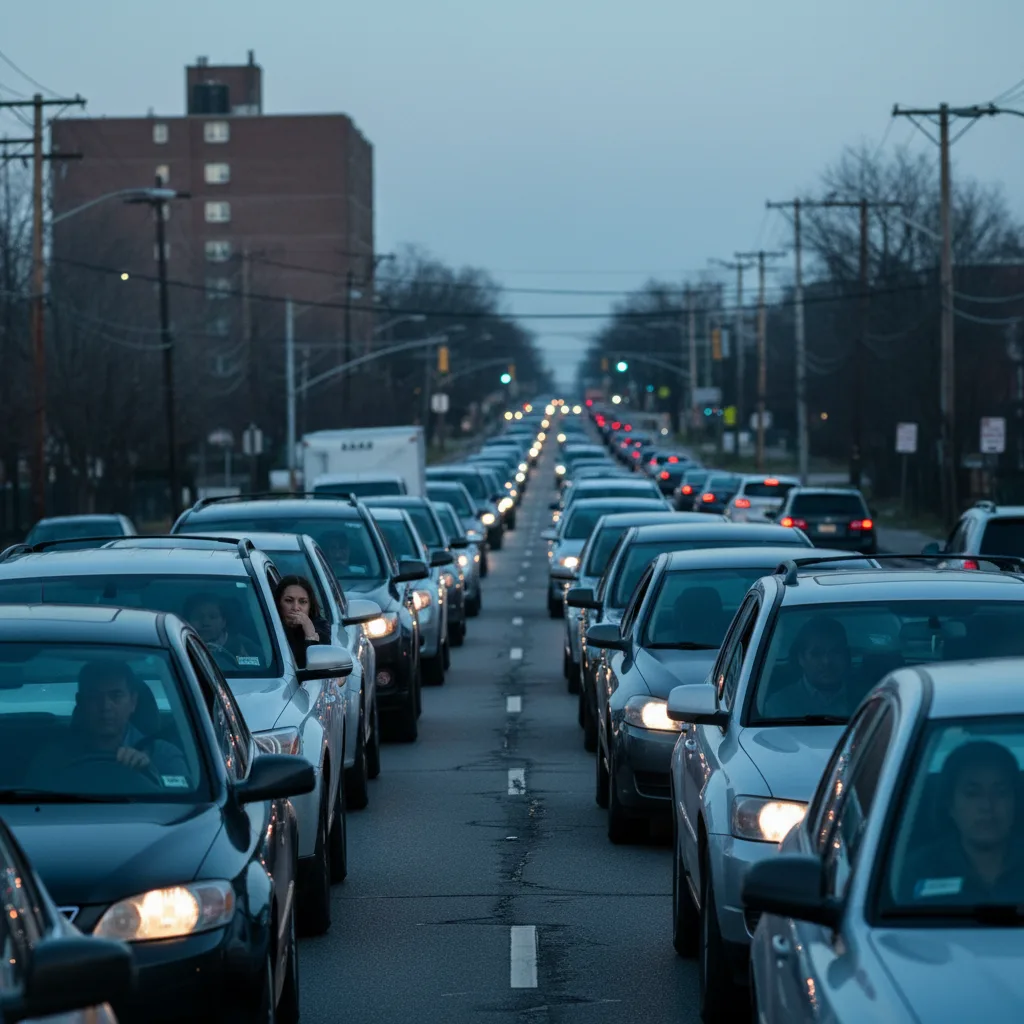
Cross Bay Corridor Commuters Face Delays After Queens Hit-and-Run
Cross Bay Boulevard commuters faced extensive delays Friday after a fatal hit-and-run in Queens Village, highlighting traffic vulnerability in the area.
UK Air Traffic Control Issue Causes Flight Delays, Impacts Queens Travelers
Queens residents face travel chaos as a UK air traffic control issue causes widespread flight delays today, impacting international travel plans and connections.