


Cross Bay Boulevard: March 2026 Storm Brings Severe Traffic

Enjoying the coverage?
Weather, health alerts and beach notes for the Rockaways, every Friday.
Sent every Friday. By subscribing, you agree to our Terms and Conditions and Privacy Policy.
NEW YORK — An intense rainstorm struck Queens in early March 2026, leading to extensive street flooding and drastically reduced visibility along Cross Bay Boulevard. The severe weather overwhelmed existing drainage systems, creating hazardous driving conditions and snarling traffic for hours. The New York Police Department (NYPD) issued advisories, urging motorists to exercise extreme caution, reduce speed, and maintain greater distances between vehicles on the affected thoroughfares.
This early March event underscored persistent infrastructure challenges facing the vital Queens artery, a critical conduit connecting mainland Queens to the Rockaway Peninsula. Proposals for future mitigation efforts have since gained renewed urgency, including plans for expanding storm sewer capacity and implementing advanced green infrastructure projects. The storm's immediate aftermath saw emergency services stretched thin, responding to numerous calls for stalled vehicles and minor accidents across the region.
Widespread Flooding and Commuter Chaos
Cross Bay Boulevard, particularly sections traversing Howard Beach and Broad Channel, experienced significant inundation. Water levels rose rapidly, making several intersections impassable for smaller vehicles and forcing commuters to seek alternative, often circuitous, routes. Local residents described conditions as some of the worst seen in recent years, with standing water persisting long after the initial downpour subsided.
The Cross Bay Current Friday Briefing
Weather, health alerts and beach notes for the Rockaways, every Friday.
Sent every Friday. By subscribing, you agree to our Terms and Conditions and Privacy Policy.
The widespread flooding translated directly into commuter chaos, particularly during peak morning and evening hours. Travel times for journeys that typically take 15-20 minutes reportedly stretched to over an hour, frustrating thousands of daily drivers. NYPD officers were deployed to manage key intersections where traffic signals were either submerged or operating intermittently, attempting to direct the flow of vehicles and prevent further gridlock. Reports from the Department of Transportation indicated that several major bus lines experienced significant delays and temporary reroutings, disrupting public transit services for countless riders. The unexpected severity of the storm caught many off guard, highlighting the need for more robust early warning systems and infrastructure resilience.
Strain on Queens' Aging Infrastructure
This March 2026 storm dramatically exposed the vulnerabilities within Queens' aging drainage infrastructure. Engineers and urban planners have long cautioned that many of the borough’s storm sewers were designed decades ago, unable to cope with the increased volume and intensity of modern weather patterns. The sheer quantity of rainfall overwhelmed existing systems, leading to surface runoff and flash flooding.
Historically, areas along Cross Bay Boulevard have been prone to flooding due to their low-lying topography and proximity to Jamaica Bay. Past infrastructure projects aimed at alleviating these issues have often been incremental, struggling to keep pace with both climate change and urban development. The city's Department of Environmental Protection (DEP) acknowledged the challenge, stating that a comprehensive overhaul of certain sections of the stormwater network is essential for long-term sustainability. Discussions at recent community board meetings have focused intensely on the need for accelerated investment in these critical public works, recognizing the compounding effects of climate change on coastal communities like those in South Queens. Improving Queens drainage infrastructure remains a top priority for local elected officials.
Official Response and Immediate Measures
In the immediate aftermath of the storm, emergency responders activated protocols to address public safety concerns. NYPD personnel worked alongside the Fire Department of New York (FDNY) and sanitation crews to clear debris and pump water from critical roadways. The city’s 311 service experienced a surge in calls reporting flooded basements, fallen tree branches, and traffic hazards, signaling the broad impact on residential areas.
Mayor Eric Adams' office released a statement acknowledging the severity of the storm and commending the rapid response of city agencies. Officials reiterated the importance of public cooperation, particularly concerning adherence to traffic advisories and avoiding flooded streets. Concurrently, the DEP initiated preliminary assessments of the damaged infrastructure, collecting data to inform future repair and upgrade projects. These assessments are critical for understanding the precise points of failure and prioritizing interventions that will yield the greatest benefits for residents and commuters. The coordinated efforts helped to mitigate the worst of the chaos, but the underlying issues remain a significant concern for authorities and local residents alike. The prompt response by emergency services was crucial in managing the immediate crisis.
Proposals for Long-Term Mitigation
In response to the recurring flooding incidents, city planners and environmental advocates are pushing for substantial long-term mitigation strategies. A key proposal involves a significant expansion of storm sewer capacity along Cross Bay Boulevard and its feeder streets. This would entail replacing smaller, older pipes with larger conduits capable of handling greater volumes of stormwater runoff, a costly but necessary undertaking.
Complementing these traditional engineering solutions, there is a strong emphasis on implementing green infrastructure projects. These include the installation of bioswales, rain gardens, and permeable pavements designed to absorb rainwater, reduce runoff, and recharge groundwater naturally. Such projects not only alleviate flooding but also enhance urban green spaces and improve water quality. The city is actively seeking federal and state grants to fund these multi-faceted initiatives, with preliminary estimates for the comprehensive plan running into hundreds of millions of dollars. The goal is to create a more resilient urban landscape that can withstand increasingly intense weather events, transforming Cross Bay Boulevard's traffic conditions during future storms.
Community Preparedness and Future Outlook
The March 2026 storm served as a stark reminder for residents along Cross Bay Boulevard about the importance of community preparedness. Local civic associations and the Office of Emergency Management (OEM) have since distributed updated guidance on creating emergency kits, safeguarding properties against flooding, and understanding evacuation routes. These resources are designed to empower residents with the knowledge and tools needed to protect themselves and their families.
Community Board 10, which encompasses much of the affected area, has committed to hosting a series of public forums to discuss flood resilience and solicit resident feedback on proposed infrastructure upgrades. The goal is to ensure that future solutions are tailored to the specific needs and concerns of the community. Scientists and climate experts predict that Queens can expect an increase in the frequency and intensity of severe weather events in the coming years, making proactive planning and investment more crucial than ever. This ongoing dialogue is vital for developing effective, community-supported strategies for the Howard Beach weather warnings and beyond.
Frequently Asked Questions About Cross Bay Boulevard Storm Response
What caused the severe flooding on Cross Bay Boulevard? The severe flooding in early March 2026 was caused by an intense rainstorm that overwhelmed the existing, often aging, storm sewer infrastructure along the boulevard. The rapid accumulation of rainfall exceeded the capacity of the drainage systems, leading to widespread surface water.
What is being done to prevent future flooding? City officials and local authorities are pursuing a two-pronged approach: increasing storm sewer capacity through pipe upgrades and implementing green infrastructure projects like bioswales and permeable surfaces. These efforts aim to better manage stormwater runoff and reduce vulnerability to future weather events.
How can residents stay informed during severe weather? Residents are advised to monitor local news, sign up for city emergency alerts, and follow advisories from the NYPD and the Office of Emergency Management. Community boards also play a crucial role in disseminating information and hosting public forums on preparedness.
What role do green infrastructure projects play? Green infrastructure projects are designed to mimic natural processes by absorbing and filtering stormwater where it falls. This helps reduce the burden on traditional sewer systems, mitigates flooding, improves water quality, and enhances urban landscapes, offering a sustainable approach to flood control.
The Cross Bay Current Friday Briefing
Weather, health alerts and beach notes for the Rockaways, every Friday.
Sent every Friday. By subscribing, you agree to our Terms and Conditions and Privacy Policy.
Related Articles
More in Health & Weather →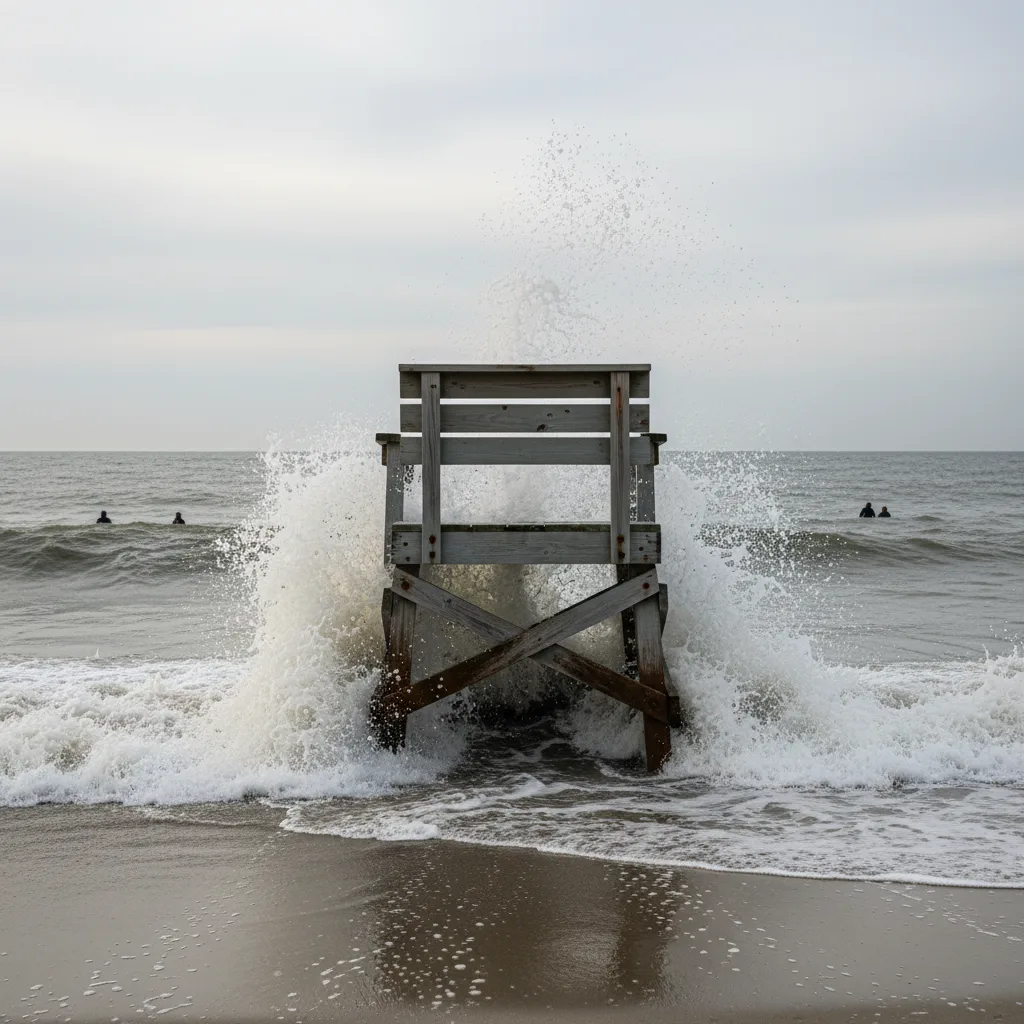
Rockaway Beach Shoreline Battered by Intense Waves Amid Waterspouts
Rockaway Beach experienced intense waves battering its shoreline on November 23, 2026, as waterspouts were spotted over the San Francisco Bay amid severe weather.

National Weather Service Forecasts Rain and 55°F Low for Howard Beach
The National Weather Service forecasts a low of 55°F tonight for Howard Beach, with a 30 percent chance of rain mainly before 10 p.m.
Bay Area Commuters Face Driving Challenges Amid Waterspouts, Severe Weather
Bay Area commuters faced significant driving challenges on November 17, 2026, due to severe weather and waterspouts over San Francisco Bay.
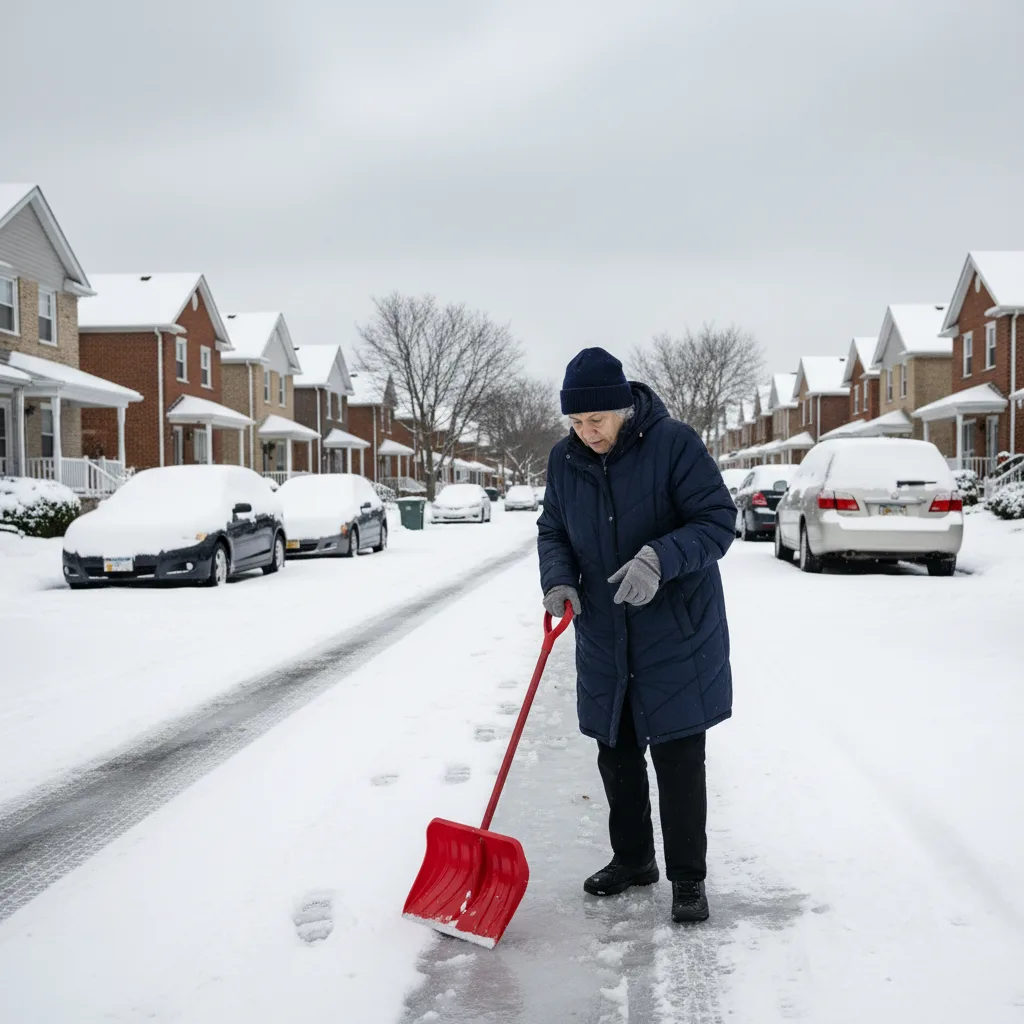
Howard Beach Residents Grapple With Winter Storm Impacts
Howard Beach residents faced significant challenges this past week as a historic winter storm brought widespread impacts, according to Howard Beach News.
Ariola Testifies Ulrich Warned Her About Alleged Briber Livreri
Councilwoman Joann Ariola testified November 24, 2026, that former Queens official Eric Ulrich urged her to hire an alleged briber, then warned she was lied to.
Queens Officials Seek Rezoning for 10-Story Rockaway Beach Rental
Queens officials are seeking rezoning approval for a 10-story, 70-apartment rental building at 2-28 Beach 87th Street in Rockaway Beach, according to a November 23, 2026 report.