


Cross Bay Boulevard: March 2026 Storm Causes Major Traffic Disruptions

NEW YORK — A severe weather system swept through Queens in March 2026, causing extensive traffic delays and hazardous driving conditions along Cross Bay Boulevard. Commuters experienced significant disruptions, with visibility severely impacted by heavy rainfall and high winds throughout the morning and afternoon.
The storm, characterized by local meteorologists as an unusually intense early spring event, led to several minor accidents and widespread gridlock. Emergency services were stretched thin, responding to numerous calls for assistance across the borough.
Heavy Rains and Strong Winds Batter Queens
The meteorological office issued a severe weather alert for Queens early on March 20, 2026, warning of torrential downpours and wind gusts exceeding 40 miles per hour. These conditions quickly deteriorated, transforming Cross Bay Boulevard into a challenging route for drivers.
Many motorists reported near whiteout conditions due to the combination of heavy rain and spray from other vehicles. The poor visibility significantly reduced safe driving speeds, contributing to the substantial delays experienced by thousands of commuters.
The Department of Transportation (DOT) advised non-essential travel to be postponed until weather conditions improved. City buses also experienced significant delays, impacting public transit users across the Cross Bay corridor.
Traffic Gridlock Extends Across Cross Bay Corridor
Cross Bay Boulevard, a critical artery connecting mainland Queens to the Rockaways, became a chokepoint as the storm intensified. Traffic backed up for miles in both directions, extending into surrounding neighborhoods like Howard Beach and Ozone Park.
Emergency crews from the NYPD and FDNY were dispatched to clear downed tree branches and respond to stalled vehicles. Several intersections along the boulevard experienced temporary flooding, further impeding the flow of traffic.
Drivers reported commutes taking upwards of two to three hours for distances that typically require 30 minutes. This unprecedented level of disruption highlighted the vulnerability of the region's infrastructure to severe weather events.
Impact on Local Businesses and Services
The widespread traffic disruptions had a noticeable impact on local businesses operating along Cross Bay Boulevard. Many employees faced significant delays in reaching their workplaces, and customer foot traffic dwindled throughout the day.
Delivery services also struggled to maintain schedules, affecting restaurants and retail establishments dependent on timely logistics. Some businesses opted to close early, prioritizing employee safety given the hazardous travel conditions.
Service providers, such as plumbers and electricians, reported an increase in emergency calls related to storm damage. The economic ripple effects of such a severe weather event can be felt for days afterward, impacting local commerce.
Preparedness and Future Storm Mitigation Efforts
The March 2026 storm prompted discussions among city officials about bolstering infrastructure preparedness for future extreme weather events. The Department of Environmental Protection (DEP) noted that existing drainage systems are often overwhelmed by such intense rainfall rates.
Proposals for improved stormwater management, including permeable surfaces and expanded sewer capacity, are likely to be revisited in light of this event. Public awareness campaigns regarding flood safety and emergency planning could also be enhanced.
Residents are encouraged to sign up for NYC Emergency Management alerts to receive timely notifications about severe weather. Proactive measures from both city agencies and individual citizens are crucial for mitigating the impact of increasingly frequent extreme weather patterns. For more on March 2026 storm effects, visit Cross Bay Boulevard News.
Public Transit Challenges Amidst Storm
Metropolitan Transportation Authority (MTA) bus lines operating along Cross Bay Boulevard faced severe operational challenges. Buses were frequently stuck in traffic, leading to significant delays and overcrowding at stops.
Commuters who rely on public transportation for their daily journeys found themselves stranded or facing exceptionally long waits. The MTA implemented service advisories, but the sheer volume of traffic made navigating the boulevard extremely difficult.
This incident underscores the need for resilient public transit systems that can adapt to adverse weather conditions. Further investment in bus lane infrastructure and real-time communication systems could help alleviate future disruptions.
Frequently Asked Questions About the Cross Bay Boulevard Storm
What caused the traffic disruptions on Cross Bay Boulevard in March 2026? A severe weather system in March 2026, featuring heavy rainfall and high winds, led to extensive traffic delays and hazardous driving conditions on Cross Bay Boulevard. The storm severely impacted visibility and overwhelmed local infrastructure. How long did the traffic delays last? Commuters experienced significant delays for most of the day, with some reporting travel times of two to three hours for relatively short distances. The gridlock persisted until the worst of the storm passed and emergency crews could clear stalled vehicles and debris. Were there any accidents reported during the storm? Yes, several minor accidents were reported along Cross Bay Boulevard and its surrounding areas due to the poor visibility and slick road conditions. Emergency services responded to numerous calls related to these incidents and other storm-related issues. What was the impact on public transportation and local businesses? Public transportation, specifically MTA bus lines, faced significant delays and operational challenges. Local businesses along Cross Bay Boulevard experienced reduced customer traffic, employee delays, and disruptions to delivery services, with some opting to close early. What measures are being considered for future severe weather events? City officials are discussing improvements to stormwater management systems and bolstering infrastructure preparedness. The Department of Environmental Protection (DEP) is reviewing existing drainage, and there are calls for enhanced public awareness campaigns regarding flood safety and emergency planning. Residents are encouraged to use NYC Emergency Management alerts for timely updates.
Written by
Newstrix
Cross Bay Current
Related Articles
More in Transportation & Traffic →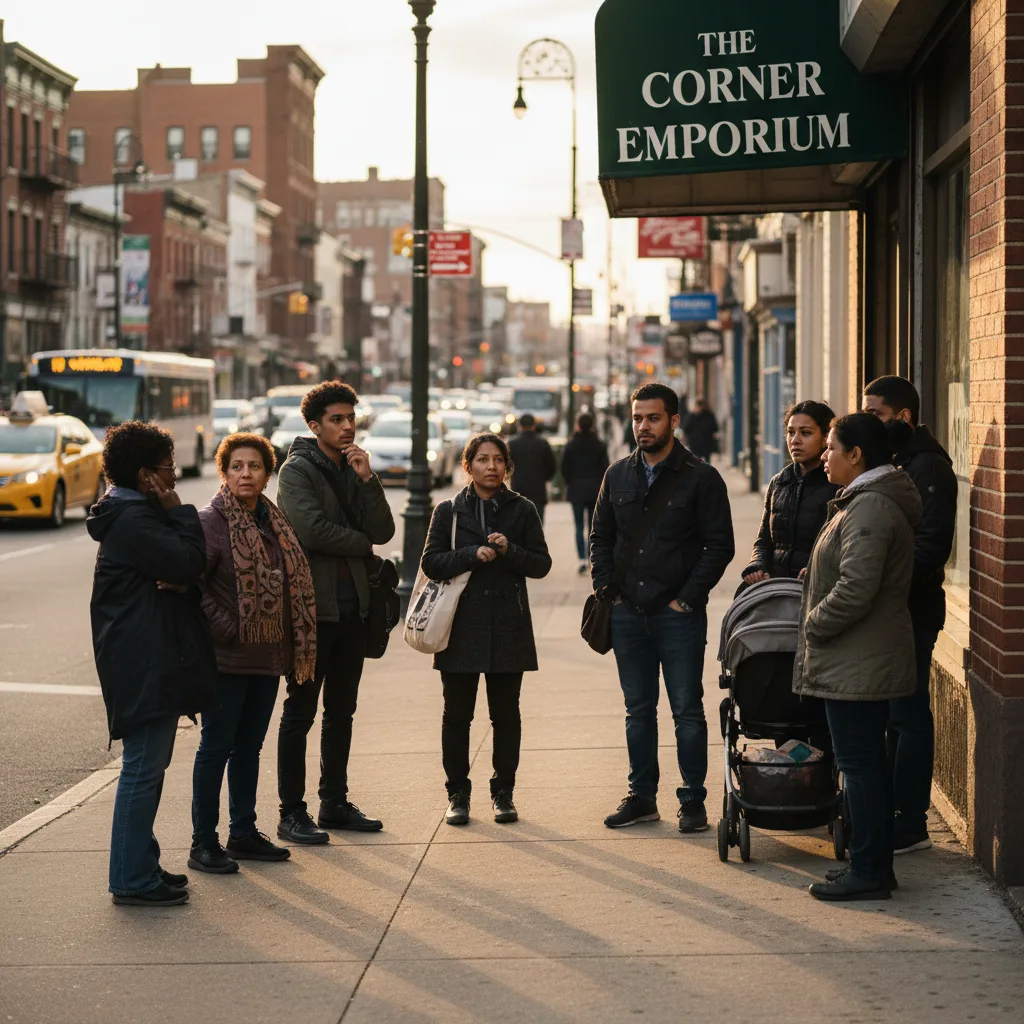
Cross Bay Boulevard Residents Anxious After Indonesia Ferry Disaster
Cross Bay Boulevard residents express anxiety over the Indonesia ferry disaster, drawing comparisons to local NYC transit safety, affecting those with overseas ties.
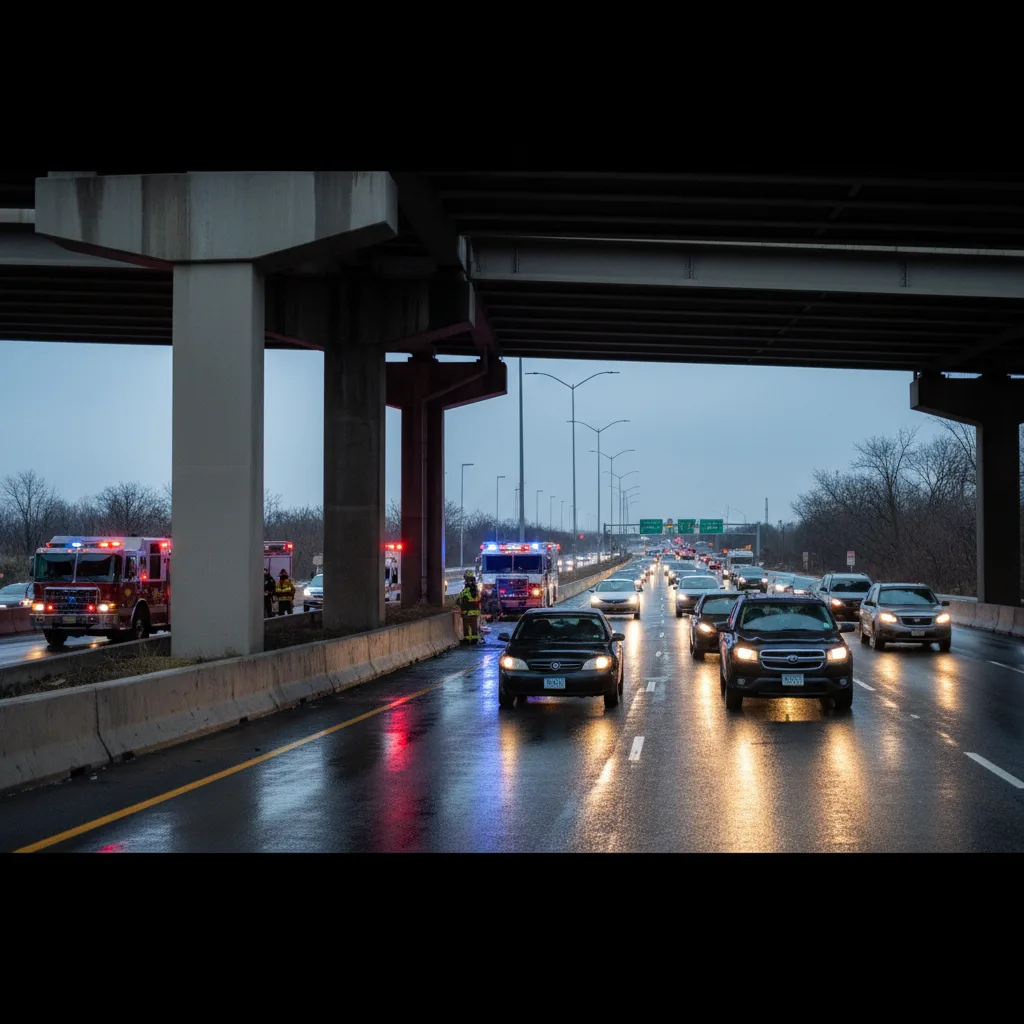
Howard Beach News Reports Vehicle Collision, Q41 Bus Updates
Howard Beach News reported a vehicle collision near Cross Bay Blvd and Belt Pkwy, Q41 bus updates, and beach closures due to Hurricane Erin on Sept. 11, 2026, impacting local travel.
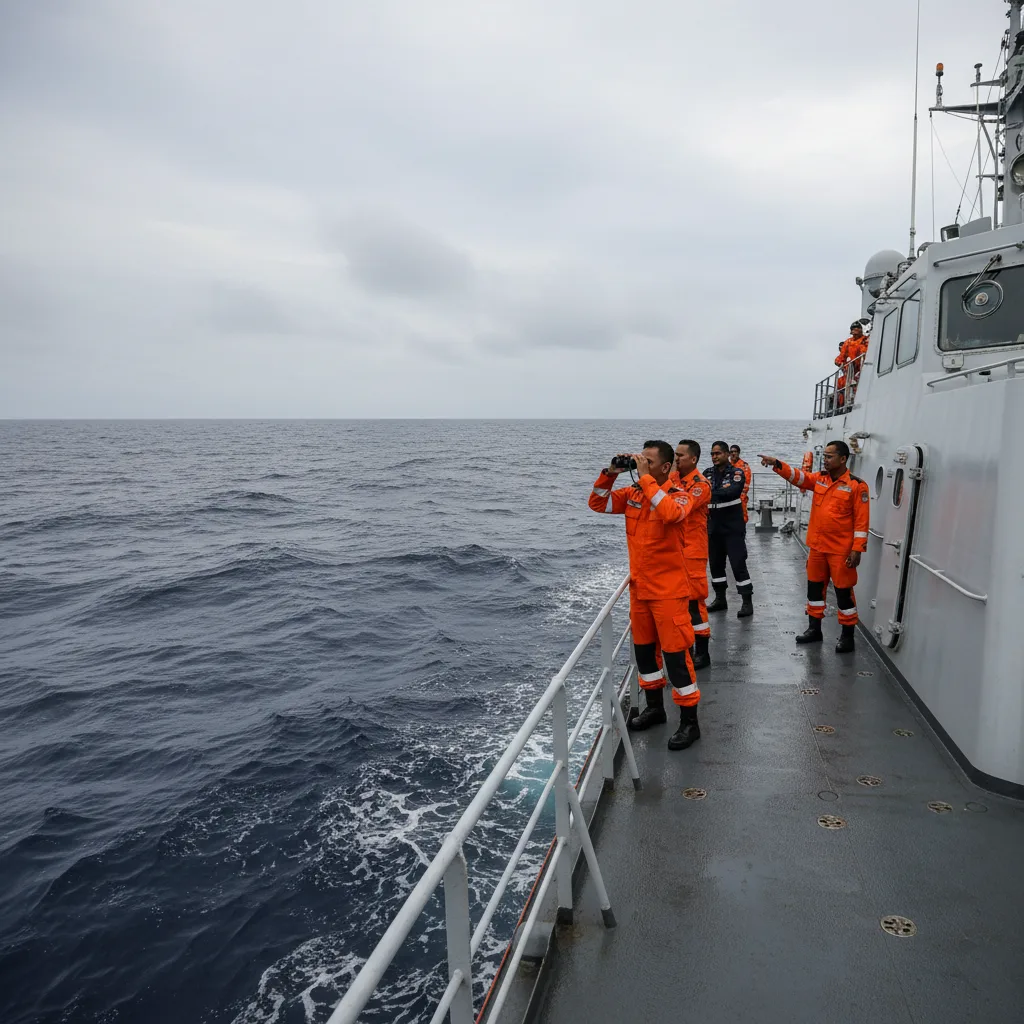
Indonesia Disaster: Rescuers Search for 140 After Java Sea Ship Incident
Rescue teams are searching for 140 people after an Indonesian passenger ship lost contact in the Java Sea. The disaster sparks local travel safety discussions.

Cross Bay Boulevard Commuters Face Travel Anxiety After Ferry Disaster Off Vanuatu
Cross Bay Boulevard commuters face heightened travel anxiety after a ferry sank off Vanuatu, leaving one dead and over 30 missing, prompting local safety discussions.
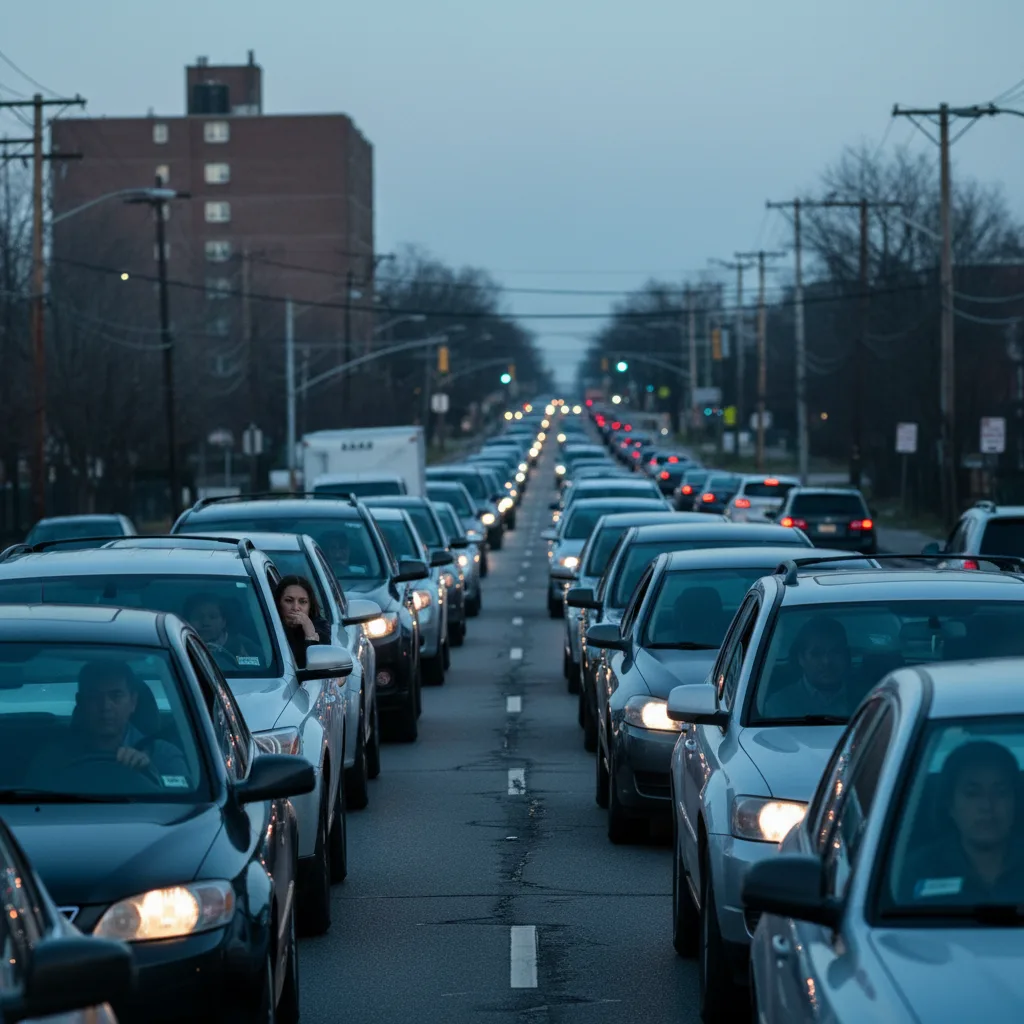
Cross Bay Corridor Commuters Face Delays After Queens Hit-and-Run
Cross Bay Boulevard commuters faced extensive delays Friday after a fatal hit-and-run in Queens Village, highlighting traffic vulnerability in the area.
UK Air Traffic Control Issue Causes Flight Delays, Impacts Queens Travelers
Queens residents face travel chaos as a UK air traffic control issue causes widespread flight delays today, impacting international travel plans and connections.