


Cross Bay Boulevard: March 2026 Storm Creates Commuter Gridlock

NEW YORK — The severe rainstorm on March 15, 2026, plunged Cross Bay Boulevard into unprecedented gridlock, causing hours-long delays for thousands of Queens commuters. The extensive traffic disruptions stemmed from hazardous visibility and localized flooding, transforming routine journeys into arduous ordeals for local residents.
The New York City Department of Transportation (NYCDOT) acknowledged the significant impact, attributing the chaos to the rapid accumulation of rainfall that overwhelmed storm drains. Local news reports, including the Cross Bay Current, detailed the widespread frustration among drivers and public transit users.
Commuter Chaos Grips Cross Bay Boulevard
Beginning in the late afternoon, as the storm intensified, traffic flow on Cross Bay Boulevard slowed to a crawl. Commuters traveling inbound towards the Belt Parkway and outbound towards the Rockaways reported being stuck in their vehicles for two to three times their usual travel times. Many public bus routes experienced significant delays or were forced to reroute, further complicating travel for those relying on mass transit.
Witnesses described scenes of frustration, with drivers attempting to navigate through standing water and blinding rain. "I left work at 5:00 PM and didn't get home until almost 8:30 PM," stated Maria Rodriguez, a physical therapist from Howard Beach. "It was absolutely impossible to move; cars were just inching along, and then stopping completely."
Hours of Delays Impact Queens Residents
The cascading effect of stalled traffic meant that adjacent roads and local streets also became heavily congested as drivers sought alternative routes. This ripple effect impacted neighborhoods far from the boulevard itself, including Ozone Park, Lindenwood, and Broad Channel. Parents struggled to pick up children from school, and essential workers faced significant challenges reaching their destinations.
The March 2026 storm's timing during the evening rush hour maximized its disruptive potential. The NYCDOT advised against travel, but many commuters were already on the road or had no immediate alternative. The event highlighted the vulnerability of Queens' transportation arteries to severe weather phenomena, as extensively covered by local media reporting on the March 2026 storm gridlock.
Economic Ripple Effects of Traffic Stoppages
The gridlock on Cross Bay Boulevard had immediate economic repercussions for businesses and workers in the area. Delivery services faced significant delays, impacting local restaurants, pharmacies, and retail outlets that rely on timely transportation. Employees arriving late or being unable to reach their workplaces contributed to lost productivity.
Small business owners along the boulevard expressed concern about the cumulative effect of such events. "When traffic stops like that, people don't come in," said David Lee, owner of a hardware store. "It's not just the immediate loss; it's the perception that getting here is too difficult." The economic strain of such disruptions adds to ongoing challenges faced by local enterprises.
Navigating the Aftermath: Alternative Routes and Frustrations
In the hours following the storm, as water receded, traffic slowly began to move, but residual delays persisted throughout the night. Many residents questioned the effectiveness of emergency alerts and traffic management systems during such a severe event. Some commuters reported relying on social media for real-time updates more than official channels.
The incident underscored the need for robust contingency plans and clearer communication strategies for major transportation corridors. While city officials praised the efforts of first responders, the public's experience highlighted areas for improvement in emergency preparedness and information dissemination for future events.
City Officials Address Traffic Management Deficiencies
Responding to public outcry, city officials, including Council Member Joann Ariola, stated that they are reviewing the traffic management protocols employed during the storm. Discussions are underway to assess the efficacy of current warning systems and explore options for dynamic traffic routing during emergencies. The goal is to minimize similar gridlock situations moving forward.
"We understand the immense frustration experienced by our constituents," Council Member Ariola remarked in a statement released on March 16. "We are working with city agencies to ensure a more resilient and responsive traffic management system for Cross Bay Boulevard." Future plans involve investing in smarter traffic lights and enhanced surveillance to better manage flow during crises.
Frequently Asked Questions About Cross Bay Boulevard Traffic Delays
What caused the unprecedented gridlock on Cross Bay Boulevard on March 15, 2026? The severe gridlock was primarily due to a sudden and intense rainstorm during the evening rush hour. The rapid accumulation of over three inches of rain overwhelmed the boulevard's drainage systems, causing significant flooding and drastically reducing visibility. This led to widespread vehicle stoppages and extreme congestion, impacting thousands of commuters across Queens.
How did the gridlock affect daily life for Queens residents and businesses? Residents faced hours-long delays in their commutes, impacting family routines and personal commitments. Public transportation was also severely disrupted, with buses experiencing reroutes and delays. Local businesses, particularly those reliant on deliveries and customer foot traffic, experienced immediate economic losses due to reduced patronage and logistical challenges caused by the impassable roads.
What steps are city officials taking to prevent similar future traffic disruptions? City officials are actively reviewing traffic management protocols and emergency response strategies following the March 2026 storm. This includes assessing the effectiveness of existing warning systems and exploring new technologies for dynamic traffic routing. The aim is to implement a more resilient and responsive transportation system for Cross Bay Boulevard to mitigate the impact of future severe weather events.
Written by
Newstrix
Cross Bay Current
Related Articles
More in Transportation & Traffic →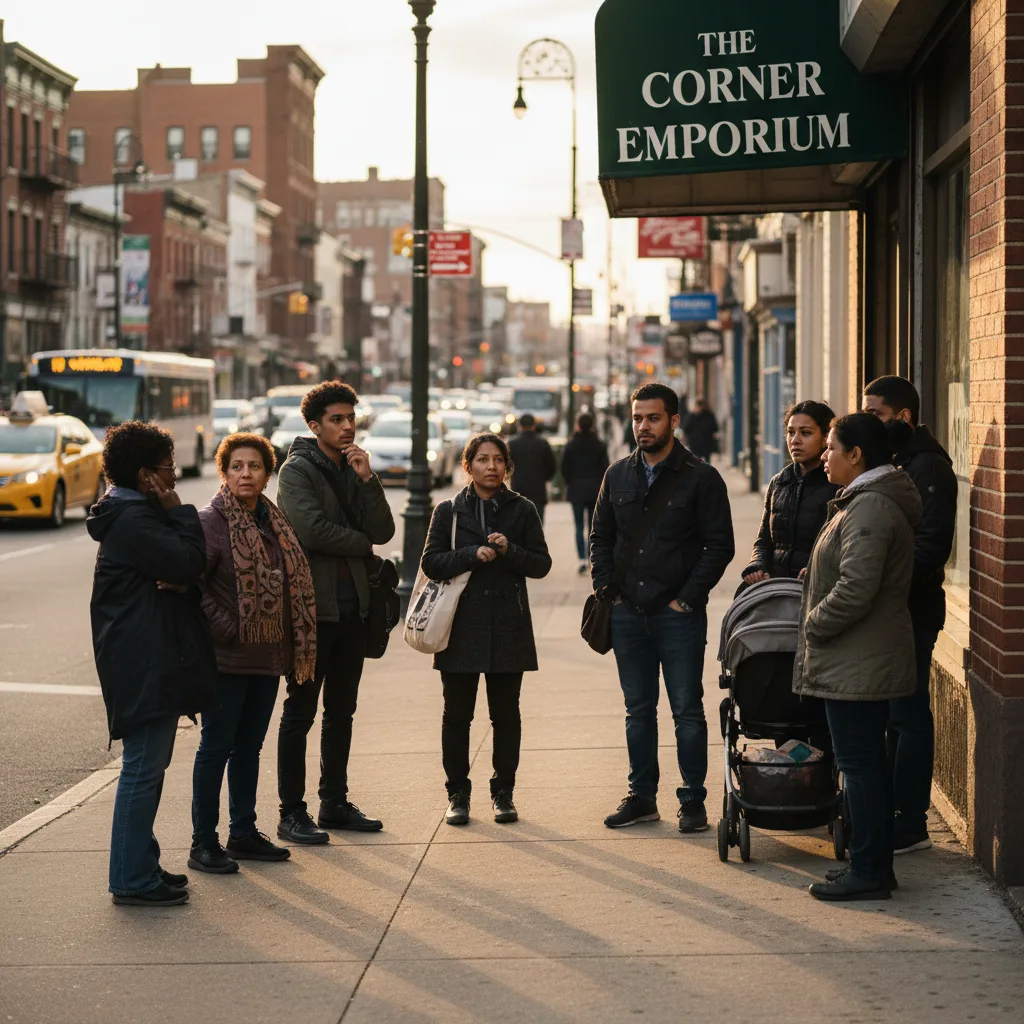
Cross Bay Boulevard Residents Anxious After Indonesia Ferry Disaster
Cross Bay Boulevard residents express anxiety over the Indonesia ferry disaster, drawing comparisons to local NYC transit safety, affecting those with overseas ties.
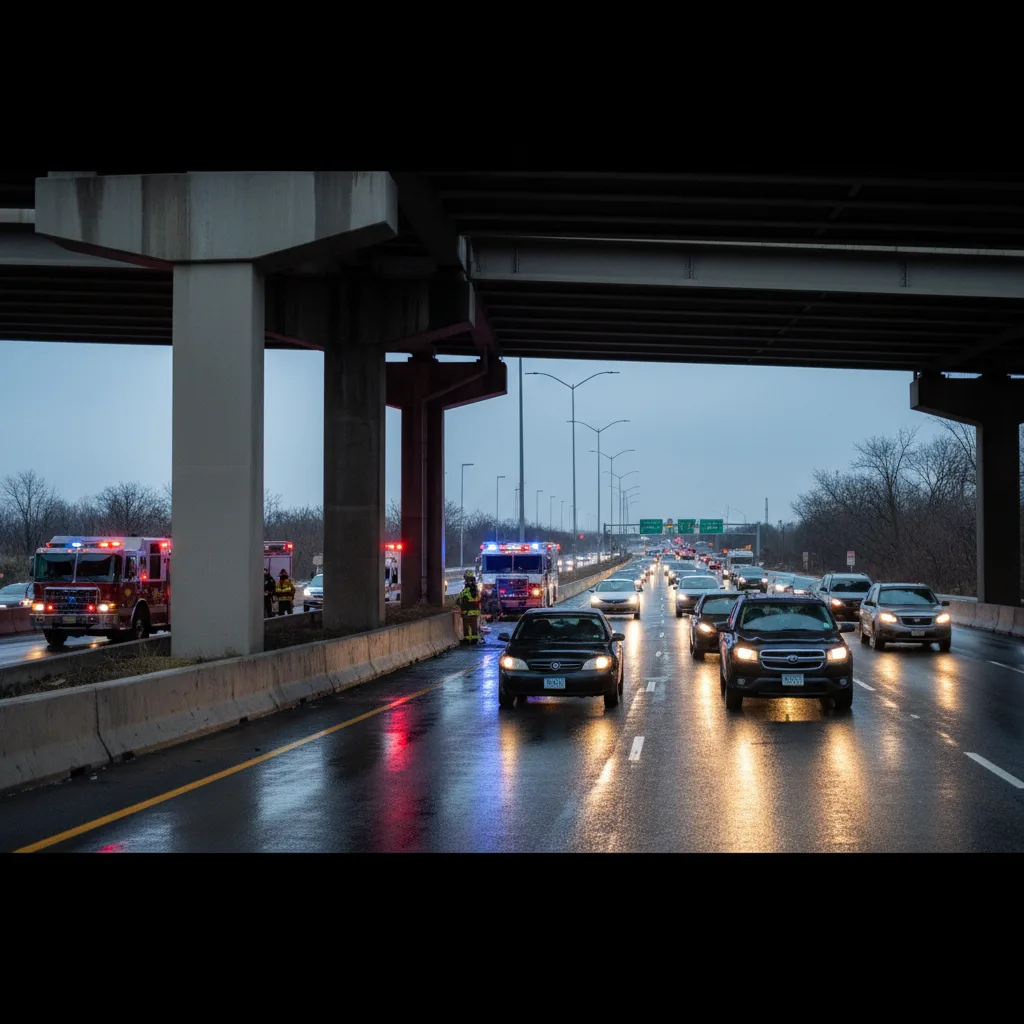
Howard Beach News Reports Vehicle Collision, Q41 Bus Updates
Howard Beach News reported a vehicle collision near Cross Bay Blvd and Belt Pkwy, Q41 bus updates, and beach closures due to Hurricane Erin on Sept. 11, 2026, impacting local travel.
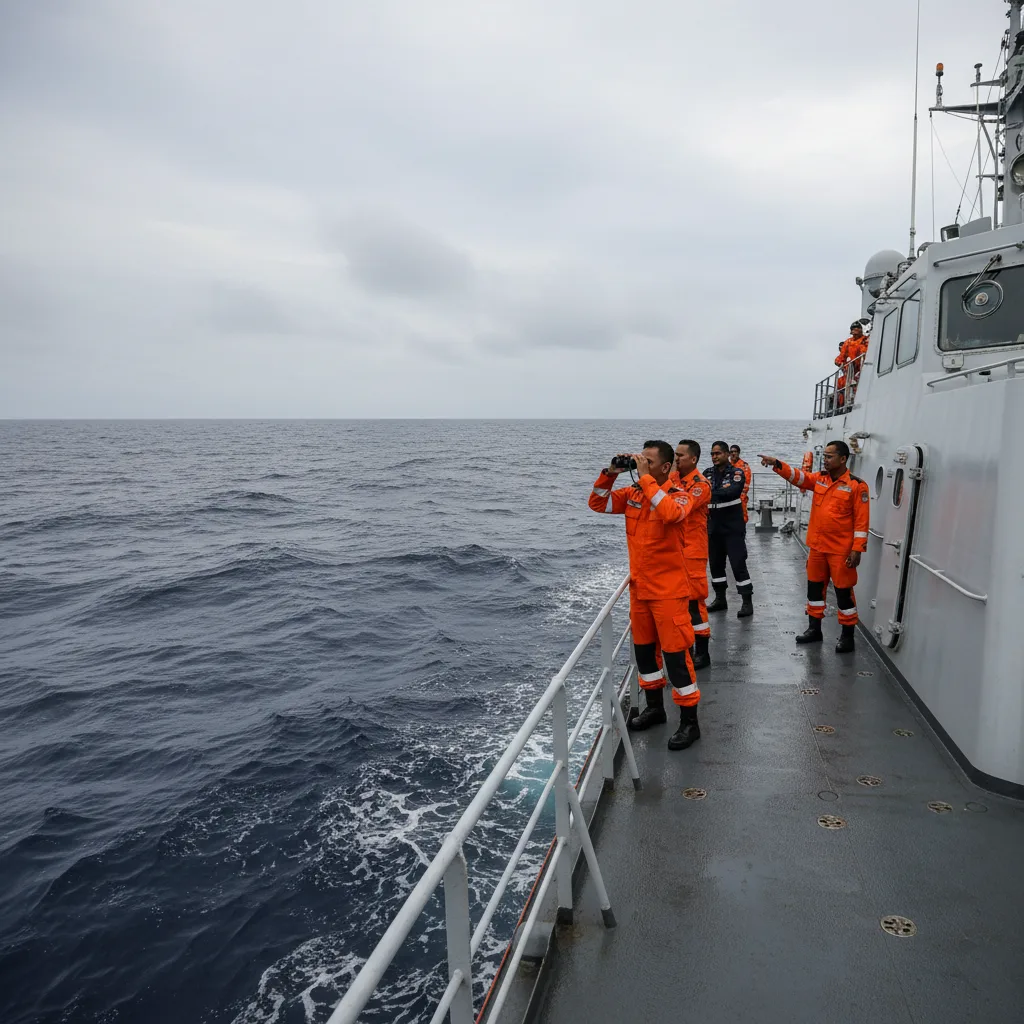
Indonesia Disaster: Rescuers Search for 140 After Java Sea Ship Incident
Rescue teams are searching for 140 people after an Indonesian passenger ship lost contact in the Java Sea. The disaster sparks local travel safety discussions.

Cross Bay Boulevard Commuters Face Travel Anxiety After Ferry Disaster Off Vanuatu
Cross Bay Boulevard commuters face heightened travel anxiety after a ferry sank off Vanuatu, leaving one dead and over 30 missing, prompting local safety discussions.
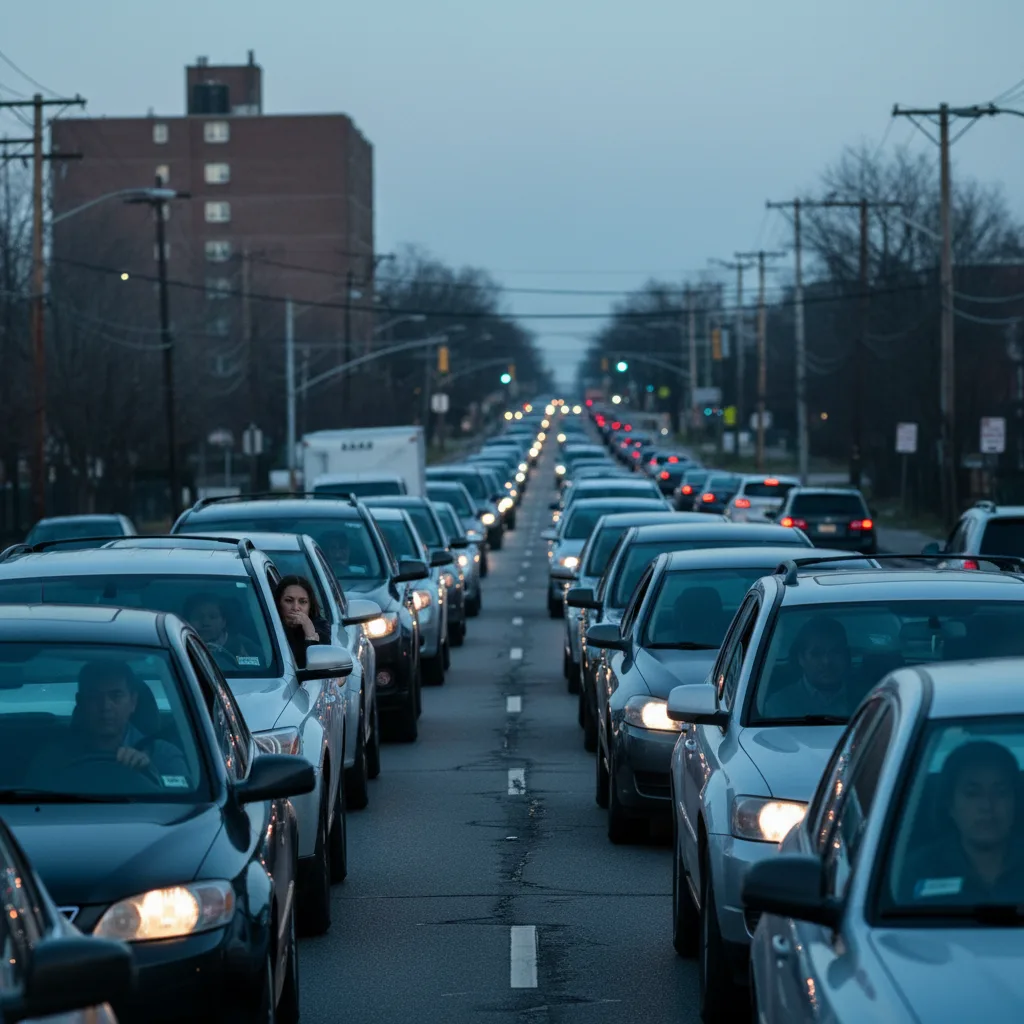
Cross Bay Corridor Commuters Face Delays After Queens Hit-and-Run
Cross Bay Boulevard commuters faced extensive delays Friday after a fatal hit-and-run in Queens Village, highlighting traffic vulnerability in the area.
UK Air Traffic Control Issue Causes Flight Delays, Impacts Queens Travelers
Queens residents face travel chaos as a UK air traffic control issue causes widespread flight delays today, impacting international travel plans and connections.