


Cross Bay Boulevard: March 2026 Storm Creates Gridlock
Enjoying the coverage?
A and S train changes, parking rules and road work, rounded up every Friday.
Sent every Friday. By subscribing, you agree to our Terms and Conditions and Privacy Policy.
NEW YORK — A powerful rainstorm in early March 2026 brought Cross Bay Boulevard to a near standstill, causing unprecedented gridlock and significantly impacting Queens commuters. The severe weather event, described by many as one of the worst in recent memory, underscored existing vulnerabilities in the borough’s transportation network.
On the morning of Tuesday, March 5, 2026, heavy rainfall began before dawn and continued through rush hour, leading to widespread flooding and reduced visibility. The resulting traffic congestion created a ripple effect across multiple Queens neighborhoods, from Ozone Park to Broad Channel.
Commuter Frustration Reaches Boiling Point
Drivers attempting to navigate Cross Bay Boulevard reported journey times more than triple their usual duration. Many commuters expressed profound frustration at the lack of timely information and the feeling of being trapped in their vehicles for hours.
The Cross Bay Current Friday Briefing
A and S train changes, parking rules and road work, rounded up every Friday.
Sent every Friday. By subscribing, you agree to our Terms and Conditions and Privacy Policy.
Public transportation also suffered, with several bus lines experiencing significant detours and delays. The Metropolitan Transportation Authority (MTA) advised riders to expect disruptions and allocate extra time for travel, according to an agency spokesperson.
Economic Toll on Local Businesses
The severe gridlock had an immediate economic impact on businesses located along Cross Bay Boulevard. Deliveries were delayed, staff struggled to reach their workplaces, and potential customers were deterred from venturing out. This directly affected daily sales and operations.
Restaurants and retail stores, especially those reliant on morning foot traffic, reported substantial losses. Local chambers of commerce are now exploring strategies to support businesses impacted by such unforeseen weather-related events and improve their resilience, a representative noted.
Calls for Enhanced Traffic Management
The March 2026 gridlock prompted renewed calls from community leaders for improved traffic management and emergency response plans for Cross Bay Boulevard. Residents highlighted the need for better communication systems and real-time updates during severe weather incidents.
City Councilman Frank DiSanto, whose district includes parts of the boulevard, stated that the incident necessitates a thorough review of current protocols. He emphasized the importance of ensuring that Queens commuters are not repeatedly subjected to such chaotic conditions.
Infrastructure Resilience and Future Planning
Experts from urban planning departments suggest that the increasing frequency of severe weather events demands a more robust approach to infrastructure resilience. Cross Bay Boulevard, a critical north-south artery, requires particular attention due to its proximity to coastal areas and its role in regional transportation.
Discussions are underway regarding potential upgrades to drainage systems and the implementation of smart traffic light technology designed to adapt to heavy traffic flows. These measures aim to alleviate congestion and improve safety during future weather emergencies, preventing another Cross Bay Boulevard standstill.
Community Mobilizes for Change
Following the March 2026 storm, several neighborhood associations along Cross Bay Boulevard have initiated petitions and organized public forums. Their goal is to pressure city agencies into fast-tracking infrastructure improvements and developing more effective emergency communication strategies.
Residents are advocating for concrete actions rather than temporary fixes, emphasizing the long-term well-being and economic stability of their communities. The collective voice of the community aims to ensure that their concerns are addressed at the highest levels of city government.
Understanding Climate Change and Local Impact
The scientific community increasingly links the intensity and frequency of severe rainstorms to global climate change. Local environmental groups are using the recent gridlock incident to raise awareness about these broader issues and their specific impact on low-lying Queens neighborhoods.
They stress the need for sustainable urban planning and green infrastructure solutions to protect communities like those along Cross Bay Boulevard. Educating residents on personal preparedness and advocating for city-level adaptation strategies are key components of their ongoing efforts.
Frequently Asked Questions About Cross Bay Boulevard Gridlock
Residents frequently ask what steps the city is taking to prevent similar gridlock scenarios on Cross Bay Boulevard. City officials have indicated that they are reviewing traffic management plans and exploring infrastructure improvements, including drainage upgrades, to enhance resilience during severe weather. Many commuters also inquire about real-time traffic information sources during emergencies. The NYC Department of Transportation, along with local news outlets, provides updates through their respective websites, social media channels, and emergency alert systems. Local businesses impacted by the gridlock often wonder about available support. Chambers of commerce and city economic development agencies offer resources and guidance for small businesses facing disruptions due to severe weather or infrastructure issues. Concerns about public transportation reliability during such events are also common. The MTA continuously evaluates and adjusts service plans, but advises passengers to check for service changes and allow extra travel time, especially during adverse weather conditions.
The Cross Bay Current Friday Briefing
A and S train changes, parking rules and road work, rounded up every Friday.
Sent every Friday. By subscribing, you agree to our Terms and Conditions and Privacy Policy.
Related Articles
More in Transportation & Traffic →
MTA Announces Rockaway Park Shuttle Service Changes for Weekend
The MTA announced significant service changes for the Rockaway Park Shuttle from November 20 to November 23, 2026, suspending weekend operations.
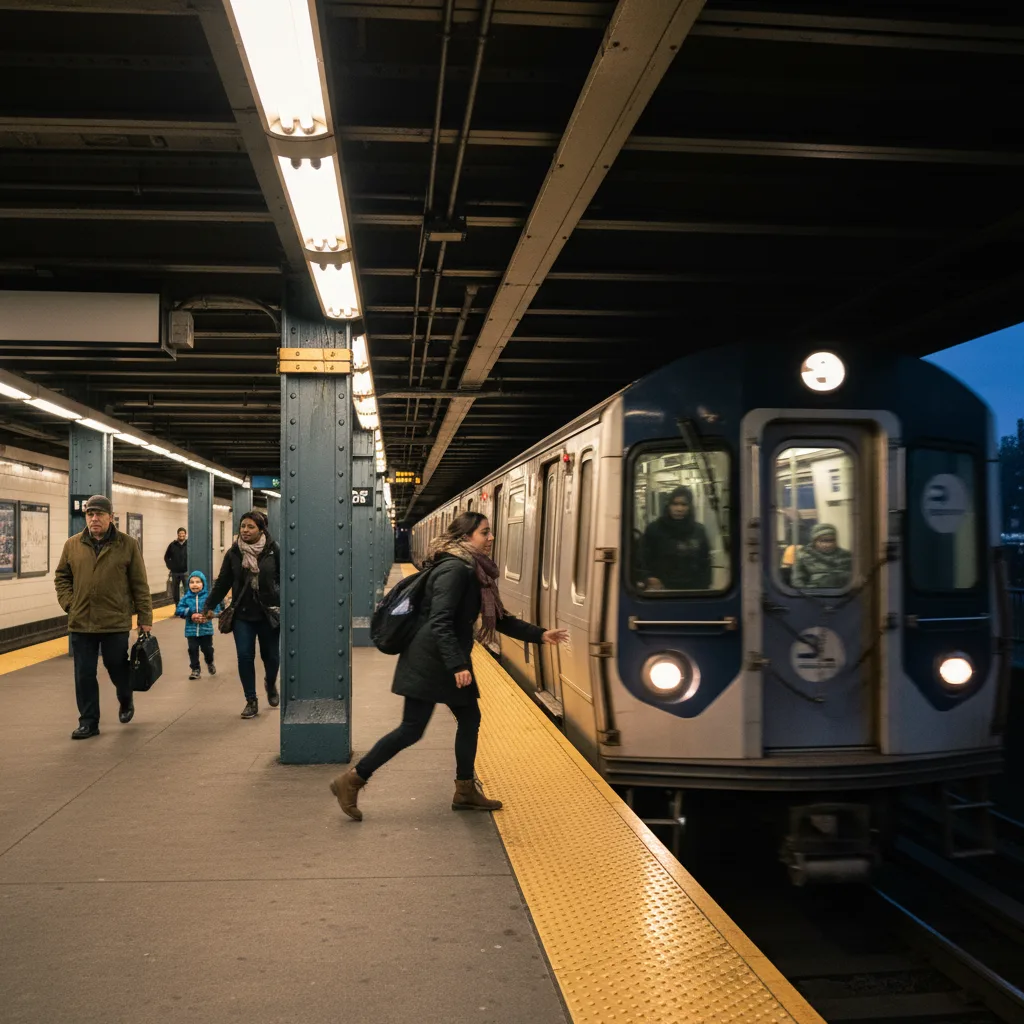
MTA Returns A Train Service to Lefferts Boulevard After 9-Day Closure
The MTA restored full A train service to Ozone Park-Lefferts Boulevard at 5 a.m. on Monday, November 16, 2026, after a nine-day suspension.
New Overnight Detour and Lane Closures Impact Queens Drivers
Queens drivers will experience an overnight eastbound detour off the Roosevelt Avenue Bridge over the Van Wyck starting Wednesday, and Cross Island Parkway lane closures at the Hillside Avenue Bridge beginning Monday.
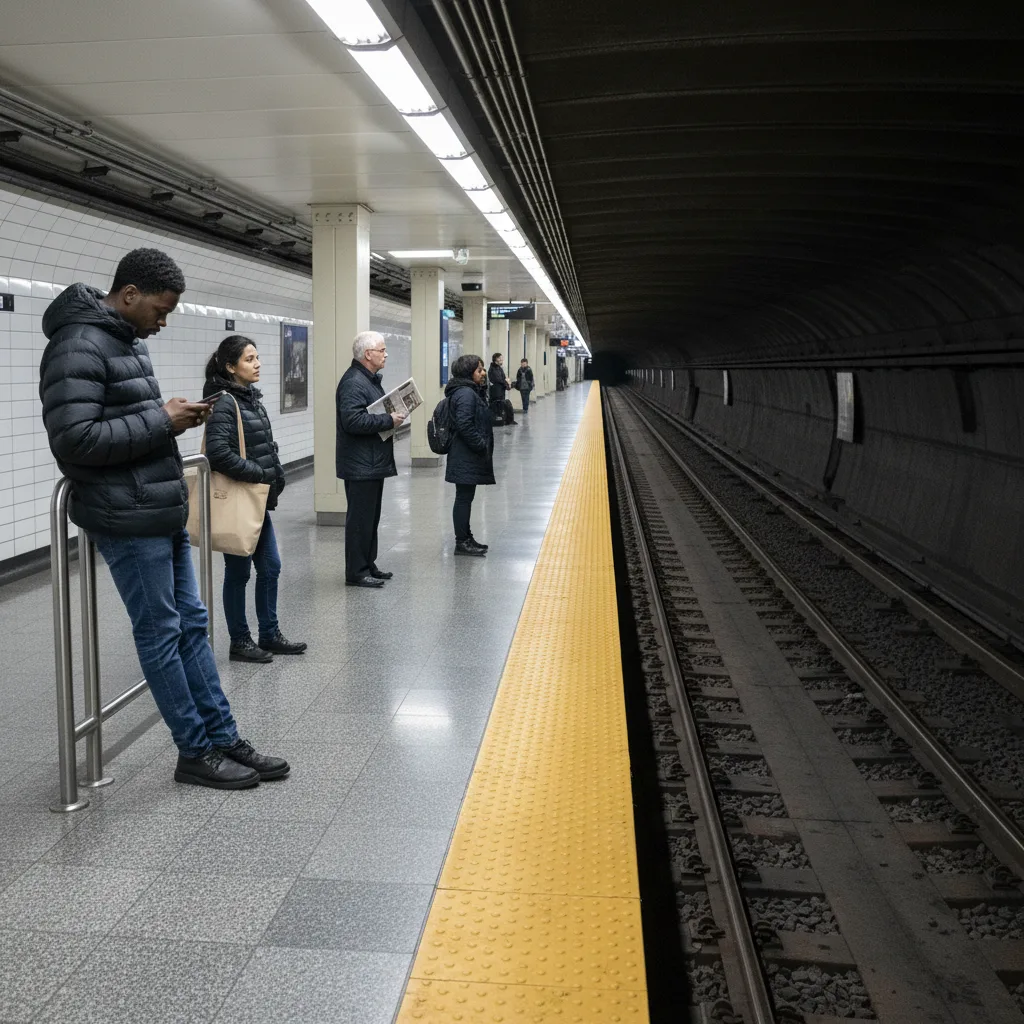
Rockaway MTA Completes Station Upgrades at Beach 60, 36, and 25 Streets
The MTA completed upgrades at three Rockaway A train stations, including new floors and brighter lights at Beach 60 St, Beach 36 St, and Beach 25 St.
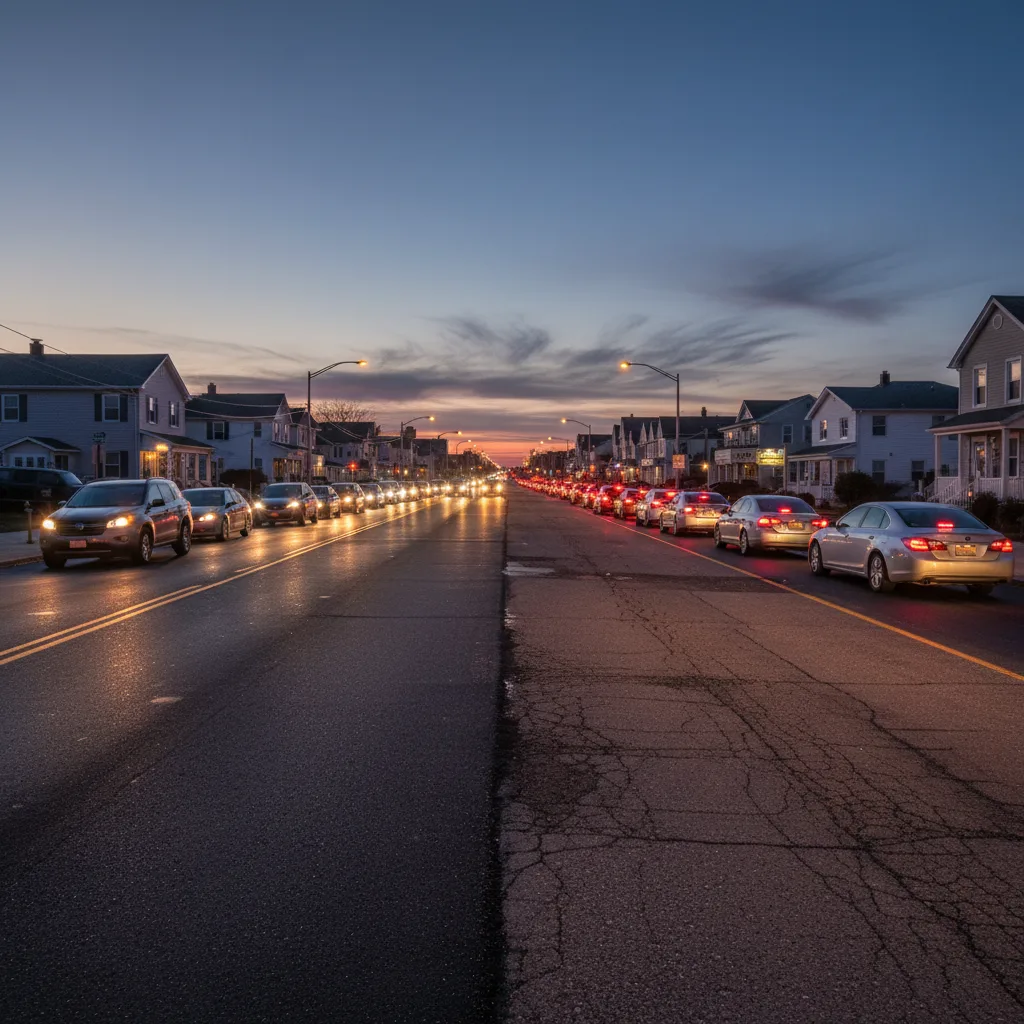
NYC DOT Redoes Cross Bay Boulevard Repaving After Broad Channel Delays
The NYC Department of Transportation is redoing repaving work on Cross Bay Boulevard due to prior shoddy efforts, causing renewed traffic delays for Broad Channel residents as of November 11, 2026.
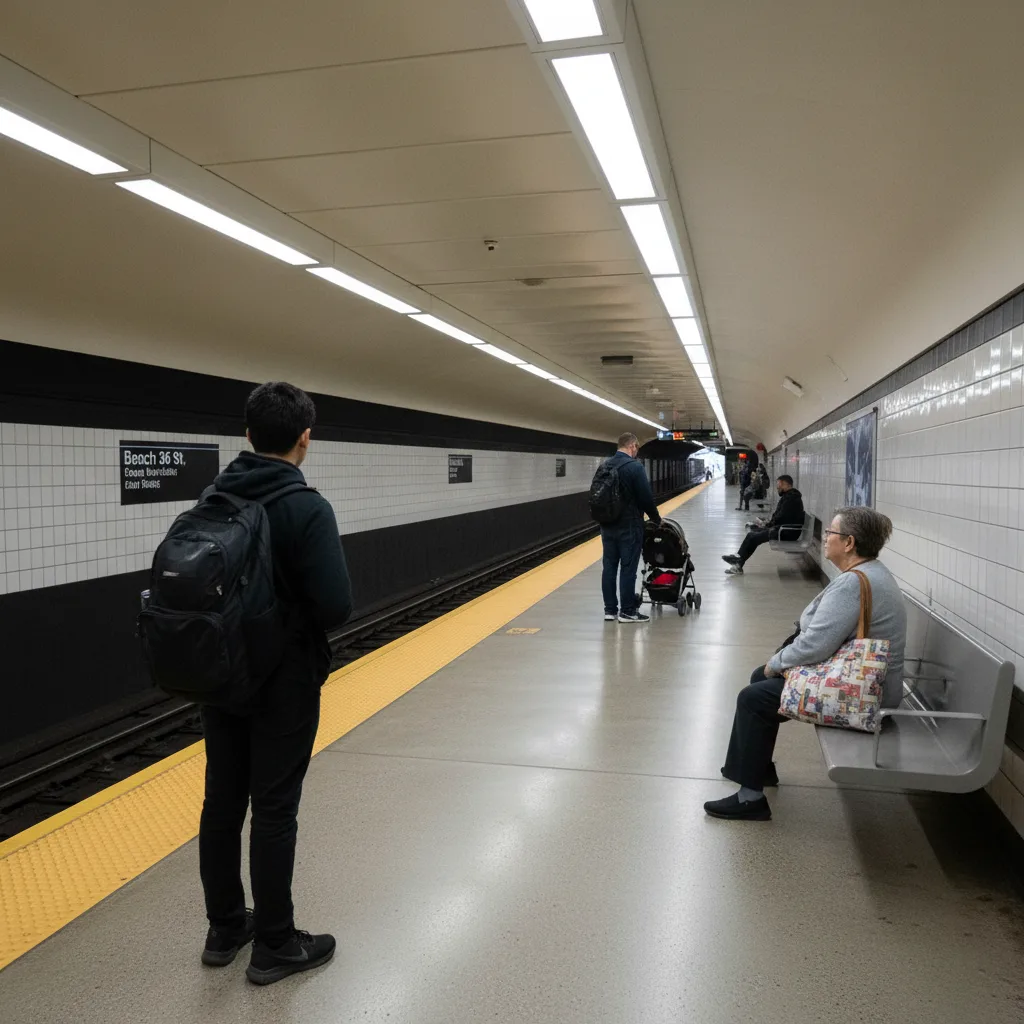
Far Rockaway Commuters See Upgrades at Three A Train Stations
The MTA completed upgrades at Beach 60 St, Beach 36 St, and Beach 25 St A train stations in Far Rockaway, including fresh paint, new floors, and brighter lights in November 2026.