


Cross Bay Boulevard: March 2026 Storm Prompts Infrastructure Review

NEW YORK — A severe rainstorm in March 2026 brought extensive traffic delays and poor visibility to Cross Bay Boulevard, leading residents to renew calls for infrastructure improvements. The inclement weather system highlighted critical vulnerabilities in the borough’s drainage and road networks, particularly along this vital transportation corridor. Commuters faced significant disruptions, with travel times often tripling during the morning rush.
Local officials are now facing increased pressure to address long-standing issues of flooding and congestion that plague the boulevard during adverse weather. The storm’s impact was widespread, affecting not only drivers but also public transportation services and local businesses reliant on smooth traffic flow. Several sections of the roadway became impassable due to standing water.
Persistent Flooding Challenges on Cross Bay Boulevard
Cross Bay Boulevard, stretching through neighborhoods like Howard Beach, Ozone Park, and Broad Channel, has historically been susceptible to flooding. The March 2026 storm merely underscored these persistent challenges, as many low-lying areas experienced significant inundation. Residents voiced frustration over what they described as inadequate stormwater management systems that fail to cope with modern weather patterns.
According to a report from Cross Bay News, community leaders are actively engaging with the Department of Transportation (DOT) and the Department of Environmental Protection (DEP) to push for concrete solutions. The concern extends beyond mere inconvenience, touching upon public safety and the economic well-being of the communities along the boulevard. The March 2026 storm's impact has galvanized local advocacy.
Community Outcry for Modernized Drainage Systems
In the aftermath of the storm, numerous residents contacted their elected officials and local news outlets, demanding immediate action on infrastructure upgrades. Many pointed out that existing drainage systems, some decades old, are no longer sufficient to handle the increased volume and intensity of rainfall. These sentiments were echoed during local community board meetings, where the storm’s effects dominated discussions.
“Every time it rains heavily, Cross Bay Boulevard turns into a river,” stated Michael Jenkins, a long-time resident of Broad Channel. He further emphasized to local reporters that “our infrastructure needs to catch up with our climate reality, or we will continue to suffer these disruptions.” This growing chorus reflects a shared frustration among those who live and work in the area.
Official Response and Proposed Solutions for Queens
Responding to the public’s concerns, a spokesperson for the Queens Borough President’s office indicated that funding for infrastructure projects remains a high priority. They acknowledged the challenges posed by an aging system and the impact of climate change on local weather patterns. Specific proposals include upgrading storm sewers, installing permeable surfaces, and creating green infrastructure solutions to absorb excess water.
However, implementing these large-scale projects often involves complex planning, significant financial investment, and considerable construction timelines. The DOT has pledged to conduct a comprehensive assessment of the boulevard’s drainage capacity, with initial findings expected later in the year. The ongoing efforts to improve local infrastructure are critical for community resilience.
Impact on Local Businesses and Emergency Services
The traffic disruption caused by the March 2026 storm had a tangible impact on local businesses operating along Cross Bay Boulevard. Many retailers and service providers reported a significant decrease in customer traffic and delivery delays. This economic setback adds to the financial pressures already faced by small businesses in the area, particularly those affected by ongoing construction or seasonal fluctuations.
Emergency services also contended with increased call volumes related to stalled vehicles and minor flooding incidents. Fire department personnel were seen assisting stranded motorists, while police redirected traffic around inundated sections of the road. Their rapid response mitigated potential hazards, but the strain on resources was evident throughout the storm’s duration.
Long-Term Vision for Cross Bay Boulevard Resiliency
The discussions stemming from the March 2026 storm are part of a broader conversation about climate resiliency for coastal communities in Queens. City planners and environmental experts are exploring long-term strategies that integrate sustainable practices with traditional engineering solutions. These plans aim to protect not only infrastructure but also residential areas from the increasing threats of extreme weather and sea-level rise.
These initiatives often involve partnerships between city agencies, community organizations, and federal programs designed to bolster urban resilience. The goal is to transform Cross Bay Boulevard into a more robust and adaptable corridor, ensuring it can withstand future climatic challenges while continuing to serve as a vital link for Queens and the Rockaways. The borough's commitment to climate adaptation is a key focus for local governance.
Frequently Asked Questions About Cross Bay Boulevard Flooding
Residents frequently ask what immediate steps the city is taking to prevent future widespread flooding on Cross Bay Boulevard. City agencies like the DEP and DOT are reportedly collaborating on emergency response protocols and conducting preliminary assessments of the most affected areas for potential short-term fixes. There are also inquiries about the expected timeline for major infrastructure overhauls, with officials indicating that comprehensive projects typically require several years of planning, funding acquisition, and construction, making immediate, large-scale changes challenging. Many locals also want to know how they can contribute to advocacy efforts for these improvements. Attending community board meetings and contacting local elected officials directly are often suggested as effective ways to make voices heard and influence policy decisions.
Written by
Newstrix
Cross Bay Current
Related Articles
More in Community →
9/11 Victims' Families Criticize Saudi Arabia, U.S. Leaders at 25th Anniversary
9/11 victims' families criticized Saudi Arabia and U.S. leaders on the 25th anniversary, reigniting accountability questions. Cross Bay Boulevard residents mark the day with personal reflection.
Queens Residents Share Sympathy for Philippines Ferry Fire Victims
Queens residents on Cross Bay Boulevard share sympathy for victims of the Philippines ferry fire, with 5 dead and 86 missing, sparking local concern.
Eiffel Tower Workers Strike Over Hindu Group's Gender Exclusion Claim
Eiffel Tower workers are striking over claims women were excluded from a Hindu group's event, sparking debate on Cross Bay Boulevard about fairness and discrimination.
Your Guide to Queens Center Mall in 2026
Explore everything you need to know about visiting Queens Center Mall in 2026, including tips on shopping, dining, events, and getting there.

Far Rockaway NYCHA Residents Decry Negligent Conditions
Far Rockaway NYCHA residents on Beach 40th Street decry negligent living conditions, citing persistent mold and pest issues. Local officials urge prompt action.
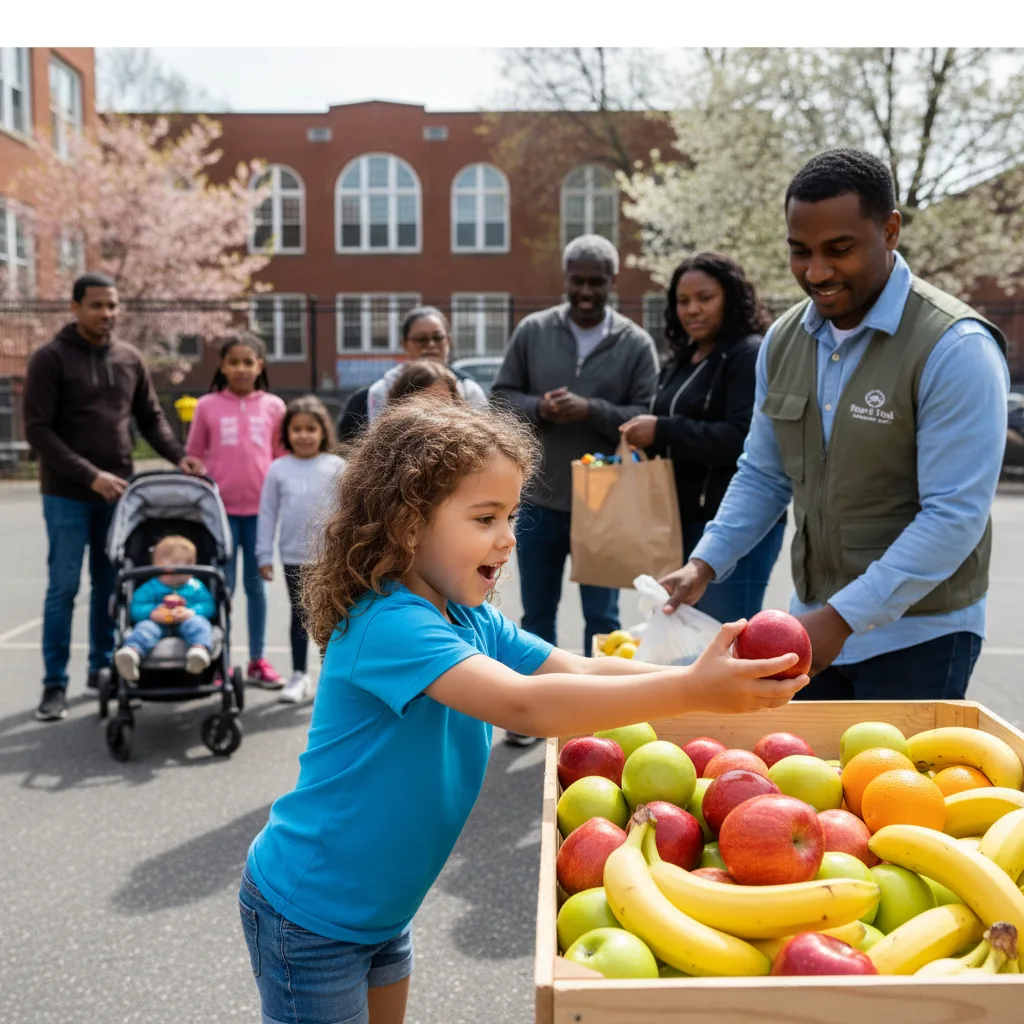
South Queens News Updates: River Fund Fights Child Poverty
The River Fund continues its vital fight against child poverty in South Queens, providing essential resources and support to vulnerable families. Their ongoing efforts address significant socioeconomic challenges and highlight the importance of community involvement.