


US Military Strikes Iran for Second Night, Heightening Queens Residents' Anxiety
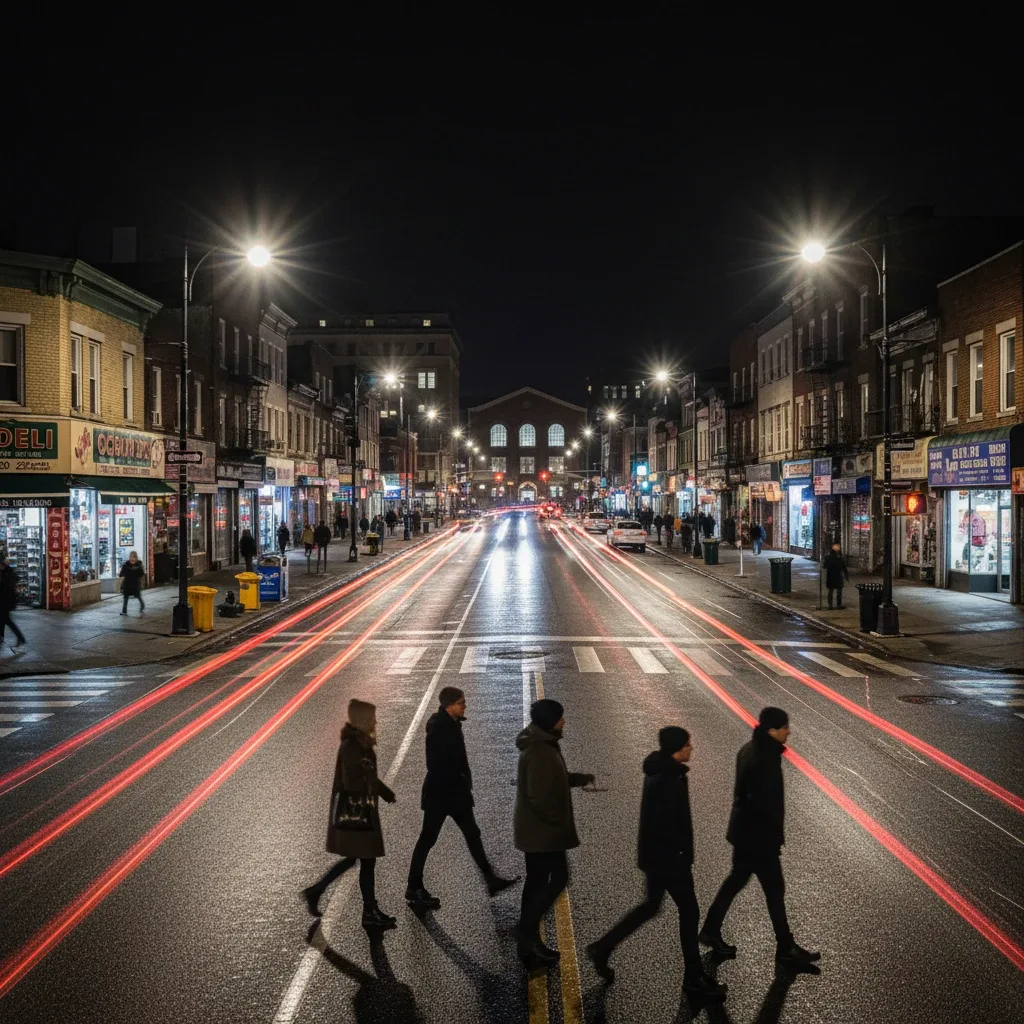
NEW YORK — The U.S. military launched a second consecutive night of strikes against Iran, signaling a major escalation in Middle East tensions after diplomacy between the two nations collapsed. This development is causing deep anxiety among residents along Cross Bay Boulevard in Queens.
Renewed Strikes Follow Diplomatic Breakdown
The U.S. military carried out approximately 170 strikes across Iran over two nights this week, CBS News reported. These actions followed a breakdown in diplomatic efforts to de-escalate tensions, which initially flared after Iran's recent attacks on commercial ships in the Strait of Hormuz.
President Trump, who had renewed threats to "hit them hard," has indicated that further military action remains an option. The collapse of diplomacy has heightened global fears of a broader conflict, with immediate impacts felt even in local communities like Queens.
Cross Bay Boulevard Communities Express Deep Anxiety
Residents along Cross Bay Boulevard are expressing deep anxiety over the news, with many discussing the potential for broader regional conflict at local bodegas and piers. "You hear about things like this, and you just wonder how it's going to affect our daily lives here," said Robert Garcia, a long-time Howard Beach resident at a local coffee shop.
Local community boards have begun holding emergency meetings to prepare residents for potential disruptions, including possible evacuations or impacts on shipping routes vital to Queens businesses. Parents are warning children about the uncertainty, while older residents recall past Gulf conflicts and worry the situation could worsen before the weekend.
Impact on Local Shipping and Commerce
The ongoing conflict in the Middle East, particularly around the Strait of Hormuz, directly threatens global shipping lanes. Cross Bay Boulevard businesses and consumers could experience ripple effects, such as increased gas prices and supply chain disruptions, similar to those seen when the Middle East conflict halts shipping and surges gas prices in Queens last year.
Queens businesses heavily rely on global supply chains for various goods, and any prolonged disruption could lead to higher operating costs and increased prices for consumers. Community leaders are working to assess the potential economic fallout for the Cross Bay area.
Historical Parallels and Community Preparedness
The current escalation has older residents reflecting on previous conflicts in the Persian Gulf, drawing parallels that stir fresh concerns. Many recall the economic uncertainties and anxieties of past military engagements in the region.
Community organizations are emphasizing preparedness, advising residents to stay informed through official channels and review personal emergency plans. These steps aim to mitigate some of the psychological and practical impacts of the unfolding international crisis on Cross Bay Boulevard communities.
Government Response and Local Consultations
City Council members representing the Cross Bay Boulevard area are reportedly in contact with federal and state officials to understand the potential local implications of the escalating conflict. They are seeking assurances regarding emergency response capabilities and economic protections for local businesses.
Discussions are underway with the Department of Homeland Security and local emergency management agencies to ensure that Queens is adequately prepared for any contingencies. The focus is on providing timely information and resources to alleviate residents' fears and maintain stability in the community.
Frequently Asked Questions
What are local community boards doing in response to these tensions? Local community boards along Cross Bay Boulevard are holding emergency meetings to discuss preparedness plans and potential impacts on residents and businesses. These meetings aim to disseminate information, address concerns about shipping disruptions and economic stability, and outline possible local response strategies. Residents are encouraged to attend for updates.
How could a conflict in the Middle East affect daily life in Queens? A prolonged conflict in the Middle East could impact Queens residents through several avenues. These include potential disruptions to global supply chains leading to increased prices for goods, higher gas prices due to oil market volatility, and a general sense of anxiety regarding global stability. Local officials are monitoring these potential effects closely and preparing contingency plans.
Written by
Newstrix
Cross Bay Current
Related Articles
More in National & World →
French Student Protests Spread, Prompting Global Concern
French student protests are spreading nationwide, with clashes and disruptions, drawing international attention as they broaden into a larger public order issue.
Middle East War Escalates, Raises Concerns for Energy Markets
Middle East war escalates with intensified fighting across Yemen and reported oil tanker attacks in Hormuz. This raises global concerns for energy markets and shipping routes.

Putin Warns West on Ukraine War Escalation 2026
Russian President Vladimir Putin warned the West against escalating the Ukraine war in 2026, fueling global alarm and raising anxiety among Cross Bay Boulevard residents.
Middle East Tensions Rise After Houthi Attack on Medina Power Substation
Middle East tensions escalate as Houthi rebels attack a power substation supplying Medina, raising global stability concerns for Cross Bay Boulevard residents. This could impact the economy.
Russian Missile and Drone Attacks Kill Two in Kyiv, Queens Reacts
Russian missile and drone attacks killed two in Kyiv. Cross Bay Boulevard residents react with sympathy, war-fatigue, and concerns about rising energy costs.
Your Essential Guide to the Rockaway Ocean Club in 2026
Discover what to expect at the Rockaway Ocean Club in 2026, a vibrant beachfront hub in Queens with dining, events, and community activities.