


Cross Bay Boulevard Sees Over 100 Million Under Air Quality Alert
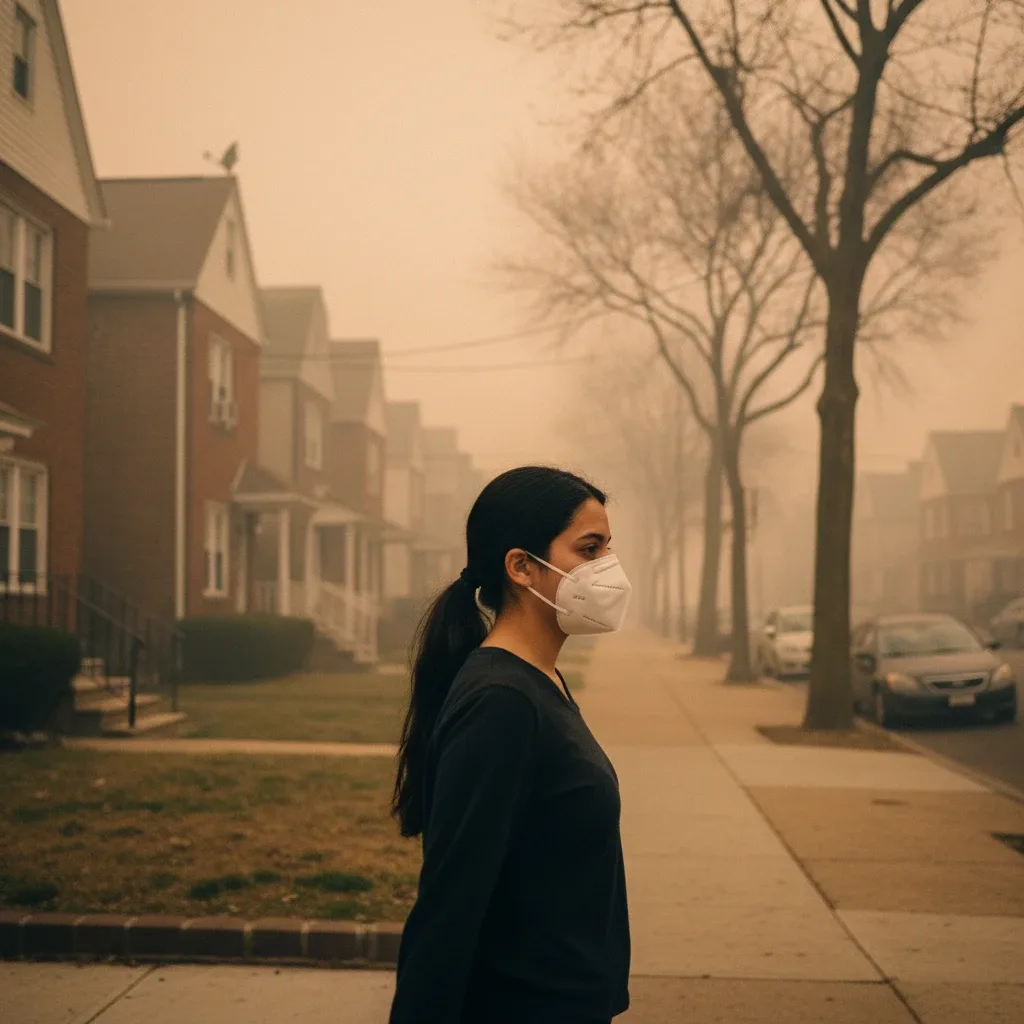
NEW YORK — More than 100 million people across the Northeast, including all residents along Cross Bay Boulevard in Queens, were under an air quality alert this week as smoke from Canadian wildfires drifted south. The widespread alert, issued by the National Weather Service, warned of unhealthy air conditions for vulnerable populations, prompting health advisories across the metropolitan area.
Wildfire Smoke Blankets Cross Bay Boulevard and Northeast
The National Weather Service confirmed that over 100 million individuals across a vast swath of the northeastern United States, including Queens, were affected by an air quality alert this week. This alert, which impacted communities from Washington D.C. to New England, was triggered by thick plumes of smoke originating from persistent Canadian wildfires. The air quality index (AQI) in areas along Cross Bay Boulevard frequently registered in the "unhealthy for sensitive groups" category, and at times spiked into the "unhealthy" range for the general population. This widespread aerial phenomenon created hazy skies and a distinctive, acrid smell.
Health officials from the New York City Department of Health and Mental Hygiene (DOHMH) advised residents to limit prolonged outdoor activity, especially for children, the elderly, and those with respiratory conditions such as asthma. The DOHMH's advisory, released Wednesday, specifically recommended staying indoors with windows closed and utilizing air purifiers if available. The pervasive smoke served as a stark reminder of how far-reaching environmental issues can impact urban centers, transforming the skies over Howard Beach and Broad Channel. Over 100 Million Under Air Quality Alert as Wildfire Smoke Chokes Cross Bay Boulevard provides additional detail.
Health Impacts and Vulnerable Populations in Queens
The primary health concern associated with wildfire smoke is the presence of fine particulate matter, known as PM2.5, which can penetrate deep into the lungs and even enter the bloodstream. DOHMH medical experts warned that exposure to elevated levels of PM2.5 can exacerbate existing heart and lung diseases, trigger asthma attacks, and cause respiratory symptoms like coughing, wheezing, and shortness of breath. The advisory was particularly critical for residents living in areas with higher population densities and pre-existing health conditions, common in parts of Queens.
Local clinics along Cross Bay Boulevard reported an uptick in patients presenting with respiratory complaints throughout the week, though official statistics are still being compiled. Dr. Lena Khan, a pulmonologist at Jamaica Hospital Medical Center, emphasized the importance of following official health guidance. "Even seemingly mild symptoms can worsen quickly, especially for individuals with chronic conditions," Dr. Khan told NBC New York Thursday. She stressed that wearing N95 masks outdoors can offer some protection, particularly when air quality dips into the "unhealthy" range.
Environmental Context of Recurring Canadian Wildfires
The Canadian wildfire season has become increasingly severe and prolonged in recent years, a trend that climate scientists link to rising global temperatures and drier conditions across vast swaths of North America. This season, specifically, has seen unprecedented early activity in provinces like Quebec and Ontario, contributing to the massive smoke plumes affecting the Northeast. The scale and intensity of these fires are creating a growing environmental challenge that directly impacts urban centers far removed from the actual blaze.
The smoke from these fires often travels hundreds, if not thousands, of miles, carried by prevailing winds. As the climate continues to change, experts predict that events like these will become more frequent and potentially more severe, making air quality alerts a more common occurrence for communities like those along Cross Bay Boulevard. This environmental reality underscores the interconnectedness of global climate patterns and local public health, requiring adaptable responses from city planning and public health agencies.
Community Response and Local Protective Measures
In response to the air quality alert, community centers and schools along Cross Bay Boulevard took proactive measures to protect residents. Several outdoor sports practices and school recess activities were canceled or moved indoors to limit children's exposure to the poor air quality. The Howard Beach Senior Center extended its indoor operating hours, providing a safe, air-conditioned space for elderly residents to avoid outdoor contaminants. These rapid responses reflected a growing awareness and preparedness within local institutions for such environmental challenges.
Local pharmacies reported an increase in sales of N95 masks and over-the-counter allergy and asthma medications, indicating a public scramble to mitigate the personal impact of the smoke. Community leaders also utilized social media channels to disseminate DOHMH advisories and share practical tips for staying safe. This collective effort showcased the resilience of the Cross Bay Boulevard community in adapting to and managing unforeseen environmental threats that directly impact their daily lives.
Long-Term Air Quality Concerns and Public Health Strategy
The recurring nature of widespread wildfire smoke events is prompting public health officials in New York City to consider long-term strategies for air quality management. This includes investing in more advanced air monitoring systems and developing more robust communication protocols to ensure timely alerts reach all communities, including those in Broad Channel and Howard Beach. The DOHMH is also exploring public education campaigns focused on indoor air quality and ventilation, particularly for buildings without modern air filtration systems. The aim is to build greater resilience against future airborne pollutants.
Experts suggest that urban planning might also need to adapt, with greater consideration given to green spaces that can help filter air and reduce urban heat island effects. While the immediate focus remains on managing current events, the broader conversation is shifting towards sustainable solutions that can protect New Yorkers from the increasing frequency and intensity of climate-related environmental hazards. These discussions are critical for safeguarding public health on Cross Bay Boulevard and across the five boroughs in the years to come.
Frequently Asked Questions
What are the primary recommendations for residents of Cross Bay Boulevard during an air quality alert due to wildfire smoke? During an air quality alert, residents should limit prolonged or strenuous outdoor physical activity. It is advisable to stay indoors with windows and doors closed, use air conditioning if available, and consider using an air purifier. Vulnerable groups, such as children, the elderly, and individuals with respiratory or heart conditions, should take extra precautions and consult their doctors if they experience symptoms.
How does the DOHMH communicate air quality alerts to the Cross Bay Boulevard community? The DOHMH disseminates air quality alerts through various channels, including their official website, social media accounts, and local news outlets. Alerts are also shared with community organizations, schools, and healthcare providers to ensure wide reach. Residents can also sign up for personalized alerts via the city's Notify NYC system for real-time updates directly to their phones.
Written by
Newstrix
Cross Bay Current
Related Articles
More in Health & Weather →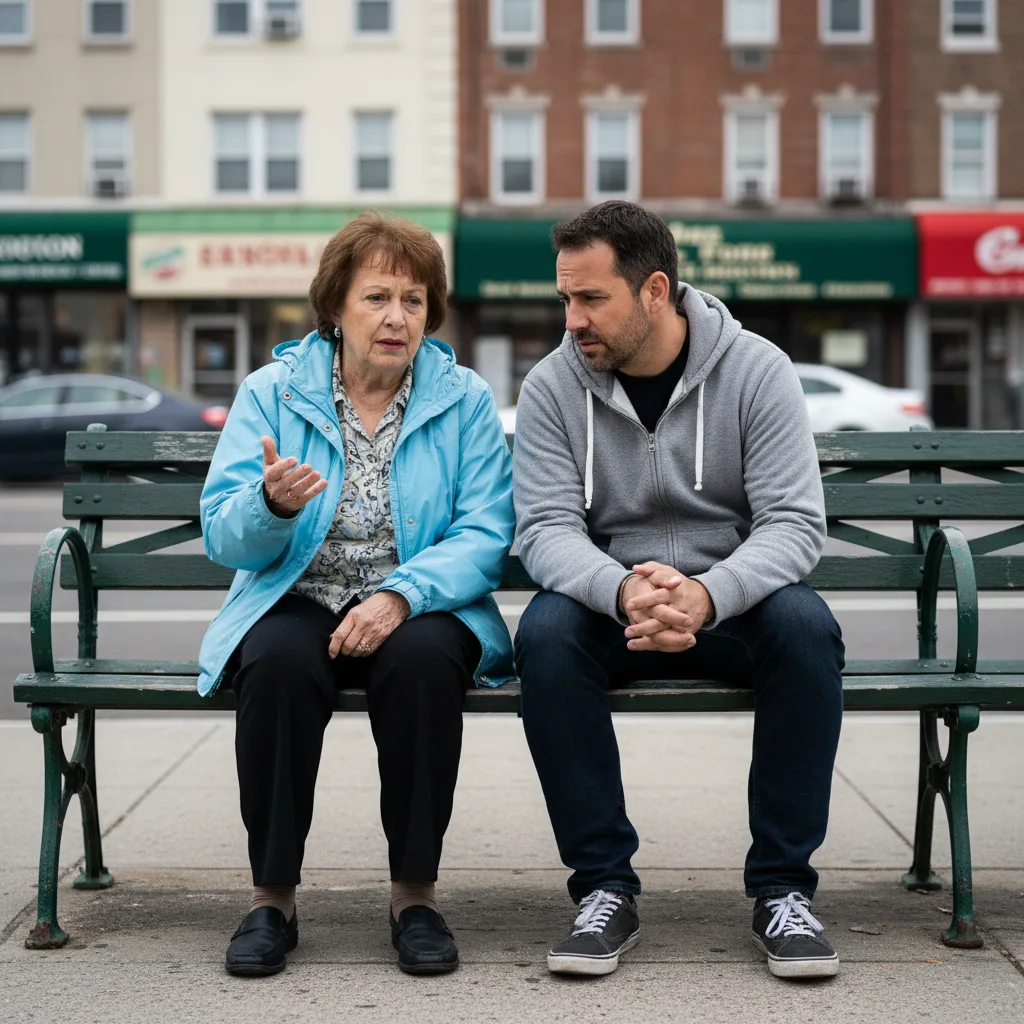
Cross Bay Boulevard Residents Concerned by Congo Ebola Surge
Congo Ebola cases exceed 5,000, causing concern among Cross Bay Boulevard residents about masks, travel, and health security. Queens locals view it as a public health warning.
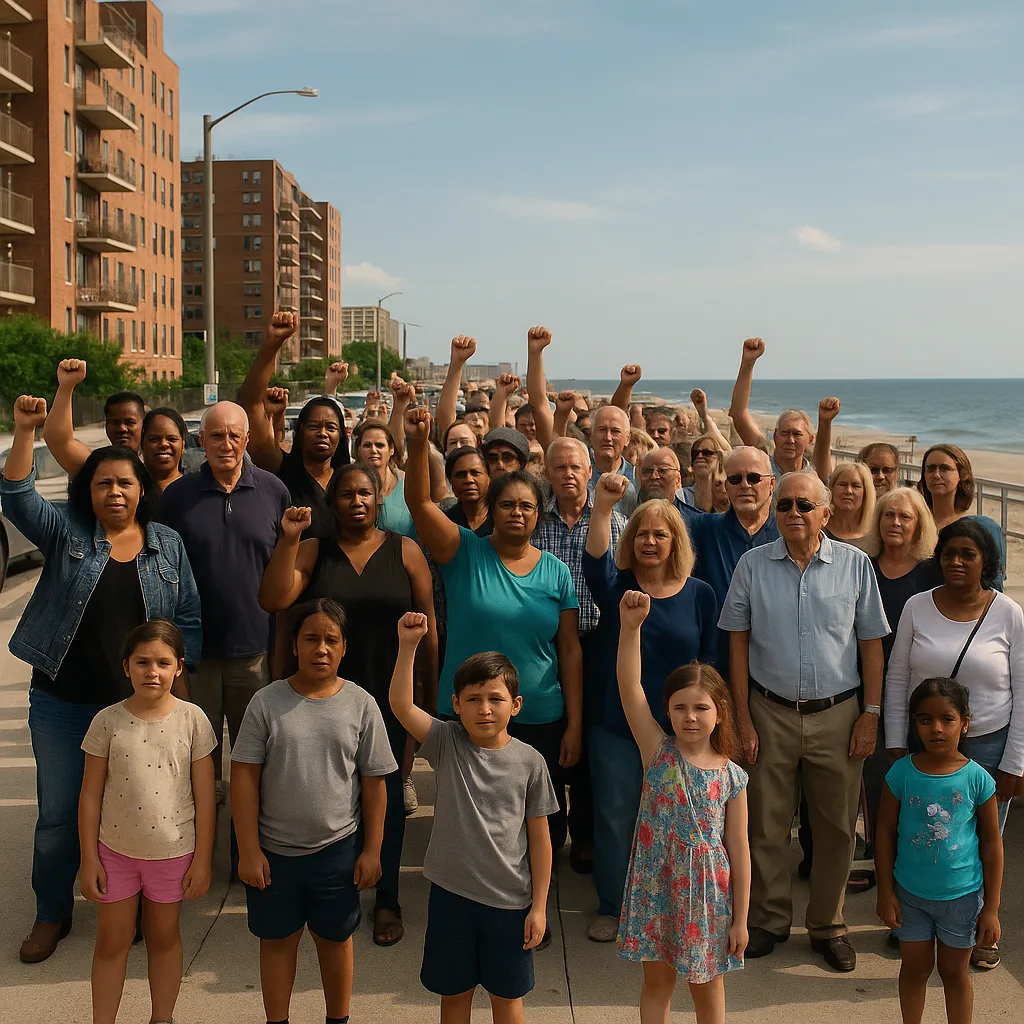
Mamdani Pushed to Fully Fund Far Rockaway Trauma Center with $150M
Elected officials and advocates urge Mayor Mamdani to fully fund the Far Rockaway trauma center, citing a $150 million budget gap crucial for Queens residents.
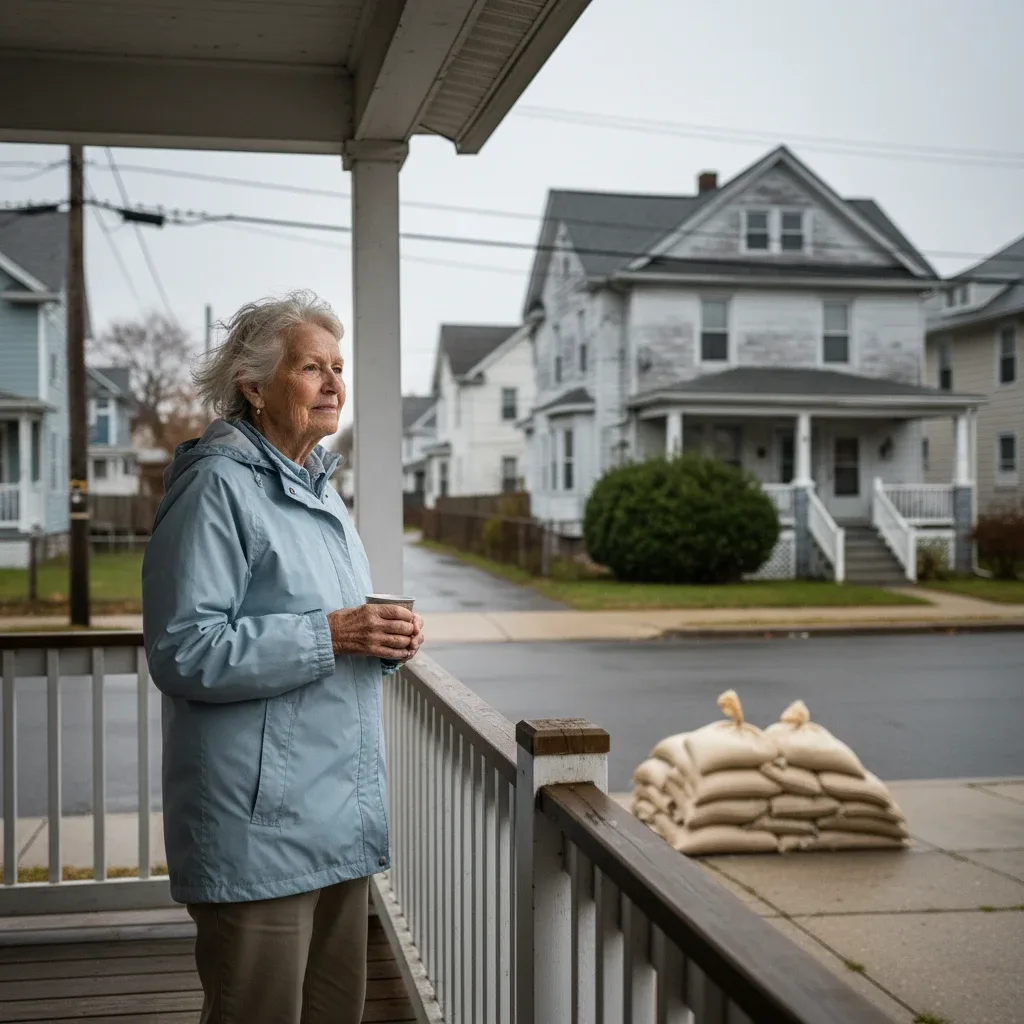
Cross Bay Boulevard Residents Prepare for Typhoon Bavi's Potential Impact
Cross Bay Boulevard residents are preparing for Typhoon Bavi's potential ripple effects, including travel and supply chain disruptions. The storm brings memories of past weather events to Queens.

Cross Bay Boulevard Residents Monitor Typhoon Bavi Path, Prepare for Potential Impact
Cross Bay Boulevard residents are preparing for potential severe weather impacts as Typhoon Bavi churns toward Taiwan, prompting emergency advisories.
100 Million Under Air Quality Alert as Wildfire Smoke Chokes Cross Bay Boulevard
Over 100 million people are under air quality alerts as Canadian wildfire smoke chokes Cross Bay Boulevard, Queens. Residents cancel outdoor activities, and businesses move inside due to the thick, unhealthy haze affecting daily life.

Cyclosporiasis Outbreak Grips 34 States, Cross Bay Residents Cautious
Nearly 7,000 cyclosporiasis cases reported across 34 states, sparking caution among Cross Bay Boulevard residents. Food safety is critical.