


Cross Bay Boulevard Commuters Face Delays Amid March 2026 Rain

NEW YORK — Commuters along Cross Bay Boulevard experienced significant traffic delays and reduced visibility this week as heavy rainfall blanketed Queens in early March 2026. The inclement weather severely impacted morning and evening commutes for thousands of residents, transforming routine drives into prolonged struggles against standing water and limited sightlines.
Major Commuting Disruptions on Cross Bay Boulevard
The rainfall, which began early Monday morning and continued intermittently through Wednesday, led to widespread pooling of water on key sections of Cross Bay Boulevard, particularly near the Belt Parkway underpass and around the Howard Beach business district. These conditions created bottlenecks, causing average commute times to double and even triple during peak hours, according to data collected by the NYC Department of Transportation (DOT). Drivers reported instances where the median speed dropped to under 10 miles per hour on major stretches.
Local bus routes, heavily reliant on Cross Bay Boulevard, also faced substantial schedule deviations. The Q53, Q21, and Q84 lines experienced delays averaging 25-40 minutes per trip, frustrating passengers attempting to reach destinations like Rockaway Beach or connecting subway lines. Metropolitan Transportation Authority (MTA) officials confirmed the delays but noted service was maintained despite the challenging conditions.
Impact on Local Businesses and Daily Life
The severe weather and subsequent traffic disruptions had a noticeable ripple effect on local businesses along Cross Bay Boulevard. Foot traffic significantly decreased, and many delivery services reported difficulties in meeting their schedules. Several businesses, including a popular hardware store near 160th Avenue, noted a sharp decline in lunchtime customers during the week. This economic slowdown follows a trend seen by Cross Bay Boulevard businesses facing similar traffic and accident-related dips in previous months.
"It's tough when the weather gets like this," stated Michael Chen, owner of a small diner on the Boulevard. "People just don't come out, and deliveries get stuck. We lose a lot of business in just a few days." The combination of heavy rain and low visibility created a palpable sense of caution among residents, many opting to stay home rather than navigate the treacherous roadways, as observed by Crossbay News.
Historical Precedent of Queens Weather Challenges
Queens, particularly its low-lying coastal areas like Howard Beach and Broad Channel, is no stranger to weather-related traffic and flooding issues. Historical records from the New York City Office of Emergency Management (OEM) indicate that heavy rainfall events in the spring and fall frequently lead to localized flooding and road closures. The outdated drainage infrastructure in certain areas, particularly those built decades ago, struggles to cope with modern storm intensities. This recurring problem highlights long-standing infrastructure challenges.
The current events underscore the ongoing need for infrastructure improvements, a topic that has seen some recent movement with the NYC DOT beginning a $15 million safety upgrade on Cross Bay Boulevard earlier in 2026. These upgrades aim to enhance pedestrian safety and address some drainage concerns, but their full impact is yet to be realized.
Community Concerns and DOT Response
Community Board 10 members voiced concerns during their weekly meeting Monday night about the recurring nature of these traffic problems. They urged the Department of Transportation to implement more effective solutions beyond temporary lane closures and increased signage. Councilwoman Joann Ariola's office confirmed receiving numerous complaints from constituents regarding the hazardous driving conditions.
"Our residents deserve to travel safely and efficiently, regardless of the weather," Councilwoman Ariola told reporters Friday. "We are actively working with the DOT and other city agencies to explore both immediate and long-term solutions to alleviate these chronic issues on Cross Bay Boulevard." The DOT acknowledged the community's frustration and pledged to monitor weather patterns and traffic impacts closely for future preparedness.
Looking Ahead: Addressing Drainage and Traffic Flow
City planners are reportedly reviewing options for upgrading the drainage systems along the entire length of Cross Bay Boulevard, a complex and costly endeavor. Preliminary studies suggest that a comprehensive overhaul could take several years and involve significant disruptions to traffic during construction. In the interim, the DOT is exploring more efficient deployment of rapid-response drainage crews during forecasted heavy rain events. This proactive stance aims to minimize the immediate impact on commuters.
The discussions also include potential adjustments to traffic signal timing during inclement weather to improve vehicle flow and reduce congestion at key intersections. While these are short-term solutions, they represent efforts to ease the burden on Cross Bay Boulevard residents. Residents can sign up for NYC Emergency Management alerts for real-time traffic updates during future storms.
Frequently Asked Questions
What are the primary causes of recurring traffic delays on Cross Bay Boulevard during heavy rain? The main causes include an outdated drainage infrastructure that struggles to handle intense modern storm intensities, leading to localized flooding and pooling of water on the roadway. Additionally, the sheer volume of traffic, especially during peak commuting hours, exacerbates congestion when even minor impediments occur, according to analyses by the NYC Department of Transportation. This combination makes the boulevard particularly vulnerable to weather-related slowdowns.
How can Howard Beach and Broad Channel residents prepare for future heavy rainfall events impacting Cross Bay Boulevard? Residents should monitor weather forecasts closely and consider alternative routes or public transportation options during predicted heavy rain. Signing up for NYC Emergency Management alerts can provide real-time updates on road conditions and closures. Additionally, allowing extra travel time for commutes and exercising extreme caution when driving through standing water are critical safety measures, advised by local law enforcement officials.
Written by
Newstrix
Cross Bay Current
Related Articles
More in Transportation & Traffic →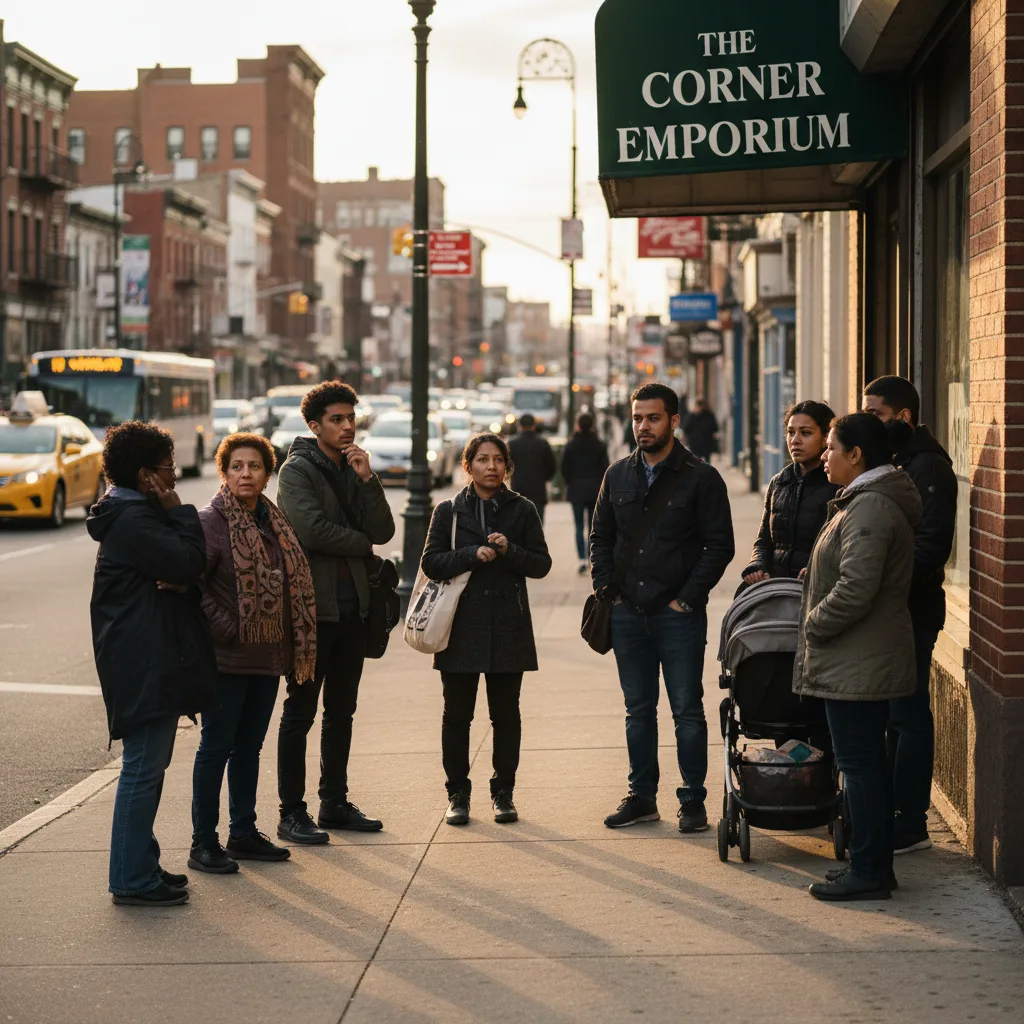
Cross Bay Boulevard Residents Anxious After Indonesia Ferry Disaster
Cross Bay Boulevard residents express anxiety over the Indonesia ferry disaster, drawing comparisons to local NYC transit safety, affecting those with overseas ties.
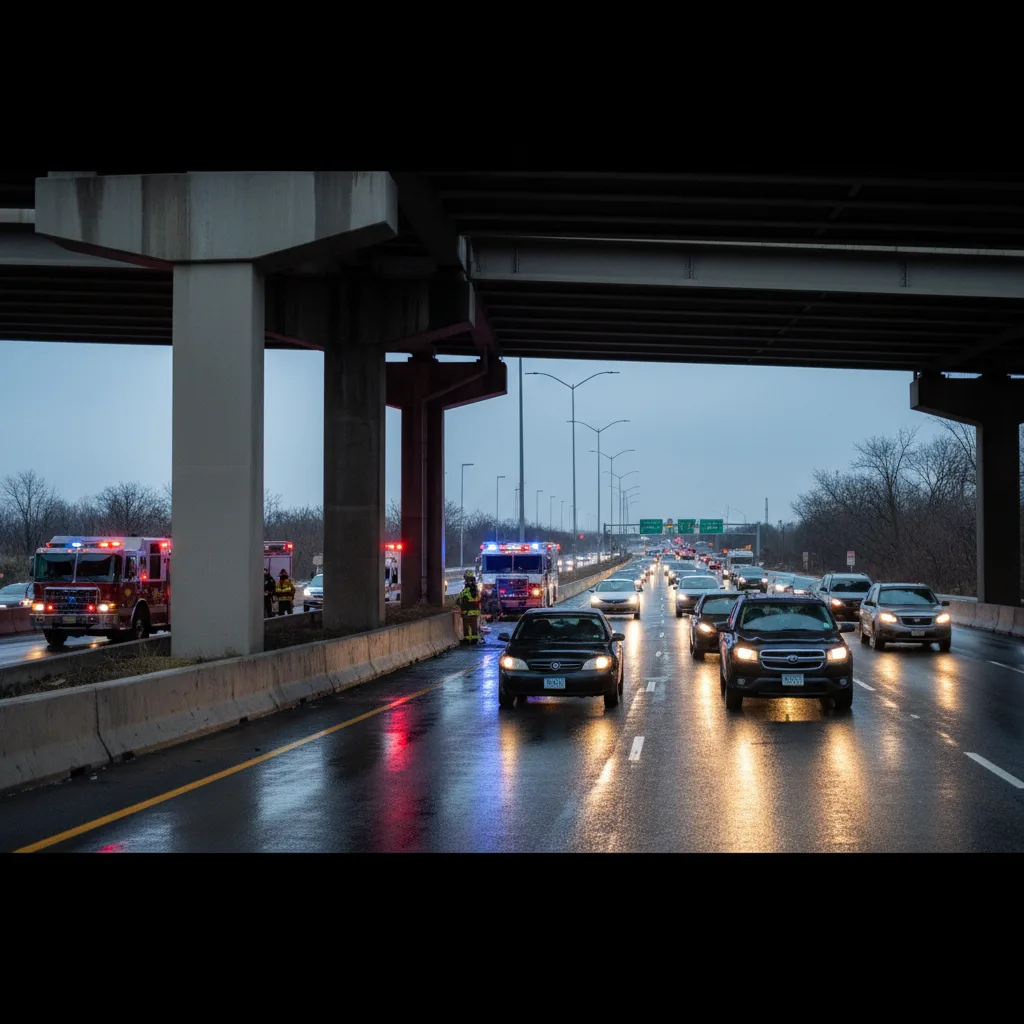
Howard Beach News Reports Vehicle Collision, Q41 Bus Updates
Howard Beach News reported a vehicle collision near Cross Bay Blvd and Belt Pkwy, Q41 bus updates, and beach closures due to Hurricane Erin on Sept. 11, 2026, impacting local travel.
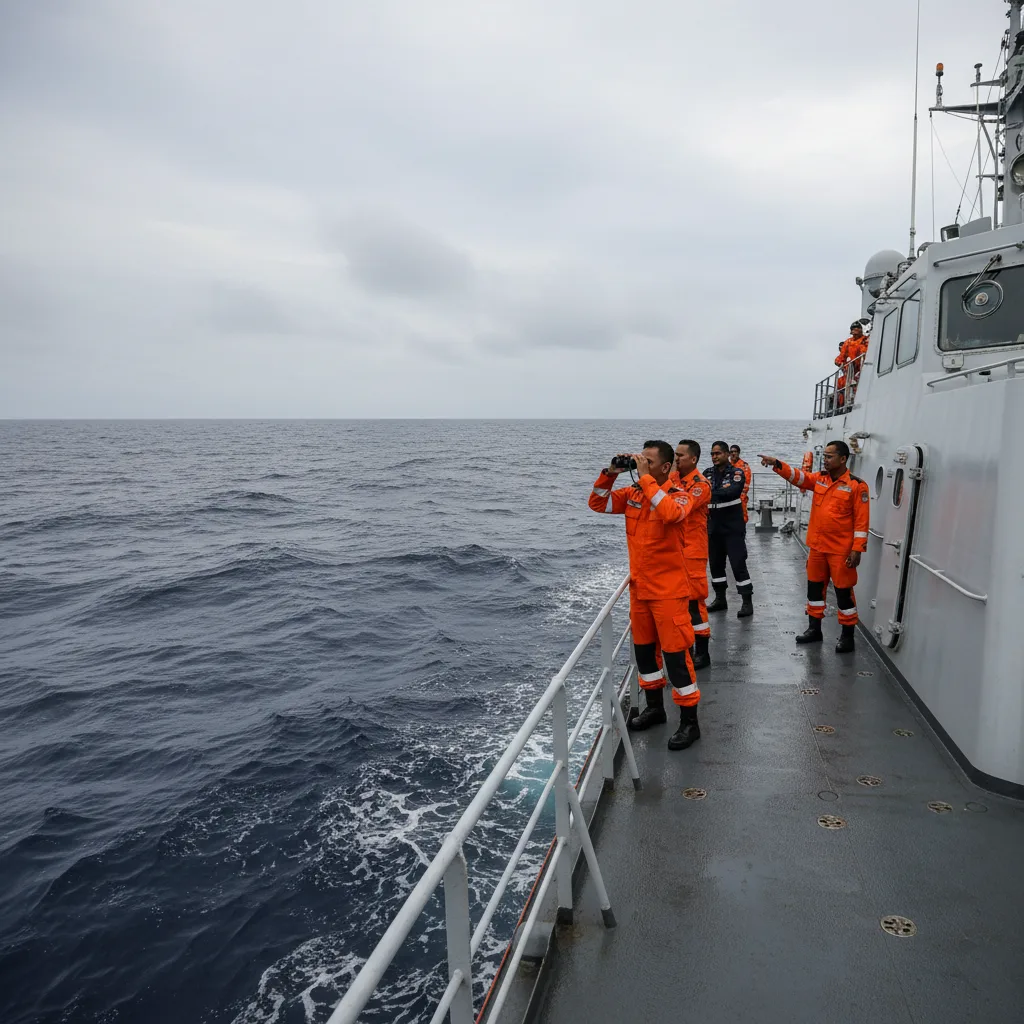
Indonesia Disaster: Rescuers Search for 140 After Java Sea Ship Incident
Rescue teams are searching for 140 people after an Indonesian passenger ship lost contact in the Java Sea. The disaster sparks local travel safety discussions.

Cross Bay Boulevard Commuters Face Travel Anxiety After Ferry Disaster Off Vanuatu
Cross Bay Boulevard commuters face heightened travel anxiety after a ferry sank off Vanuatu, leaving one dead and over 30 missing, prompting local safety discussions.
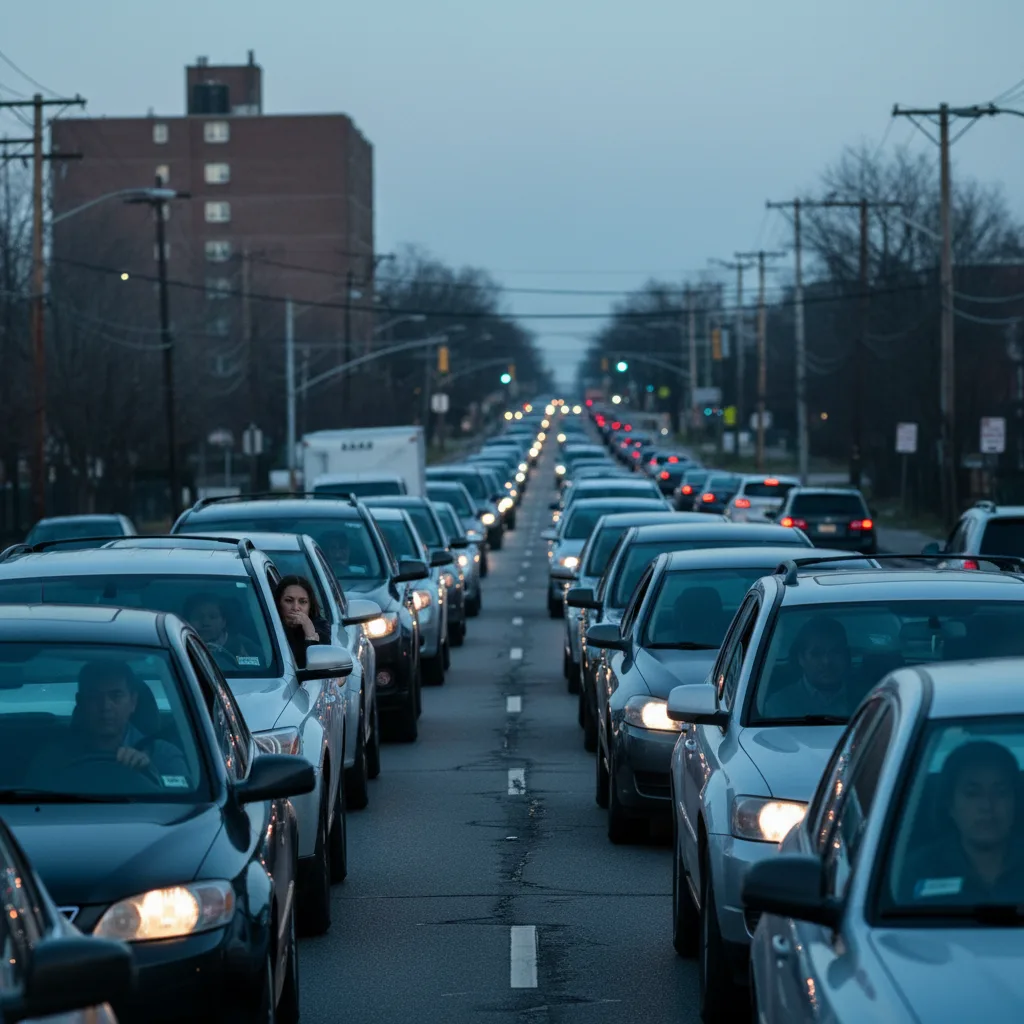
Cross Bay Corridor Commuters Face Delays After Queens Hit-and-Run
Cross Bay Boulevard commuters faced extensive delays Friday after a fatal hit-and-run in Queens Village, highlighting traffic vulnerability in the area.
UK Air Traffic Control Issue Causes Flight Delays, Impacts Queens Travelers
Queens residents face travel chaos as a UK air traffic control issue causes widespread flight delays today, impacting international travel plans and connections.