


Cross Bay Bridge Maintenance Scheduled, Anticipate Commute Delays

NEW YORK — The Joseph P. Addabbo Memorial Bridge, a vital link on Cross Bay Boulevard connecting Broad Channel to the Rockaway Peninsula, is scheduled for significant maintenance work beginning in Fall 2026. This essential infrastructure project will address structural integrity concerns and update critical operating mechanisms, necessitating lane closures and intermittent full bridge closures. Commuters and local businesses are advised to anticipate substantial delays and plan alternative routes for the duration of the work.
The Department of Transportation (DOT) announced the multi-million dollar project, citing routine inspections that identified the need for comprehensive repairs to the bridge’s decking, support structures, and drawbridge machinery. The work is projected to last approximately 18 months, concluding by Spring 2028. This long-term investment ensures the continued safe passage of millions of vehicles and pedestrians annually over the important waterway.
Essential Upgrades for a Critical Queens Lifeline
The Addabbo Memorial Bridge, constructed in 1937 and last undergoing major repairs in the late 1990s, serves as the sole vehicular access point for Broad Channel residents to the Rockaways, and a primary route for all traffic heading further south. Its daily traffic volume exceeds 30,000 vehicles, making its ongoing maintenance paramount. The upcoming work will involve replacing sections of the steel framework, repaving the roadway, and modernizing the electrical and hydraulic systems for the drawbridge.
“The Addabbo Bridge is a lifeline for our coastal communities, and these upgrades are non-negotiable for public safety,” stated Councilwoman Joann Ariola, whose district heavily relies on the bridge, during a press briefing on September 1, 2026. She confirmed that a budget of $25 million has been allocated for these necessary improvements. This proactive investment safeguards critical infrastructure, a key component of urban resilience.
Managing Traffic Disruptions and Public Outreach
Recognizing the profound impact on daily commutes, the DOT has developed a comprehensive traffic management plan. This includes staggering lane closures to minimize congestion during peak hours, although delays will be unavoidable. During certain critical phases of the work, full overnight bridge closures will be necessary, with specific dates and times to be announced well in advance through variable message signs and local media. Commuters can also expect temporary detours through other parts of Queens, such as along the Belt Parkway entrance near Howard Beach.
Public outreach efforts will include informational sessions hosted by the DOT and local community boards, providing residents with detailed schedules and alternative transportation options. These sessions, starting in October 2026, will address concerns and offer opportunities for feedback. The goal is to keep the public well-informed, mitigating frustration and ensuring that essential travel remains possible, even if delayed.
Impact on Local Businesses and Emergency Services
Local businesses in Broad Channel and the Rockaways, particularly those reliant on timely deliveries and customer access via the bridge, are preparing for potential operational challenges. Seafood restaurants, bait shops, and construction companies anticipate logistical adjustments. The Broad Channel Civic Association is working with local merchants to identify strategies for minimizing economic disruption, ensuring continued viability.
Emergency services, including FDNY and NYPD, are also coordinating with the DOT to ensure rapid response times are maintained despite potential traffic impedance. Contingency plans involve pre-positioning resources and identifying alternate routes for ambulances and fire trucks. Captain Robert Jones of the 100th Precinct assured residents on September 5, 2026, that emergency response will not be compromised, prioritizing public well-being above all.
Environmental Considerations and Project Safety
The maintenance project includes strict environmental protocols to protect the sensitive Jamaica Bay estuary beneath the bridge. Contractors are required to implement measures to prevent debris from entering the water and to minimize noise pollution affecting local wildlife. Environmental monitors will be on site daily to ensure compliance with all regulations, safeguarding the natural habitat.
Worker safety is also a paramount concern, with stringent safety standards and procedures enforced throughout the construction period. The project site will be clearly marked, and public access to work zones will be restricted to prevent accidents. This dual focus on environmental protection and worker safety underscores a holistic approach to large-scale infrastructure projects in New York City, demonstrating a commitment to responsible development.
Frequently Asked Questions About Addabbo Bridge Maintenance
Many residents are asking about the best alternative routes during bridge closures. While the Cross Bay Bridge is the primary access, routes via the Marine Parkway-Gil Hodges Memorial Bridge to the west or further inland routes through Queens and Brooklyn will be necessary. Public transportation, including the A train to Rockaway Park-Beach 116th Street, will be crucial during periods of heavy congestion. The DOT encourages using mass transit where possible.
Another common question concerns financial assistance for businesses impacted by the delays. While direct compensation for lost revenue is not typically provided, the city is exploring programs that could offer small business support, such as marketing assistance to attract customers through alternative routes or expedited permitting for temporary delivery solutions. These measures aim to cushion the economic blow for local enterprises, ensuring community resilience.
Written by
Newstrix
Cross Bay Current
Related Articles
More in Development & Infrastructure →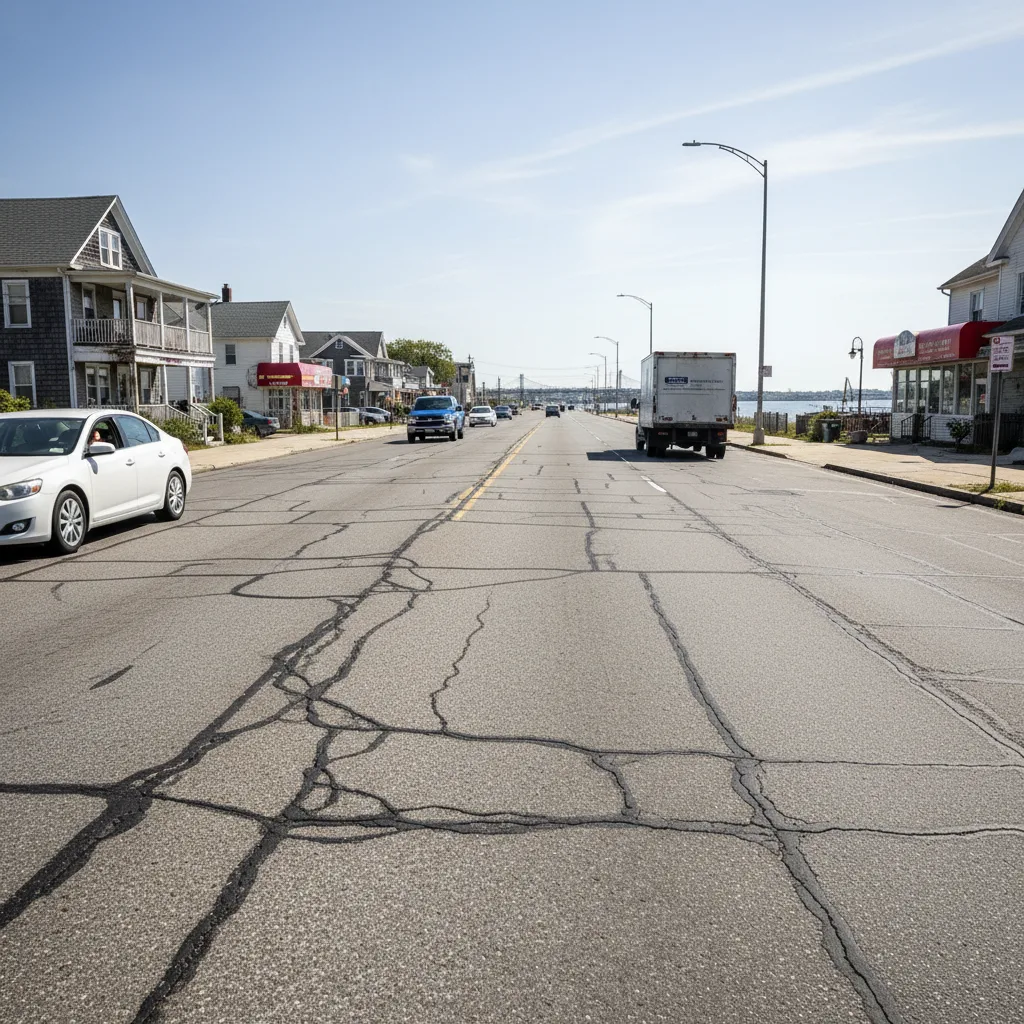
City Councilwoman Joann Ariola Labels Cross Bay Boulevard Repaving 'Abominable'
City Councilwoman Joann Ariola labeled the Cross Bay Boulevard repaving 'abominable,' echoing resident dissatisfaction with the NYC DOT's work in Broad Channel.
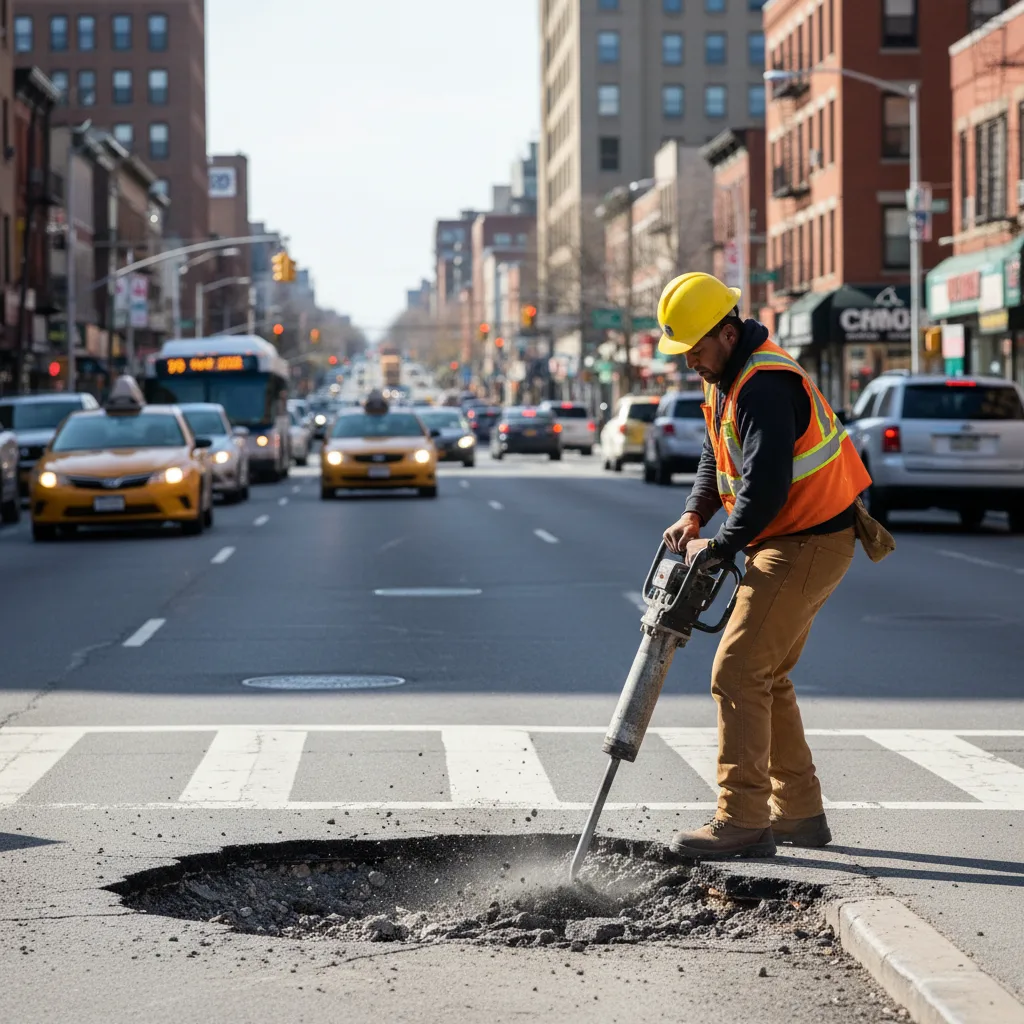
Cross Bay Boulevard Begins $15M Safety & Traffic Calming Project 2026
A $15 million multi-phase project has begun on Cross Bay Boulevard in Queens, enhancing pedestrian safety and mitigating vehicle speeds, with phase one concluding in late 2026.
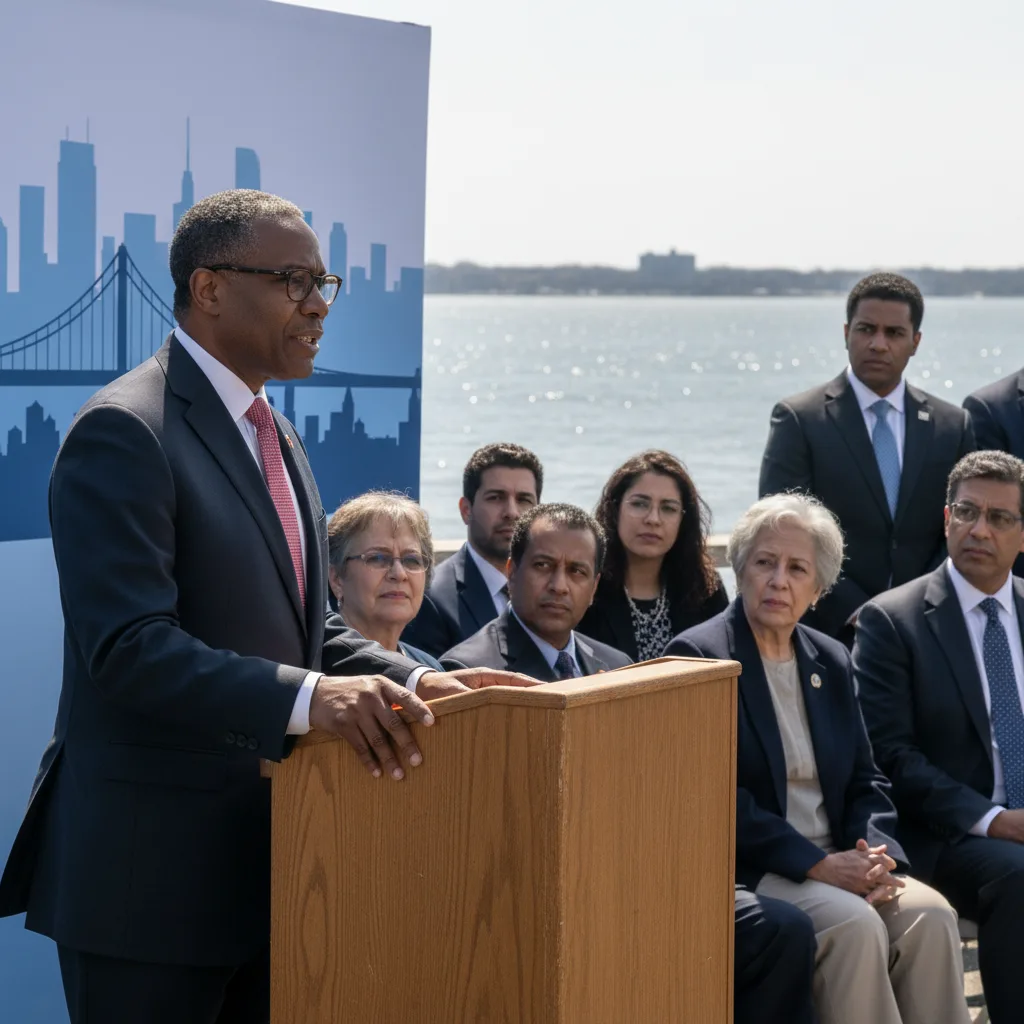
Mayor Adams Unveils $35M Cross Bay Boulevard Waterfront Revitalization Plan 2026
Mayor Eric Adams unveiled a $35 million plan to revitalize the Cross Bay Boulevard waterfront, transforming the Rockaways' gateway and boosting quality of life for Queens residents.
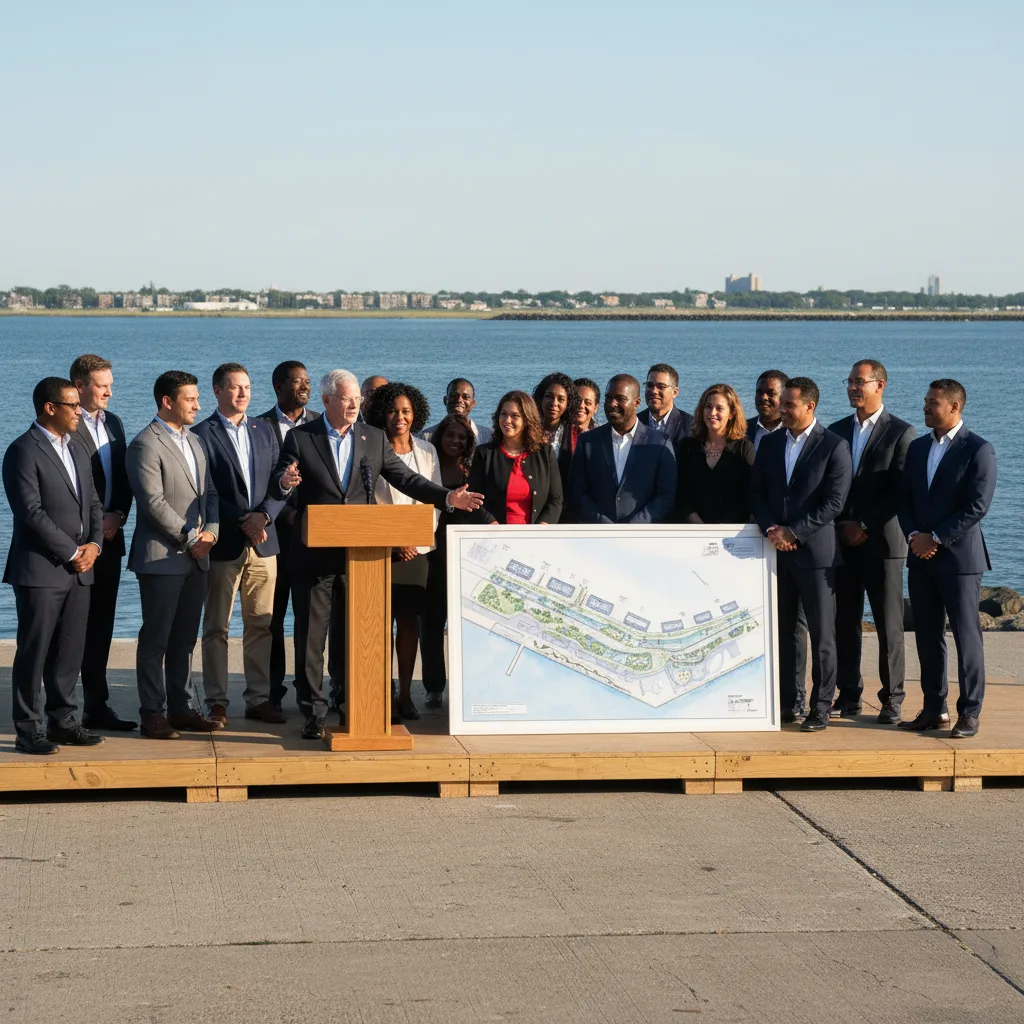
Mayor Adams Unveils $35 Million Cross Bay Boulevard Waterfront Revitalization
Mayor Eric Adams unveiled a $35 million revitalization plan for the Cross Bay Boulevard waterfront, transforming the Rockaways' gateway and enhancing Queens quality of life.
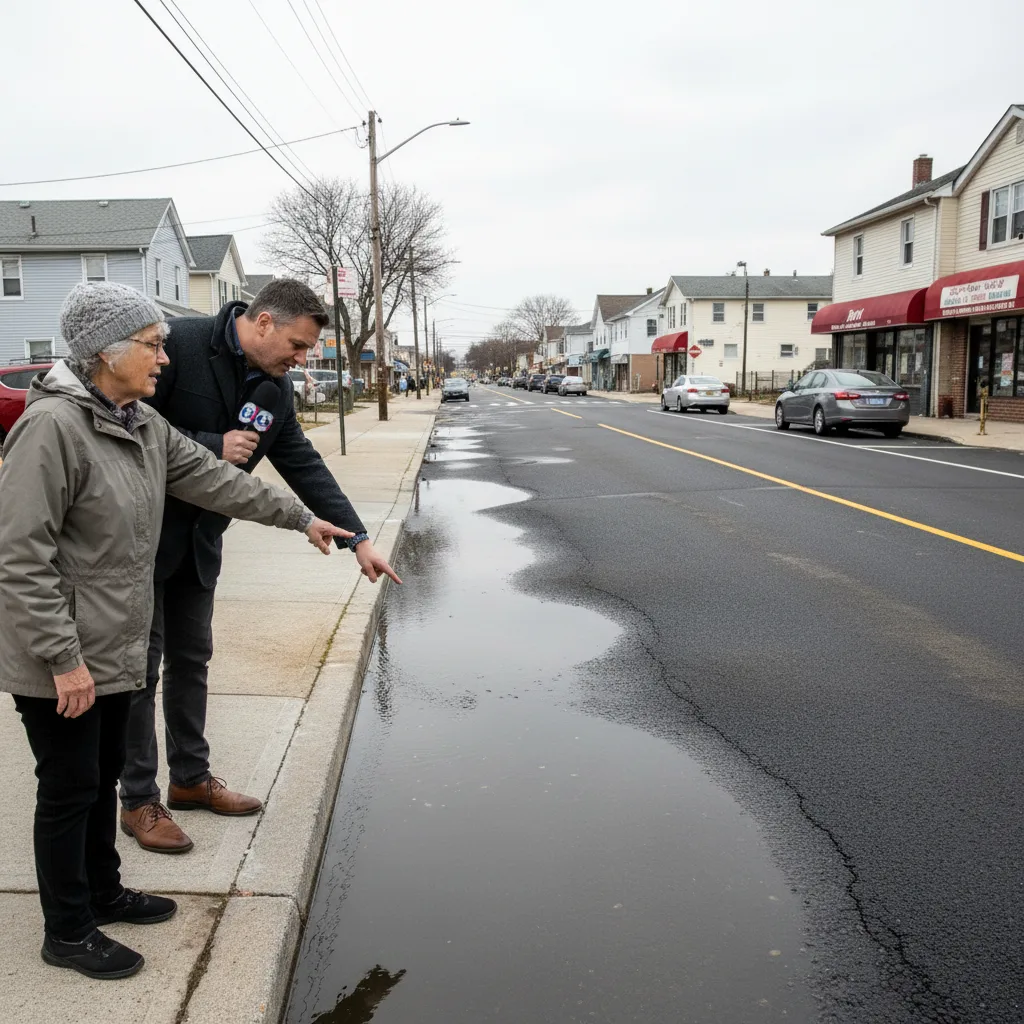
Councilwoman Ariola Slams "Abominable" Cross Bay Boulevard Repaving
Councilwoman Joann Ariola slammed the "abominable" repaving of Cross Bay Boulevard in Queens, igniting local outrage. Residents demand city accountability for the poorly executed project.
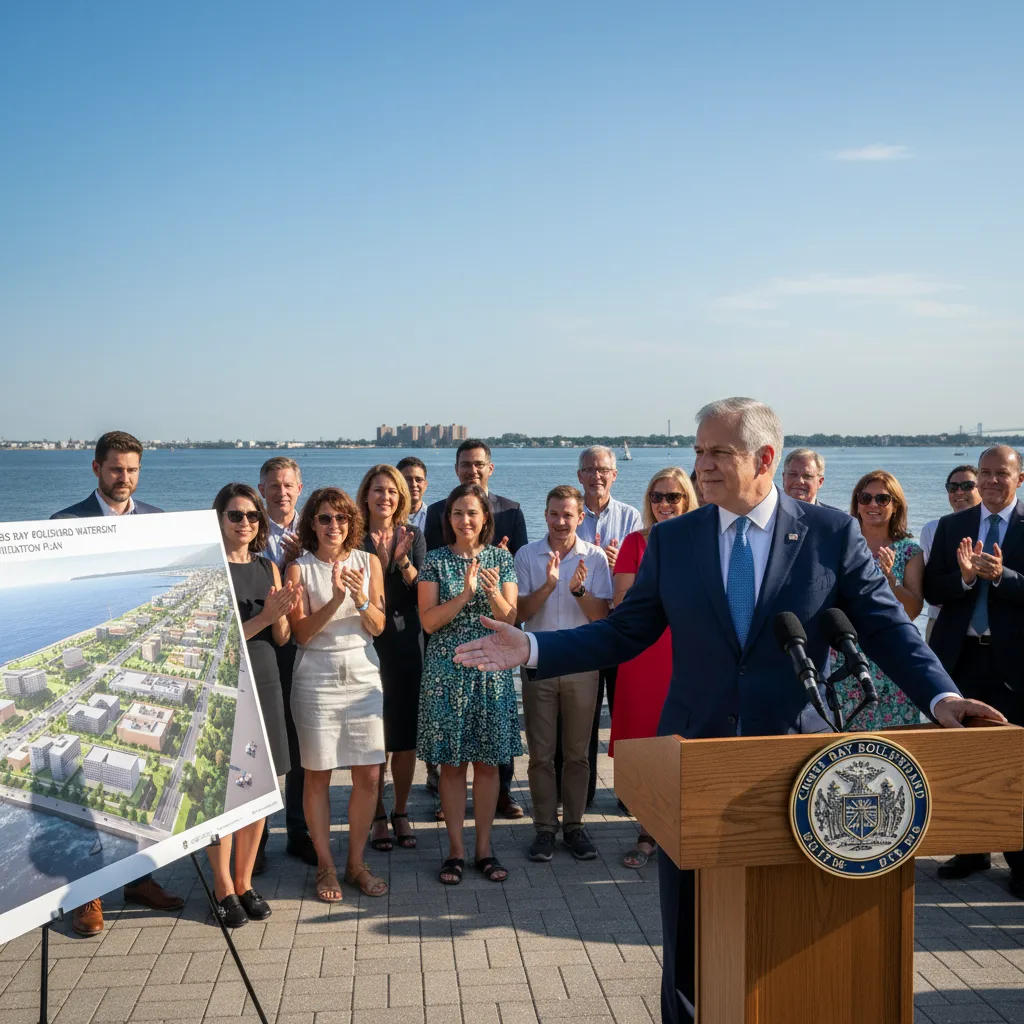
Mayor Adams Unveils $35 Million Cross Bay Boulevard Waterfront Plan 2026
Mayor Eric Adams unveiled a $35 million revitalization plan for Cross Bay Boulevard waterfront, transforming the Rockaways' gateway and enhancing Queens' quality of life.