


Cross Bay Gas Prices Spike Amid Hormuz Tensions, Residents Furious

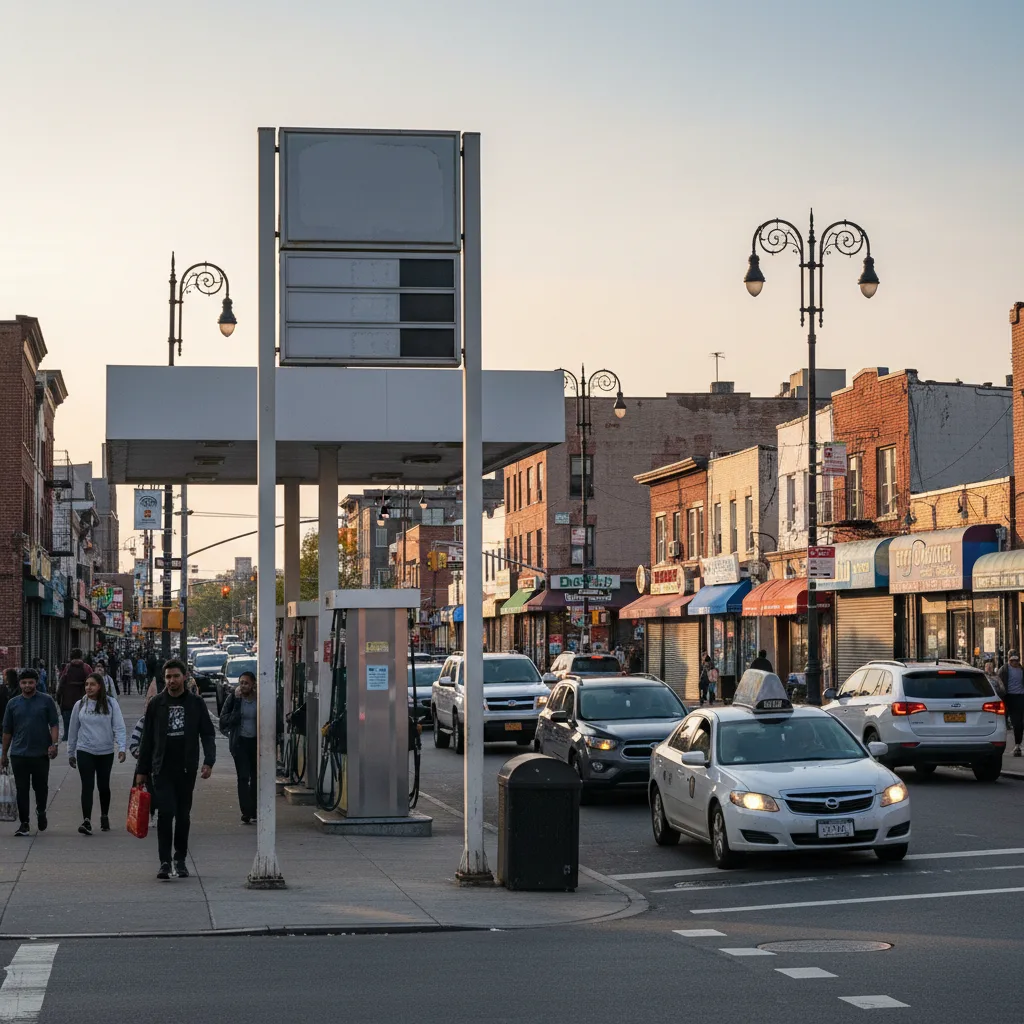
NEW YORK — Gas prices along Cross Bay Boulevard are spiking, with some stations nearing $5 per gallon, fueling widespread fury among Queens residents amidst escalating Strait of Hormuz tensions. The economic ripple effect of global geopolitics is directly hitting the wallets of local commuters and families.
On Tuesday, March 18, 2026, many Mobil and BP stations near the boulevard saw prices climb by an average of 45 cents per gallon over the past week alone. This sudden increase is directly attributed to President Trump's recent directive to the US Navy regarding minelayers in the Strait of Hormuz, according to financial analysts.
Local Fury Over Spiking Fuel Costs
Queens residents, many of whom commute daily to jobs in Manhattan or drive extensively for work, are expressing significant outrage at the pump. The unexpected surge in fuel costs is putting an immediate strain on household budgets already contending with inflation.
“Trump’s shoot-first policy is hitting our wallets hardest!” shouted Maria Rodriguez, filling her tank at a Mobil station just off the Cross Bay Bridge. Her frustration was echoed by several other drivers, who vented about the broader conflict’s impact on their daily lives.
Lines at gas stations along Cross Bay Boulevard have become scenes of heated discussion, with residents debating the effectiveness of international diplomacy versus aggressive military posturing. The economic pain is translating into strong opinions on foreign policy, especially for local business impact reports.
Businesses Warn of $5/Gallon Forecasts
Local businesses, particularly those reliant on transportation like delivery services and tradespeople, are deeply concerned. Auto shops and trucking companies along the boulevard are posting signs warning customers of impending $5/gallon forecasts, signaling potential price increases for their services.
“We can’t absorb these costs forever; it’s going to mean higher prices for everything, from groceries to home repairs,” explained David Chen, owner of Chen’s Auto Repair near Howard Beach. He highlighted the tight margins small businesses operate under.
Street debates at establishments like Cross Bay Pizza have become common, with patrons discussing how war escalation could derail family road trips and summer vacation plans. Many are questioning the economic justification of the conflict and its direct financial burden on working families.
Community Calls for De-escalation
Community groups in Howard Beach are actively collecting petition signatures for de-escalation of the Strait of Hormuz situation. They argue that diplomatic solutions are crucial to stabilize global oil markets and protect local economies.
Parents at playgrounds in Bayswater and nearby areas are expressing fears of a broader conflict disrupting daily life and future prosperity. They are particularly worried about the long-term financial stability of their families if gas prices remain elevated.
Council Member Joann Ariola has publicly acknowledged the community’s concerns, vowing to communicate these economic hardships to federal representatives. She emphasized the direct link between international events and local economic stability.
Geopolitical Tensions and Supply Chains
The Strait of Hormuz is a critical chokepoint for global oil shipments, with an estimated 20% of the world’s petroleum passing through it daily. Any disruption there, or threats of disruption, can trigger immediate and significant spikes in crude oil prices.
Financial analysts predict that if tensions escalate further, oil prices could reach unprecedented levels, impacting not just gas prices but also the cost of goods and services across the board. This would create significant challenges for local business impact reports and consumers.
The situation highlights the vulnerability of local economies, even in Queens, to distant geopolitical conflicts. The global supply chain relies heavily on stable international shipping lanes, and threats to these routes create uncertainty and price volatility.
Long-Term Economic Outlook for Queens
If the situation in the Strait of Hormuz remains volatile, the long-term economic outlook for Queens residents could be challenging. Sustained high energy costs could slow local economic growth, affect employment, and reduce consumer spending.
Local policy makers are beginning to discuss contingency plans and potential relief measures, although direct intervention on global oil prices is beyond their scope. The focus is on supporting small businesses and vulnerable families through existing aid programs.
For residents along Cross Bay Boulevard, the issue transcends political rhetoric; it's about the tangible cost of filling up their cars and feeding their families. The demand for de-escalation is rooted in a desire for immediate economic relief.
Frequently Asked Questions About Gas Prices and Hormuz Tensions
Why are gas prices spiking along Cross Bay Boulevard? Gas prices are surging due to escalating geopolitical tensions in the Strait of Hormuz, particularly following President Trump's directive regarding minelayers. This critical waterway's instability impacts global oil supplies, directly affecting local fuel costs.
How are Queens residents reacting to the price increases? Many residents, especially commuters and those reliant on vehicles, are expressing significant fury over the spiking gas prices. They are concerned about the financial strain on their budgets and openly debate the efficacy of foreign policy decisions on their daily lives.
What impact are businesses seeing from these changes? Local businesses, including auto shops and delivery services along Cross Bay Boulevard, are warning of potential $5/gallon forecasts. This rise in fuel costs is expected to lead to increased prices for services and goods, further affecting the local economy.
What are community groups doing in response? Community groups in Howard Beach are collecting petition signatures for de-escalation of the Hormuz situation, advocating for diplomatic solutions. Parents are also expressing fears of broader conflict impacting daily life, seeking stability for their families.
Written by
Newstrix
Cross Bay Current
Related Articles
More in Local Economy & Business →
Cross Bay Boulevard Welcomes New Business with Grand Opening
A new business officially opened at 156-36 Cross Bay Boulevard with a ribbon-cutting ceremony on Friday, September 18, 2026, signaling local growth.
Iran's Foreign Minister Travels to China Amid West Asia Tensions
Iran's foreign minister travels to China amid West Asia tensions. Cross Bay Boulevard residents worry about oil prices, shipping, and local family budgets.
Queens Residents Brace for Trade Shocks as WTO Warns of Risks
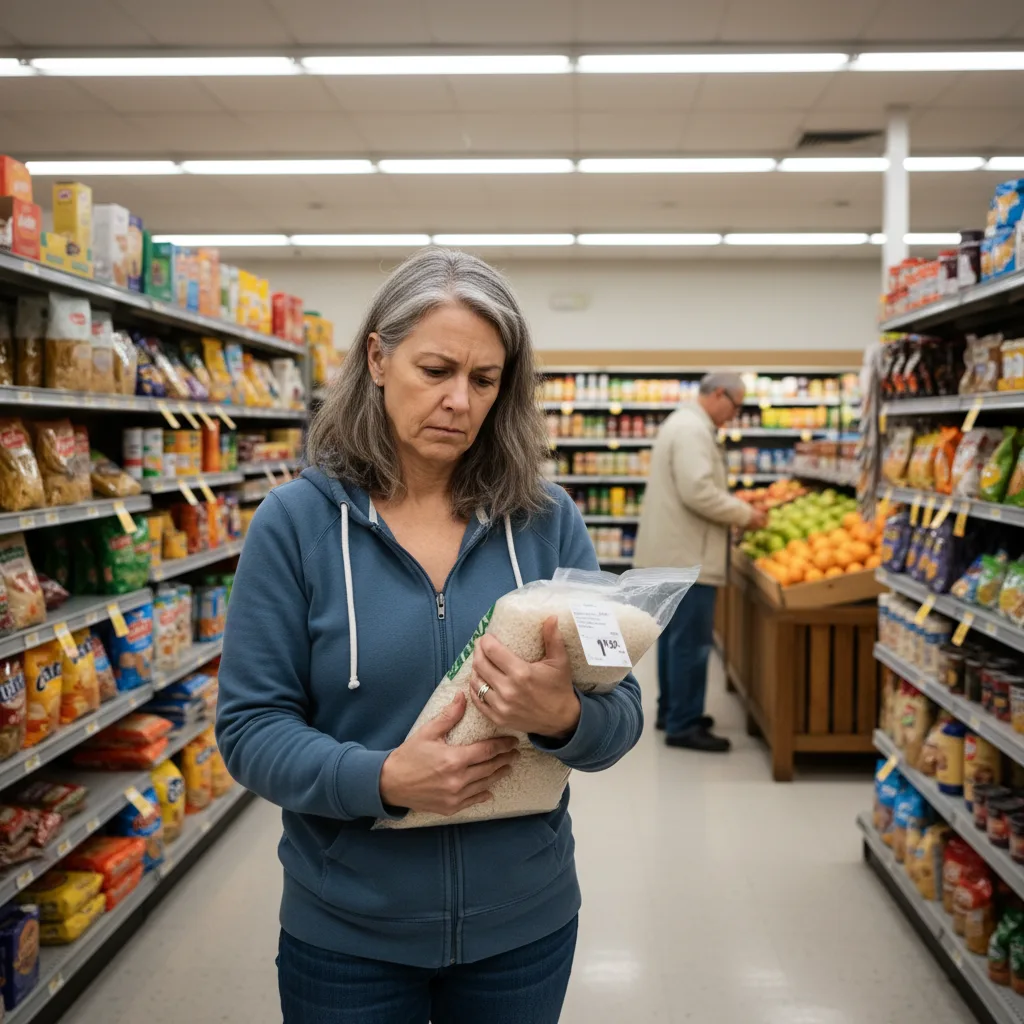
The WTO warns of major global trade risks. Queens residents on Cross Bay Boulevard worry about rising prices for groceries and imports, preparing for supply delays.

Saudi Arabia Forms Maritime Coalition, Cross Bay Boulevard Reacts
Saudi Arabia launched a maritime coalition to protect shipping lanes. Cross Bay Boulevard residents fear higher prices and trade disruption if global tensions escalate.

Irish Whiskey Tariff Removal: Queens Businesses Eye Trade Impact 2026
Donald Trump announced plans to scrap the 10% tariff on Irish whiskey, a move that could impact Queens businesses along Cross Bay Boulevard and influence consumer prices.

Queens Residents Discuss Trump's Stance on Chinese Car Manufacturing
Cross Bay Boulevard residents discuss Trump’s stance on Chinese car manufacturing in the US, debating impacts on local jobs and vehicle prices.