


Cross Bay Students Learn from Ancient Horseshoe Crab Exhibit

NEW YORK — “Learning about the horseshoe crab’s survival through geological time truly offers our students a unique perspective on resilience and evolution,” remarked Dr. Lena Hanson, a marine biologist and educational outreach coordinator at the Queens Hall of Science. Dr. Hanson was speaking about a new interactive exhibit designed to captivate young minds from schools along Cross Bay Boulevard, making ancient history relevant to today.
The exhibit, titled “Ancient Mariners: Survivors of the Asteroid,” focuses on the incredible longevity of horseshoe crabs, creatures that predate dinosaurs. Students from PS 232 in Lindenwood and MS 202 in Ozone Park have already participated in hands-on workshops.
Bringing Prehistoric Life to Queens
The exhibit showcases the horseshoe crab’s journey, starting from its existence over 450 million years ago. It vividly illustrates how this species survived the asteroid impact that led to the extinction of the dinosaurs, a significant event 66 million years ago.
Interactive displays allow students to touch fossil replicas and observe live horseshoe crabs in a specially designed tank. This immersive experience is a far cry from textbook learning, sparking genuine curiosity among the young visitors.
Educational Impact on Local Schools
Teachers from the Cross Bay area have integrated the exhibit into their science and history curricula. Fourth-grade teacher Sarah Chen from PS 232 noted, “My students were absolutely fascinated by how these creatures adapted to such drastic environmental changes.”
These educational excursions provide a crucial connection between classroom theory and real-world natural history. The children develop a deeper appreciation for biodiversity and the ancient past, expanding their understanding beyond Queens school district initiatives [https://www.crossbay.news/queens-education].
Connecting to Cross Bay's Coastal Environment
The choice of the horseshoe crab is particularly pertinent for Queens, given its proximity to Jamaica Bay and the Atlantic Ocean. These coastal environments are natural habitats for these ancient creatures, making the lesson locally relevant.
Dr. Hanson also pointed out the ecological role of horseshoe crabs in coastal ecosystems, including their importance to migratory shorebirds. This aspect of the exhibit teaches students about interconnectedness within local natural environments.
Sustaining Scientific Curiosity
The Queens Hall of Science anticipates over 5,000 students from various Queens schools, including many from the Cross Bay Boulevard corridor, will visit the exhibit before it concludes in late 2026. The program aims to foster a sustained interest in science and conservation.
And the Hall of Science offers additional resources, including educational packets for teachers and online activities, extending the learning beyond the museum walls. This comprehensive approach ensures maximum educational benefit for all participating students.
Community Engagement and Future Programs
The success of “Ancient Mariners” has prompted discussions for future exhibits with local relevance. Organizers are exploring potential displays on Jamaica Bay’s unique ecology or the history of fishing along the Rockaways.
Such programs enrich the educational landscape of Queens and strengthen the bond between scientific institutions and local communities. For more news about local culture and events, visit Queens Daily Eagle's local section [https://queenseagle.com/all/tag/Cross+Bay+Boulevard].
Frequently Asked Questions About the Horseshoe Crab Exhibit
What is the “Ancient Mariners: Survivors of the Asteroid” exhibit about? The exhibit focuses on horseshoe crabs, highlighting their ancient origins and their remarkable survival through major geological events, including the asteroid impact that caused the dinosaur extinction. It offers an interactive learning experience for students.
Which schools from the Cross Bay area are participating? Students from schools such as PS 232 in Lindenwood and MS 202 in Ozone Park, located along the Cross Bay Boulevard corridor, have already participated in workshops. Many more Queens schools are expected to visit throughout 2026.
Why is this exhibit relevant to Queens students? The exhibit is highly relevant due to Queens’ coastal proximity to Jamaica Bay, a natural habitat for horseshoe crabs. It connects students to local ecology while teaching them about global natural history, adaptation, and environmental resilience.
Written by
Newstrix
Cross Bay Current
Related Articles
More in Community →
9/11 Victims' Families Criticize Saudi Arabia, U.S. Leaders at 25th Anniversary
9/11 victims' families criticized Saudi Arabia and U.S. leaders on the 25th anniversary, reigniting accountability questions. Cross Bay Boulevard residents mark the day with personal reflection.
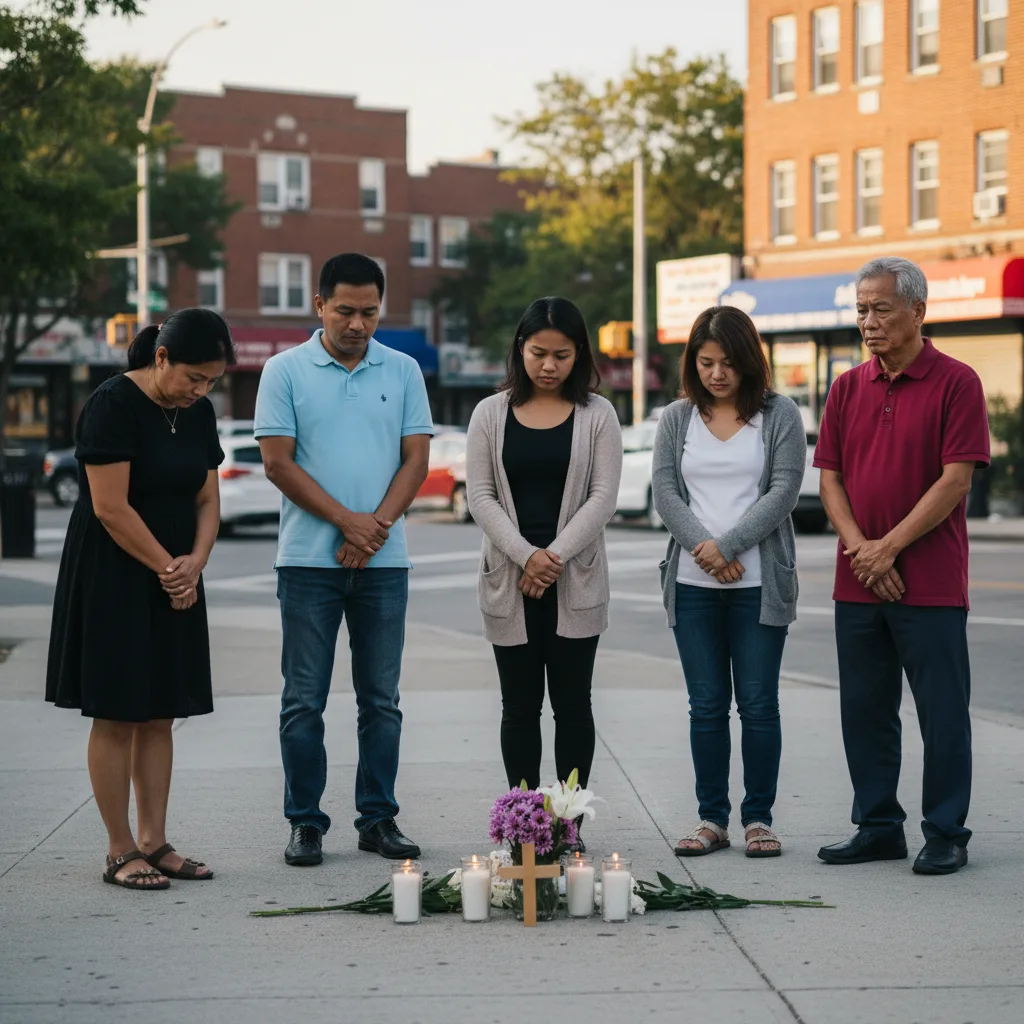
Queens Residents Share Sympathy for Philippines Ferry Fire Victims
Queens residents on Cross Bay Boulevard share sympathy for victims of the Philippines ferry fire, with 5 dead and 86 missing, sparking local concern.
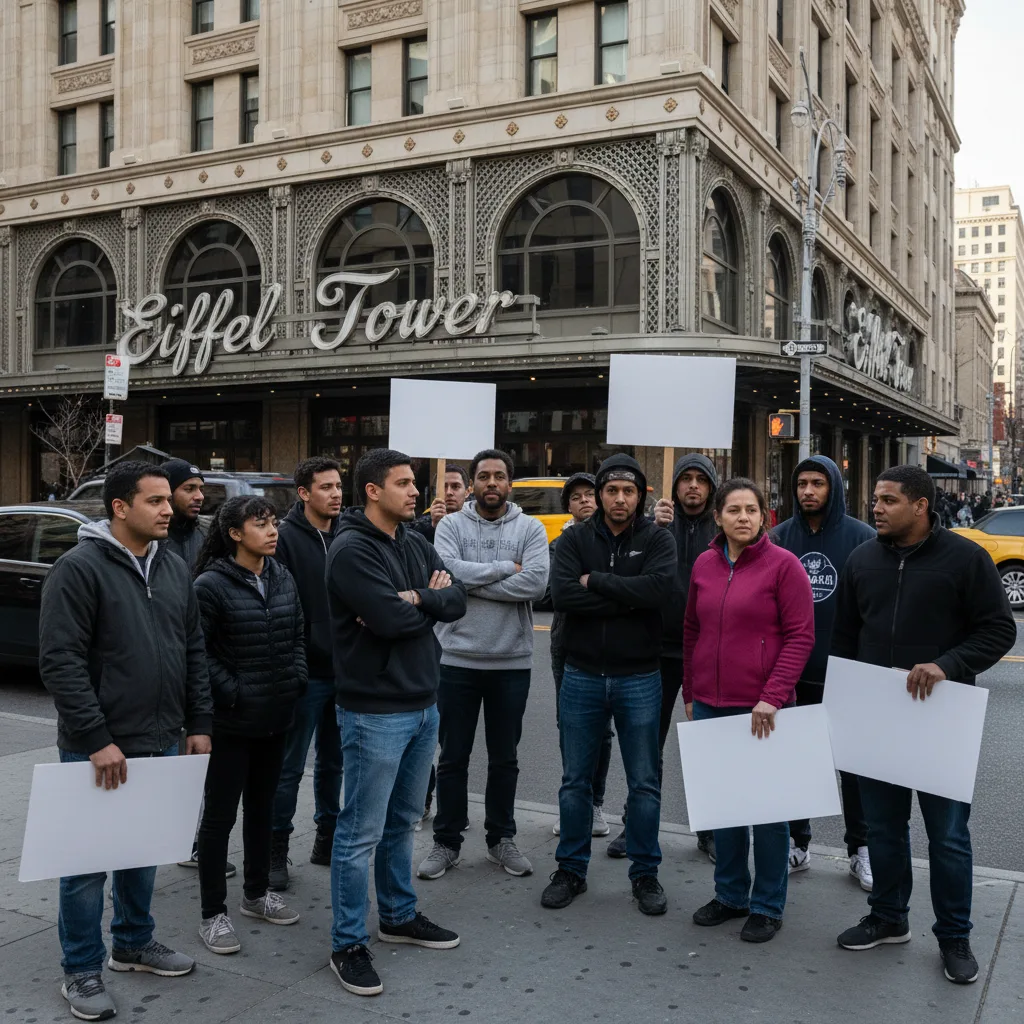
Eiffel Tower Workers Strike Over Hindu Group's Gender Exclusion Claim
Eiffel Tower workers are striking over claims women were excluded from a Hindu group's event, sparking debate on Cross Bay Boulevard about fairness and discrimination.
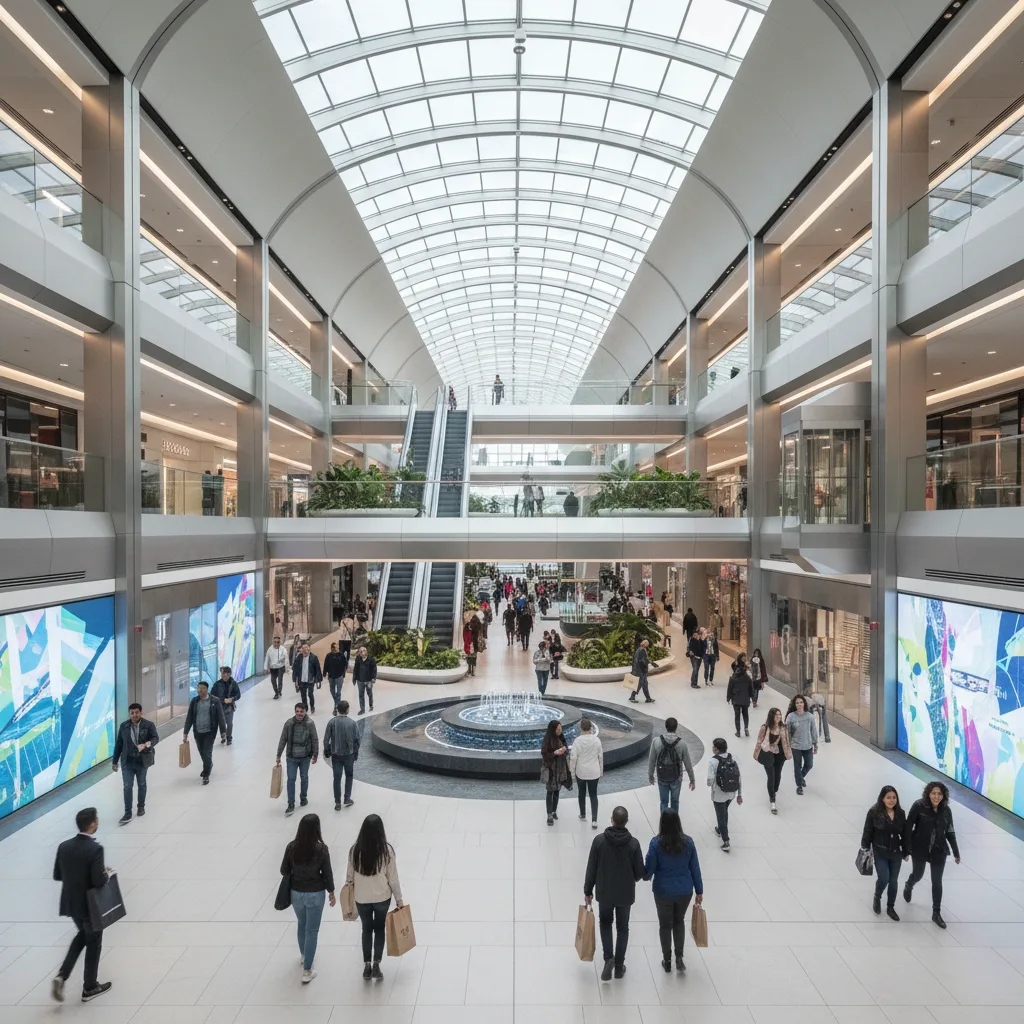
Your Guide to Queens Center Mall in 2026
Explore everything you need to know about visiting Queens Center Mall in 2026, including tips on shopping, dining, events, and getting there.

Far Rockaway NYCHA Residents Decry Negligent Conditions
Far Rockaway NYCHA residents on Beach 40th Street decry negligent living conditions, citing persistent mold and pest issues. Local officials urge prompt action.

South Queens News Updates: River Fund Fights Child Poverty
The River Fund continues its vital fight against child poverty in South Queens, providing essential resources and support to vulnerable families. Their ongoing efforts address significant socioeconomic challenges and highlight the importance of community involvement.