


Cross Bay: World Cup Prompts Emergency Preparedness Review in Queens
NEW YORK — The United States’ preparations to host the World Cup are driving a comprehensive review of emergency preparedness across the country, as reported by ABC News. This includes Queens, where local officials along Cross Bay Boulevard are assessing their readiness for potential impacts, particularly concerning emergency services coordination and public health.
Large-scale international events, while exciting, place immense demands on host cities' infrastructure and emergency response capabilities. The upcoming tournament in 2026 provides a critical impetus for local planning and drills, even for areas not directly hosting games.
FDNY and EMS Coordination
The Fire Department of New York (FDNY) and Emergency Medical Services (EMS) are key players in citywide World Cup preparedness. This includes contingency planning for increased medical incidents or fire hazards associated with large gatherings, even those geographically distant from Cross Bay Boulevard.
FDNY Commissioner Laura Evans confirmed that specialized units are undergoing enhanced training for crowd management and chemical, biological, radiological, nuclear, and explosive (CBRNE) threats. These drills are critical for a city like New York.
Local firehouses in Howard Beach and Broad Channel, while serving specific communities, operate within this broader FDNY framework. Their readiness contributes to the city's overall ability to respond to any crisis during the World Cup period.
Community Board 10 Discussions
Community Board 10, which encompasses neighborhoods along Cross Bay Boulevard, has initiated discussions regarding local emergency preparedness in the context of the World Cup. These talks focus on resident communication, evacuation routes, and resource allocation.
Chairperson Emily Roberts highlighted the importance of engaging residents. “While no games are here, we must educate our community about potential traffic changes, emergency contact information, and how they can best prepare their families for any scenario,” Roberts told a local forum.
Nearly 75% of residents surveyed in Broad Channel expressed interest in attending preparedness workshops. This data underscores a strong community desire for readiness, especially with a major international event looming.
Transportation and Public Health Considerations
The influx of millions of visitors to New York City for the World Cup will inevitably stress transportation networks, including those that feed into and out of Cross Bay Boulevard. This has implications for emergency vehicle access and response times.
The Department of Health and Mental Hygiene (DOHMH) is also bolstering public health surveillance, monitoring for any unusual spikes in illness that could arise from large international gatherings. This vigilance protects all New Yorkers.
Public health campaigns will remind residents about maintaining hygiene and reporting symptoms, especially around major transit points. These campaigns are crucial for preventing the spread of infectious diseases during large events.
Infrastructure Resilience and Communications
City agencies are also reviewing the resilience of critical infrastructure, including communication networks, power grids, and water systems. Ensuring these systems can withstand increased demand and potential disruptions is vital for uninterrupted emergency services.
Con Edison, the city’s primary utility provider, has announced enhanced monitoring and rapid response teams for infrastructure near key event areas and transportation corridors. This includes facilities that serve the Cross Bay area.
Reliable communication channels between residents, local officials, and emergency services are paramount. The Office of Emergency Management (OEM) is testing alert systems and social media protocols for rapid information dissemination. You can learn more about upcoming Community Board 10 meetings in Howard Beach Queens 2026 to stay informed.
Local Engagement and Volunteer Efforts
Local communities along Cross Bay Boulevard are also exploring avenues for volunteer engagement in emergency preparedness. Community Emergency Response Teams (CERT) offer training for residents to assist during crises.
Recruitment drives for CERT are expected to increase in the coming months, encouraging residents to take an active role in their own neighborhood's safety. This grassroots effort complements official emergency services.
The World Cup provides a unique, albeit indirect, opportunity for Cross Bay communities to refine their emergency preparedness plans and foster a more resilient local environment. This proactive approach ensures residents are ready for anything.
Frequently Asked Questions About World Cup Preparedness
Why is emergency preparedness being reviewed in Cross Bay Boulevard communities for the World Cup?
The World Cup is prompting a citywide review of emergency services coordination and public health readiness. Even without hosting games directly, Cross Bay communities are assessing their capacity for potential impacts on transportation and resource allocation.
What measures are FDNY and EMS taking for the World Cup?
FDNY and EMS are undertaking enhanced training for crowd management and CBRNE threats. Local firehouses, including those serving Howard Beach and Broad Channel, contribute to the city's broader response framework, ensuring overall readiness.
How is Community Board 10 involved in these preparations?
Community Board 10 is discussing local emergency preparedness, focusing on resident communication, evacuation routes, and resource allocation. They aim to educate residents about potential disruptions and how to best prepare their families.
What are the transportation and public health considerations?
An influx of World Cup visitors will stress transportation networks, potentially impacting emergency vehicle access on routes like Cross Bay Boulevard. The DOHMH is also increasing public health surveillance to monitor for illness spikes during this period.
What role can local residents play in emergency preparedness?
Residents are encouraged to engage in volunteer efforts, such as joining Community Emergency Response Teams (CERT), to assist during crises. These grassroots efforts complement official emergency services and enhance neighborhood resilience.
Written by
Newstrix
Cross Bay Current
Related Articles
More in Emergency & Fire →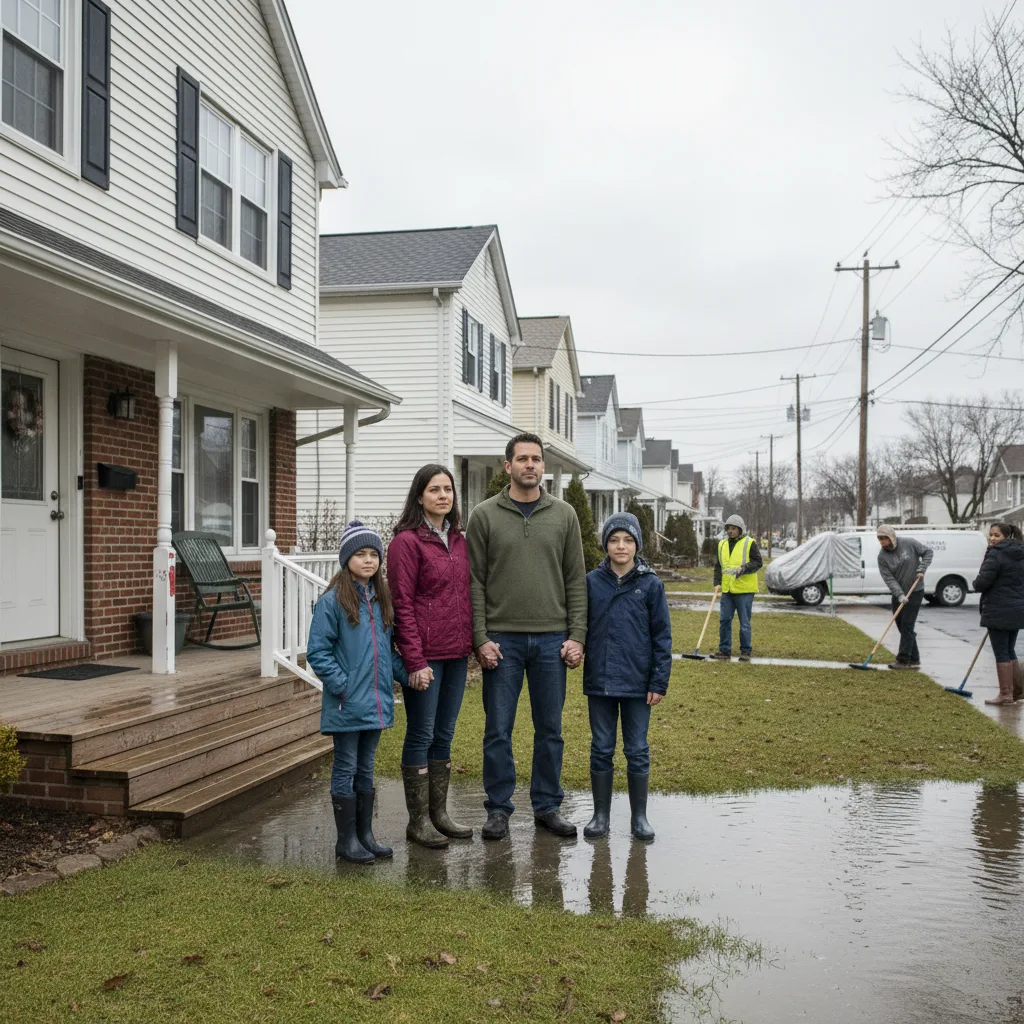
Queens Family Rescued from Howard Beach House Fire Amid Flooding
A Howard Beach family was saved from a house fire this week amid ongoing flooding and transit disruptions near Cross Bay Boulevard, impacting local commutes.
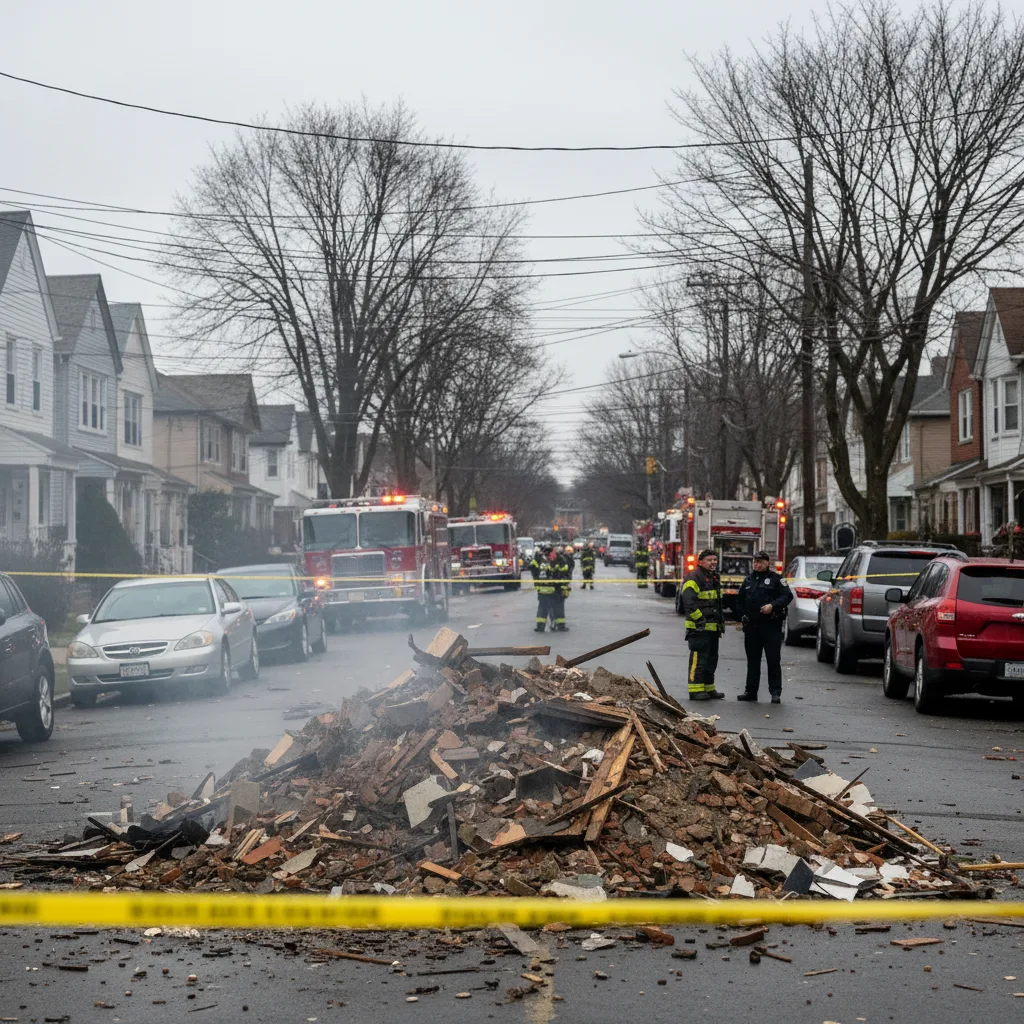
South Ozone Park Home Blown Up in Gas-Fed Fire, Body Found
A body was found after a South Ozone Park home collapsed in a five-alarm gas-fed fire, reportedly ignited during a domestic dispute, sparking a massive emergency response in Queens.
Large Fire Engulfs Queens Home, Spreading to Neighboring Houses
A large fire started in a South Ozone Park home's basement before spreading rapidly to neighboring houses early Thursday. Over 140 fire and EMS personnel responded to the intense Queens blaze, displacing families.
South Ozone Park Fire Injures Three Firefighters and Civilians
A two-alarm fire in South Ozone Park injured three people, including two firefighters, damaging multiple homes. The blaze, starting at 109-35 110th Avenue, prompted a significant FDNY response early Thursday.
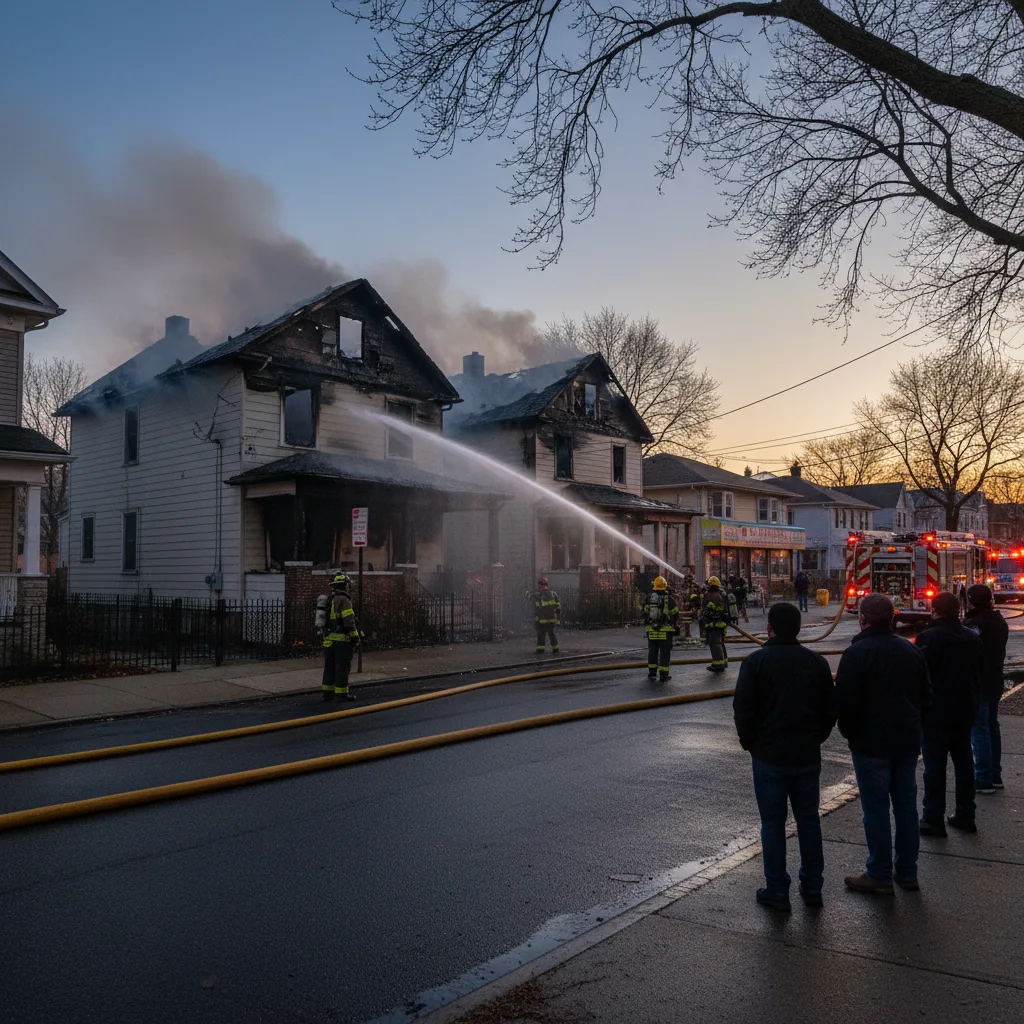
Ozone Park Fire Injures Three, Engulfs Two Homes Thursday
A fire ravaged two homes in Ozone Park early Thursday, injuring three people including two firefighters, prompting a rapid emergency response.
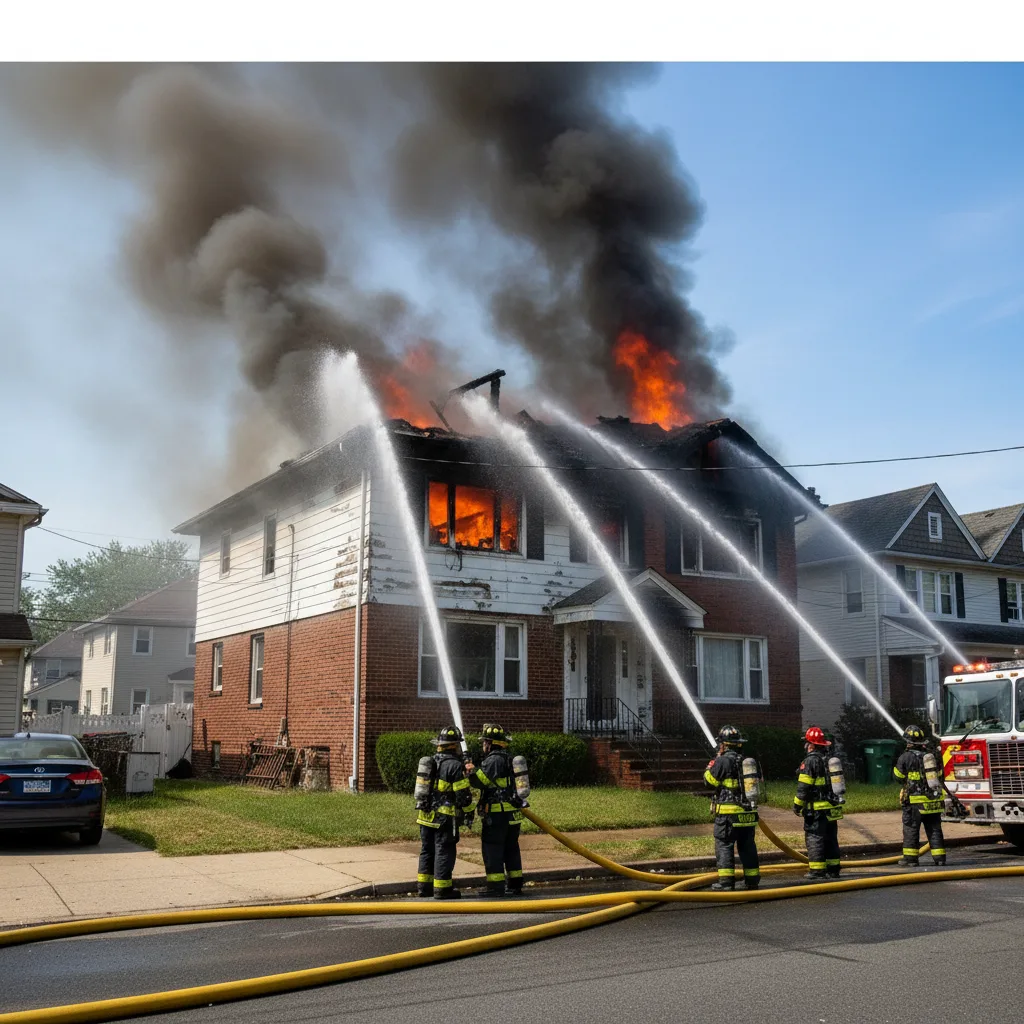
FDNY Mobilizes 140 Personnel for South Ozone Park House Blaze
Over 140 FDNY personnel battled a massive house fire in South Ozone Park that spread to adjacent buildings, impacting Queens residents.