


DOJ Reclassifies Medical Marijuana, Impacts Queens Dispensaries

Enjoying the coverage?
Local government, elections and community board news, every Friday.
Sent every Friday. By subscribing, you agree to our Terms and Conditions and Privacy Policy.
NEW YORK — The Department of Justice (DOJ) has officially reclassified state-licensed medical marijuana from a Schedule I to a Schedule III controlled substance, marking a monumental shift in federal drug policy. This change is poised to reshape the landscape for dispensaries and medical patients throughout Queens, particularly along commercial corridors like Cross Bay Boulevard.
This reclassification, announced by Attorney General Merrick Garland on Friday, acknowledges cannabis’s accepted medical uses and lower potential for abuse compared to harder drugs. The move aligns federal policy closer to the medical marijuana laws enacted in many states, including New York, since 2014.
Federal Policy Shift Transforms Cannabis Regulations
Under the Controlled Substances Act, Schedule I drugs are deemed to have no currently accepted medical use and a high potential for abuse, a classification that has long hindered cannabis research and medical access. The shift to Schedule III, typically reserved for drugs like ketamine and Tylenol with codeine, recognizes legitimate medical applications and moderate to low potential for dependence.
The Cross Bay Current Friday Briefing
Local government, elections and community board news, every Friday.
Sent every Friday. By subscribing, you agree to our Terms and Conditions and Privacy Policy.
This reclassification will primarily impact research, banking, and taxation for state-licensed cannabis businesses. Dispensaries in New York, which have operated under state-level legality, previously faced significant federal hurdles, including prohibitive tax laws (IRS Section 280E) that prevented them from deducting ordinary business expenses.
“This is a long-overdue and common-sense reform,” stated Dr. Lena Patel, a policy analyst at the Drug Policy Alliance. “For medical cannabis patients and businesses, it removes a major federal barrier, opening doors for more research, safer access, and fairer taxation. It also alleviates a lot of legal ambiguity that has plagued the industry for years.” The reclassification represents the most significant federal change to cannabis policy in over 50 years.
Impact on Queens Dispensaries and Patients
Dispensary owners near Cross Bay Boulevard are expressing cautious optimism following the DOJ's announcement. For years, these businesses have operated in a federally illegal gray area, making banking difficult and tax burdens astronomical. The reclassification is expected to ease these financial pressures.
“We posted ‘Finally!’ signs the moment the news broke,” said John Chen, owner of Green Leaf Provisions, a licensed dispensary just off Cross Bay Boulevard. “This means we can access traditional banking services, maybe even take out loans, and critically, deduct our business expenses. It’s a game-changer for profitability and expansion, allowing us to better serve our Queens community.” Chen predicts increased foot traffic as public perception shifts and access potentially broadens.
For medical patients in Queens, the reclassification could lead to more affordable prices as dispensaries gain financial stability and efficiency. It may also encourage more physicians to recommend medical cannabis, potentially leading to increased access for chronic pain sufferers and individuals with qualifying conditions. Explore local health policy discussions on crossbay.news/health-policy.
Community Dialogue and Public Health Forums
The news has sparked lively discussions in local Queens community health forums, particularly at St. John's Episcopal Hospital. Debates are ongoing regarding easier access to medical cannabis for conditions ranging from chronic pain to seizure disorders, with advocates highlighting the potential benefits.
“We’ve heard countless stories from patients who have found relief through medical cannabis, and this reclassification legitimizes their treatment,” commented Maria Santiago, a community health advocate present at a recent forum. However, some churchgoers and parent groups, while acknowledging medical benefits, voiced concerns about potential increased youth access or misuse. These discussions often turn street corners into impromptu policy chats among neighbors.
Retirees from the Rockaways, a community known for its strong social networks, are often found in Irish pubs and diners along Cross Bay Boulevard toasting the news as a significant win for medical patients. Their conversations reflect a generational shift in attitudes toward cannabis, spurred by evolving legal and medical recognition.
Future Implications and Regulatory Landscape
While the DOJ’s move is significant, it does not fully legalize marijuana at the federal level; that would require an act of Congress. However, it sets a precedent and significantly reduces the federal enforcement risk for state-compliant operations.
The Food and Drug Administration (FDA) will now have a clearer path to regulate cannabis-derived medicines, potentially leading to more standardized products and greater consumer safety. This could lead to a wave of new research and product development, benefitting patients and the wider health community.
New York State regulators are expected to review how this federal shift might influence local licensing and operational guidelines for dispensaries. The evolving regulatory landscape suggests a dynamic period for the cannabis industry, promising more clarity and opportunities for businesses and consumers along Cross Bay Boulevard and across the borough.
Frequently Asked Questions About Marijuana Reclassification
Many Queens residents ask what the Schedule III reclassification means for recreational marijuana. The DOJ’s decision primarily affects state-licensed medical cannabis, not recreational use, which remains federally illegal. Another common question is whether this change makes cannabis available over-the-counter. No, medical cannabis still requires a doctor’s recommendation in states where it’s legal, and federal rescheduling does not change that. People also inquire about the banking changes; previously, federally insured banks were hesitant to work with cannabis businesses due to federal illegality, but the Schedule III status should allow them to offer services more freely, benefiting many small businesses in Queens.
The Cross Bay Current Friday Briefing
Local government, elections and community board news, every Friday.
Sent every Friday. By subscribing, you agree to our Terms and Conditions and Privacy Policy.
Related Articles
More in Government & Politics →
Ariola Testifies Ulrich Warned Her About Alleged Briber Livreri
Councilwoman Joann Ariola testified November 24, 2026, that former Queens official Eric Ulrich urged her to hire an alleged briber, then warned she was lied to.
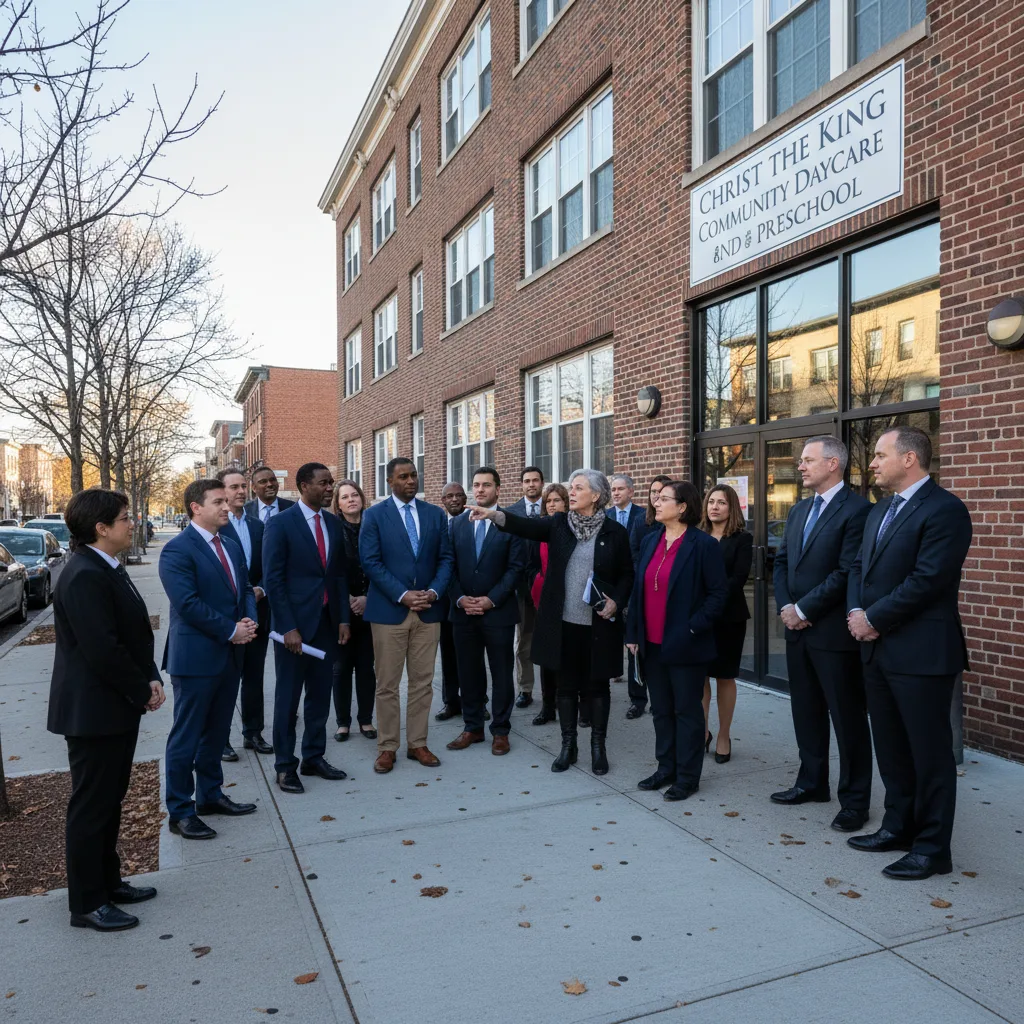
Officials Urge Reconsideration of Christ the King Daycare Closure
More than a dozen elected officials are calling for reconsideration of the planned closure of Christ the King Community Daycare and Preschool, as reported November 18, 2026.
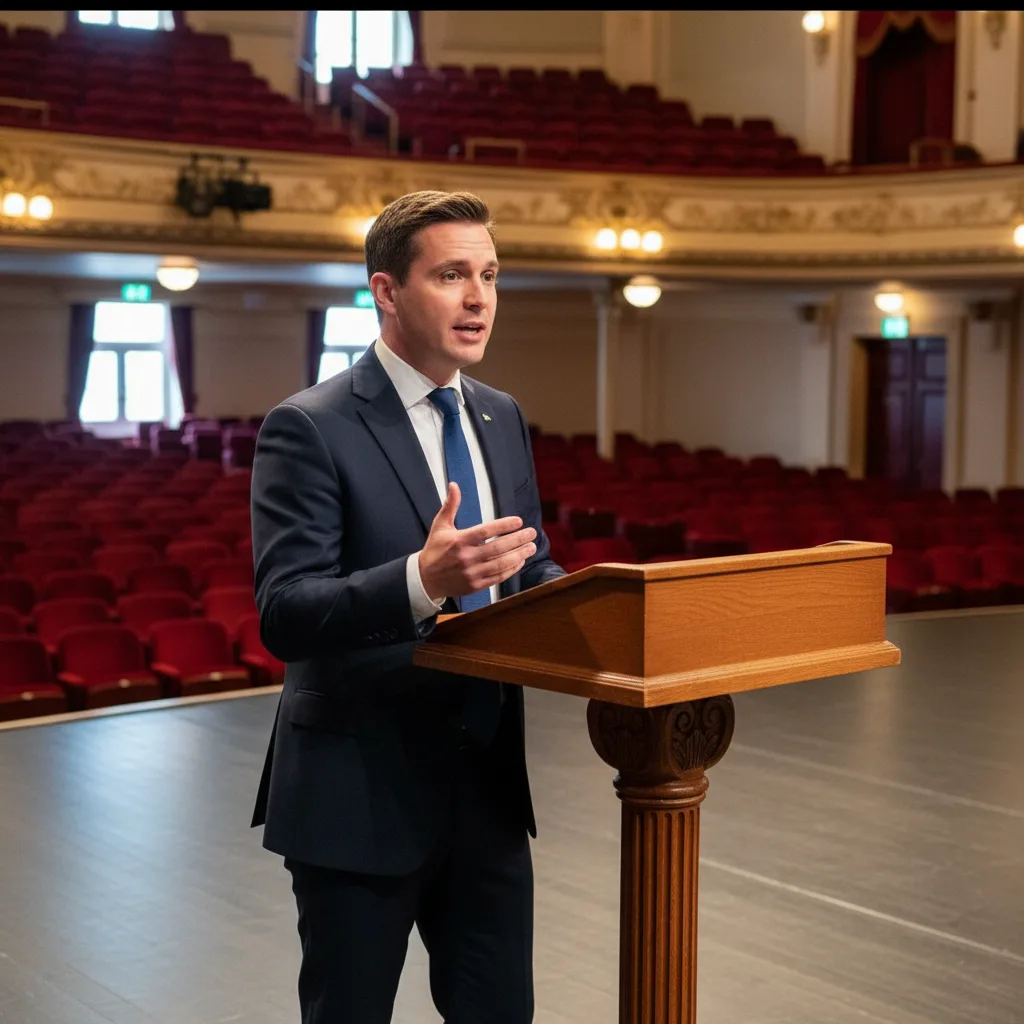
Queens Borough President Richards Delivers Enthusiastic State of the Borough Address
Queens Borough President Donovan Richards Jr. delivered an enthusiastic State of the Borough address on Friday, highlighting past successes and future plans while criticizing Donald Trump.

Senator Sanders Pledges Rockaway Flood, Transit Funding After Sweep
State Senator James Sanders Jr. outlined a plan Sunday to secure federal and state investments for infrastructure in the Rockaway peninsula, focusing on flood protection and transit.
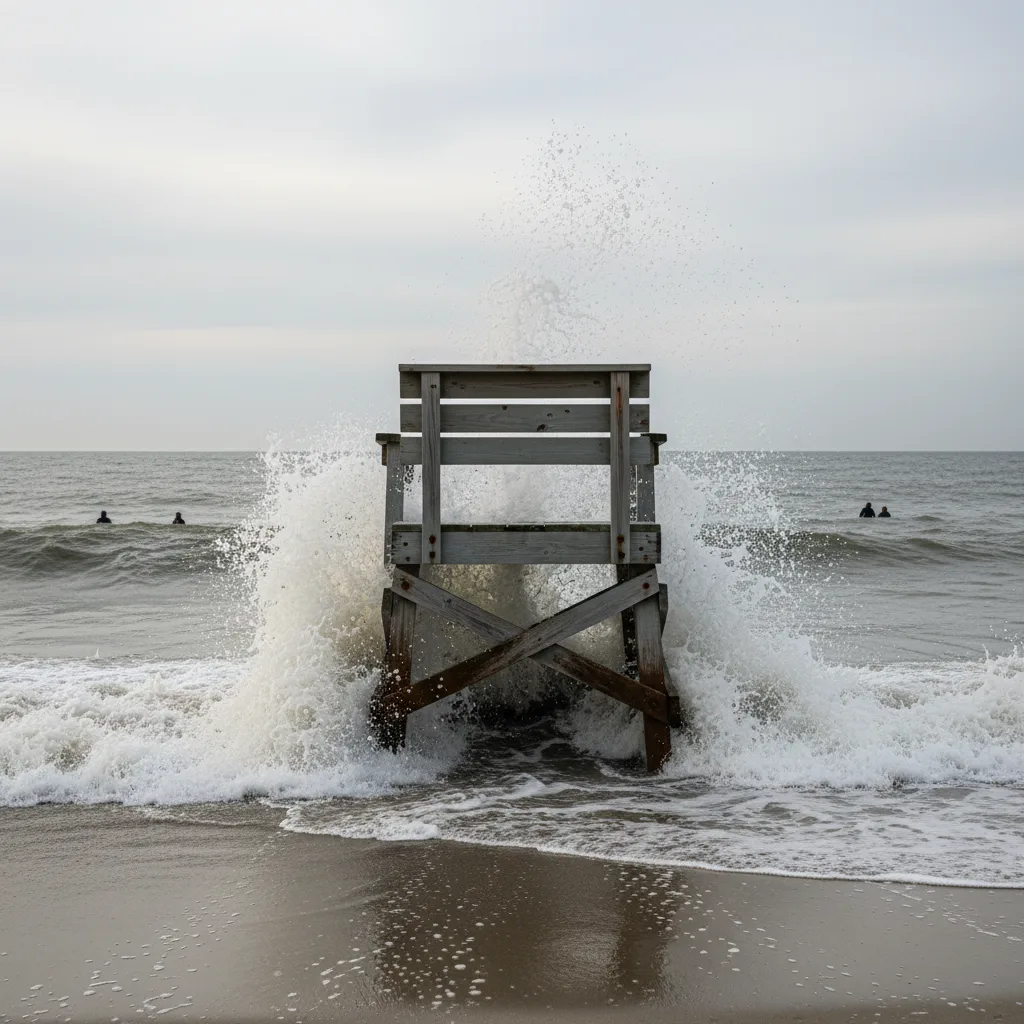
Rockaway Beach Shoreline Battered by Intense Waves Amid Waterspouts
Rockaway Beach experienced intense waves battering its shoreline on November 23, 2026, as waterspouts were spotted over the San Francisco Bay amid severe weather.
Queens Officials Seek Rezoning for 10-Story Rockaway Beach Rental
Queens officials are seeking rezoning approval for a 10-story, 70-apartment rental building at 2-28 Beach 87th Street in Rockaway Beach, according to a November 23, 2026 report.