


Far Rockaway Climate Resilience Tour Highlights Edgemere Initiatives
Enjoying the coverage?
Jamaica Bay, the beaches and the shoreline, in one Friday email. Free; unsubscribe in one click.
Sent every Friday. By subscribing, you agree to our Terms and Conditions and Privacy Policy.
The Short Version
- Community leaders and advocates toured Far Rockaway sites on November 14, 2026, to showcase climate resilience efforts.
- The tour included visits to Edgemere Farm, the Far Rock Urban Agro-Ecological Center, and Beach 43rd Street Waterfront Park.
- These initiatives aim to protect the neighborhood from future storms, weeks after the 14th anniversary of Superstorm Sandy.
- The Coastal Conservation Center on Rockaway Beach also served as a key stop during the guided event.
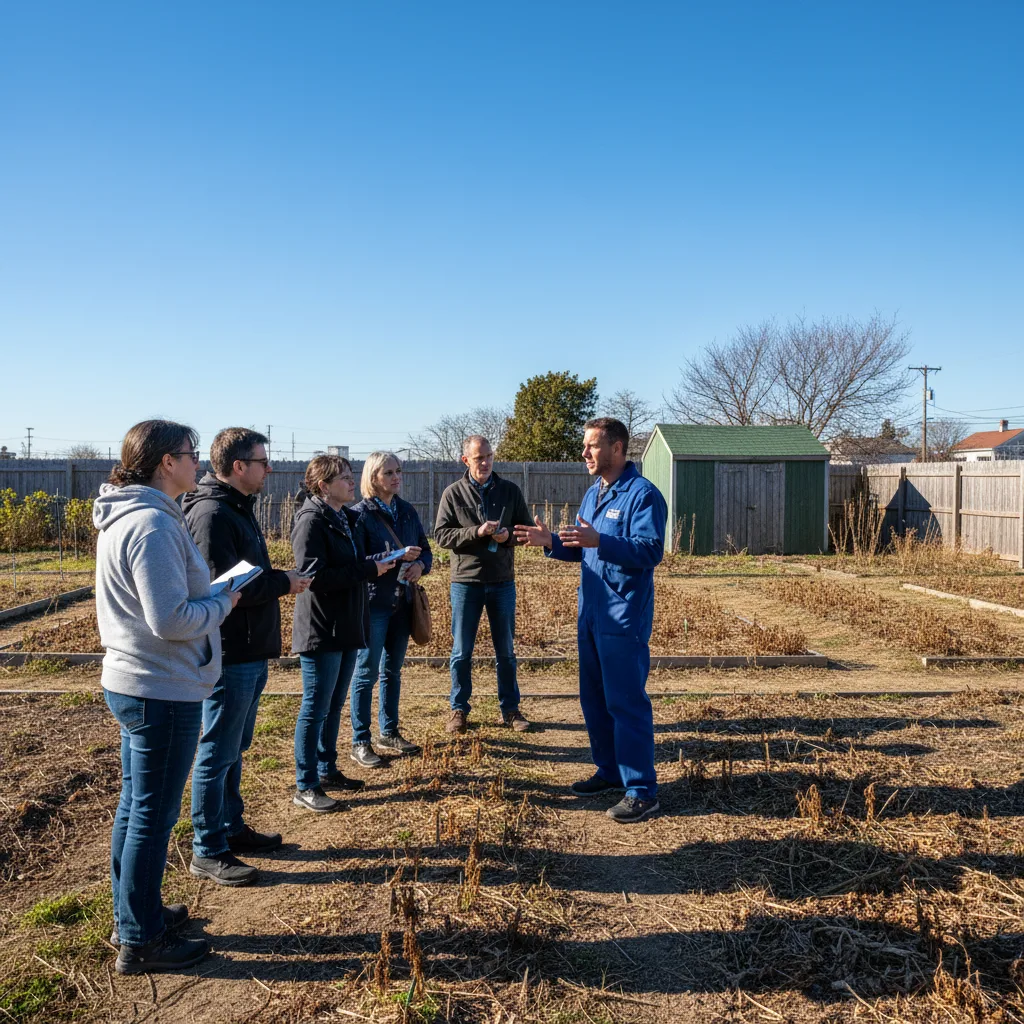
NEW YORK: Community leaders and advocates toured Far Rockaway sites on November 14, 2026, to highlight ongoing efforts to protect the neighborhood from future storms, according to Wisevoter. This free guided tour, which included areas in Edgemere, showcased various climate resilience initiatives weeks after the 14th anniversary of Superstorm Sandy.
The Cross Bay Current Friday Briefing
Jamaica Bay, the beaches and the shoreline, in one Friday email. Free; unsubscribe in one click.
Sent every Friday. By subscribing, you agree to our Terms and Conditions and Privacy Policy.
Edgemere Farm and Urban Agro-Ecological Center Visited
The tour specifically highlighted several community-led projects designed to enhance environmental sustainability and local resilience. Participants visited Edgemere Farm and the Campaign Against Hunger’s Far Rock Urban Agro-Ecological Center, two urban farms actively operated by community members. These farms not only provide fresh produce but also serve as green infrastructure, helping to manage stormwater and create permeable surfaces. Such initiatives are crucial in densely populated coastal areas like Far Rockaway, as reported by QNS.com.
Resident-Led Garden by the Bay Enhances Local Green Space
A key stop on the tour was the resident-led 15,000-square-foot Garden by the Bay. This extensive community garden exemplifies how local engagement can contribute significantly to climate resilience. Large green spaces can absorb excess rainfall, reducing runoff and potential flooding, which is a major concern for the Rockaway Peninsula. The garden also fosters a sense of community ownership and collaboration around environmental stewardship, reinforcing local efforts against climate impacts.
Coastal Conservation Center Focuses on Education and Research
The tour concluded with a visit to the Coastal Conservation Center on Rockaway Beach. This center plays a vital role in educating the public about coastal ecosystems and the importance of conservation. It also conducts research on local environmental challenges and develops strategies for adaptation to rising sea levels and more frequent extreme weather events. The center’s work is instrumental in informing future resilience planning and engaging residents in protective measures.
Beach 43rd Street Waterfront Park Showcases Flood Protection
Participants also explored Beach 43rd Street Waterfront Park, a site that demonstrates how recreational areas can integrate flood protection measures. Coastal parks often feature natural barriers like dunes and salt marshes, which help dissipate wave energy during storms and prevent inundation. The park’s design likely includes features that enhance its ability to withstand severe weather while also providing valuable public access to the waterfront, a critical aspect of urban planning in coastal zones. This blending of recreation and protection offers a model for other vulnerable areas.
Post-Sandy Efforts Drive Resilience Planning
The timing of the tour, just weeks after the 14th anniversary of Superstorm Sandy, underscores the long-term impact of the storm on New York City's coastal communities. Sandy exposed significant vulnerabilities in infrastructure and highlighted the urgent need for comprehensive climate resilience strategies. The projects showcased during the Edgemere and Far Rockaway tour represent ongoing commitments to rebuild stronger and smarter, ensuring that future generations are better prepared for the challenges of a changing climate. These initiatives reflect a city-wide effort following the devastating storm.
What the Reports Don't Say
- The specific funding sources for each climate resilience initiative highlighted were not detailed.
- The projected timeline for the completion of all planned resilience projects in Far Rockaway was not provided.
Sources
Compiled by the Cross Bay Current Desk from the sources listed below with AI assistance.
- [Reporting] Edgemere Tour Spotlights Climate Resilience Plans: Wisevoter
- [Reporting] Climate resilience initiatives highlighted in Edgemere: QNS
Frequently Asked Questions
What was the primary goal of the Far Rockaway climate resilience tour?
The primary goal of the Far Rockaway climate resilience tour on November 14, 2026, was to highlight various efforts and initiatives aimed at protecting the neighborhood from future storms. The tour showcased projects like urban farms and waterfront parks that contribute to environmental sustainability and local resilience in the area.
Which specific sites were included in the tour?
The tour included several key sites in Edgemere and Far Rockaway. Participants visited Edgemere Farm, the Campaign Against Hunger’s Far Rock Urban Agro-Ecological Center, the resident-led 15,000-square-foot Garden by the Bay, Beach 43rd Street Waterfront Park, and the Coastal Conservation Center on Rockaway Beach.
The Cross Bay Current Friday Briefing
Jamaica Bay, the beaches and the shoreline, in one Friday email. Free; unsubscribe in one click.
Sent every Friday. By subscribing, you agree to our Terms and Conditions and Privacy Policy.
Related Articles
More in Environment →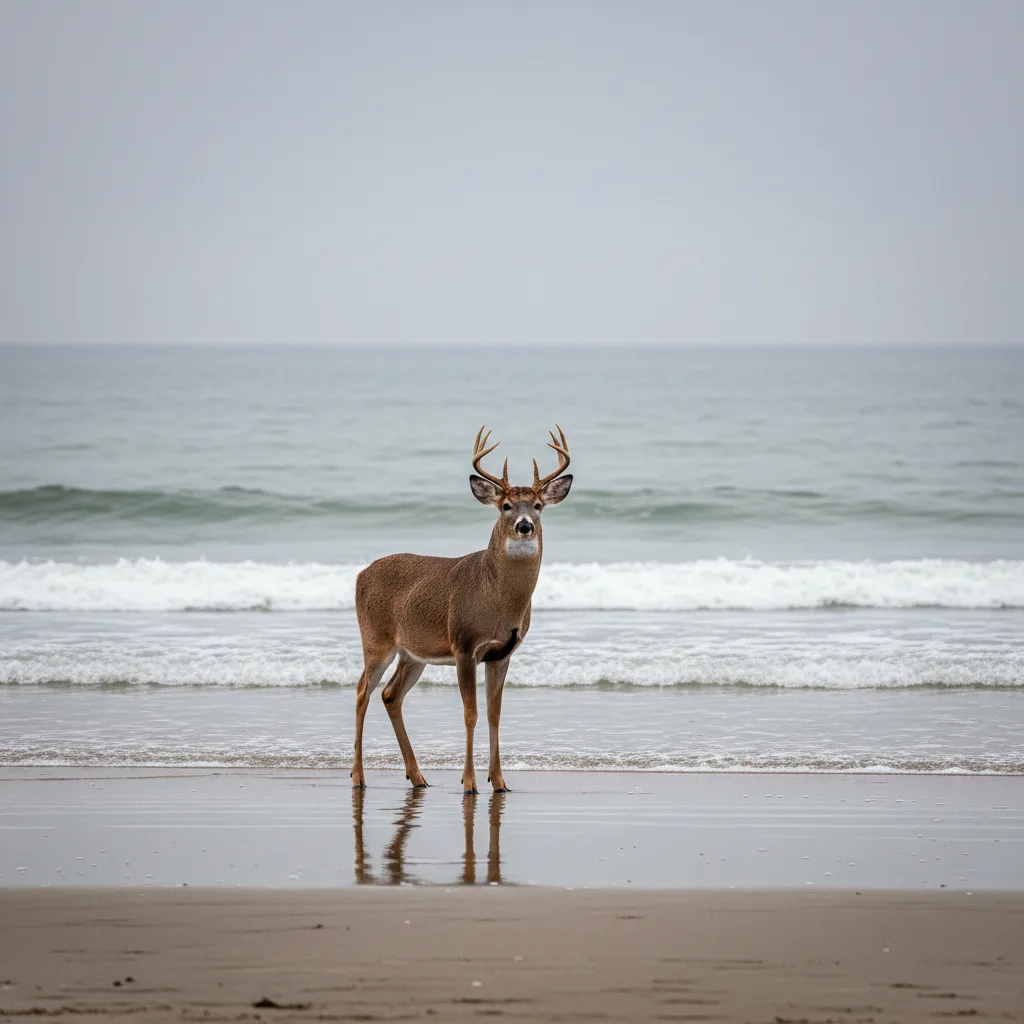
Rockaway Beach Deer Sighting Sparks Mating Season Interest
A deer was observed on Rockaway Beach on November 15, 2026, prompting interest as it occurred during the peak of deer mating season in New York City.

Howard Beach Residents Face Renewed Flood Threats This Week
Howard Beach residents faced renewed flood threats this week, experiencing inundated streets and property concerns on November 9, 2026. The recurring issue highlights urgent needs for infrastructure upgrades and increased preparedness in the low-lying Queens community.
Far Rockaway Community Report Issued November 18, 2026
A community report for Far Rockaway was issued at 10:28 a.m. on November 18, 2026, by MyCoast.org.
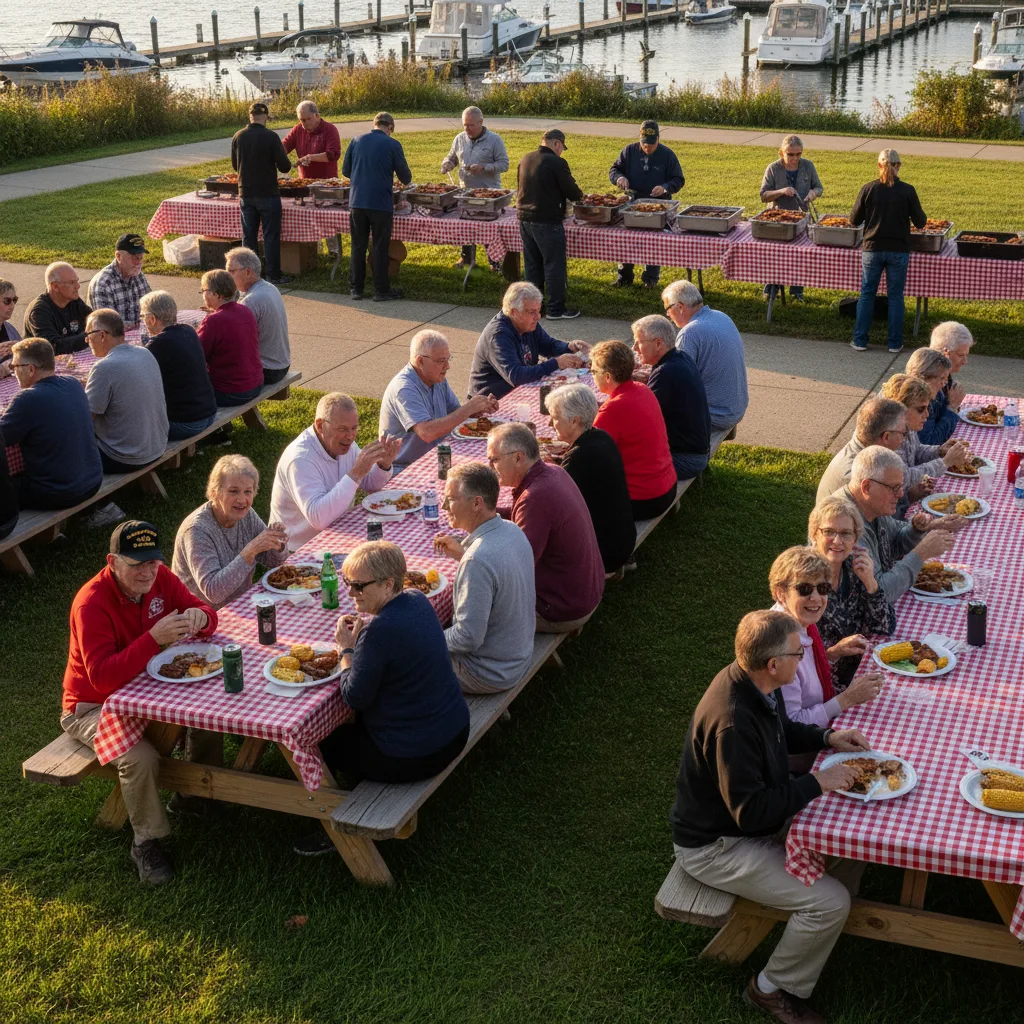
Howard Beach Veterans Honored at Addabbo's Annual Barbecue
State Senator Joseph Addabbo Jr. hosted his annual Veterans Barbecue at the Howard Beach Motor Boat Club on November 7, 2026.
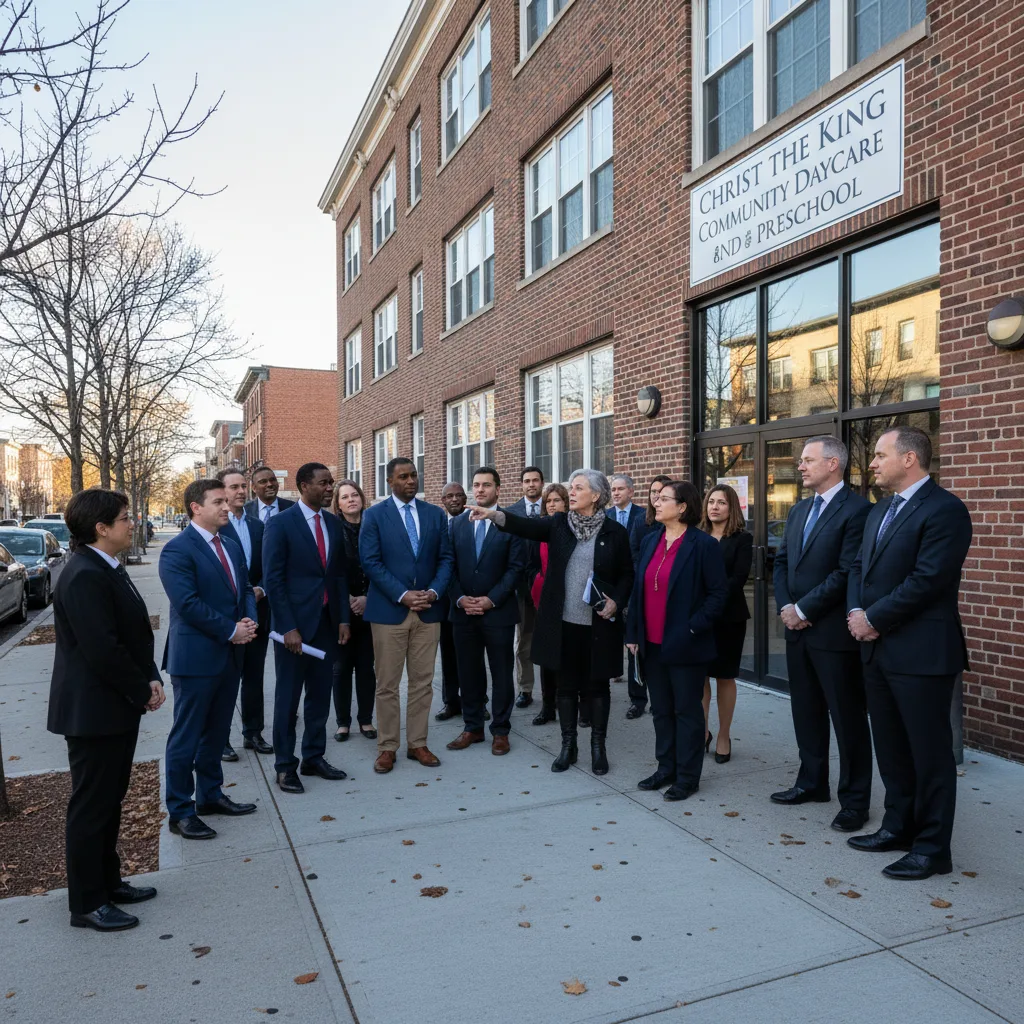
Officials Urge Reconsideration of Christ the King Daycare Closure
More than a dozen elected officials are calling for reconsideration of the planned closure of Christ the King Community Daycare and Preschool, as reported November 18, 2026.
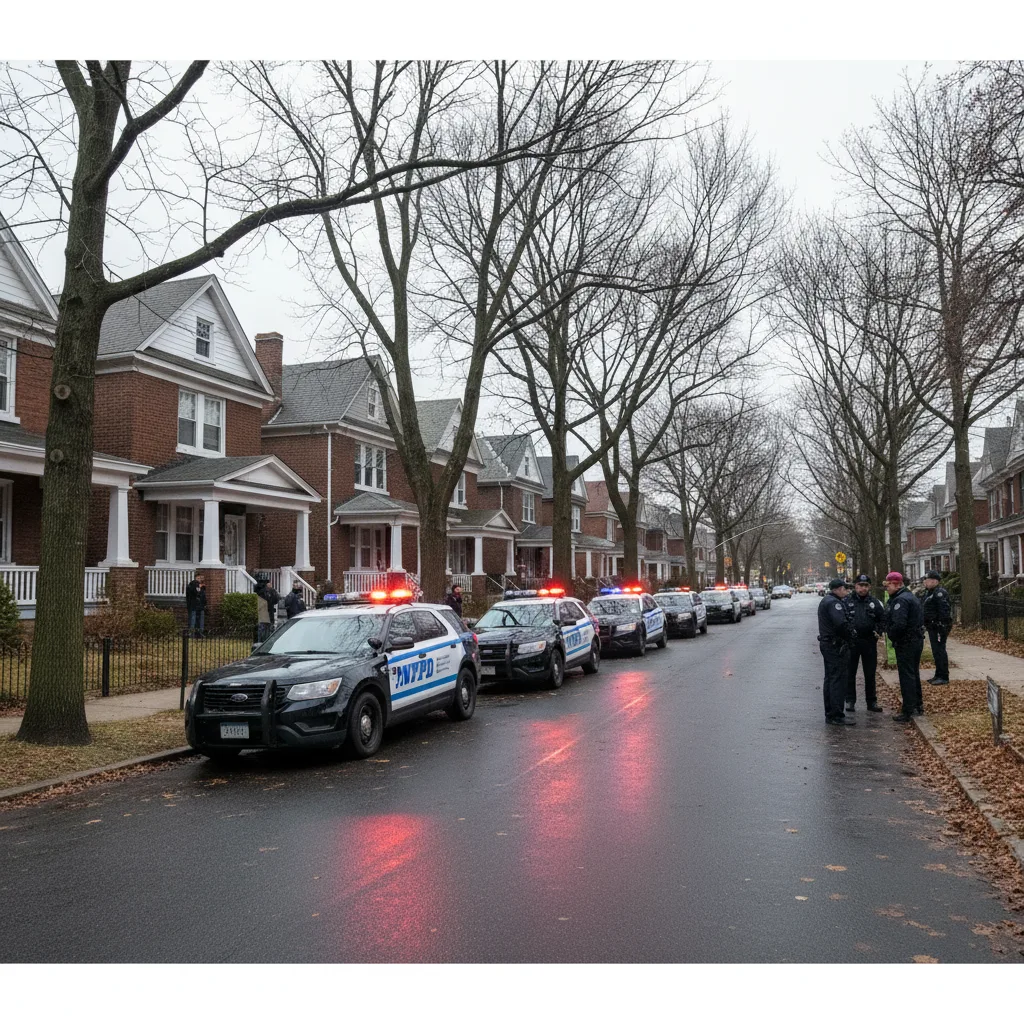
Ozone Park Stabbing Reported Near 103 Street, 101 Avenue
A stabbing was reported November 21, 2026, near 103 Street and 101 Avenue in Ozone Park, Queens, according to NYC In Focus.