


Federal Data Reveals GSA Properties; Queens Infrastructure Review Eyed

Enjoying the coverage?
Construction, resiliency and infrastructure projects near you, every Friday.
Sent every Friday. By subscribing, you agree to our Terms and Conditions and Privacy Policy.
NEW YORK — A General Services Administration (GSA) spreadsheet released in January 2026 offers a glimpse into federal property holdings and asset management across the nation. While the specific data snippet highlighted a property in New Jersey, the broader context of federal real estate holdings often carries implications for major metropolitan areas like New York City, including strategic locations in Queens such as Cross Bay Boulevard. This release prompts local officials to consider the impact of federal presence on regional infrastructure and development.
The GSA is responsible for managing federal property and procurement, encompassing a vast portfolio of buildings, land, and other assets. Publicly accessible data, such as the January 2026 spreadsheet, provides transparency into these holdings. Local governments frequently monitor such federal disclosures for insights into potential development, economic impact, or infrastructure planning relevant to their jurisdictions.
Understanding GSA's Role in Urban Development
The General Services Administration plays a crucial role in the federal government's real estate management, often acquiring, maintaining, and disposing of properties. These activities can directly influence local economies, traffic patterns, and community development. While the January 2026 data specifically listed a property in Tolland, Connecticut, and another on a Boulevard in New Jersey, the GSA’s broader portfolio includes significant assets within New York State and specifically in the larger Queens metropolitan area.
The Cross Bay Current Friday Briefing
Construction, resiliency and infrastructure projects near you, every Friday.
Sent every Friday. By subscribing, you agree to our Terms and Conditions and Privacy Policy.
"Federal property decisions, even if not directly on our doorstep, can have ripple effects on regional infrastructure and commerce," stated a spokesperson from the Queens Borough President's office. They noted that understanding federal land use is essential for comprehensive urban planning. The strategic placement of federal facilities can bring jobs and development, but also increase demands on local services and transportation networks.
Major federal installations or office spaces, for instance, contribute to daily commuter traffic and require robust public transport links. Ensuring these federal sites integrate seamlessly with local infrastructure is a continuous challenge for city planners. The management of these properties also impacts local environmental initiatives and emergency services, requiring coordination across various governmental levels. For a look at the federal data, refer to the January 2026 GSA spreadsheet.
Potential Impact on Queens Infrastructure
Although the referenced GSA data points to properties outside Queens, the federal government maintains numerous facilities and parcels of land throughout New York City. Any changes to these holdings, or new federal projects, can significantly affect existing infrastructure, including critical transportation corridors like Cross Bay Boulevard.
Local urban planners regularly engage with federal agencies to coordinate development projects and assess the impact on city services. For example, a new federal office building could necessitate upgrades to public transit, road networks, and utility services in the surrounding area. These considerations are vital for maintaining the efficiency of major routes like Cross Bay Boulevard, which connects various residential and commercial hubs.
Discussions are ongoing within city planning departments regarding how federal real estate strategies align with Queens' long-term development goals. The aim is to ensure that federal activities contribute positively to local communities without overburdening existing resources. This collaborative approach seeks to optimize growth while maintaining the quality of life for residents.
Local Engagement with Federal Planning
Queens community boards and local advocacy groups often monitor federal planning documents and GSA releases to identify potential opportunities or challenges. Understanding federal land designations, environmental regulations, and infrastructure investments is paramount for local stakeholders. They strive to ensure community voices are heard in federal decisions that might impact their neighborhoods.
"We continuously advocate for federal projects that benefit Queens residents and integrate thoughtfully into our existing urban fabric," remarked a representative from a civic association in the Cross Bay area. They highlighted the importance of federal funding for local infrastructure upgrades. Proactive engagement ensures that federal actions support local development priorities effectively.
This level of community vigilance ensures that federal projects consider local environmental impacts, traffic congestion, and economic equity. By staying informed about GSA data and other federal disclosures, local groups can better anticipate and respond to developments that affect their quality of life. This collaborative effort helps to shape future projects and their integration within the borough.
Enhancing Transparency and Data Access
The release of the January 2026 GSA spreadsheet underscores a broader commitment to government transparency and public access to federal data. Such disclosures enable researchers, journalists, and local government officials to better understand federal asset management practices. This transparency supports more informed decision-making at all levels of government.
Technology is playing an increasing role in making federal data more accessible and understandable to the public. Online databases and interactive maps allow for easier navigation of complex real estate portfolios. This enhanced access helps communities like those along Cross Bay Boulevard stay informed about federal activities that may indirectly impact their region. Continued efforts are aimed at improving data availability.
Journalists and analysts often utilize these federal datasets to identify trends, highlight infrastructure needs, and track government spending. This scrutiny contributes to accountability and helps ensure that federal assets are managed efficiently and in the public interest. The accessibility of such data is a cornerstone of good governance and informed public discourse. Further details on GSA holdings can be explored in the government's official spreadsheet.
Frequently Asked Questions About Federal Property in Queens
Many residents inquire about how federal property decisions are made and how they can offer input. Federal property decisions are often guided by specific agency needs and federal regulations. Public input opportunities may arise during environmental reviews or public hearings for significant projects. Local elected officials are key points of contact for community concerns regarding federal land.
Another common question involves the economic impact of federal facilities on local communities. Federal properties can bring jobs and generate local spending, but they also require municipal services like sanitation and public safety. City governments negotiate with federal agencies to ensure fair compensation for these services and to align federal development with local economic goals. These negotiations aim to maximize benefits for local residents.
The Cross Bay Current Friday Briefing
Construction, resiliency and infrastructure projects near you, every Friday.
Sent every Friday. By subscribing, you agree to our Terms and Conditions and Privacy Policy.
Related Articles
More in Development & Infrastructure →
Queens Officials Seek Rezoning for 10-Story Rockaway Beach Rental
Queens officials are seeking rezoning approval for a 10-story, 70-apartment rental building at 2-28 Beach 87th Street in Rockaway Beach, according to a November 23, 2026 report.
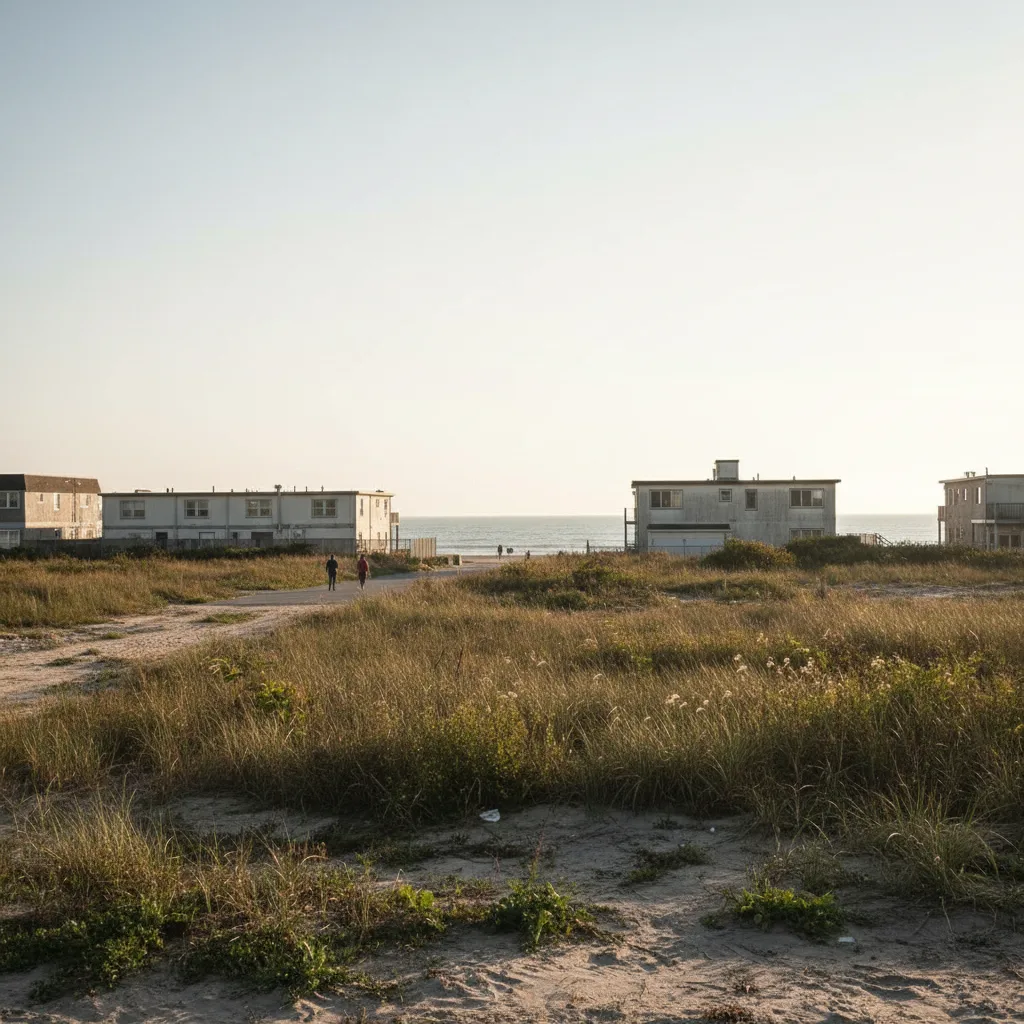
Rockaway Beach 10-Story Apartment Rental Seeks Rezoning Approval
A developer is seeking rezoning approval for a 10-story, 70-apartment rental building with 18 affordable units at 2-28 Beach 87th Street in Rockaway Beach.
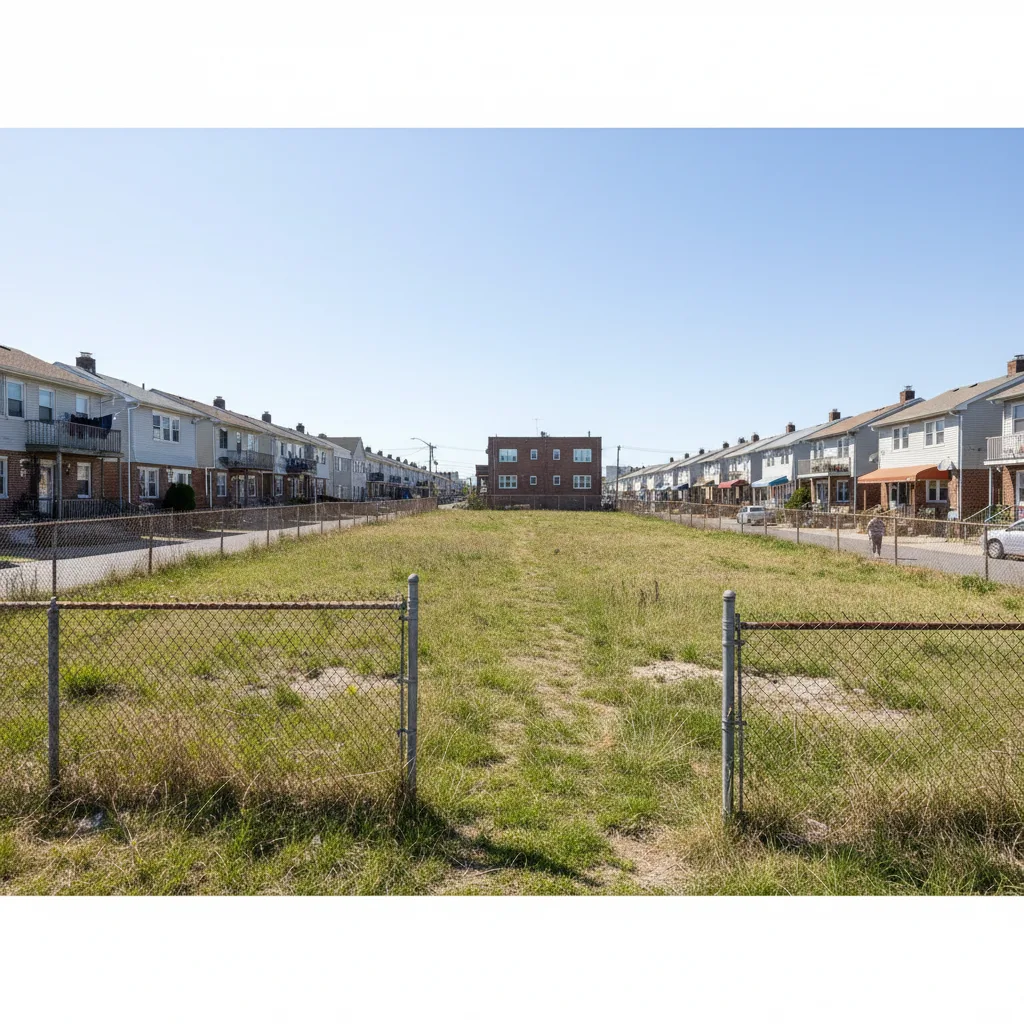
Rockaway Beach 87th Street Tower Rendering Reveals 70 Apartments
A preliminary rendering reveals plans for a 10-story residential building with 70 rental apartments, including 18 affordable units, at 2-28 Beach 87th Street in Rockaway Beach.

Rockaway Community Board Rejects Proposed 10-Story Apartment Tower
Rockaway Beach's Community Board 14 voted 20-2 in November 2026 to oppose a proposed 10-story residential tower at 2-28 Beach 87th Street.
Hochul Celebrates $1.4 Billion Van Wyck Widening Completion
Governor Kathy Hochul celebrated the completion of the $1.4 billion Van Wyck Expressway widening project on November 18, 2026, a significant infrastructure upgrade aimed at alleviating traffic congestion in Queens.
Housing Lottery Opens for 15 Far Rockaway Units at 139 Beach 29th Street
A housing lottery has opened for 15 two-bedroom apartments at 139 Beach 29th Street in Far Rockaway, with rent set at $2,713.