


FEMA Readiness Concerns Spur Local Hurricane Preparedness in Queens
NEW YORK — The Federal Emergency Management Agency (FEMA) is reportedly entering the 2026 hurricane season while still grappling with disruptions from months of government shutdowns, delayed grants, and a severely depleted Disaster Relief Fund. This concerning outlook, as reported by CBS News on March 13, 2026, has intensified calls for proactive local hurricane preparedness initiatives and community engagement across Queens, particularly along vulnerable coastal areas like Cross Bay Boulevard.
Queens residents, especially those in flood-prone neighborhoods such as Howard Beach, Broad Channel, and the Rockaways, are all too familiar with the devastating impact of severe weather events. The news regarding FEMA's challenges underscores the critical importance of robust city and state-level readiness efforts.
FEMA's Challenges and National Impact
The federal agency's capacity to respond to a major natural disaster has been significantly hampered. Shutdowns in late 2025 led to a freeze on new projects and personnel, while the Disaster Relief Fund currently holds only about 20% of its average pre-season balance. This financial strain could translate to slower aid disbursement and reduced resources for affected communities nationwide.
Representative Gregory Meeks, whose district includes a significant portion of Southeast Queens, voiced his apprehension. "FEMA's challenges are deeply concerning for my constituents, many of whom are still recovering from previous storms," Congressman Meeks told a local radio station on Thursday, March 14. He highlighted the need for federal leaders to prioritize disaster funding before the peak of hurricane season.
NYC Emergency Management Boosts Local Protocols
In response to the federal agency's reported difficulties, New York City Emergency Management (NYCEM) has reiterated its commitment to local preparedness. Commissioner Zach Iscol announced an accelerated schedule for community outreach programs and emergency drills across the five boroughs, with a particular focus on coastal zones.
"While federal support is vital, New York City always operates on the principle of self-reliance in the immediate aftermath of a disaster," Commissioner Iscol stated during a press conference at the Rockaway Beach boardwalk on Friday, March 15. He confirmed that NYCEM has allocated an additional $10 million in the 2026 budget for enhancing local emergency infrastructure and training approximately 5,000 community volunteers.
Cross Bay Boulevard's Vulnerability and Mitigation Efforts
Communities lining Cross Bay Boulevard, situated near Jamaica Bay, are designated as Zone A flood areas, making them highly susceptible to storm surges. Local officials and community groups have spent years implementing mitigation strategies following lessons learned from Superstorm Sandy in 2012. These include improving drainage systems and elevating homes.
"Every hurricane season brings a certain level of anxiety for our residents," said Joseph DeMartino, president of the Howard Beach Civilian Observation Patrol. "We saw firsthand what a depleted fund could mean during Sandy, and we're not taking any chances this time." He urged residents to consult the Jamaica Bay Wildlife Refuge conservation efforts for environmental resilience information, which often ties into flood protection.
Community Engagement and Personal Preparedness
The emphasis this year is heavily on individual and family preparedness. NYCEM is distributing comprehensive hurricane guides in multiple languages, advising residents to create emergency kits, secure important documents, and develop evacuation plans. These guides are readily available at local community centers and online.
Workshops focusing on generator safety, flood insurance specifics, and basement cleanup procedures are scheduled throughout April and May 2026 at various locations, including the Robert E. Charles Post in Howard Beach. These sessions aim to empower residents with practical knowledge for safeguarding their properties and families.
Infrastructure Resilience and Transportation Concerns
Critical infrastructure along Cross Bay Boulevard, including bridges and roads leading to the Rockaways, is also under review. The Department of Transportation (DOT) has plans for specific traffic management protocols during severe weather events to ensure safe evacuations and emergency access.
Transportation options like the Rockaway Ferry schedule updates become crucial during storm events, providing vital alternatives when roads are impassable. The MTA has also outlined its storm protocols, emphasizing the protection of subway and bus infrastructure from flooding, a significant challenge during past hurricanes.
Frequently Asked Questions About Hurricane Preparedness in Queens
How does FEMA's funding status impact hurricane preparedness in Queens? FEMA's depleted Disaster Relief Fund and operational disruptions could potentially delay federal aid and resources to Queens following a hurricane. This situation highlights the increased importance of local and state emergency management agencies, like NYCEM, in leading preparedness and initial response efforts to protect vulnerable communities along Cross Bay Boulevard.
What are residents along Cross Bay Boulevard advised to do to prepare for hurricane season? Residents in flood-prone areas of Queens, including those along Cross Bay Boulevard, are strongly advised to create a family emergency plan, assemble a go-bag with essential supplies (water, non-perishable food, first aid), secure important documents, and know their evacuation zone. NYC Emergency Management provides detailed guides and hosts community workshops to assist with these preparations.
Where can I find my hurricane evacuation zone in Queens? New York City's hurricane evacuation zones (Zone A, B, C, etc.) are clearly marked and can be found on the NYC Emergency Management website, through the city's 311 service, or by checking local community advisories. Knowing your zone is crucial for understanding when and where to evacuate, particularly for residents in low-lying areas like Howard Beach and Broad Channel.
Written by
Newstrix
Cross Bay Current
Related Articles
More in Emergency & Fire →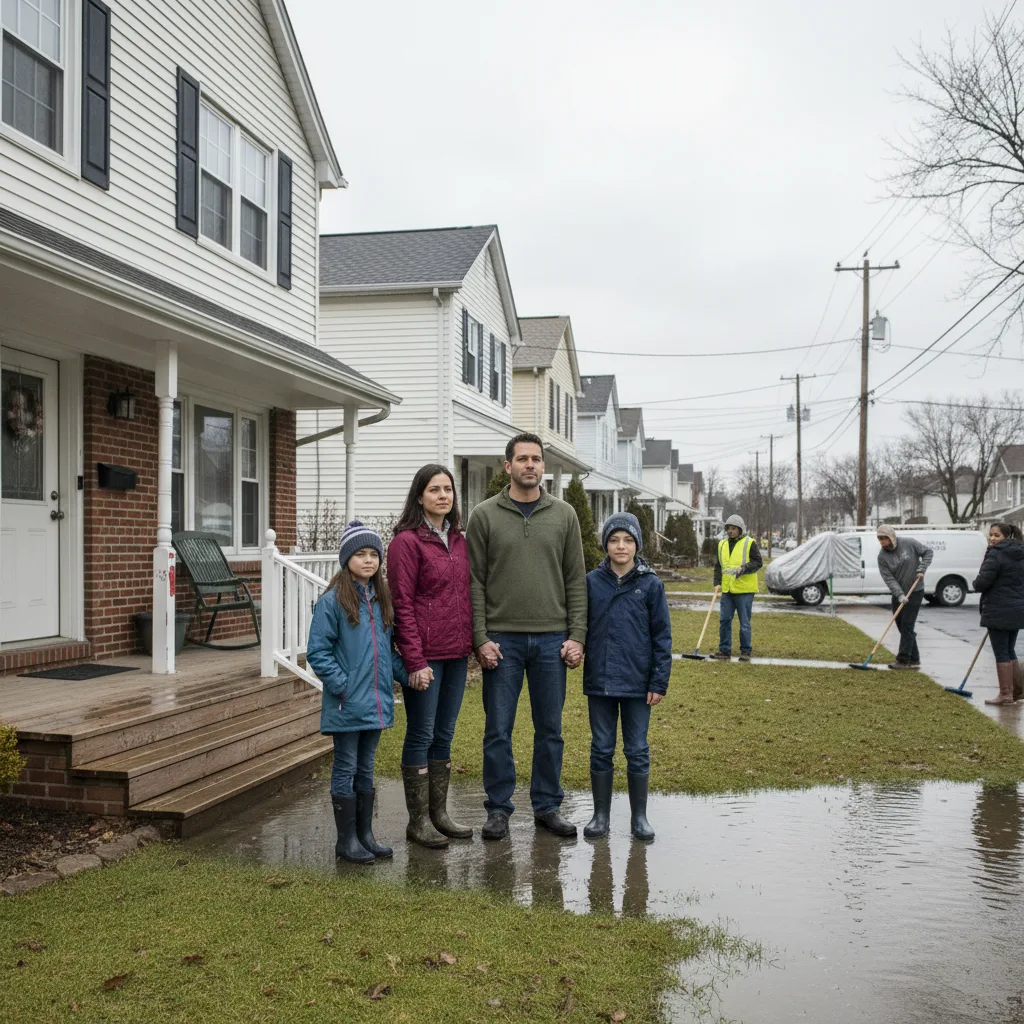
Queens Family Rescued from Howard Beach House Fire Amid Flooding
A Howard Beach family was saved from a house fire this week amid ongoing flooding and transit disruptions near Cross Bay Boulevard, impacting local commutes.
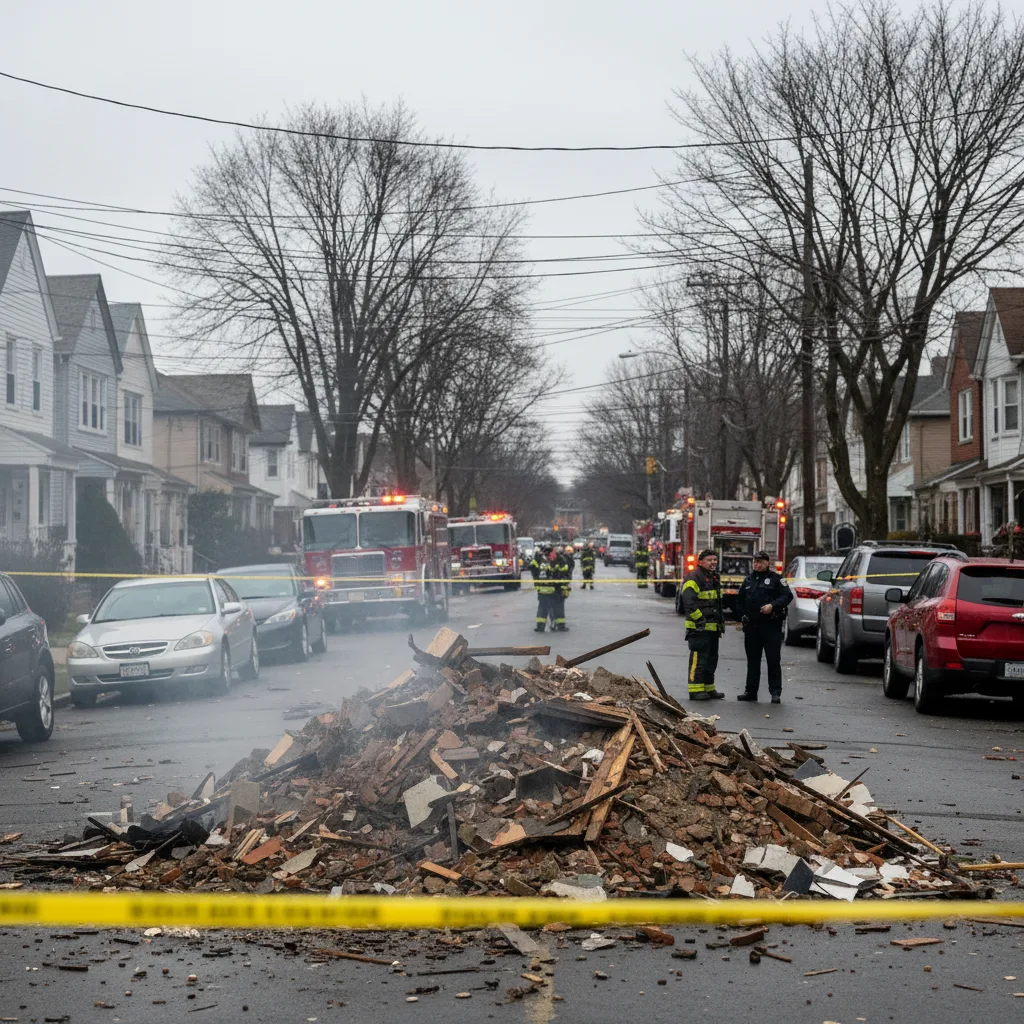
South Ozone Park Home Blown Up in Gas-Fed Fire, Body Found
A body was found after a South Ozone Park home collapsed in a five-alarm gas-fed fire, reportedly ignited during a domestic dispute, sparking a massive emergency response in Queens.
Large Fire Engulfs Queens Home, Spreading to Neighboring Houses
A large fire started in a South Ozone Park home's basement before spreading rapidly to neighboring houses early Thursday. Over 140 fire and EMS personnel responded to the intense Queens blaze, displacing families.
South Ozone Park Fire Injures Three Firefighters and Civilians
A two-alarm fire in South Ozone Park injured three people, including two firefighters, damaging multiple homes. The blaze, starting at 109-35 110th Avenue, prompted a significant FDNY response early Thursday.
Ozone Park Fire Injures Three, Engulfs Two Homes Thursday
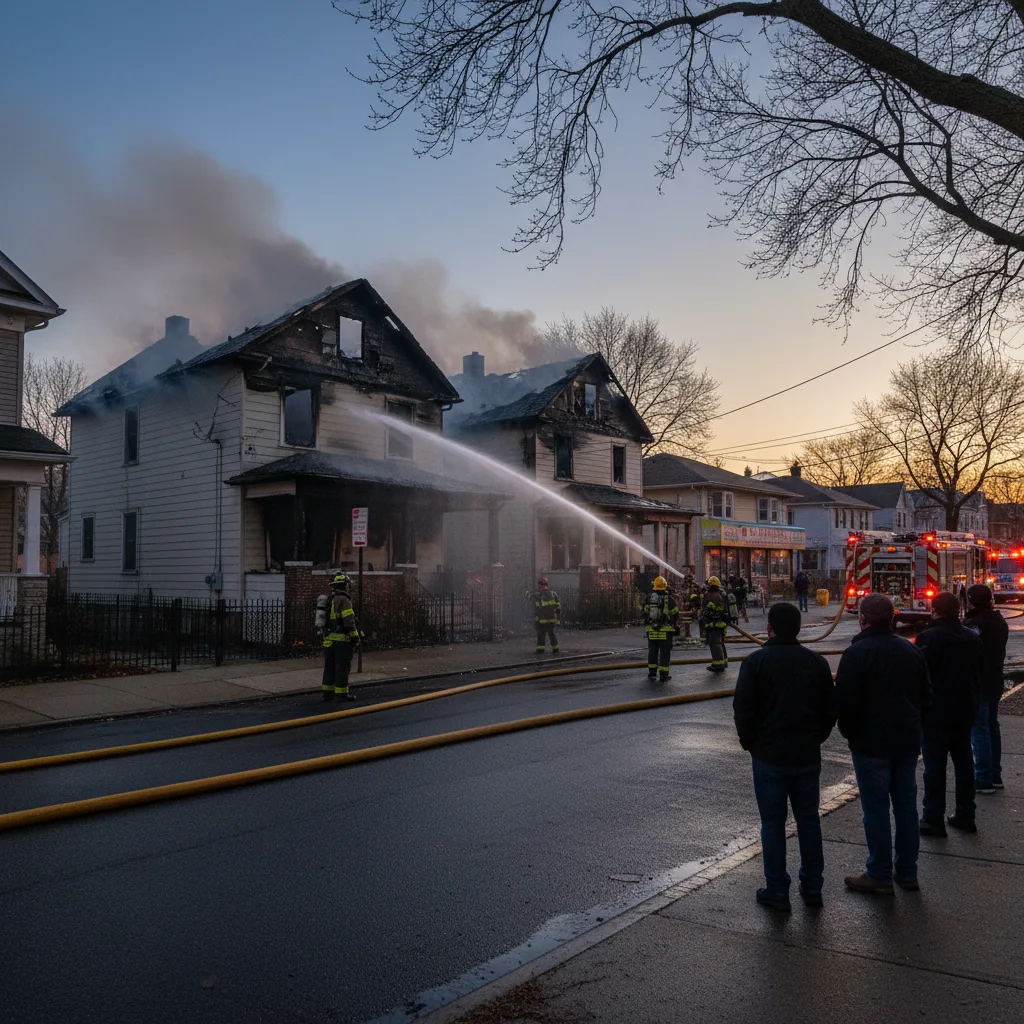
A fire ravaged two homes in Ozone Park early Thursday, injuring three people including two firefighters, prompting a rapid emergency response.
FDNY Mobilizes 140 Personnel for South Ozone Park House Blaze
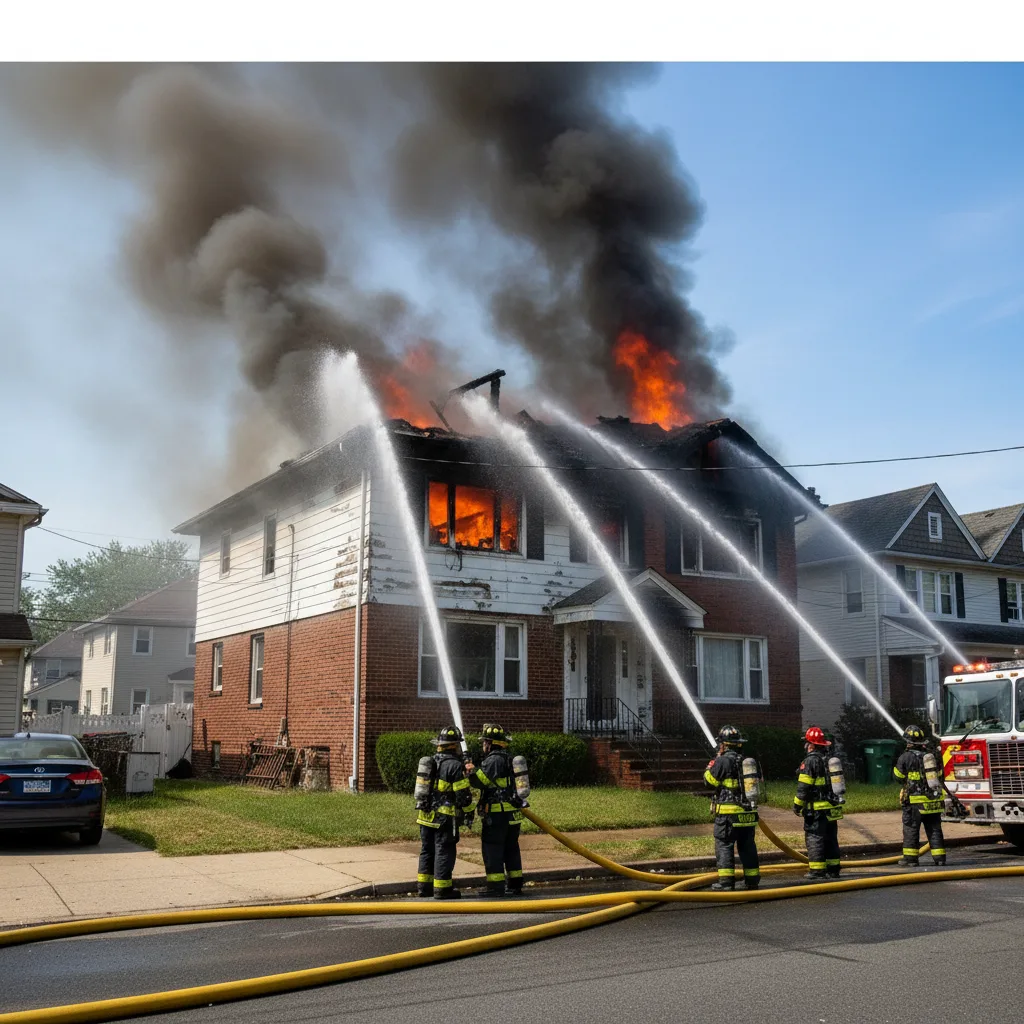
Over 140 FDNY personnel battled a massive house fire in South Ozone Park that spread to adjacent buildings, impacting Queens residents.