


G7 Agrees to Release Emergency Oil Reserves Amid Surging Markets

Enjoying the coverage?
Queens and Rockaway news, plus the week's parking, transit and beach notes, in your inbox every Friday.
Sent every Friday. By subscribing, you agree to our Terms and Conditions and Privacy Policy.
NEW YORK — A G7 agreement to release emergency oil reserves became a major global story on October 3, 2026, as governments sought to stabilize surging energy markets, according to aa.com.tr. This move signals rising concern over price volatility and broader international instability.
Global Leaders Respond to Energy Market Volatility
The G7 nations—Canada, France, Germany, Italy, Japan, the United Kingdom, and the United States—collectively decided to tap into their strategic petroleum reserves. This coordinated effort aims to inject additional supply into the global market, hoping to cool rapidly escalating oil prices. The decision reflects growing anxieties among global leaders about the stability of international economies.
The emergency release is a response to several factors, including geopolitical tensions and supply chain disruptions. Energy analysts noted that such coordinated actions are rare, underscoring the severity of the current market conditions. The move directly impacts consumers and businesses worldwide by influencing fuel costs.
The Cross Bay Current Friday Briefing
Queens and Rockaway news, plus the week's parking, transit and beach notes, in your inbox every Friday.
Sent every Friday. By subscribing, you agree to our Terms and Conditions and Privacy Policy.
Impact on Cross Bay Boulevard Businesses and Residents
The G7's decision to release emergency oil reserves could offer some relief to Cross Bay Boulevard businesses and residents facing rising energy costs. Local gas stations and transportation companies are particularly susceptible to fluctuations in global oil prices. A stabilization in crude oil could translate to more affordable fuel at the pump.
Businesses along the busy Cross Bay Boulevard corridor, which rely heavily on transport and energy for operations, stand to benefit from any decrease in energy market volatility. Reduced fuel costs can ease operational expenses for delivery services, taxis, and individual commuters. The local economy in south Queens is sensitive to these broader market trends.
Addressing Broader International Instability
Beyond immediate economic concerns, the G7 agreement also addresses a perceived increase in broader international instability. The move is a signal of governments' determination to use all available tools to prevent economic fallout from geopolitical events. It follows a period of heightened global tensions that have impacted various sectors.
Experts suggest that the G7's unified stance aims to send a strong message to markets about their commitment to maintaining economic order. This strategy seeks to instill confidence and prevent speculative trading from further driving up prices. The situation highlights the interconnectedness of global politics and economics.
Historical Precedents and Future Outlook
Historically, emergency oil reserve releases have been deployed during significant global crises, such as the Gulf War or in response to major supply disruptions. These actions are typically temporary and intended to bridge gaps until market conditions normalize. The current release is indicative of the seriousness with which the G7 views the present energy landscape.
The effectiveness of this measure will depend on various factors, including the volume of oil released and ongoing geopolitical developments. Analysts are closely watching how markets react in the coming weeks. The long-term outlook for energy prices remains uncertain, contingent on the resolution of global conflicts and economic recovery efforts.
Local Consumer Spending and Inflationary Pressures
Stabilizing energy prices could have a positive ripple effect on local consumer spending along Cross Bay Boulevard. When fuel costs decrease, households often have more disposable income, which can stimulate local retail and service industries. Conversely, unchecked energy price increases contribute to inflationary pressures, impacting the overall cost of living.
Residents are hopeful that the G7's action will mitigate some of the inflationary trends observed in recent months. The ability to control household budgets is a significant concern for many families in Queens. Any measure that reduces the financial burden on consumers is generally welcomed within the community.
Frequently Asked Questions
How will the G7's release of oil reserves specifically benefit Cross Bay Boulevard residents and businesses?
The G7's release of emergency oil reserves aims to stabilize surging energy markets, which could lead to lower fuel prices at the pump for Cross Bay Boulevard residents and reduce operational costs for local businesses. This could result in more affordable transportation and potentially lower prices for goods and services in the area.
What are the potential risks or downsides of releasing emergency oil reserves?
Releasing emergency oil reserves is typically a short-term solution, and its long-term effectiveness depends on various factors, including the volume released and ongoing global events. Potential downsides include depleting strategic reserves, which are meant for severe emergencies, and the risk that market volatility might not be fully controlled without addressing underlying geopolitical issues.
The Cross Bay Current Friday Briefing
Queens and Rockaway news, plus the week's parking, transit and beach notes, in your inbox every Friday.
Sent every Friday. By subscribing, you agree to our Terms and Conditions and Privacy Policy.
Related Articles
More in Local Economy & Business →
Fresh Meadows Burger Village to Give Free Burgers Nov 16
Burger Village will hold its grand opening in Fresh Meadows on Monday, November 16, 2026, offering free burgers to the first 100 guests.
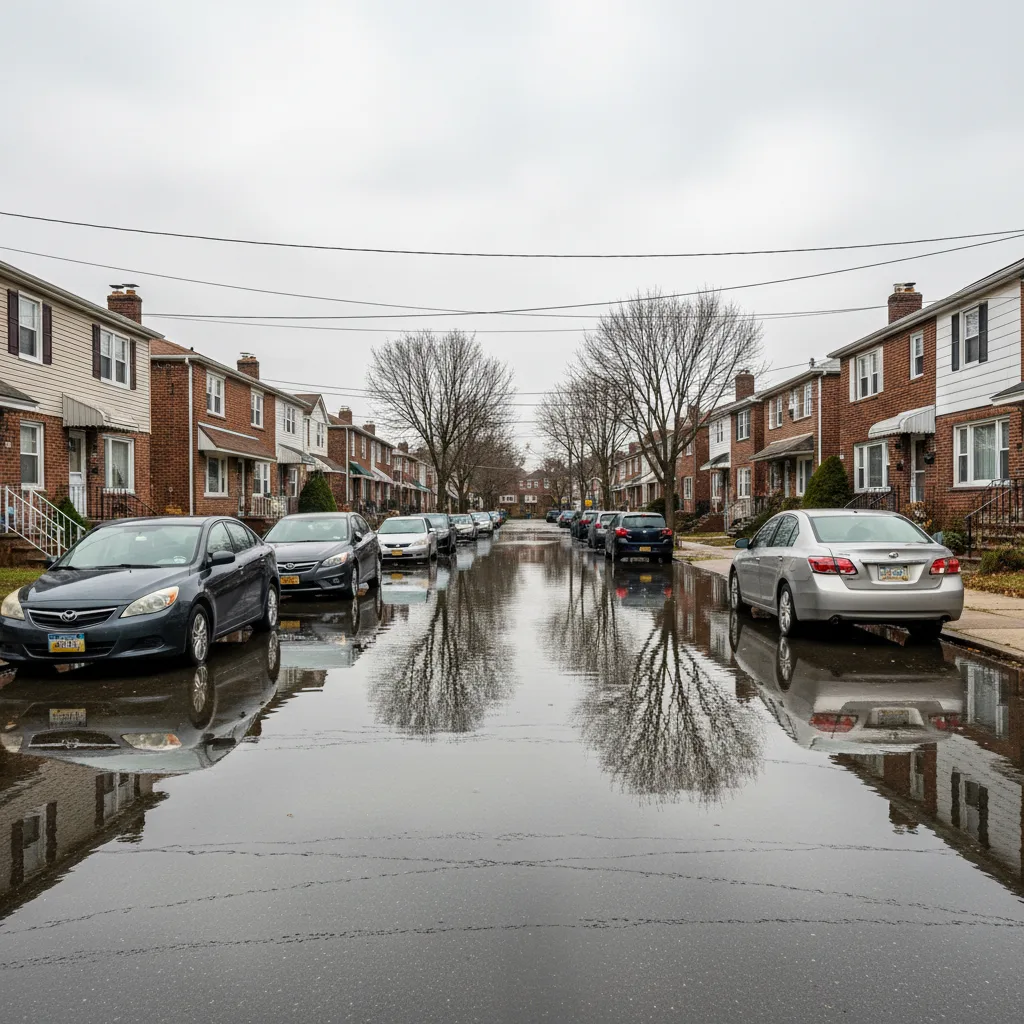
Howard Beach Residents Experience Tidal Flooding on Davenport Court
Howard Beach residents reported tidal flooding on Davenport Court on Thursday, November 26, 2026, due to a powerful coastal storm.
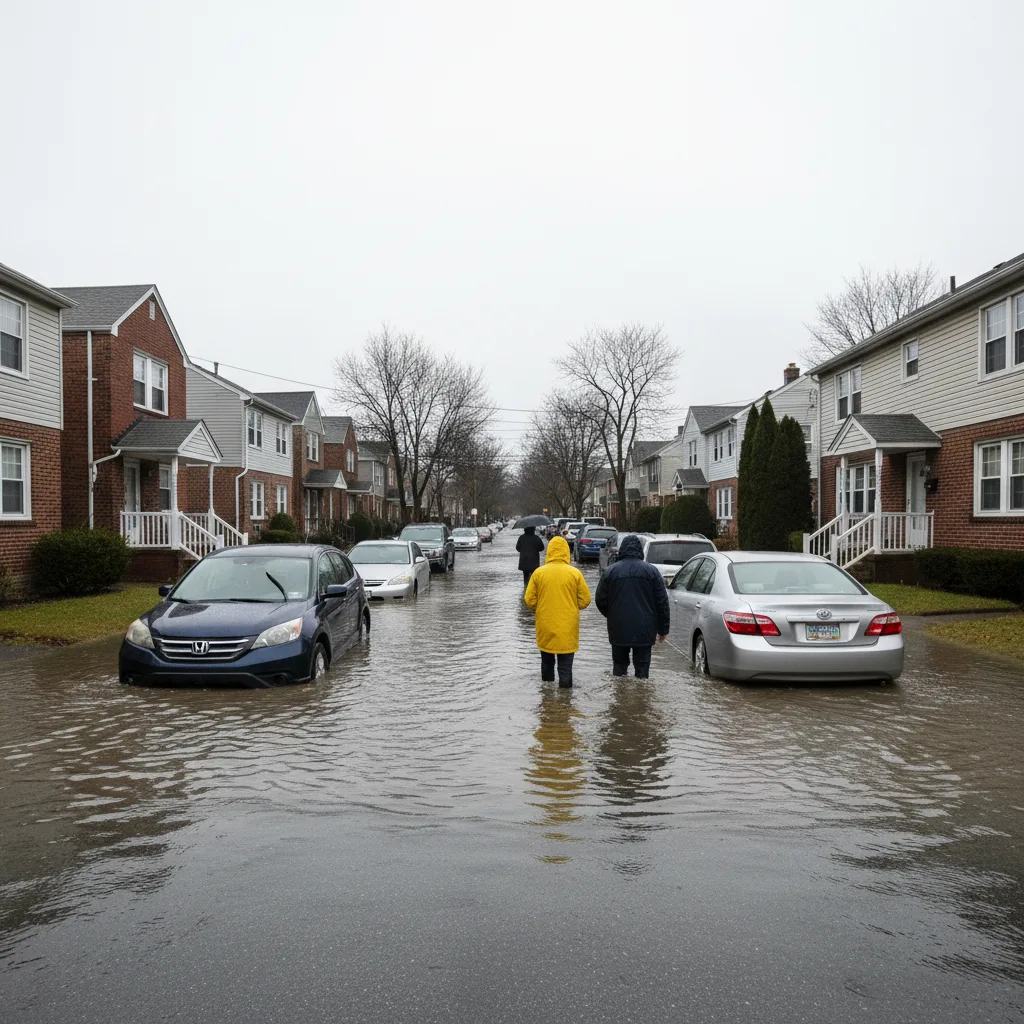
Queens Residents Face Major Flooding, Winds From Coastal Storm
Queens residents are experiencing widespread tidal flooding and damaging wind gusts on November 26, 2026, from a powerful coastal storm.
NYC Postpones Macy's Thanksgiving Parade Amid Major Storm Threat
NEW YORK: Governor Kathy Hochul declared a state of emergency for several downstate counties, including Queens, on Thursday, November 26, 2026, as a powerful…
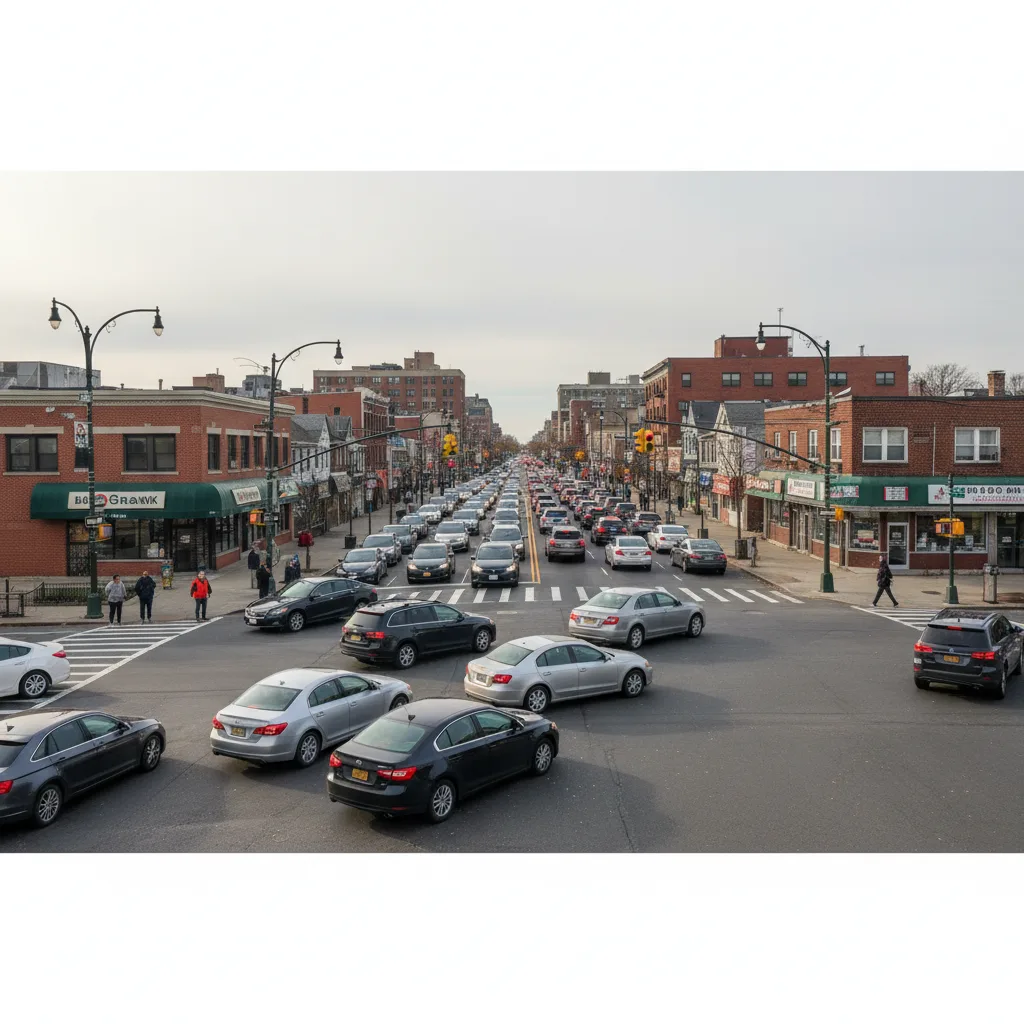
Community Board 6 Seeks Enhanced Transit for South Queens
NEW YORK: Community Board 6 members underscored the pressing need for enhanced public transit options across South Queens during their October 14, 2026,…
Queens Lottery Tickets Net $54,624 in November 20 Drawings
NEW YORK: Queens residents secured significant lottery winnings on November 20, 2026, as two TAKE 5 tickets sold in the borough claimed a combined $54,624 in…