


Hormuz Strait Missile Attack Escalates Tensions, Fuels Queens Gas Price Fears

NEW YORK — The recent missile attack on a U.S. Navy vessel in the Strait of Hormuz, following ignored warnings from Iran, has sent immediate ripples of concern through Queens, especially along Cross Bay Boulevard, as local residents and businesses brace for surging gas prices and potential broader economic instability. The incident, which risks escalating regional conflict, directly impacts the daily commutes and livelihoods of many who traverse the boulevard.
Residents gathering at local delis and establishments like the Irish Eyes Pub on Tuesday, May 13, 2026, expressed growing anxiety over the economic fallout. The price of regular unleaded gasoline in Queens has already spiked to $4.45 a gallon, marking a 50% increase since the conflict's initial escalation. “This Hormuz mess is gonna bankrupt my delivery drivers,” lamented Michael O’Malley, owner of a small catering business based near the boulevard’s northern end in Ozone Park. “Every cent extra at the pump cuts directly into my bottom line.”
Local Commuters Face Rising Costs
For thousands of Queens residents, Cross Bay Boulevard serves as a vital artery, connecting southern Queens neighborhoods to essential bridges and highways leading to Manhattan and other boroughs. Many rely on their vehicles for work, family obligations, and daily errands. The sudden jump in gas prices, fueled by global tensions, translates directly into higher operational costs and reduced disposable income for these commuters.
Public transit, while an option for some, does not fully alleviate the burden for those whose routes or jobs necessitate driving. The average weekly fuel cost for a Cross Bay Boulevard commuter making daily trips into Manhattan has reportedly increased by approximately $30-$40, a significant sum for many working families. This financial strain is forcing households to re-evaluate budgets, with discretionary spending often being the first to be cut, impacting local businesses further. The global incident was detailed in a YouTube news report.
Community Board Meetings Address Global Fears
The geopolitical tensions are not only affecting pocketbooks but also sparking deeper anxieties within the diverse communities of Queens. Community board meetings held throughout the week have fielded numerous calls from families fearing the escalation of conflict into a larger war, particularly those with immigrant relatives in the Middle East. The proximity of the Cross Bay Veterans Memorial Bridge, a familiar landmark, becomes a backdrop for these weighty discussions.
Kids at the playground near the bridge are overhearing parents debate the efficacy of sanctions versus diplomatic solutions. “My aunt in Baghdad is already scared, and now we’re worried about what happens next if things get worse,” shared Layla Karim, a resident of Broad Channel, at a Community Board 10 meeting on May 15, 2026. This sentiment reflects a broader concern that far-flung conflicts can have immediate and personal consequences for Queens residents.
Economic Impact on Local Businesses
The rising fuel costs present a significant challenge for small businesses operating along Cross Bay Boulevard. Delivery services, construction companies, and taxi operators are particularly vulnerable. Many are struggling to absorb the increased operational expenses, leading to difficult decisions about pricing, staffing, or even routes.
“We can’t just raise our prices overnight without losing customers,” explained Linda Park, owner of a small laundromat near 157th Avenue, which uses a delivery van for commercial clients. “It’s a balancing act, and right now, the scales are tipping against us.” The local Chamber of Commerce has begun holding emergency sessions to discuss potential relief measures or advocacy strategies to support these businesses through the volatile economic climate. This global event has sparked significant community response across Cross Bay Boulevard.
Political Discourse and Future Outlook
The incident in the Strait of Hormuz has also reignited political debates among Queens residents, particularly concerning foreign policy and its domestic repercussions. Conversations at coffee shops and community centers frequently touch on whether current sanctions policies will bring peace or contribute to further instability and pain at the pump. The upcoming 2026 midterm elections are already seeing candidates addressing these concerns, trying to articulate solutions for economic resilience in the face of global uncertainties.
The long-term outlook remains uncertain, as geopolitical developments continue to unfold. For Cross Bay Boulevard residents, the focus is on resilience and adaptability, hoping that diplomatic efforts can de-escalate tensions and stabilize energy markets. The immediate reality, however, is a heavier burden at the gas station and a heightened sense of global interconnectedness affecting local life.
Frequently Asked Questions About Hormuz Tensions and Local Impact
Q: How is the Strait of Hormuz missile attack affecting Cross Bay Boulevard residents? A: The missile attack has caused immediate concern for Cross Bay Boulevard residents primarily due to rapidly rising gas prices. Many commuters and local business owners are experiencing increased operational costs, with gas prices jumping to $4.45 a gallon, a 50% increase.
Q: What specific local businesses are most impacted by rising gas prices? A: Businesses reliant on transportation, such as delivery services, catering companies, and taxi operators, are most significantly impacted. They face higher operational expenses that cut into profit margins, making it difficult to maintain current pricing or service levels.
Q: Are there broader community concerns beyond economic impact? A: Yes, community members, particularly those with immigrant relatives in the Middle East, express fears about the potential escalation into a larger war. These geopolitical anxieties are being discussed at community board meetings and among residents, reflecting a deep concern for global stability.
Q: What is the average increase in fuel cost for local commuters? A: An average Cross Bay Boulevard commuter making daily trips into Manhattan could see their weekly fuel costs increase by approximately $30-$40, significantly impacting household budgets and reducing disposable income.
Q: What are political leaders and community organizations doing? A: Local political leaders are addressing these concerns, especially in light of upcoming elections, discussing foreign policy implications and economic resilience. The local Chamber of Commerce is also holding emergency sessions to explore support strategies for businesses affected by volatile fuel prices.
Written by
Newstrix
Cross Bay Current
Related Articles
More in Local Economy & Business →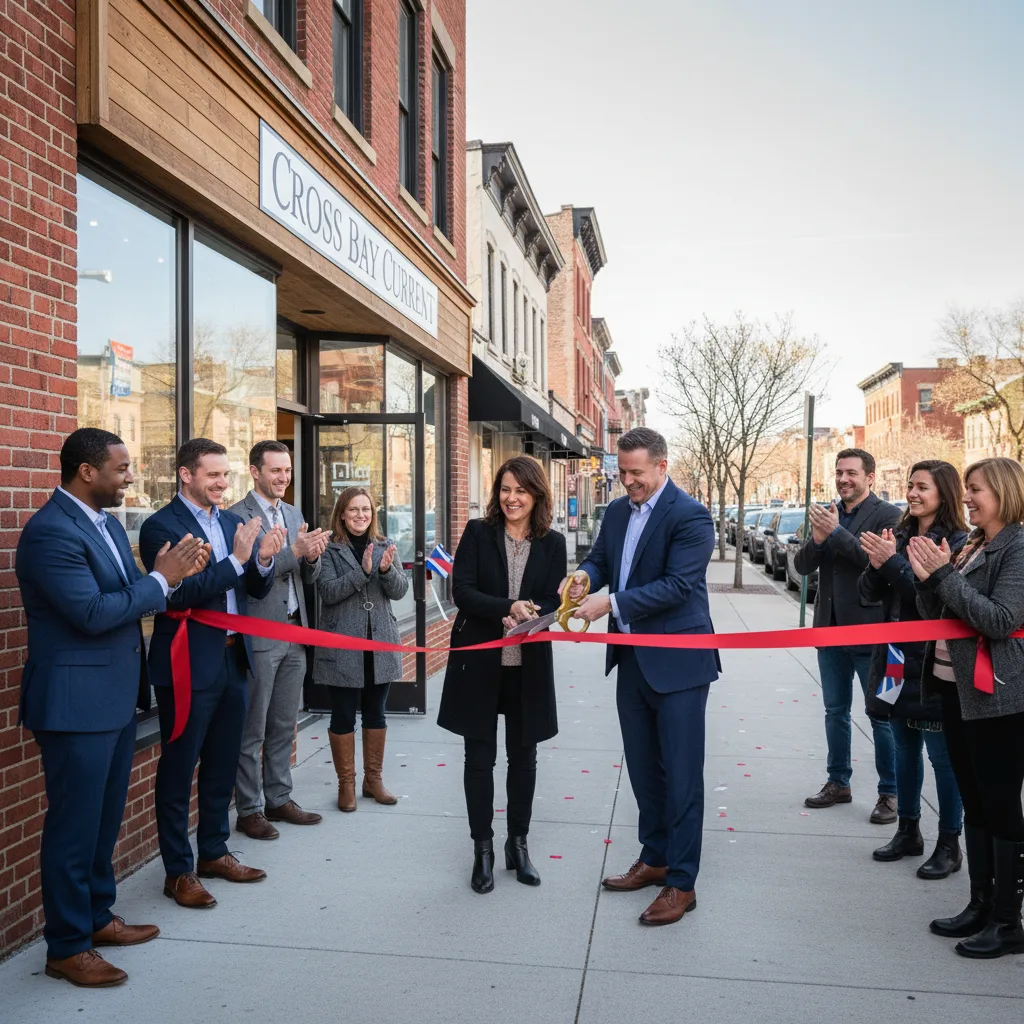
Cross Bay Boulevard Welcomes New Business with Grand Opening
A new business officially opened at 156-36 Cross Bay Boulevard with a ribbon-cutting ceremony on Friday, September 18, 2026, signaling local growth.
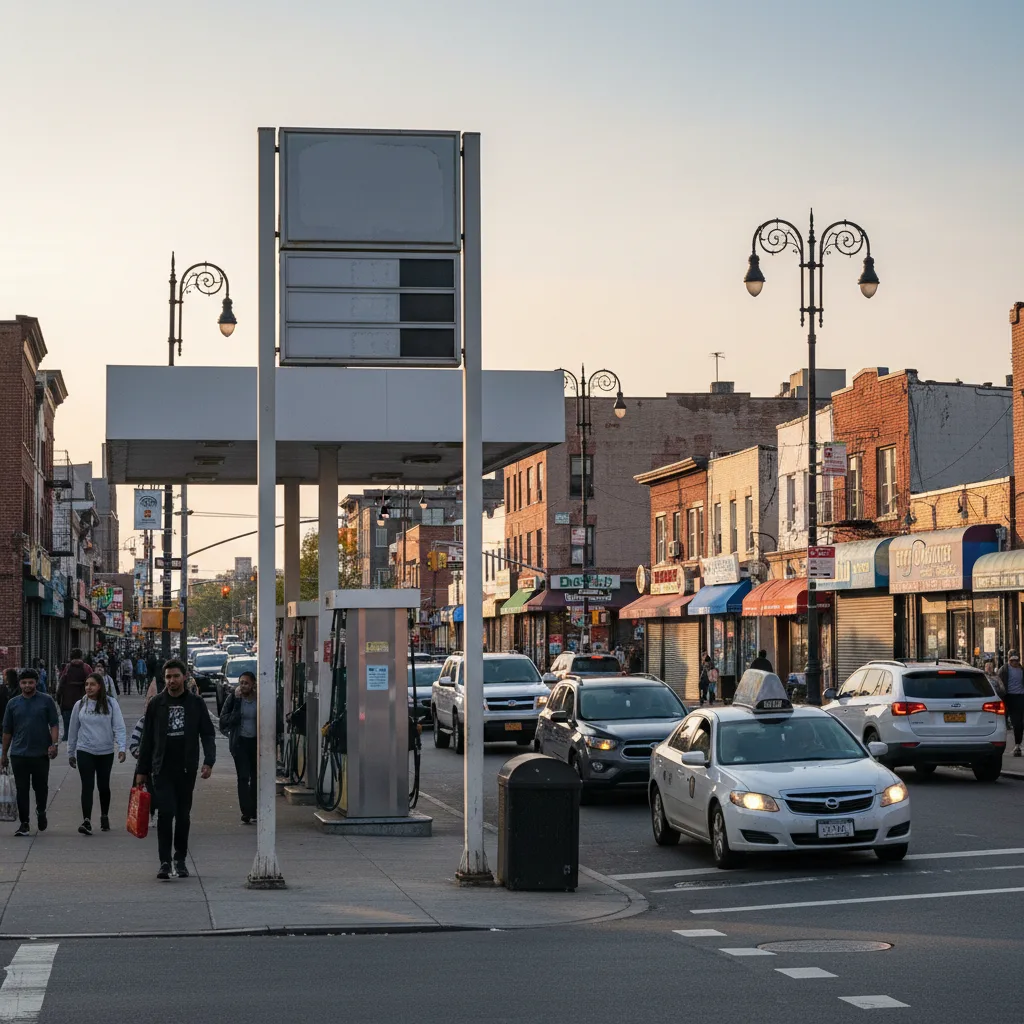
Iran's Foreign Minister Travels to China Amid West Asia Tensions
Iran's foreign minister travels to China amid West Asia tensions. Cross Bay Boulevard residents worry about oil prices, shipping, and local family budgets.
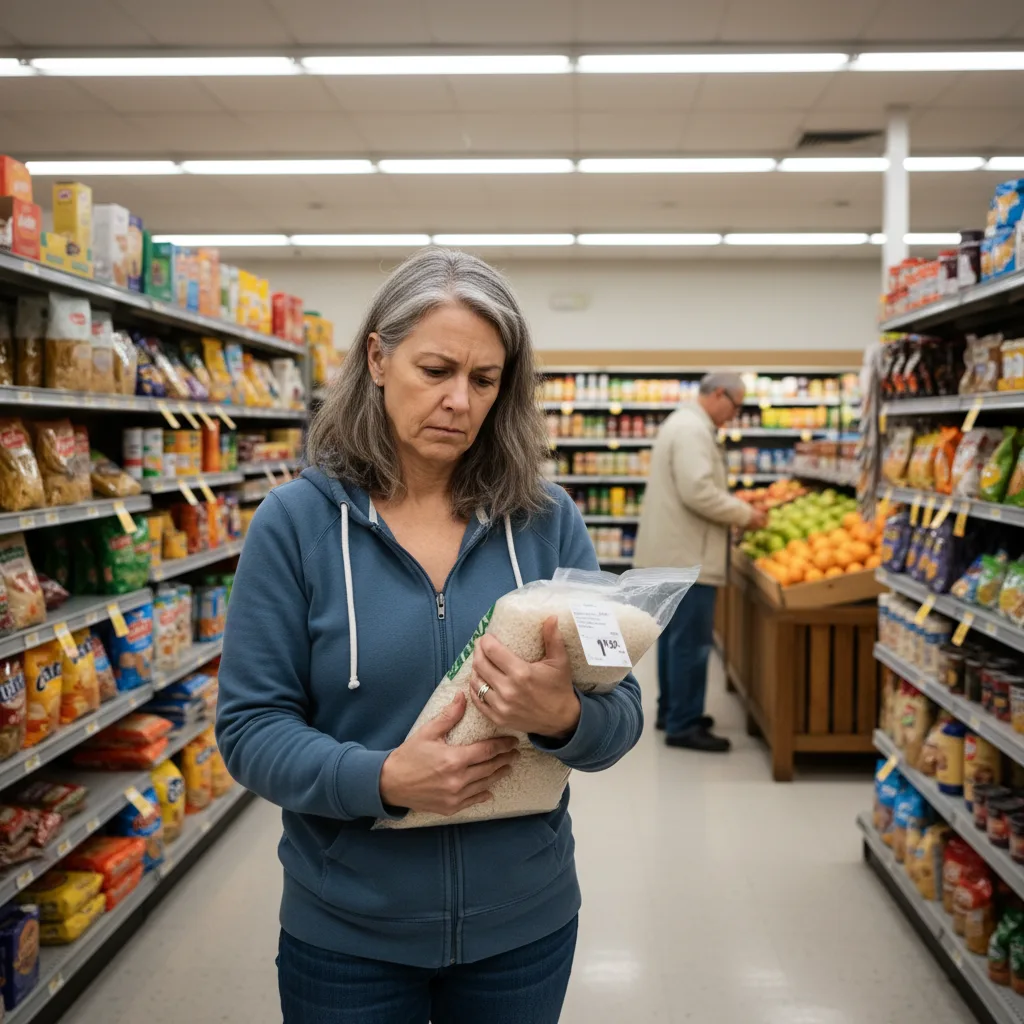
Queens Residents Brace for Trade Shocks as WTO Warns of Risks
The WTO warns of major global trade risks. Queens residents on Cross Bay Boulevard worry about rising prices for groceries and imports, preparing for supply delays.

Saudi Arabia Forms Maritime Coalition, Cross Bay Boulevard Reacts
Saudi Arabia launched a maritime coalition to protect shipping lanes. Cross Bay Boulevard residents fear higher prices and trade disruption if global tensions escalate.

Irish Whiskey Tariff Removal: Queens Businesses Eye Trade Impact 2026
Donald Trump announced plans to scrap the 10% tariff on Irish whiskey, a move that could impact Queens businesses along Cross Bay Boulevard and influence consumer prices.

Queens Residents Discuss Trump's Stance on Chinese Car Manufacturing
Cross Bay Boulevard residents discuss Trump’s stance on Chinese car manufacturing in the US, debating impacts on local jobs and vehicle prices.