


Hormuz Tensions Prompt Queens Concerns Over Gas Prices on Cross Bay Boulevard

NEW YORK — Escalating tensions in the Strait of Hormuz are causing ripple effects across Queens, with residents along Cross Bay Boulevard keenly debating the potential for another spike in gas prices. The possibility of disrupted oil supplies in the Middle East has local diners and community forums buzzing, as many fear further economic strain amid already high costs of living in New York City. The Cross Bay Diner, a local institution, has been a hub for these discussions.
President Trump’s recent optimistic statements about a swift resolution with Iran, juxtaposed with Tehran's claims of controlling the critical strait, have created uncertainty. Two U.S. Navy destroyers transiting the strait amid an Iranian barrage only further fueled anxiety among local commuters and business owners who rely on stable fuel costs. For families budgeting every dollar, this global event hits home hard.
Local Economy Braces for Impact
Howard Beach and Broad Channel, communities connected by Cross Bay Boulevard, are particularly vulnerable to rising fuel costs due to their reliance on car travel for many residents. Small business owners, like those operating delivery services, anticipate increased operational expenses. “Every penny counts when you’re running a small fleet,” said Tony, owner of a local catering business on Rockaway Boulevard. “Another hike could mean cutting staff or raising prices, and neither is good for business.”
The average gas price in Queens already hovers around $4.25 per gallon, a figure that many residents struggle to afford. A significant increase could push daily commutes and household budgets past a breaking point. The potential for such economic strain has become a leading topic of conversation at the Howard Beach Library's weekly community discussion group, where residents gather to discuss Queens community forum discussions.
Community Board Advises Preparedness
At a recent Community Board 10 meeting held at the Howard Beach library, board members urged residents to consider stocking up on essential, non-perishable goods. While not an official directive, the advice reflects growing local concern over potential supply chain disruptions and inflationary pressures that could stem from prolonged instability in the Middle East. “Prudence is key,” noted Board Member Eleanor Davis. “Being prepared offers peace of mind in uncertain times.”
Fishermen at Fountain Avenue Park, whose livelihoods depend on fuel for their boats, expressed deep worry about soaring fish prices. A hike in diesel costs would directly impact their ability to operate, inevitably passing the burden onto consumers at local fish markets. The local economy is interconnected, and disruptions ripple far and wide from global events.
Residents Adapt and Seek Alternatives
For many residents, the threat of rising gas prices means re-evaluating transportation habits. Retiree Maria from 157th Avenue, who usually drives her grandchildren, said, “I’m praying for peace, but I’m already looking into bus schedules to save on potential fuel hikes.” This sentiment is common among fixed-income individuals and families trying to stretch their budgets.
New York City’s robust public transportation system, including the A train serving Ozone Park and buses along Cross Bay Boulevard, might see an uptick in ridership. However, for those living in more remote parts of Broad Channel, where public transport options are limited, the prospect of fuel increases is especially daunting. The ongoing discussions highlight the interconnectedness of global politics and local pocketbooks.
The Geopolitical Context and Local Anxiety
The Strait of Hormuz is a crucial choke point for global oil shipments, with approximately 20% of the world's petroleum passing through it daily. Any threat to this flow directly impacts international oil prices, which then trickle down to local gas stations like those lining Cross Bay Boulevard. This economic sensitivity underscores why geopolitical events can spark immediate local anxiety.
The Pentagon reported two U.S. Navy destroyers transited the strait, and President Trump paused Project Freedom, designed to guide commercial ships, indicating the severity of the situation. This level of military involvement sends a clear signal of ongoing volatility. Cross Bay Boulevard residents, accustomed to the hustle and bustle of city life, are now also monitoring international news with a keen eye on their wallets.
FAQs on Hormuz Tensions and Local Impact
How do tensions in the Strait of Hormuz affect Queens residents?
Tensions in the Strait of Hormuz, a critical global oil shipping lane, can lead to disruptions in international oil supplies. This, in turn, often results in higher gas prices at the pump, directly impacting commuters, businesses, and household budgets in Queens neighborhoods like Howard Beach, Ozone Park, and Broad Channel, especially along Cross Bay Boulevard. Rising costs of living are a constant worry.
What is the current concern among Cross Bay Boulevard residents?
Residents are primarily concerned about another potential spike in gas prices. With New York City already having a high cost of living, any significant increase in fuel costs would put further financial strain on families and local businesses, affecting daily commutes and operational expenses. Many are discussing this at local diners and community gatherings.
What is the advice from Community Board 10 regarding the situation?
Community Board 10 members, during a meeting at the Howard Beach library, advised residents to consider stocking up on essential, non-perishable goods as a precautionary measure. This recommendation reflects local concerns about potential supply chain disruptions and inflationary pressures if geopolitical instability persists.
Are there alternatives for transportation if gas prices rise dramatically?
Yes, many residents are exploring alternatives. New York City offers extensive public transportation options, including subway lines and bus routes, which serve areas like Ozone Park and along Cross Bay Boulevard. Retiree Maria from 157th Avenue stated she's considering switching to buses to save on fuel costs. Residents can also consult NYC transportation infrastructure projects for long-term planning.
Why is the Strait of Hormuz so important for global oil supply?
The Strait of Hormuz is a narrow waterway connecting the Persian Gulf to the open ocean, through which approximately 20% of the world's petroleum consumption passes daily. Its strategic importance means any instability or disruption there can significantly impact global oil prices and, by extension, local fuel costs worldwide.
Written by
Newstrix
Cross Bay Current
Related Articles
More in Local Economy & Business →
Cross Bay Boulevard Welcomes New Business with Grand Opening
A new business officially opened at 156-36 Cross Bay Boulevard with a ribbon-cutting ceremony on Friday, September 18, 2026, signaling local growth.
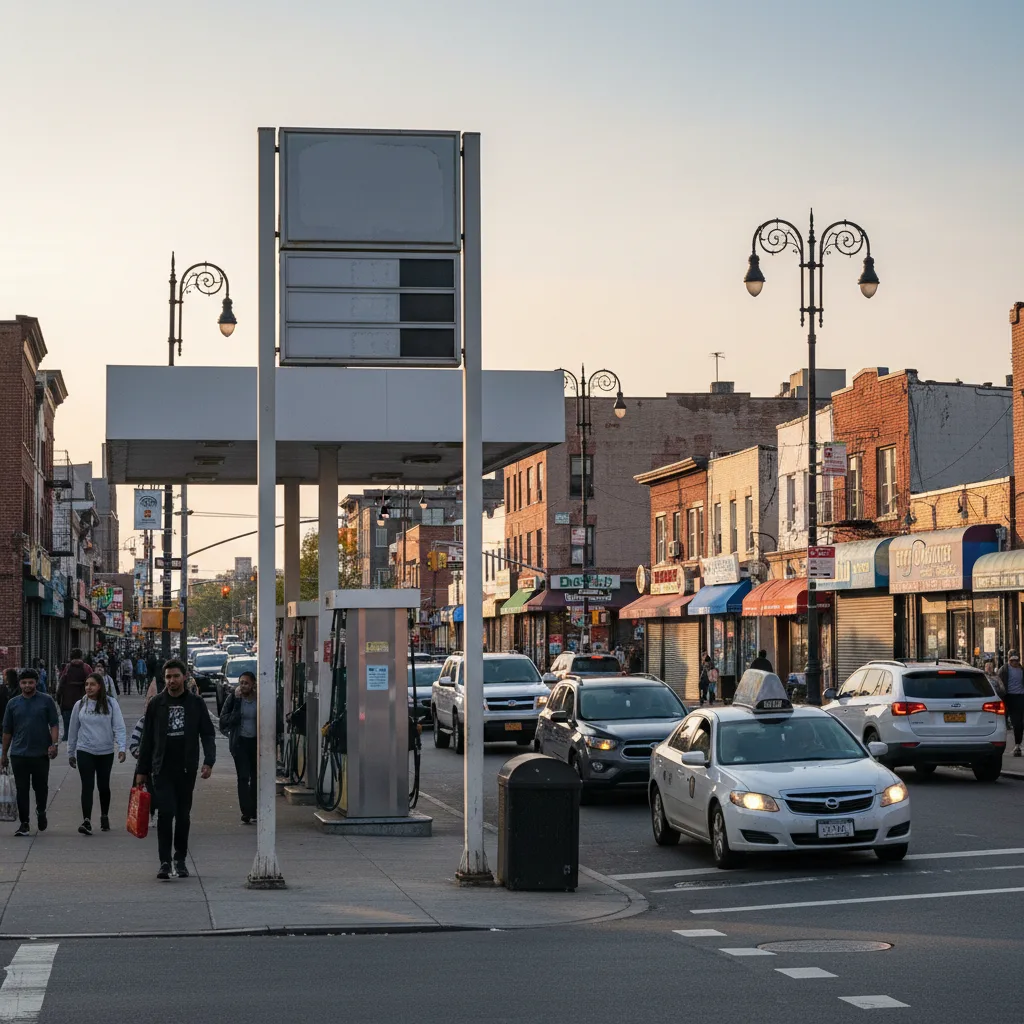
Iran's Foreign Minister Travels to China Amid West Asia Tensions
Iran's foreign minister travels to China amid West Asia tensions. Cross Bay Boulevard residents worry about oil prices, shipping, and local family budgets.
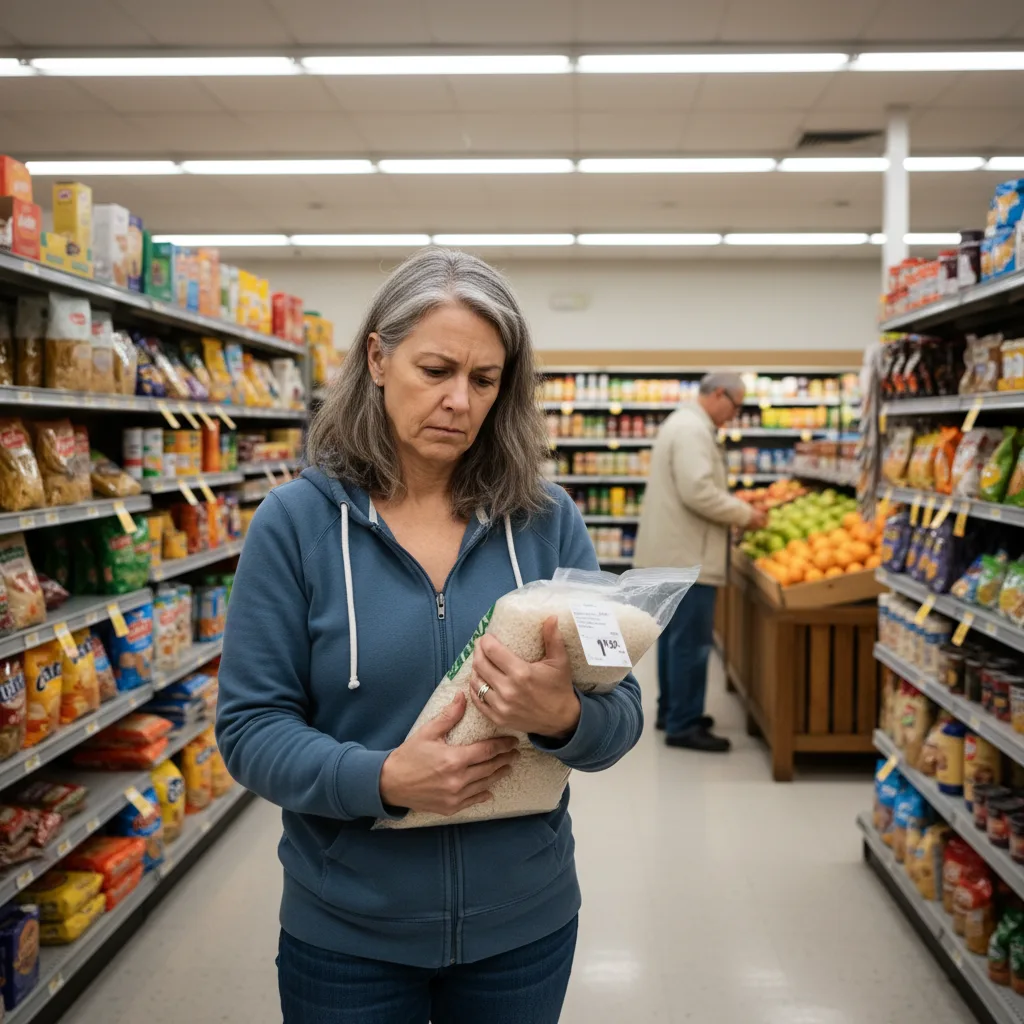
Queens Residents Brace for Trade Shocks as WTO Warns of Risks
The WTO warns of major global trade risks. Queens residents on Cross Bay Boulevard worry about rising prices for groceries and imports, preparing for supply delays.
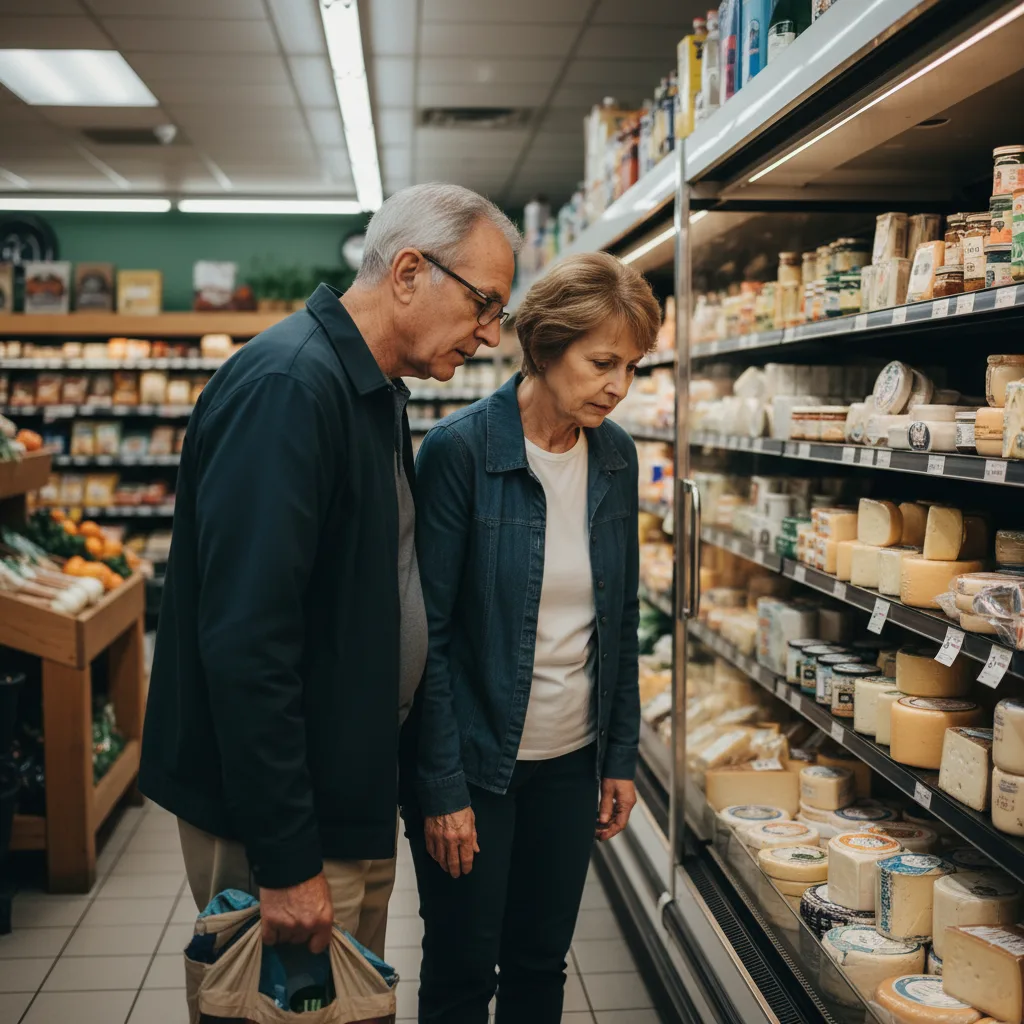
Saudi Arabia Forms Maritime Coalition, Cross Bay Boulevard Reacts
Saudi Arabia launched a maritime coalition to protect shipping lanes. Cross Bay Boulevard residents fear higher prices and trade disruption if global tensions escalate.

Irish Whiskey Tariff Removal: Queens Businesses Eye Trade Impact 2026
Donald Trump announced plans to scrap the 10% tariff on Irish whiskey, a move that could impact Queens businesses along Cross Bay Boulevard and influence consumer prices.

Queens Residents Discuss Trump's Stance on Chinese Car Manufacturing
Cross Bay Boulevard residents discuss Trump’s stance on Chinese car manufacturing in the US, debating impacts on local jobs and vehicle prices.