


Howard Beach Drivers Stock Fuel, "World War III" Talk Grips Queens

NEW YORK — Drivers along Cross Bay Boulevard in Howard Beach are stocking up on fuel cans, grumbling about expected price hikes, as a major US strike on Iran's B1 bridge and Tehran's retaliation against Israel intensify a five-week-old war. The escalating global conflict has prompted “World War III” talk among families and friends across Queens, transforming everyday conversations into anxious discussions about an uncertain future.
On Friday, April 4, 2026, President Trump shared video of a US strike that destroyed Iran’s B1 bridge, vowing continued action until threats end. In response, Iran fired missiles at Israel and reportedly damaged infrastructure in Kuwait. This rapid escalation, now nearing its fifth week, has global powers like France and South Korea pledging to reopen the Strait of Hormuz, fearing widespread oil supply disruptions. This geopolitical crisis casts a long shadow over local Queens communities.
Fueling Fears at Cross Bay Boulevard Gas Stations
At gas stations along Cross Bay Boulevard, a noticeable increase in drivers topping off their tanks and purchasing extra fuel containers has been observed since Tuesday. The Shell station near 159th Avenue reported a 30% increase in jerry can sales this week alone. “We can’t afford another jump in gas prices,” lamented Robert DeLuca, a landscaping business owner from Lindenwood, as he filled two five-gallon cans. “This war in the Middle East is messing with our wallets, big time.” His frustration is a common refrain heard at street corner chats throughout Howard Beach. The fear of financial impact is tangible.
These concerns are not isolated. Many residents recall the severe gas price spikes of previous international conflicts, making the current climate particularly unnerving. The immediate economic threat posed by potential oil shortages directly impacts local businesses and families' disposable income, leading to preemptive actions like bulk fuel purchases. Further details on local infrastructure projects also depend on stable fuel costs.
Belle Harbor Yacht Club Debates Boycotts
In nearby Belle Harbor, families at the Belle Harbor Yacht Club debated boycotting Middle Eastern imports over dinner conversations. The discussions, often fueled by news reports, reflect a broader community sentiment of seeking ways to respond to the geopolitical tensions. While largely symbolic, these conversations illustrate a desire among residents to engage with and influence global events through personal choices.
“It’s about showing solidarity and making a stand,” said Elizabeth Chen, a member of the yacht club, during Sunday brunch. “If we can’t stop the war, we can at least try to hurt the economies of those responsible.” The dialogue often extended to concerns about the safety of international trade routes and the overall stability of the global economy, topics usually reserved for financial news, now commonplace in local social circles. The yacht club, typically a place for leisure, has become a venue for serious discussions.
Playground Whispers of “World War III”
Perhaps most disquieting are the conversations emerging from local playgrounds, where children's soccer practices turn into hushed talks among parents about “World War III.” Parents are increasingly finding themselves in the position of reassuring their children, who overhear snippets of news or adult conversations, amid playground whispers about global conflict. This proximity of global anxiety to childhood innocence is a powerful local color detail.
“My son asked me if we were going to have a new world war,” shared Sarah Miller, a mother of two from Ozone Park, at a soccer practice at Charles Park. “You try to protect them, but the news is everywhere. It’s hard to know what to say.” The pervasive nature of modern media means that even the youngest members of the community are exposed to the anxieties of international affairs, highlighting the far-reaching impact of these events. For a comprehensive overview of the escalating conflict, view the Euronews report.
Global Powers Aim to Reopen Strait of Hormuz
The international response to the escalating conflict includes efforts from global powers like France and South Korea, who have pledged to help reopen the Strait of Hormuz. This vital waterway, a chokepoint for a significant portion of the world’s oil supply, is central to concerns about energy stability. Its closure or disruption would have catastrophic global economic consequences, directly impacting the fuel prices discussed on Cross Bay Boulevard.
The urgency of these diplomatic and military efforts underscores the severity of the situation. While the focus of international leaders is on strategic stability and global trade, for residents of Howard Beach, the implications are more immediate and personal: higher costs of living and a pervasive sense of unease. Upcoming community board meetings schedule may include discussions on preparing for economic volatility.
Frequently Asked Questions About Community Concerns
Why are drivers in Howard Beach stocking up on fuel cans?
Drivers along Cross Bay Boulevard are purchasing extra fuel cans due to fears of significant gas price increases. The escalation of conflict in the Middle East, particularly the US strike on Iran's B1 bridge and Iran's retaliation, has created widespread anxiety about potential oil shortages and rising fuel costs, directly impacting local budgets.
How is the escalating conflict being discussed among local families?
Global tensions are prompting anxious discussions among families across Queens. At places like children's soccer practices, parents are talking about "World War III" and having to reassure their children who are exposed to news of the conflict, indicating a deep community-wide concern about the future.
What is the significance of the Strait of Hormuz to Cross Bay Boulevard residents?
The Strait of Hormuz is a crucial global oil chokepoint. Its potential disruption due to the escalating conflict directly threatens global oil supplies, which would inevitably lead to higher gas prices in Queens. This link between international geopolitics and local living costs is a major concern for residents and businesses along Cross Bay Boulevard.
Written by
Newstrix
Cross Bay Current
Related Articles
More in Community →
Your Essential Guide to the Rockaway Ocean Club in 2026
Discover what to expect at the Rockaway Ocean Club in 2026, a vibrant beachfront hub in Queens with dining, events, and community activities.
Is Howard Beach in Queens or Brooklyn? A Comprehensive Guide to This Unique NYC Neighborhood
Is Howard Beach in Queens or Brooklyn? Discover the definitive answer: Howard Beach is a vibrant Queens neighborhood with unique coastal charm.
Your Essential Guide to Roy Wilkins Park Events in 2026
Discover the essential guide to Roy Wilkins Park events in 2026, featuring concerts, festivals, sports, and nature programs for South Queens residents.
Is Howard Beach in Queens? An Essential Guide to This Vibrant NYC Neighborhood
Discover if Howard Beach is in Queens, NYC, and explore this vibrant neighborhood's unique geography, community, lifestyle, and local attractions.
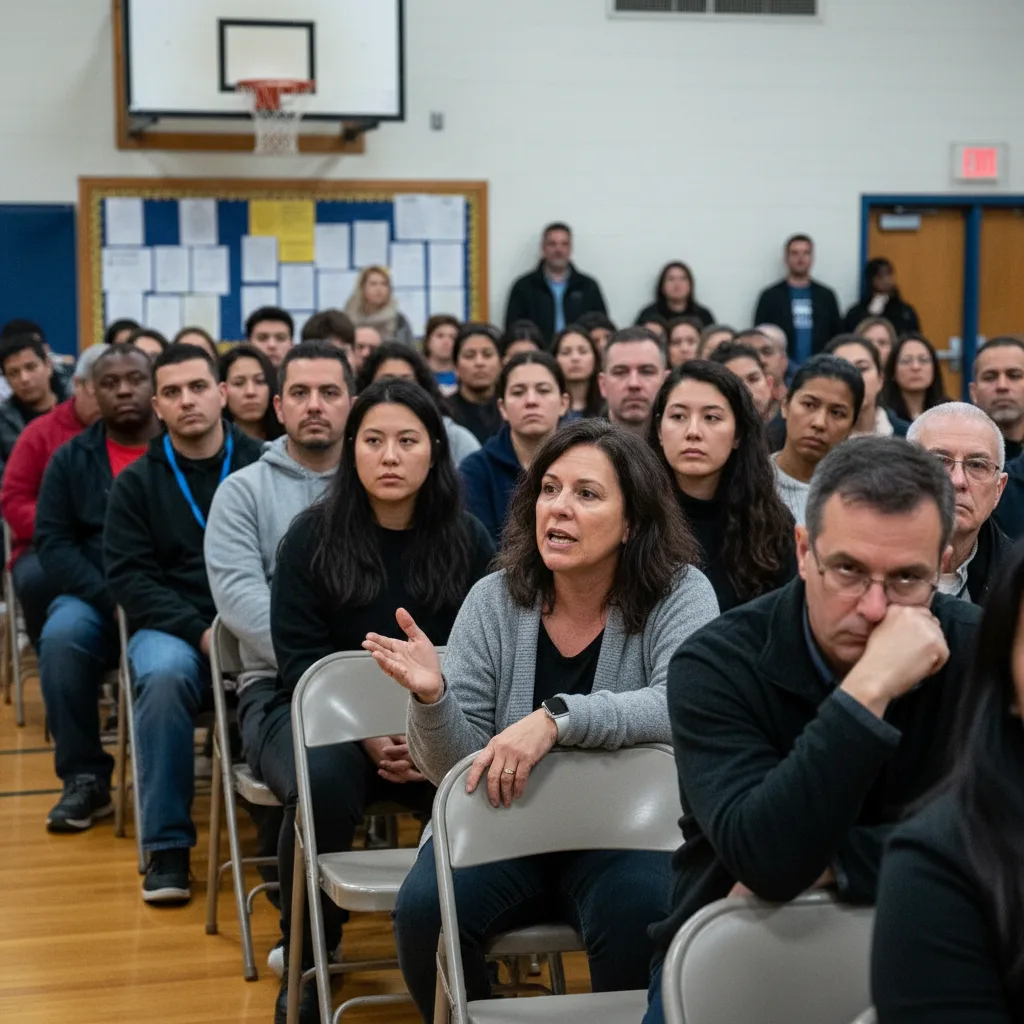
Howard Beach Residents Convene Meeting on Public Safety, Affordability
Howard Beach residents convened a civic meeting to address critical concerns about public safety and affordability. This impacts local candidate engagement and neighborhood priorities.
Your Guide to Enjoying All Things Go Festival in 2026
Plan your 2026 All Things Go Festival experience from Queens with our comprehensive guide, covering tickets, travel, and what to expect.