


Iran Conflict Escalates: Cross Bay Households Face Rising Costs

NEW YORK — Major new developments in the Trump–Iran conflict continue to dominate breaking world coverage, and here in Queens, the fast-moving international story is translating into tangible financial anxieties for households along Cross Bay Boulevard. Local drivers and small-business owners are closely watching fuel prices and supply costs, bracing for potential economic fallout from the escalating tensions. The intricate dance of war and diplomacy, unfolding thousands of miles away, is showing up in grocery bills and gas receipts right here at home.
The geopolitical flashpoint, characterized by swift policy shifts and intense speculation, fuels nonstop discussion across newsrooms and social media platforms. For the residents of Queens, however, the conversation often bypasses the political intricacies and lands squarely on household economics. Many residents articulated concerns that these overseas tensions invariably lead to higher bills and increased stress on immigrant families with ties to the region.
Global Headlines, Local Budget Cuts
The White House's fluctuating stance on military action and diplomatic engagement with Iran has kept global markets on edge. This instability directly impacts the price of oil, which then filters down to the local gas stations along Cross Bay Boulevard. A study by the Queens Chamber of Commerce indicated that a 10% increase in oil prices could translate to a 3-5% increase in operational costs for local businesses, particularly those in transportation and logistics. This directly impacts household budgets, adding to existing pressures.
“It’s frustrating because we have no control over what happens halfway across the world, but we pay for it here,” expressed Carlos Ramirez, a taxi driver living near the Cross Bay Veterans Memorial Bridge. He explained how every cent increase at the pump eats directly into his daily earnings, making it harder to provide for his family. This immediate correlation between global events and local expenses is a recurrent theme for working families across the borough.
Small Businesses Feel the Economic Strain
Small businesses lining Cross Bay Boulevard, from delis to hardware stores, are experiencing the economic ripple effect firsthand. Owners report increased costs for deliveries, utilities, and imported goods. These additional expenses are difficult to absorb, forcing business owners to consider raising prices, a decision that can alienate customers and impact sales.
Sarah Chen, owner of a local dry-cleaning business, noted how fabric suppliers are already warning about potential price increases for materials imported from overseas. “If our costs go up, we either absorb it or pass it to the customer, neither is a good option for us,” Chen stated. Such scenarios illustrate how deeply intertwined the local economy is with global stability, a reality that often surprises those who view international conflicts as distant events.
Impact on Immigrant Communities
The ongoing conflict and related geopolitical uncertainty also generate unique stresses for Queens’ diverse immigrant communities. Many residents, particularly those with ties to the Middle East, feel an added layer of anxiety. Beyond economic concerns, there are worries about family and friends abroad, and the general uncertainty surrounding immigration policies and international relations.
Community leaders in areas adjacent to Cross Bay Boulevard have reported an increase in requests for information and support services related to immigration and international affairs. “Families with relatives in affected regions face not only financial strain but emotional distress,” explained Dr. Lena Khan, director of the Queens Immigrant Support Center. “These global flashpoints bring a lot of uncertainty and fear right into our homes.” This particular nuance highlights the specific vulnerabilities of a diverse borough like Queens, making the global conflict a deeply personal issue for many. For comprehensive world coverage, see Global News.
Anticipating Future Economic Shifts
Economists are closely monitoring the situation, warning that prolonged instability could lead to further inflationary pressures. While the immediate focus is on energy costs, secondary effects could extend to food prices, manufacturing, and consumer goods. The Federal Reserve, according to recent statements, is tracking these global influences closely as they weigh on national economic policy.
For Cross Bay Boulevard, a commercial hub with a mix of national chains and independent local businesses, the ability to weather these economic shifts depends heavily on the duration and intensity of the international crisis. Residents and business owners alike are hoping for a swift and peaceful resolution, understanding that global stability directly contributes to local prosperity. This ongoing scenario serves as a stark reminder that even thousands of miles away, international events can leave a significant mark on the day-to-day lives of Queens residents.
Frequently Asked Questions About Iran Conflict's Local Economic Impact
How is the escalating Iran conflict affecting households on Cross Bay Boulevard? The escalating conflict is causing financial anxiety for households by impacting global oil prices, which directly leads to higher gas prices. Additionally, there are concerns about rising costs for goods due to potential disruptions in global supply chains. What specific costs are rising for residents and businesses? Drivers and small-business owners are primarily seeing increases in fuel prices. Businesses are also anticipating higher costs for deliveries, utilities, and imported materials, which may eventually translate to increased prices for consumers. Why do global events impact local Queens households? New York City's economy is highly integrated with global markets. Geopolitical tensions, especially in oil-producing regions like the Middle East, affect international commodity prices, which then ripple down to local consumer costs and business operating expenses. Are immigrant families particularly affected? Yes, immigrant families with ties to the Middle East often experience added stress, not only due to financial concerns but also anxieties about family and friends in affected regions and uncertainty regarding international relations. What is the outlook for local costs if the conflict continues? Economists warn that prolonged instability could lead to further inflationary pressures, extending beyond energy costs to other sectors like food and consumer goods, making everyday life more expensive for Queens residents.
Written by
Newstrix
Cross Bay Current
Related Articles
More in Local Economy & Business →Cross Bay Boulevard Residents Express Rent Hike Concerns 2026
Queens residents are experiencing significant rent hikes and housing scarcity along Cross Bay Boulevard, mirroring Spanish housing protests.
G7 Agrees to Release Emergency Oil Reserves Amid Surging Markets
The G7 agreed to release emergency oil reserves on October 3, 2026, to stabilize surging energy markets. This move signals concern over price volatility and international instability.
European Diesel Reserves Release Lowers Oil Prices 2026
European nations agreed to release diesel reserves in 2026, causing oil prices to fall; Cross Bay Boulevard residents anticipate relief on gas and heating costs.
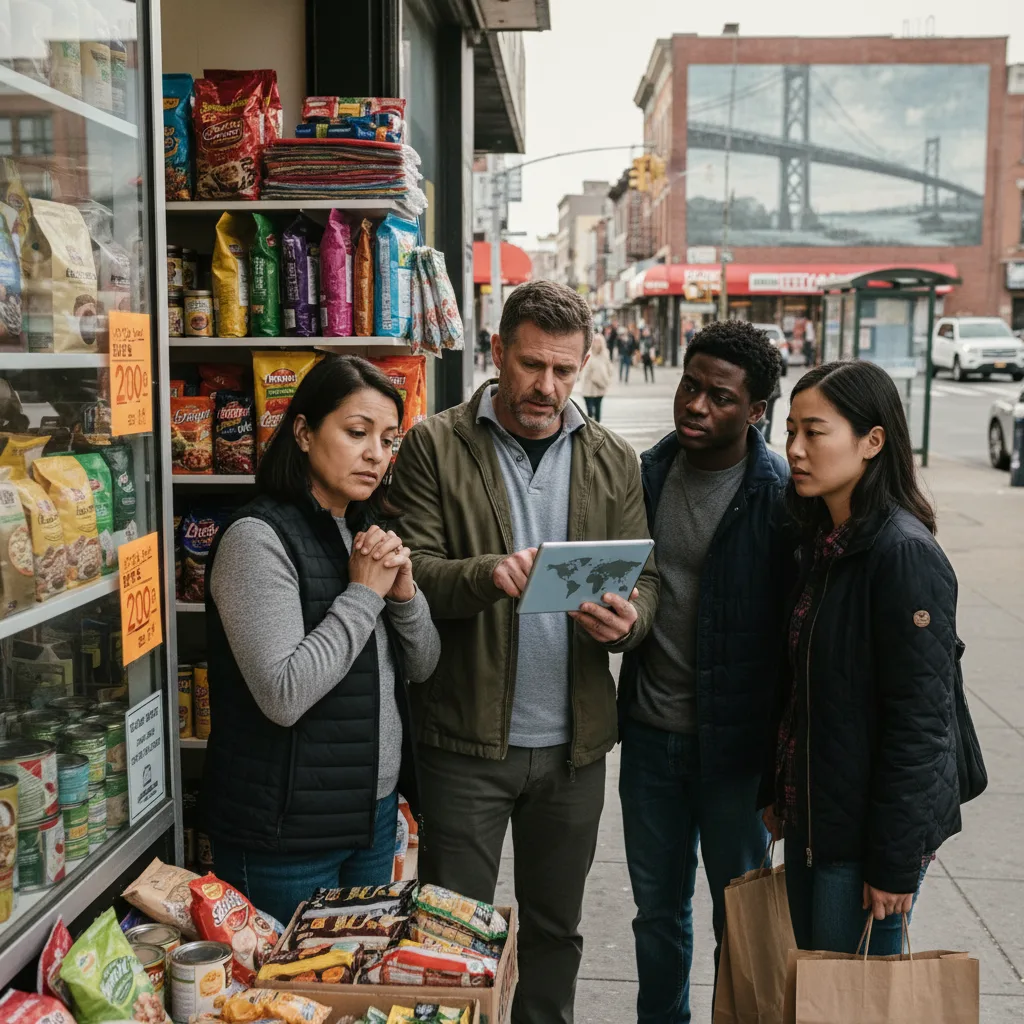
Cross Bay Boulevard Shops Eye Brazil, US Tariff Talks 2026
Cross Bay Boulevard residents worry about rising prices as Brazil and the U.S. agree to discuss tariffs. Shop owners monitor potential impacts on food and household goods.
Queens Residents Express Skepticism on White House AI Meeting Outcomes
Queens residents on Cross Bay Boulevard express skepticism about the White House AI meeting, questioning its impact on local jobs and small businesses.
Cross Bay Boulevard Families Face Airfare Hikes Amid Etna Eruption
Mount Etna erupted, disrupting Catania air travel and causing concern among Cross Bay Boulevard families over potential flight delays and higher airfares.