


Merchant Vessel Struck Near Iran, One Fatality Reported
Enjoying the coverage?
Queens and Rockaway news, plus the week's parking, transit and beach notes, in your inbox every Friday.
Sent every Friday. By subscribing, you agree to our Terms and Conditions and Privacy Policy.
NEW YORK — Iranian authorities confirmed Thursday that a merchant vessel was struck near the Strait of Hormuz, resulting in one fatality and three injuries. The incident, occurring near Iran’s Qeshm and Hengam islands, has drawn international attention due to heightened concerns about shipping disruptions and regional escalation, as reported by Euronews.
Merchant Vessel Hit Near Strategic Strait of Hormuz
The strike on the merchant vessel took place in a critical maritime zone, close to the narrow Strait of Hormuz, a choke point for a significant portion of the world's oil supply. Iranian officials have not yet released details regarding the nature of the strike or the party responsible. The incident immediately raised alarms across international shipping markets.
This area has historically been a flashpoint for geopolitical tensions, with previous incidents involving commercial shipping leading to global economic concerns. The immediate priority for Iranian authorities was the safety of the crew and assessing the damage to the vessel, according to official statements made public by Euronews.
The Cross Bay Current Friday Briefing
Queens and Rockaway news, plus the week's parking, transit and beach notes, in your inbox every Friday.
Sent every Friday. By subscribing, you agree to our Terms and Conditions and Privacy Policy.
Regional Volatility and Shipping Lanes
The Strait of Hormuz is one of the world's most vital shipping lanes, through which approximately one-fifth of global oil consumption passes. Any disruption in this area can trigger significant fluctuations in global oil prices and impact energy security. The incident underscores the fragility of stability in the Middle East's maritime corridors.
Regional security analysts are closely monitoring the situation for any signs of escalation. The presence of international naval forces in the Gulf region is common, aimed at ensuring freedom of navigation. Incidents like this often lead to increased patrols and vigilance from these forces.
Queens Residents Reflect on Global Shipping Impacts
While geographically distant, events in the Strait of Hormuz often resonate with Queens residents, particularly those in neighborhoods like Cross Bay Boulevard. Discussions at local bodegas and on sidewalks frequently touch upon global events that directly or indirectly influence daily life, such as gas prices and the broader economy. Residents remain sensitive to any news that could impact their cost of living.
The intricate web of global supply chains means that disruptions in key shipping arteries eventually affect local markets, from the price of consumer goods to fuel costs at local stations. The incident could reignite concerns about the broader stability of international trade routes, a topic that often arises in community discussions.
Calls for De-escalation and Investigation
International bodies and diplomatic channels are likely to call for restraint and a thorough investigation into the incident. The immediate focus will be on preventing any further escalation that could destabilize the region or impede global trade. Transparency and accountability will be key to managing the aftermath.
Maritime security experts stress the importance of clear communication and fact-finding to avoid speculation that could exacerbate tensions. The details surrounding who carried out the strike and their motivation will be crucial in determining the international response. This highlights the delicate balance of power in the region.
Historical Context of Hormuz Tensions
The region around the Strait of Hormuz has a history marked by maritime incidents, naval confrontations, and political maneuvering. Past events have included tanker attacks, vessel seizures, and a continuous backdrop of geopolitical rivalry. Each new incident adds to a complex narrative of regional instability, influencing global policy and market reactions.
The ongoing presence of various state actors and non-state groups complicates security efforts in these waters. Understanding this historical context is vital for interpreting the potential consequences of the latest strike. The interconnectedness of global events often brings discussions of such international affairs to local communities, as seen with NYC Mayor Mamdani condemning Houthi attacks and their broader implications for shipping.
Frequently Asked Questions
How does a merchant vessel strike near Iran affect Cross Bay Boulevard residents?
A strike on a merchant vessel near Iran, especially in the Strait of Hormuz, can indirectly affect Cross Bay Boulevard residents primarily through its impact on global oil prices. Any disruption in this vital shipping lane often leads to higher crude oil costs, which translates to increased gas prices at local pumps in Queens and potentially higher costs for imported goods due to increased shipping expenses.
What is the Strait of Hormuz and why is it so important for global trade?
The Strait of Hormuz is a narrow, strategically critical waterway connecting the Persian Gulf to the Arabian Sea and the open ocean. It is one of the world's most important chokepoints for oil transit, with a significant percentage of the world's seaborne oil passing through it daily. Its importance lies in its role as a key artery for global energy supplies and international trade.
What measures are typically taken to secure shipping in high-risk zones like the Strait of Hormuz?
To secure shipping in high-risk zones like the Strait of Hormuz, various measures are typically employed, including increased naval patrols by international coalitions, escorted convoys for commercial vessels, and enhanced intelligence sharing among maritime authorities. Shipping companies also implement their own security protocols, such as hiring private security personnel or rerouting vessels when feasible, to mitigate risks.
The Cross Bay Current Friday Briefing
Queens and Rockaway news, plus the week's parking, transit and beach notes, in your inbox every Friday.
Sent every Friday. By subscribing, you agree to our Terms and Conditions and Privacy Policy.
Related Articles
More in National & World →
Ariola Testifies Ulrich Warned Her About Alleged Briber Livreri
Councilwoman Joann Ariola testified November 24, 2026, that former Queens official Eric Ulrich urged her to hire an alleged briber, then warned she was lied to.
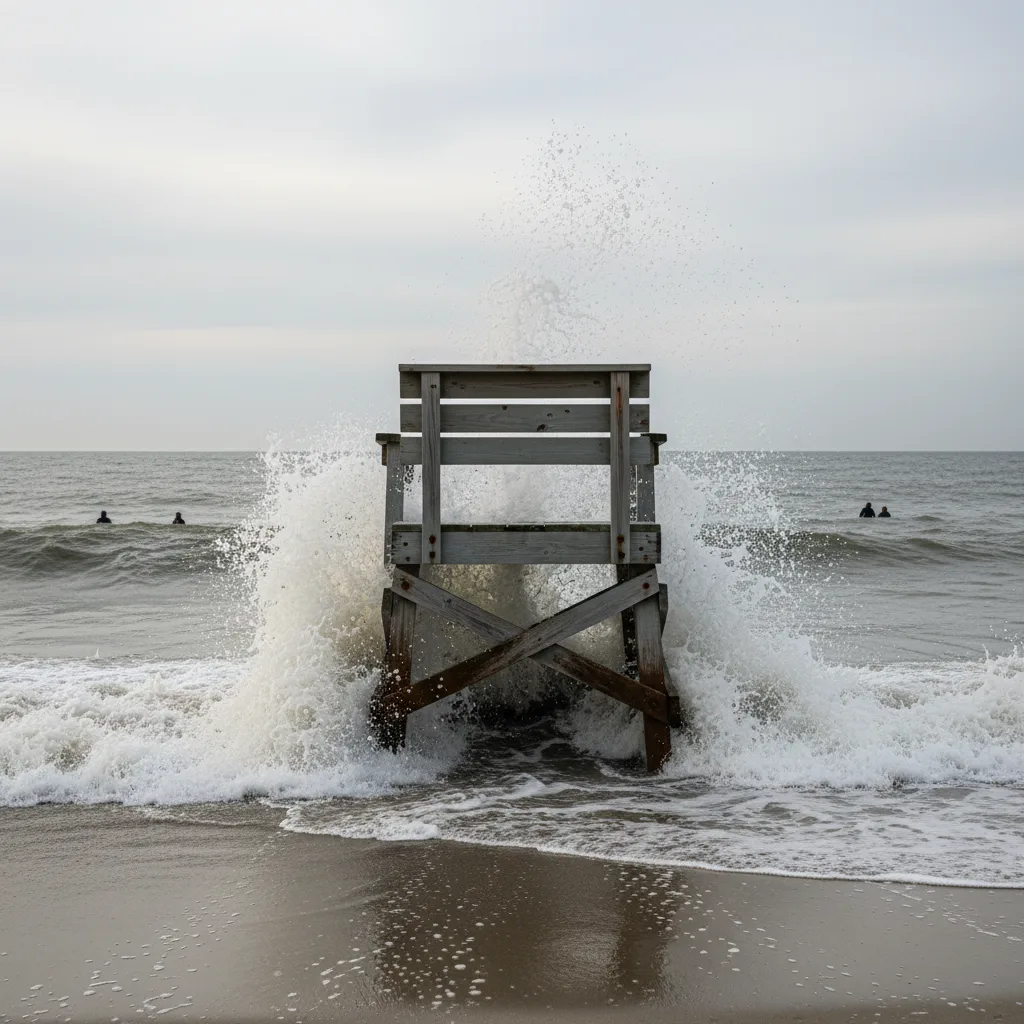
Rockaway Beach Shoreline Battered by Intense Waves Amid Waterspouts
Rockaway Beach experienced intense waves battering its shoreline on November 23, 2026, as waterspouts were spotted over the San Francisco Bay amid severe weather.
Queens Officials Seek Rezoning for 10-Story Rockaway Beach Rental
Queens officials are seeking rezoning approval for a 10-story, 70-apartment rental building at 2-28 Beach 87th Street in Rockaway Beach, according to a November 23, 2026 report.

Ozone Park Fire District Faces New Sexual Assault Allegations
New sexual assault allegations, along with claims of abuse, discrimination, and a hostile workplace, are rocking a Long Island fire district as of November 23, 2026.
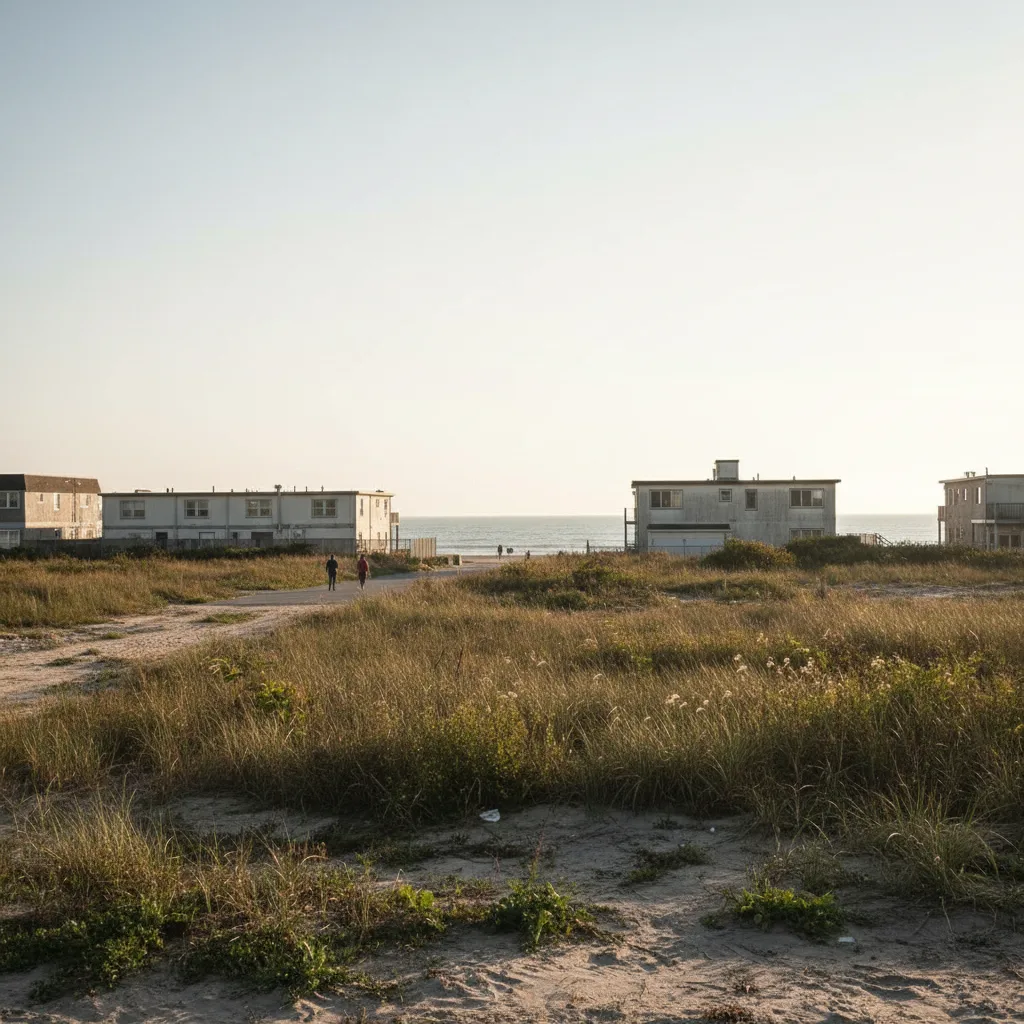
Rockaway Beach 10-Story Apartment Rental Seeks Rezoning Approval
A developer is seeking rezoning approval for a 10-story, 70-apartment rental building with 18 affordable units at 2-28 Beach 87th Street in Rockaway Beach.
National Weather Service Forecasts Rain and 55°F Low for Howard Beach
The National Weather Service forecasts a low of 55°F tonight for Howard Beach, with a 30 percent chance of rain mainly before 10 p.m.