


Iran Strait Closure Spurs Local Queens Gas Price Concerns

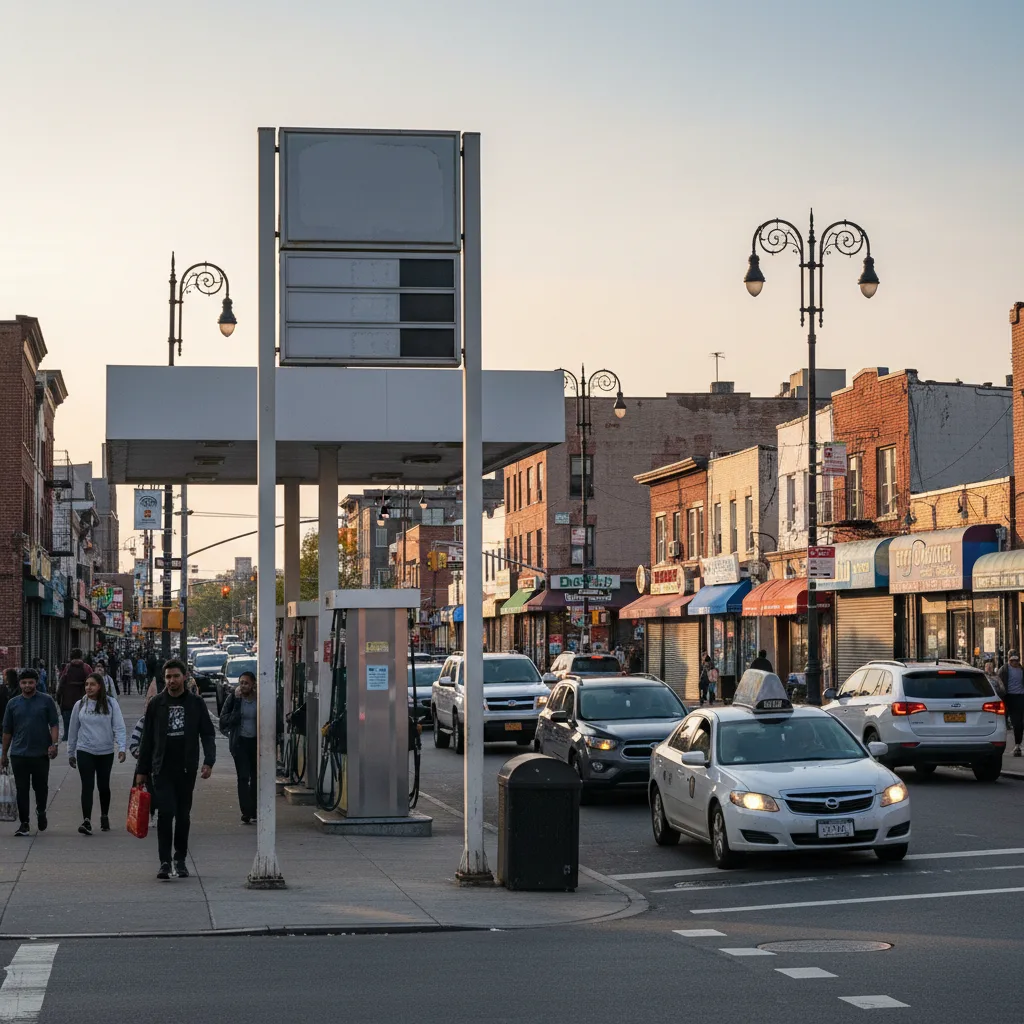
NEW YORK — The sudden closure of the Strait of Hormuz by Iran has sent ripples through global energy markets, and those ripples are now being felt directly in Queens. Cross Bay Boulevard residents and commuters are closely monitoring gas prices at local pumps, expressing mounting concern about potential fuel cost increases and broader economic impacts.
Oil prices plunged approximately nine percent on Friday as markets reacted to the geopolitical crisis, yet many fear that local prices at the pump will only climb. This incident marks a significant escalation in regional tensions, threatening one of the world's most critical oil shipping routes.
Local Businesses Grapple with Potential Supply Chain Delays
Community members working in logistics and transportation sectors are actively discussing how the Strait closure could affect shipping times and costs for goods flowing through local ports. The Port Newark-Elizabeth Marine Terminal, a major hub for goods entering the New York metropolitan area, relies heavily on stable international shipping.
“Any disruption in global shipping lanes, especially one as vital as the Strait of Hormuz, inevitably impacts our operations here,” commented Robert Messina, owner of a freight forwarding company based in Ozone Park. “We’re already fielding calls from clients worried about delays and surcharges. It’s a cascading effect that starts thousands of miles away but ends up affecting everything from consumer goods to construction materials right here.”
Conversations in neighborhood shops and diners along Cross Bay Boulevard have increasingly turned to concerns about whether energy bills will spike in the coming weeks. Many small businesses, already operating on thin margins, are particularly vulnerable to sudden increases in operational costs.
Geopolitical Shifts and Queens' Economic Sensitivity
Queens, with its diverse population and strong ties to international trade and logistics, is particularly sensitive to global geopolitical events. The Strait of Hormuz, through which roughly one-fifth of the world’s total oil consumption passes, is a choke point whose closure reverberates globally.
Dr. Anya Sharma, an economist specializing in global trade at Baruch College, explained the local implications. “While the immediate drop in oil prices reflects market shock, the longer-term concern for consumers is supply constraint. If sustained, this closure could lead to higher crude oil prices, which directly translates to increased gas prices at stations like those on Cross Bay Boulevard. Every penny counts for working families in Queens.”
Data from local gas stations along Cross Bay Boulevard shows prices hovering around $4.10 per gallon for regular unleaded, but station owners anticipate rapid adjustments if global crude prices stabilize at a higher baseline. Many remember the sharp increases seen during previous geopolitical disturbances.
Community Responses and Calls for Stability
Local political discussions have emerged about strategies to mitigate the impact on Queens residents. Council Member Frank Garcia, whose district includes parts of Cross Bay Boulevard, indicated plans to engage with city and state officials regarding emergency energy assistance programs.
“Our residents shouldn’t bear the brunt of international crises,” Garcia stated in a community meeting in Howard Beach. “We need to ensure that local families and businesses are protected from extreme price volatility.” He also highlighted the importance of advocating for stable foreign policy that safeguards global trade routes, as reported by Global News.
The situation remains fluid, with international diplomatic efforts underway to de-escalate tensions. However, for Queens residents, the immediate concern remains the tangible impact on their wallets and daily commutes. Local media outlets, including Cross Bay News, continue to provide updates on how these global developments translate into local economic realities.
Frequently Asked Questions About the Strait of Hormuz Closure's Local Impact
The recent closure of the Strait of Hormuz has raised significant concerns among Queens residents, particularly regarding gas prices and supply chain disruptions. This global event, while geographically distant, directly impacts local economies due to its effect on international oil markets. Residents along Cross Bay Boulevard are monitoring gas prices closely, with fears of imminent price hikes at local pumps. Businesses involved in logistics and transportation in Queens anticipate potential delays and increased costs for importing and exporting goods. Discussions in local shops and homes also center on the possibility of higher energy bills. Economists suggest that sustained closure could lead to significant long-term price increases. Local officials are exploring ways to support residents and businesses through potential financial strains, underscoring the interconnectedness of global geopolitics and local economic stability.
Written by
Newstrix
Cross Bay Current
Related Articles
More in Local Economy & Business →
Cross Bay Boulevard Welcomes New Business with Grand Opening
A new business officially opened at 156-36 Cross Bay Boulevard with a ribbon-cutting ceremony on Friday, September 18, 2026, signaling local growth.
Iran's Foreign Minister Travels to China Amid West Asia Tensions
Iran's foreign minister travels to China amid West Asia tensions. Cross Bay Boulevard residents worry about oil prices, shipping, and local family budgets.
Queens Residents Brace for Trade Shocks as WTO Warns of Risks
The WTO warns of major global trade risks. Queens residents on Cross Bay Boulevard worry about rising prices for groceries and imports, preparing for supply delays.

Saudi Arabia Forms Maritime Coalition, Cross Bay Boulevard Reacts
Saudi Arabia launched a maritime coalition to protect shipping lanes. Cross Bay Boulevard residents fear higher prices and trade disruption if global tensions escalate.

Irish Whiskey Tariff Removal: Queens Businesses Eye Trade Impact 2026
Donald Trump announced plans to scrap the 10% tariff on Irish whiskey, a move that could impact Queens businesses along Cross Bay Boulevard and influence consumer prices.

Queens Residents Discuss Trump's Stance on Chinese Car Manufacturing
Cross Bay Boulevard residents discuss Trump’s stance on Chinese car manufacturing in the US, debating impacts on local jobs and vehicle prices.