


Iraqi Officials Announce US-Led Coalition Mission Concluded 2026
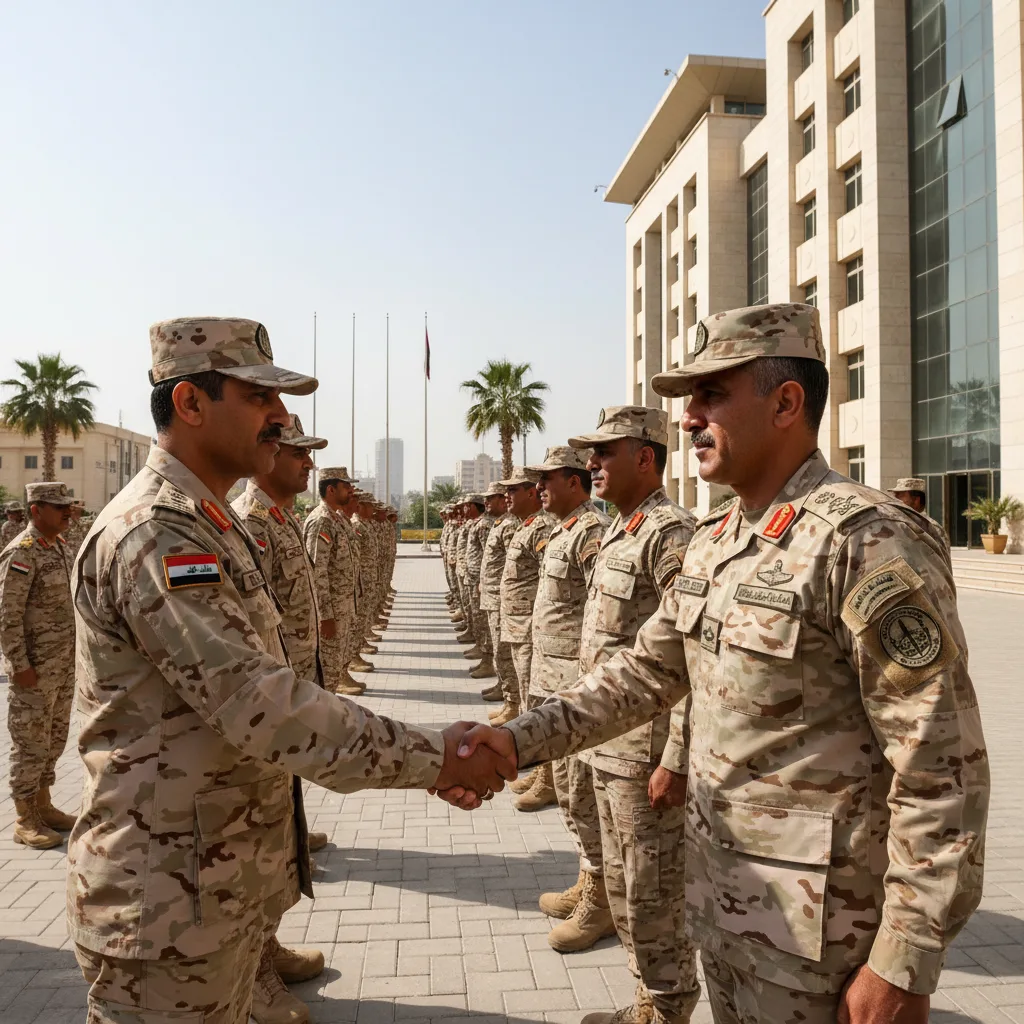
NEW YORK — Iraqi officials announced this week that the U.S.-led international coalition’s mission to combat ISIS in Iraq has formally concluded, marking a significant strategic shift. This development ends a long-running security partnership and redraws the geopolitical landscape of the Middle East.
End of Anti-ISIS Combat Role Confirmed
The formal conclusion of the coalition's combat role signifies a new phase in Iraq's security strategy, transitioning from direct combat operations to an advisory and assistance capacity. The announcement came from senior Iraqi government sources, as reported by English.news.cn.
This marks the end of a mission that began over a decade ago, focused on degrading and ultimately defeating the Islamic State group. The coalition will now primarily support Iraqi forces through training and intelligence sharing.
Reshaping Regional Security Dynamics
The withdrawal of combat troops could have far-reaching implications for regional stability. Analysts are closely watching how this change will affect the balance of power and the ongoing fight against extremist groups in the Middle East.
The U.S.-led coalition's presence has been a cornerstone of regional security, and its reconfiguration necessitates new strategies for Iraq and its allies. The move aligns with Iraq's long-term goal of asserting full sovereignty over its security.
Impact on US Troop Presence and Strategy
While the combat mission has concluded, a contingent of U.S. troops is expected to remain in Iraq in a non-combat role, focusing on training and advising Iraqi security forces. This reflects a strategic pivot towards capacity building.
This shift allows the U.S. to maintain influence and provide support without direct engagement in combat operations. The focus will be on strengthening Iraq's ability to counter resurgent threats independently.
Global Reactions and Political Landscape
The international community is processing the implications of this announcement, with various nations reassessing their diplomatic and security postures in the region. The move could reshape international alliances and counter-terrorism efforts.
Within Iraq, the decision is viewed as a victory for national sovereignty, although some factions express concerns about potential security vacuums. The complex Queens immigration policy changes are a related discussion point locally, often touching on issues of international stability.
Future of Anti-Terrorism Efforts in Iraq
Iraq will now assume greater responsibility for its internal and external security, leveraging the training and equipment provided by the coalition. The success of this transition will depend on continued international cooperation and political stability within Iraq.
The enduring threat of ISIS, despite its significant degradation, means that vigilance and robust security measures will remain paramount. The coalition's legacy will be defined by Iraq's ability to maintain peace and prevent the resurgence of extremism, as outlined by English.news.cn.
Frequently Asked Questions
What does the conclusion of the US-led coalition's mission mean for Iraq?
The conclusion of the US-led coalition's combat mission in Iraq signifies a transition from direct combat operations to an advisory and assistance role, with Iraqi forces taking primary responsibility for their own security.
Will all US troops leave Iraq after the mission concludes?
No, a contingent of U.S. troops is expected to remain in Iraq in a non-combat role, focusing on training and advising Iraqi security forces rather than direct combat engagement.
How might this affect regional stability in the Middle East?
This strategic shift could significantly reshape regional security dynamics, with analysts closely monitoring its effects on the balance of power and ongoing counter-terrorism efforts against extremist groups in the Middle East.
Written by
Newstrix
Cross Bay Current
Related Articles
More in Government & Politics →
US Officials See Chinese Invasion of Taiwan Unlikely Before 2028
US officials now believe a Chinese invasion of Taiwan is unlikely before 2028, a shift in assessment. This impacts global stability and trade, easing immediate concerns.

Defense Secretary Unveils New Autonomous Warfare Command 2026
Pentagon unveils new Autonomous Warfare Command in 2026, boosting AI in defense. Cross Bay Boulevard residents discuss job impacts and safety, debating AI's role.

Queens Residents Express Concerns Over US Immigration Policy Changes
Queens residents face potential impacts from a Supreme Court ruling allowing the Trump administration to resume third-country deportations.

Global News Fuels Ukraine War Anxiety Along Cross Bay Boulevard
Global news of Ukraine war escalation, with Putin's army expansion and North Korean troop deployments, heightens anxiety for Cross Bay Boulevard residents.

Trump Administration Denies Iran Sanctions Relief Report, Igniting Local Debate
Trump administration denies Iran sanctions relief report, sparking local debate in Queens over gas prices and Middle East stability. Residents fear economic impacts.

Cross Bay Boulevard Locals React to Rising Ukraine War Anxiety
NATO jets scrambled in Poland and Romania after Ukraine war escalation, raising anxiety among Cross Bay Boulevard residents over fuel prices and global security.