


Jamaica Bay Wildlife Refuge Reports 15% Increase in Annual Bird Sightings for 2026

NEW YORK — The Jamaica Bay Wildlife Refuge announced a significant 15% increase in annual bird sightings for 2026 compared to the previous year, with several rare species making appearances. This positive trend underscores the ongoing success of conservation efforts in the area, according to a report released Wednesday by the National Park Service, which manages the refuge.
Remarkable Growth in Avian Population
The 15% increase translates to thousands more individual birds recorded across various species, including migratory shorebirds, waterfowl, and raptors. Conservationists attribute this growth to improved habitat management, reduced pollution levels in Jamaica Bay, and successful breeding seasons for several key species. The refuge's proactive measures have created a more welcoming environment for both resident and transient avian populations.
"This year's numbers are truly encouraging and a testament to the hard work of our staff and volunteers," stated Dr. Lena Harding, lead ornithologist at the Jamaica Bay Wildlife Refuge, in a press briefing. She added that the refuge remains a critical stopover point for birds along the Atlantic Flyway, and these figures highlight its ecological importance.
Cross Bay Boulevard's Connection to Environmental Health
Cross Bay Boulevard, running adjacent to sections of Jamaica Bay, plays a direct role in the environmental health of the refuge. Vehicle emissions and stormwater runoff from the busy thoroughfare can impact water quality and air quality within the delicate ecosystem. Efforts to mitigate these impacts, such as improved drainage systems and green infrastructure along the boulevard, are crucial for sustaining the refuge's biodiversity.
Local environmental groups and community boards frequently monitor the intersection of urban development and natural preservation in this area. The increased bird sightings serve as a positive indicator, suggesting that these protective measures are yielding tangible benefits, as highlighted in previous discussions regarding Jamaica Bay conservation.
Community Engagement and Volunteer Efforts
Much of the success can be attributed to robust community engagement and volunteer programs. Thousands of hours were dedicated by local residents, including many from communities along Cross Bay Boulevard, to habitat restoration, invasive species removal, and citizen science initiatives. These efforts provide essential support that complements the work of professional park rangers.
The refuge hosts regular birdwatching tours and educational programs, which have seen a surge in participation in 2026. These programs not only raise public awareness about the ecological value of Jamaica Bay but also inspire direct action and stewardship among Queens residents, fostering a deeper connection to their natural surroundings.
Rare Sightings and Species Diversity
Among the notable observations this year were confirmed sightings of a rare curlew sandpiper, a species seldom seen on the East Coast, and an unusual increase in nesting pairs of peregrine falcons. The diversity of species recorded underscores the improving health of the refuge as a whole. Such rare occurrences attract birdwatchers from across the region, boosting local tourism.
These findings contribute valuable data to national bird monitoring programs and conservation strategies. Researchers at Cornell Lab of Ornithology have praised the detailed reporting from Jamaica Bay, calling it a model for urban wildlife refuge management and long-term ecological study.
Future Conservation Initiatives
Building on this success, the Jamaica Bay Wildlife Refuge plans to launch several new conservation initiatives in late 2026, focusing on expanding marshland restoration projects and introducing more native plant species. These efforts aim to further enhance the refuge's resilience against climate change and continue to provide optimal habitats for its diverse bird populations.
Funding for these initiatives will come from a combination of federal grants and private donations, with several local foundations along Cross Bay Boulevard already pledging support. The long-term vision is to establish Jamaica Bay as a premier urban wildlife sanctuary, ensuring its ecological integrity for generations to come.
Frequently Asked Questions
How do human activities along Cross Bay Boulevard affect the Jamaica Bay Wildlife Refuge? Human activities along Cross Bay Boulevard can significantly affect the Jamaica Bay Wildlife Refuge through factors like vehicle emissions impacting air quality and stormwater runoff carrying pollutants into the bay. Noise pollution from traffic can also disturb nesting birds. However, ongoing efforts to install green infrastructure and manage waste in the Cross Bay Boulevard area aim to mitigate these negative impacts and support the refuge's environmental health.
What are the most effective ways for local residents to support conservation efforts at Jamaica Bay? Local residents can effectively support conservation efforts at Jamaica Bay by volunteering for habitat restoration projects, participating in citizen science bird counts, and adhering to refuge guidelines regarding waste disposal and respectful visitation. Donations to local environmental groups and the National Park Service also provide crucial funding for ongoing programs. Educating others about the importance of the Jamaica Bay ecosystem and advocating for environmentally conscious policies are also vital contributions.
Written by
Newstrix
Cross Bay Current
Related Articles
More in Environment →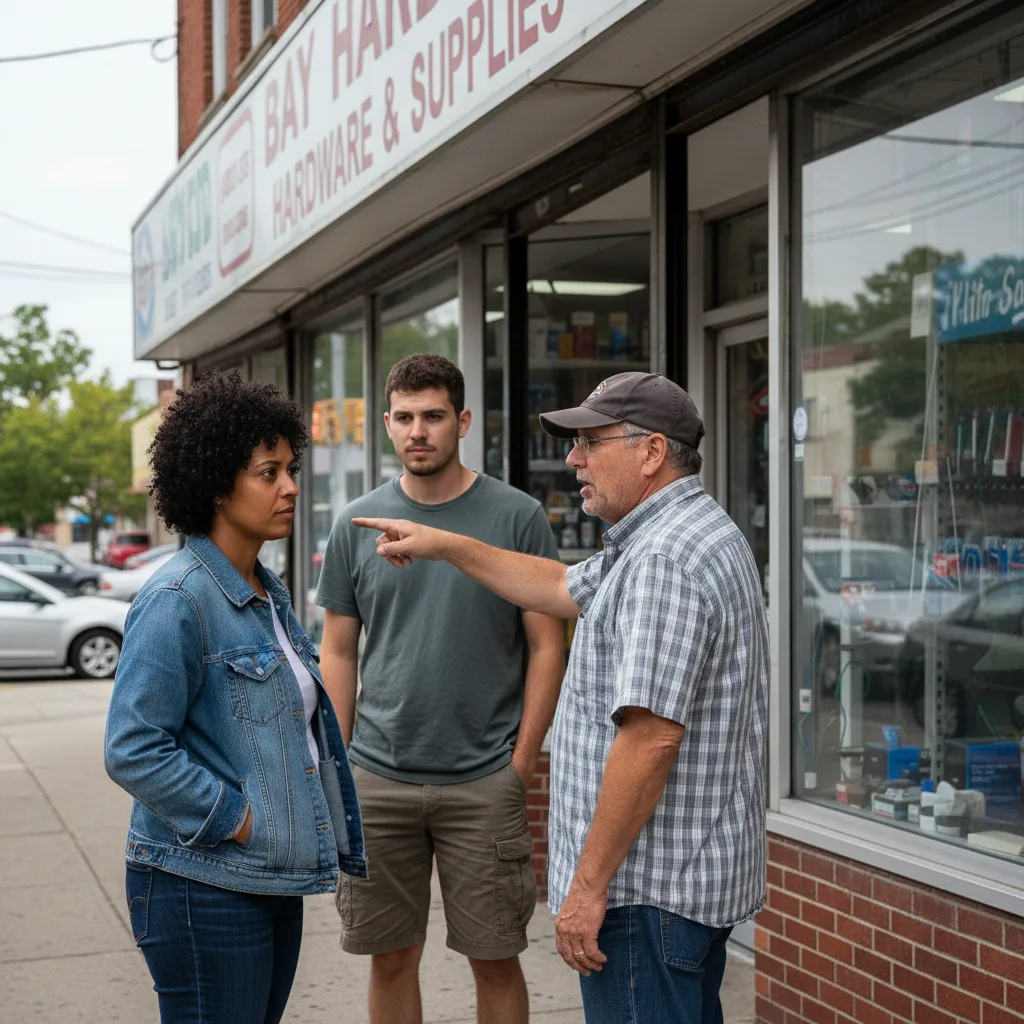
Queens Residents Discuss Nepal-China Flood Devastation
Queens residents on Cross Bay Boulevard discuss Nepal-China floods, drawing parallels to local concerns over flood-prone areas and storm preparedness.
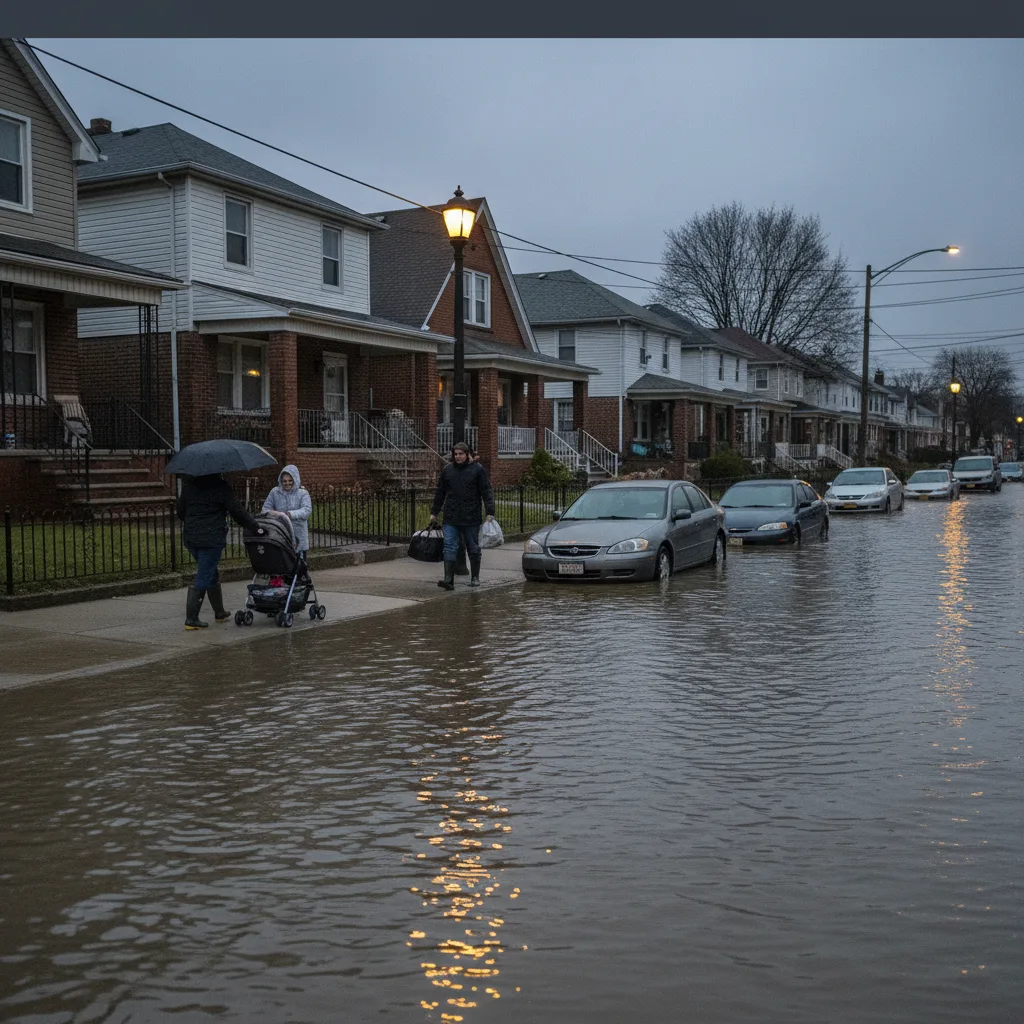
Howard Beach Tackles Rising Tides, Coastal Flooding Concerns 2026
Howard Beach is battling rising tides and coastal flooding this week, as full and new moons combine with rain to inundate neighborhoods like Old Howard Beach, Queens. The community mobilizes against the ongoing water challenges.
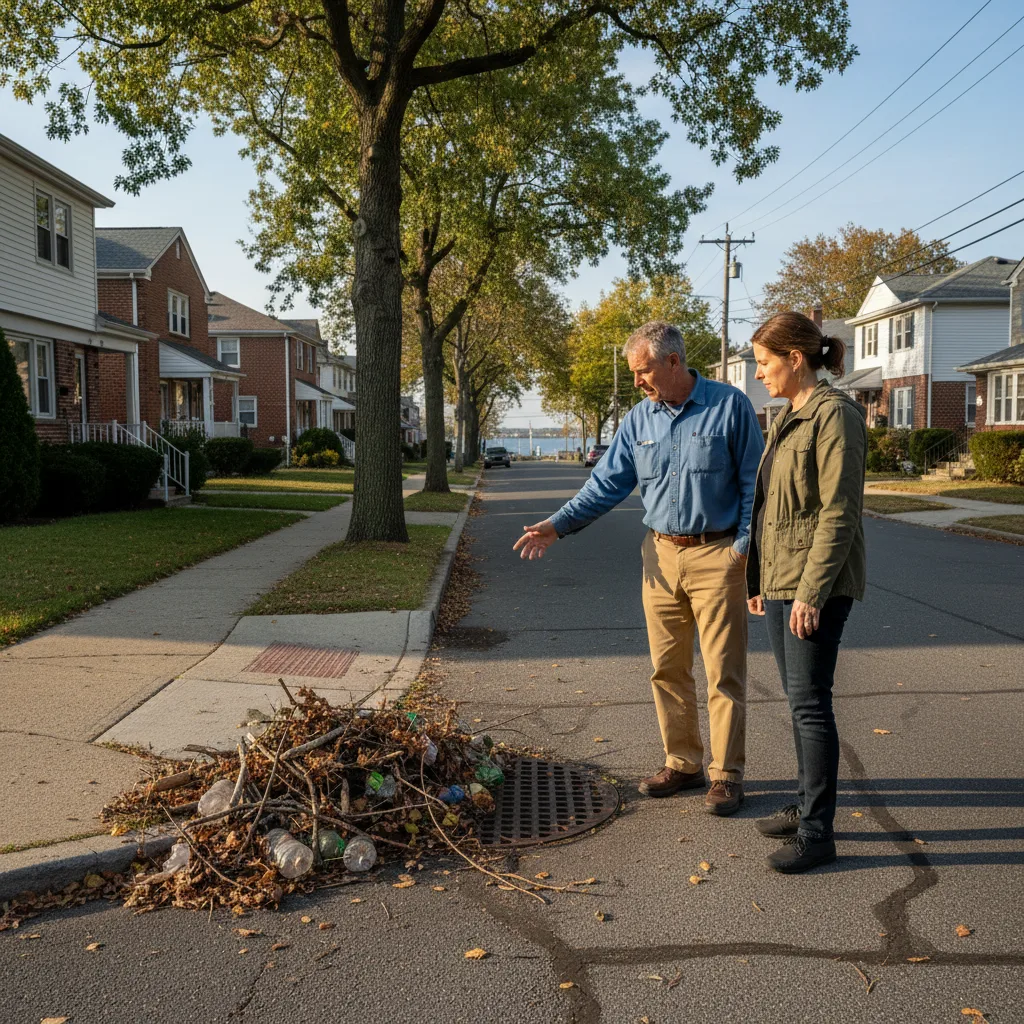
Cross Bay Boulevard Residents Discuss Global Flood Preparedness
Cross Bay Boulevard residents are discussing the Nepal-China floods, prompting local concerns about flood preparedness and NYC's infrastructure in coastal areas.
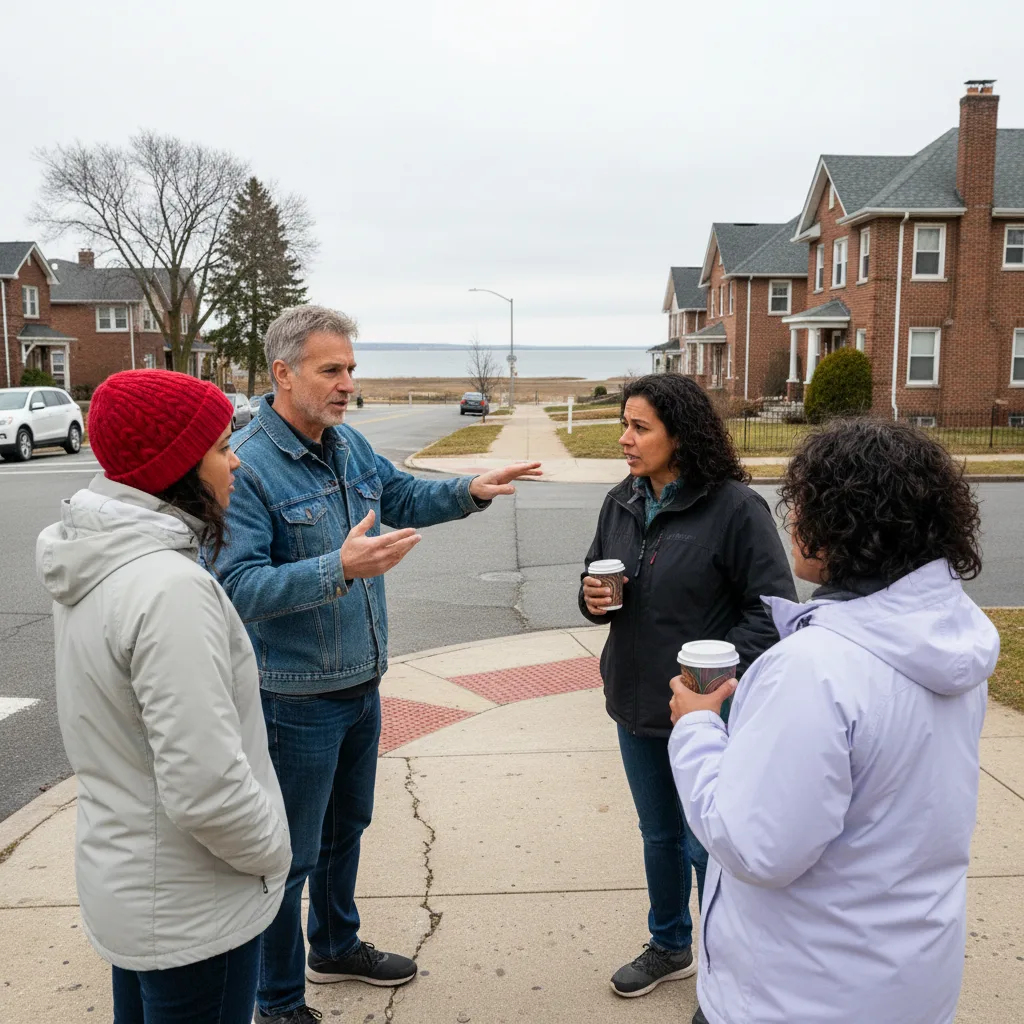
Cross Bay Boulevard Families Concerned Over Nepal Flood Casualties
Queens residents along Cross Bay Boulevard are deeply concerned about the Nepal-China flood disaster, prompting local discussions on emergency preparedness and infrastructure.
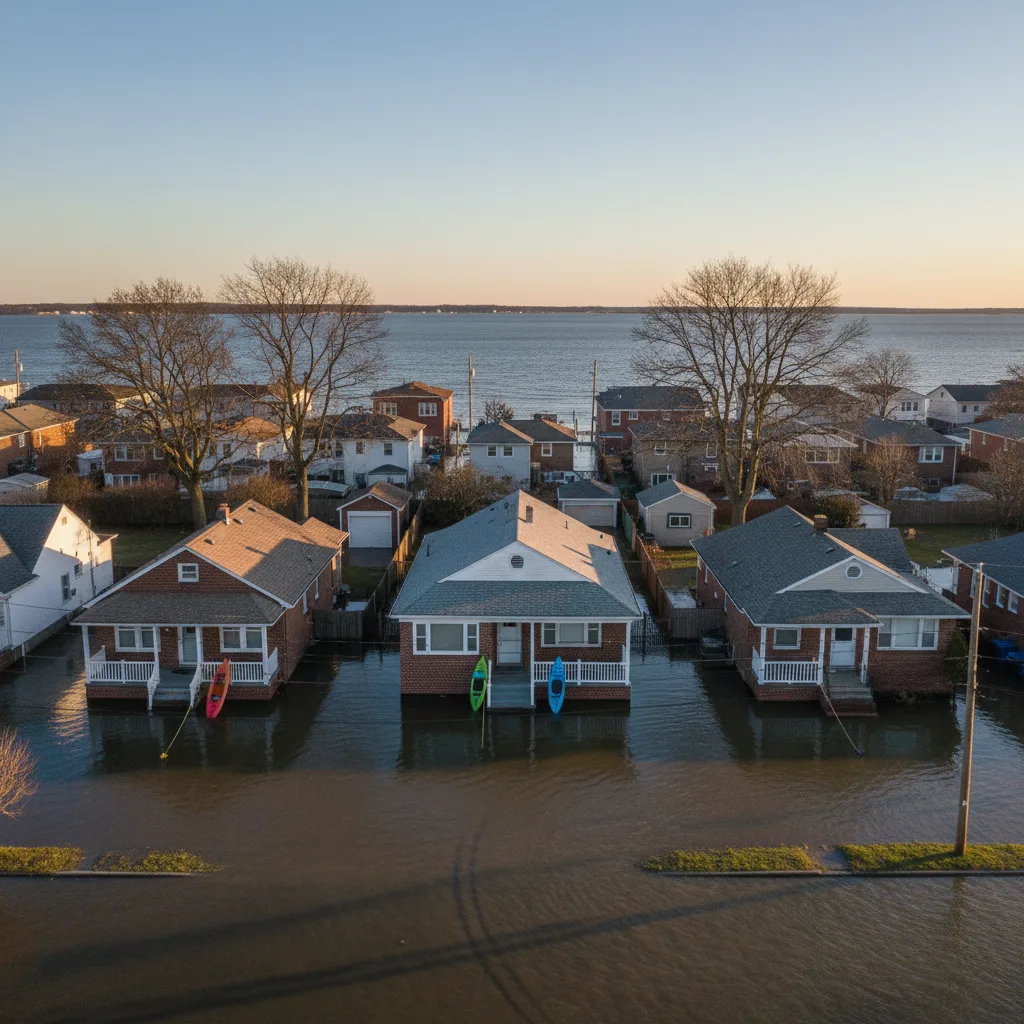
Queens Neighborhoods Targeted for Voluntary Flood Buyout Programs
Vulnerable Queens neighborhoods, including those along Cross Bay Boulevard, may be targeted for voluntary flood buyout programs by the city. This addresses rising extreme weather concerns.
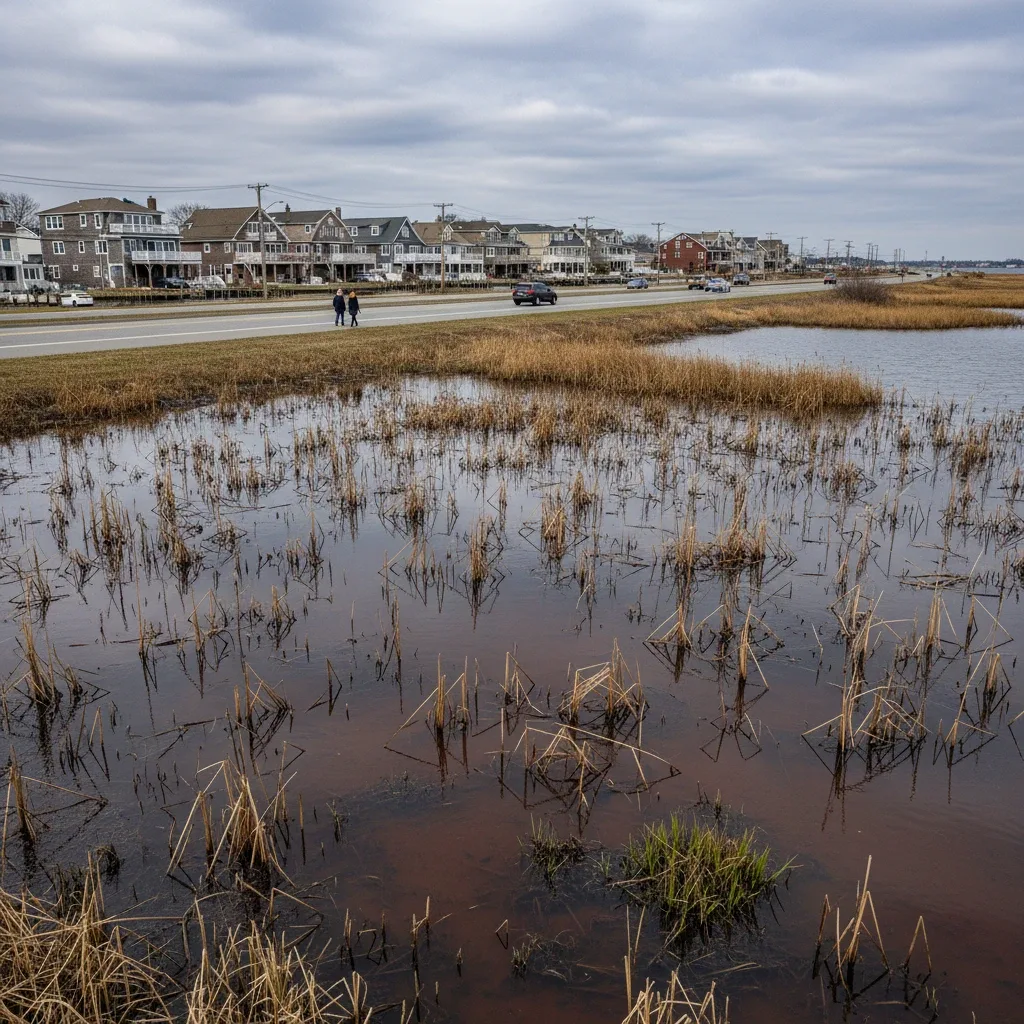
Environmental Concerns Emerge Near Cross Bay Boulevard, Queens 2026
A report by New York Focus and Queens Daily Eagle uncovered pressing environmental concerns near Cross Bay Boulevard, affecting residents and ecosystems in Queens.