


Jamaica Bay Ecosystem Protection: Queens Activists Prioritize Horseshoe Crabs

NEW YORK — “Protecting the horseshoe crab isn’t just about one species; it’s about safeguarding the health of Jamaica Bay itself, an ecosystem that connects us directly to ancient marine life,” stated Dr. Evelyn Reed, a marine biologist and co-founder of the Jamaica Bay Environmental Alliance. Her comments underscore a growing movement among Queens activists to prioritize the protection of these living fossils. This renewed focus comes as environmental groups highlight the unique ecological significance of the creatures.
Jamaica Bay, an urban oasis bordered by communities like Broad Channel and Howard Beach along Cross Bay Boulevard, is a critical spawning ground for horseshoe crabs. These ancient arthropods play a vital role in the bay’s biodiversity and also serve as a crucial food source for migratory birds. Their declining numbers have become a significant concern for conservationists working in the region.
The Ancient Legacy of Horseshoe Crabs
Horseshoe crabs have existed for over 450 million years, predating dinosaurs and surviving multiple mass extinction events. Their blue, copper-based blood is essential in biomedical research for testing the sterility of medical equipment and vaccines, making their conservation even more pressing. The species represents a profound link to Earth’s deep past, inspiring awe and scientific inquiry.
The Queens Daily Eagle, a local publication, recently featured a fictional narrative that, while imaginative, inadvertently highlighted the species’ ancient lineage and resilience. This artistic interpretation resonated with local environmentalists who are working to inform the public about the very real threats faced by horseshoe crabs today. Their survival depends on public awareness and robust conservation efforts.
According to the New York State Department of Environmental Conservation (DEC), horseshoe crab populations in Jamaica Bay have seen a decline of approximately 30% over the last two decades. This drop is primarily attributed to habitat loss, pollution, and overharvesting for bait and biomedical purposes. These statistics underscore the urgency of current conservation campaigns.
Local Efforts for Conservation
Several local organizations, including the American Littoral Society and Gateway National Recreation Area, are collaborating on initiatives to protect horseshoe crabs. These efforts include beach cleanups along the Jamaica Bay shoreline accessible from Cross Bay Boulevard, public education campaigns, and tagging programs to monitor populations. Volunteers often gather near the West Pond trail, adjacent to the refuge.
“Every spring, when the horseshoe crabs come ashore to spawn, it’s a miracle to witness,” remarked John Miller, a long-time Broad Channel resident and volunteer with the American Littoral Society. “We teach people not to disturb them and how important they are. It’s hands-on conservation.” Miller regularly organizes educational walks for community members, emphasizing responsible interaction with local wildlife.
Education is a cornerstone of these efforts, with workshops held at the Jamaica Bay Wildlife Refuge Visitor Center, just off Cross Bay Boulevard. These sessions teach residents about the horseshoe crab life cycle and their ecological importance. They also cover sustainable fishing practices and the impact of plastic pollution on marine environments. Local schools, like those in Howard Beach, are integrating these topics into their science curricula.
Habitat Restoration and Future Challenges
Habitat restoration projects are also underway to enhance spawning grounds in Jamaica Bay. These initiatives involve planting native vegetation to stabilize shorelines and removing invasive species that outcompete crucial flora. The Gateway National Recreation Area plays a pivotal role in managing these restoration sites. Preserving the delicate balance of the ecosystem is a long-term commitment.
Funding for these projects often comes from a combination of federal grants, state environmental programs, and local philanthropic contributions. However, securing consistent funding remains a challenge, as highlighted by Dr. Reed. “We need sustained investment to reverse these declines,” she emphasized. The long-term health of the bay is tied to the success of these programs.
The fight for horseshoe crab protection is part of a larger battle for environmental preservation in Queens. As climate change continues to impact coastal ecosystems, the resilience of species like the horseshoe crab becomes even more precarious. Protecting these ancient creatures provides valuable insights into ecological endurance and adaptation.
For residents interested in marine life and conservation, NASA's Artemis II mission offers a glimpse into another realm of scientific exploration, connecting the local with the global.
Frequently Asked Questions About Horseshoe Crab Conservation
Why are horseshoe crabs important to Jamaica Bay?
Horseshoe crabs are vital to the Jamaica Bay ecosystem because they serve as a crucial food source for migratory birds, particularly shorebirds, and contribute significantly to the bay’s biodiversity. Their presence indicates a healthy estuarine environment.
What are the main threats to horseshoe crab populations in Jamaica Bay?
According to the New York State Department of Environmental Conservation (DEC), the primary threats include habitat loss due to coastal development, pollution from urban runoff, and overharvesting for use as bait in fisheries and for their blood in biomedical research. These factors have led to a 30% decline over two decades.
What is being done locally to protect them?
Local organizations like the Jamaica Bay Environmental Alliance, American Littoral Society, and Gateway National Recreation Area are implementing protection efforts. These include beach cleanups along the Jamaica Bay shoreline, public education programs at the Jamaica Bay Wildlife Refuge, and tagging initiatives to monitor populations.
How can local residents get involved in conservation efforts?
Residents can volunteer for beach cleanups, attend educational workshops at the Jamaica Bay Wildlife Refuge Visitor Center, and participate in citizen science programs like horseshoe crab tagging. Community members are encouraged to report sightings and avoid disturbing spawning crabs.
Why is their ancient history relevant to conservation today?
Horseshoe crabs have existed for over 450 million years, making them living fossils. Their long survival through geological eras highlights their resilience, but also underscores that even ancient species are vulnerable to modern human impacts. Studying them provides insights into evolutionary biology and ecosystem health.
Written by
Newstrix
Cross Bay Current
Related Articles
More in Environment →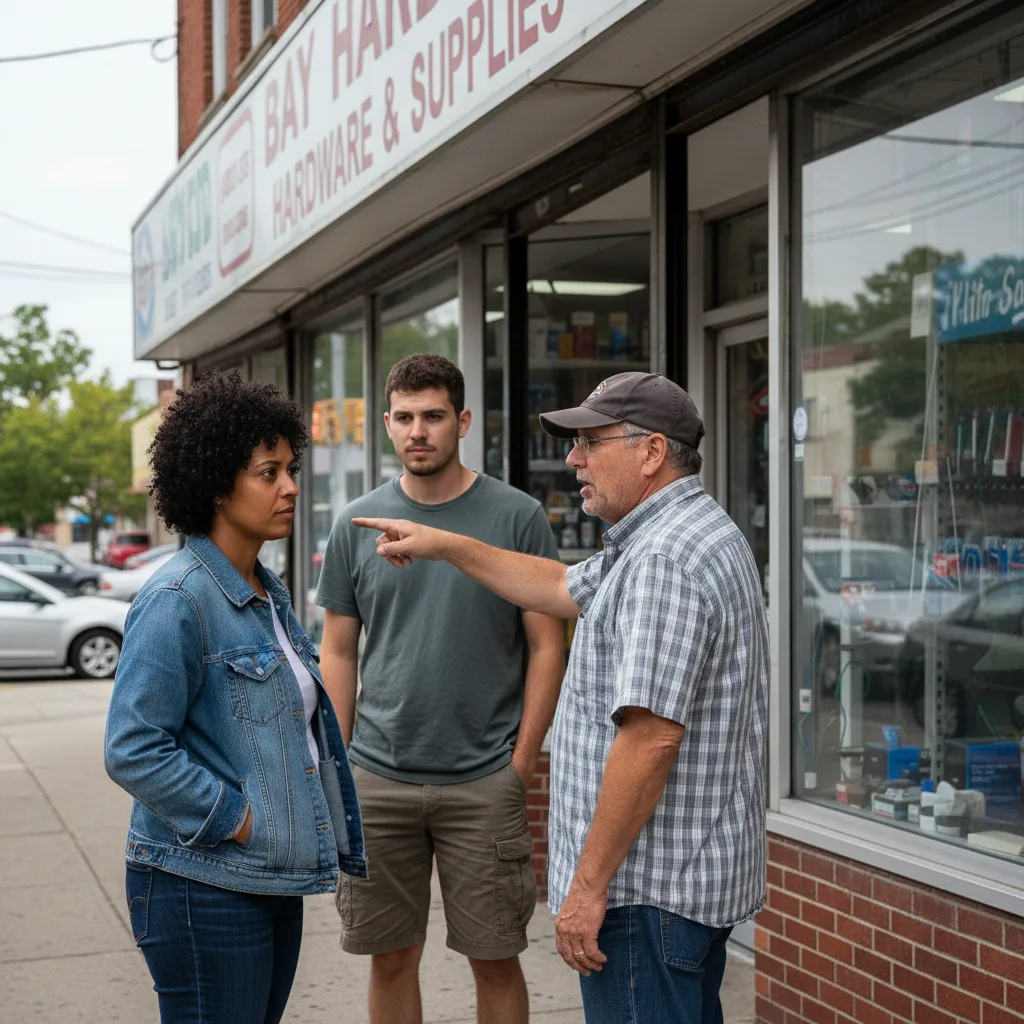
Queens Residents Discuss Nepal-China Flood Devastation
Queens residents on Cross Bay Boulevard discuss Nepal-China floods, drawing parallels to local concerns over flood-prone areas and storm preparedness.
Howard Beach Tackles Rising Tides, Coastal Flooding Concerns 2026
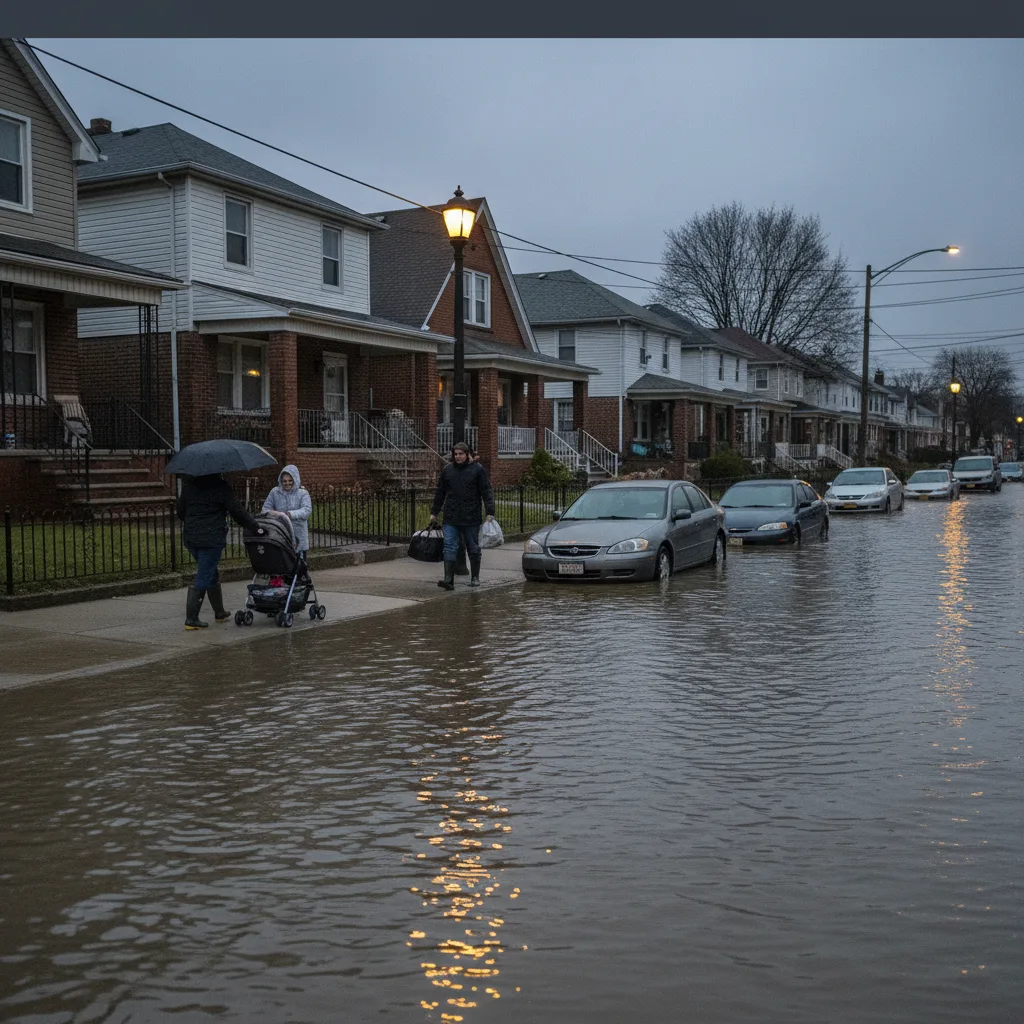
Howard Beach is battling rising tides and coastal flooding this week, as full and new moons combine with rain to inundate neighborhoods like Old Howard Beach, Queens. The community mobilizes against the ongoing water challenges.
Cross Bay Boulevard Residents Discuss Global Flood Preparedness
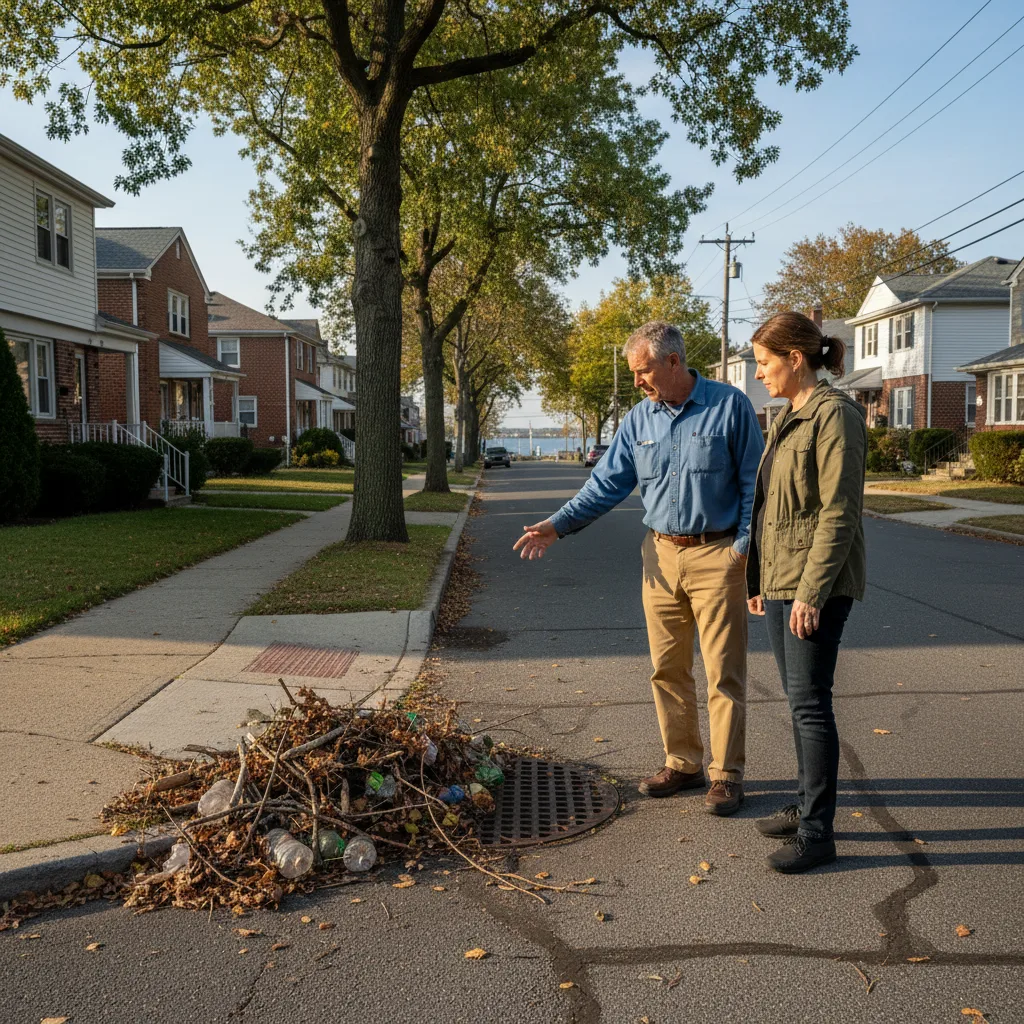
Cross Bay Boulevard residents are discussing the Nepal-China floods, prompting local concerns about flood preparedness and NYC's infrastructure in coastal areas.
Cross Bay Boulevard Families Concerned Over Nepal Flood Casualties
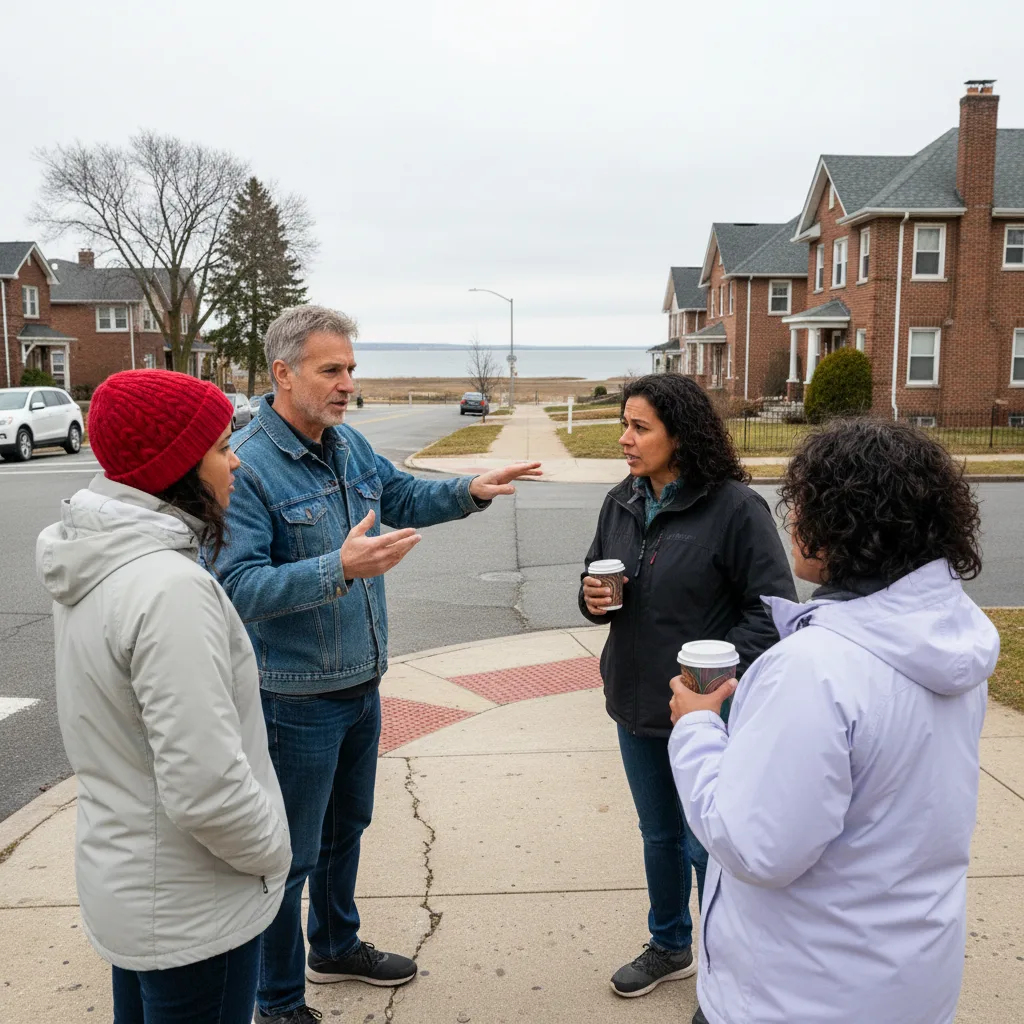
Queens residents along Cross Bay Boulevard are deeply concerned about the Nepal-China flood disaster, prompting local discussions on emergency preparedness and infrastructure.
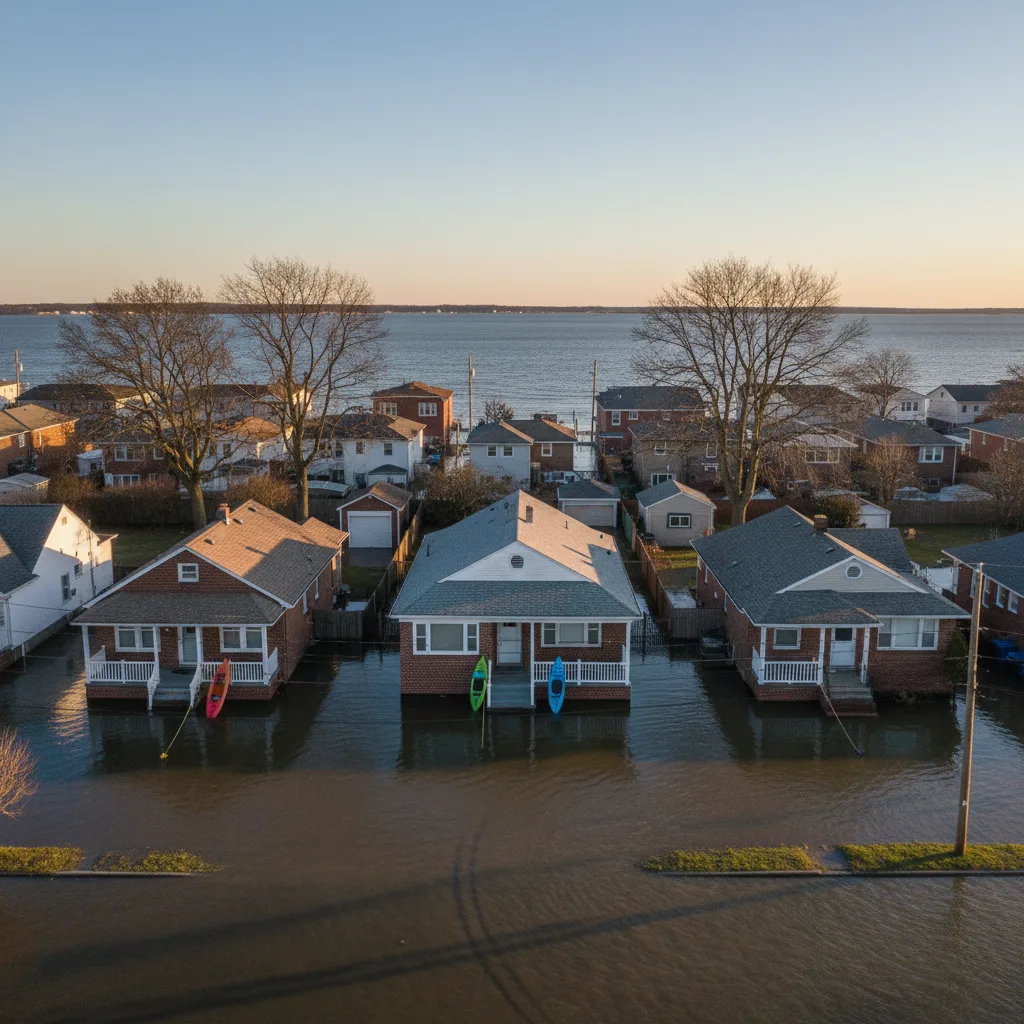
Queens Neighborhoods Targeted for Voluntary Flood Buyout Programs
Vulnerable Queens neighborhoods, including those along Cross Bay Boulevard, may be targeted for voluntary flood buyout programs by the city. This addresses rising extreme weather concerns.
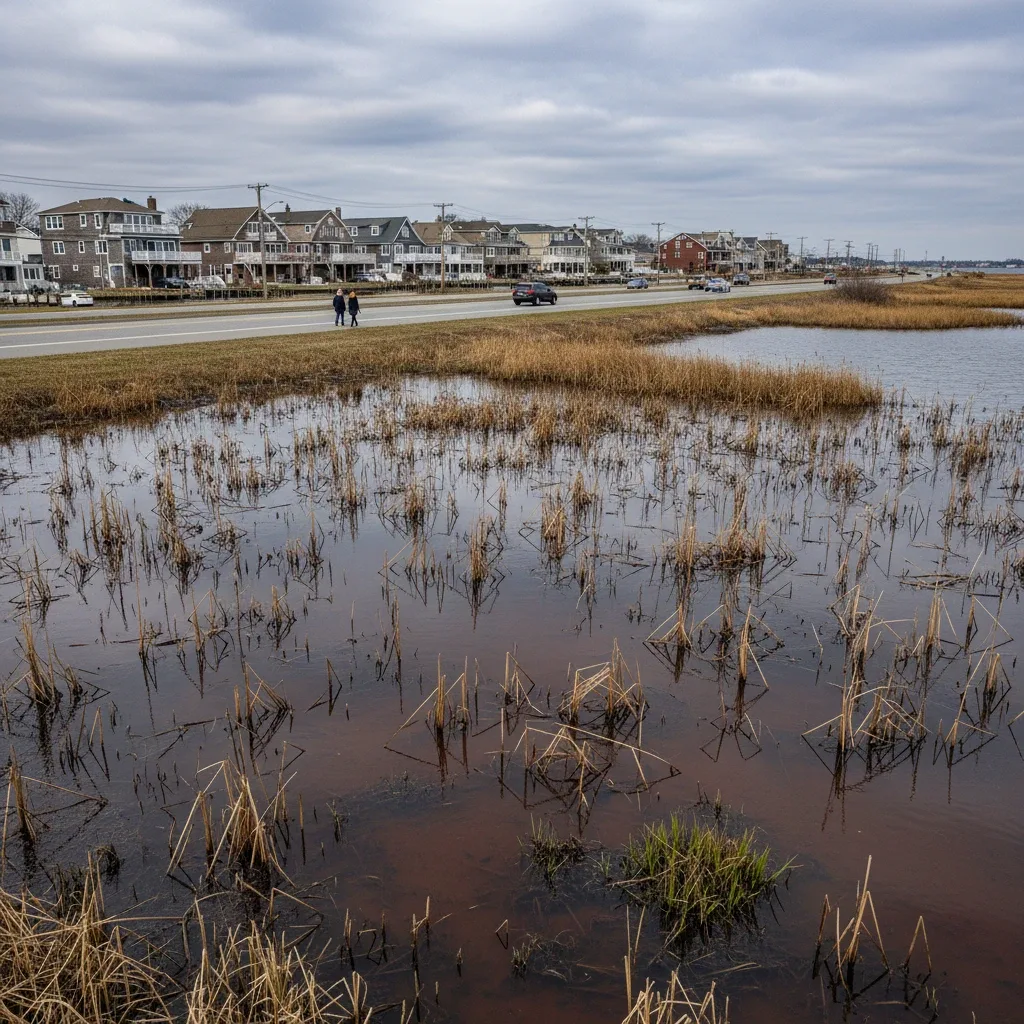
Environmental Concerns Emerge Near Cross Bay Boulevard, Queens 2026
A report by New York Focus and Queens Daily Eagle uncovered pressing environmental concerns near Cross Bay Boulevard, affecting residents and ecosystems in Queens.