


Kenya Court Halts U.S. Ebola Quarantine Plan; Queens Residents Monitor Health Threat

NEW YORK — A U.S. plan to establish a quarantine center for Americans exposed to Ebola on an air base in Kenya has been temporarily halted by a court order, a development reported by CBS News on Friday, November 13, 2026. This story, while geographically distant, has drawn cautious and conversational attention from residents along Cross Bay Boulevard in Queens, triggering discussions about public health preparedness and the transparency of official responses.
The swift court injunction against the quarantine facility has global implications, as Ebola-related containment decisions quickly become major public-health and diplomatic issues. For Queens residents, particularly those with strong ties to international travel or jobs at nearby JFK Airport, the news serves as a reminder that outbreaks overseas can affect local communities through various channels, including travel restrictions and health protocols.
Past Public Health Scares Inform Local Concerns
The community along Cross Bay Boulevard and throughout Queens has a collective memory of past public health scares, including the H1N1 influenza pandemic of 2009 and the more recent COVID-19 pandemic. These experiences have instilled a cautious approach to new disease outbreak news. Residents often draw comparisons, evaluating current official responses against lessons learned from previous health crises.
“You always wonder if they’re telling us the whole truth right away,” remarked Theresa Gallo, a retired nurse living near the Shore Promenade in Broad Channel. “After everything with the last big one, you just hope that this time, officials are more open and ready.” Her comments reflect a desire for proactive and transparent communication from health authorities, a sentiment widely shared in local gathering spots like the Rockwood Park Jewish Center.
According to a 2024 survey conducted by the NYC Department of Health and Mental Hygiene, 65% of Queens residents indicated they closely follow international public health news. This figure, up from 58% in 2019, suggests a growing public awareness of how global health events can impact local well-being. The Ebola quarantine story, therefore, finds a particularly attentive audience in the borough.
Potential Impact on Travel and Local Workforce
Queens is home to a diverse population with strong international connections and a significant workforce tied to transportation hubs like JFK Airport. News of an Ebola-related issue, even a contained one, immediately brings concerns about potential travel restrictions or enhanced screening protocols. Such measures can disrupt family visits, business travel, and the daily operations of airport employees and related industries.
“My brother flies international routes out of JFK, so any talk of Ebola quarantine centers makes us all nervous about what that could mean for his job and travel,” shared Carlos Rivera, a grocery store manager on Cross Bay Boulevard. “It’s not just about getting sick; it’s about the ripple effect on livelihoods.” This personal connection to global travel makes the abstract threat feel very real for many.
Queens public health preparedness in 2026 remains a top priority for local government and health agencies. The city continually updates its emergency response plans and public information campaigns, recognizing the unique vulnerabilities of a major international gateway. Efforts focus on rapid detection, containment strategies, and clear public communication to prevent panic and ensure effective response.
Official Responses and Transparency Demands
While the Kenyan court's decision is an international matter, local officials in Queens are cognizant of community anxieties. They emphasize the city’s robust public health infrastructure and ongoing monitoring of global health threats. Dr. Evelyn Reed, Director of Public Health Initiatives for the Queens Department of Health, spoke on the matter.
“Our priority is always the health and safety of New Yorkers,” Dr. Reed stated at a press briefing at Queens Borough Hall on Tuesday. “We continuously collaborate with federal and international partners to stay informed about global health developments, including Ebola. We have protocols in place, and we are committed to transparently communicating any direct risks or necessary precautions to the public.” Her statements aim to reassure a concerned populace.
Residents’ calls for transparency are not new; they stem from a desire for clear, verifiable information over sensationalism. They want to understand the facts and potential implications without having to wade through conflicting reports. This demand for clarity is particularly strong in communities like Howard Beach and Broad Channel, where news travels fast through neighborhood networks.
Global Health Security and Local Awareness
The story underscores the interconnectedness of global health security and local well-being. What happens in Kenya, or any part of the world, can have indirect but tangible effects on New York City. This awareness has spurred local efforts to educate the community about international health risks and best practices for prevention.
For instance, the local jamaica-bay-environmental-cleanup-2026 efforts are often discussed in conjunction with overall community health. A healthy environment contributes to a healthy populace, and both are seen as responsibilities of diligent governance. These discussions reinforce the idea that local health is part of a larger global ecosystem.
Discussions among Queens neighbors serve as a reminder that disease outbreaks overseas can still affect New York travel, schools, and work routines. Especially among people with family abroad or jobs tied to airports and transit, the stakes feel particularly high. The cautious, conversational tone of these discussions reflects a learned resilience but also an underlying vigilance.
Frequently Asked Questions About Ebola Concerns in Queens
Why are Cross Bay Boulevard residents discussing a distant Ebola quarantine plan? Residents in Queens, especially those with international family ties or airport jobs, recognize that global health events can affect local travel, public health protocols, and economic stability. They are keenly aware of the interconnectedness of global and local well-being.
How do these discussions reflect past public health experiences in Queens? Community conversations often compare the current situation to previous public health scares like H1N1 and COVID-19. Residents are looking for clear, transparent communication from officials and robust preparedness plans, drawing on lessons learned from those earlier crises.
What are the specific concerns about travel and the local workforce? There's worry about potential travel restrictions, enhanced airport screenings, and the impact on airline employees or those in related service industries at JFK Airport. Any disruption could affect family visits or employment stability for a significant portion of Queens' diverse population.
What is the Queens Department of Health doing about global health threats? The Queens Department of Health and Mental Hygiene continuously monitors global health developments, including Ebola, in collaboration with federal and international partners. They have established protocols for rapid detection and containment and are committed to transparent public communication about any risks.
Is there any data supporting the local interest in global health news? A 2024 survey by the NYC Department of Health and Mental Hygiene showed that 65% of Queens residents actively follow international public health news, a noticeable increase from 2019. This demonstrates a strong local awareness and concern regarding global health security.
Written by
Newstrix
Cross Bay Current
Related Articles
More in Health & Weather →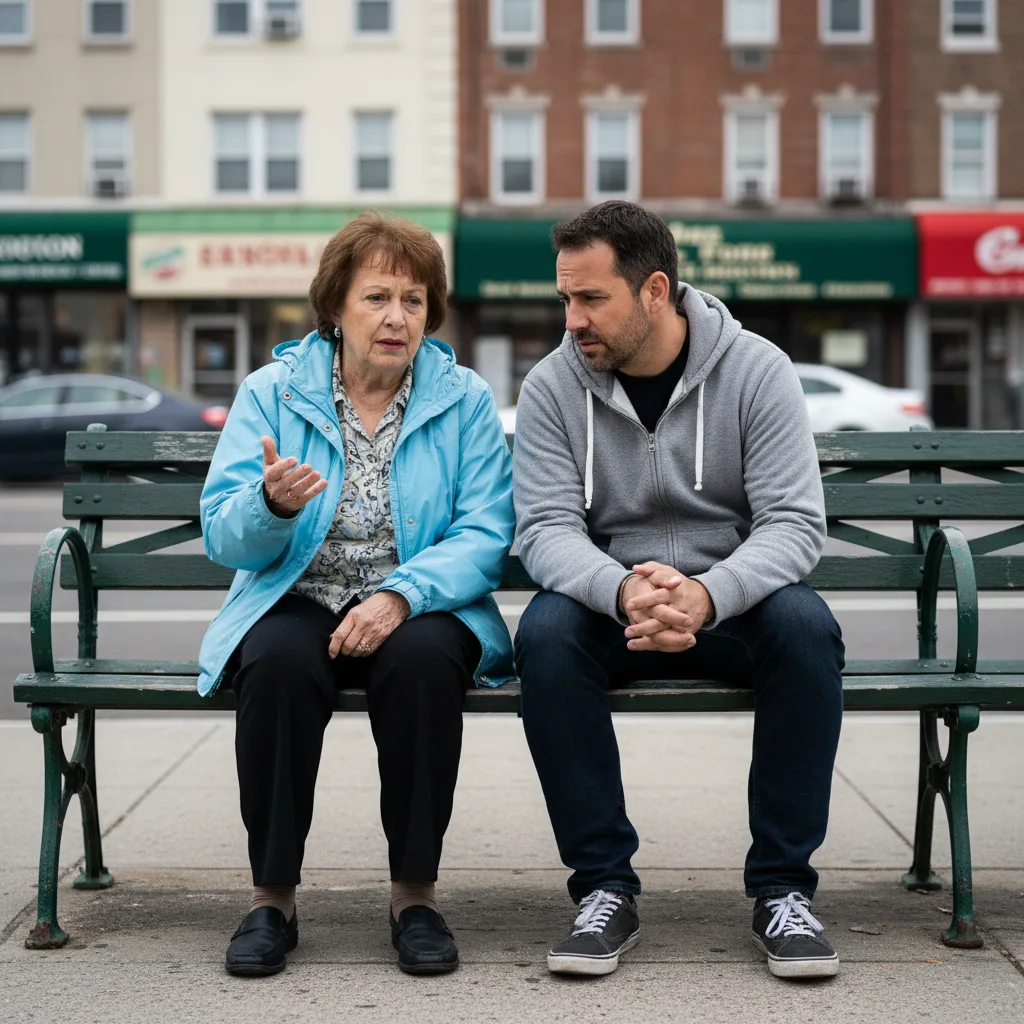
Cross Bay Boulevard Residents Concerned by Congo Ebola Surge
Congo Ebola cases exceed 5,000, causing concern among Cross Bay Boulevard residents about masks, travel, and health security. Queens locals view it as a public health warning.
Mamdani Pushed to Fully Fund Far Rockaway Trauma Center with $150M
Elected officials and advocates urge Mayor Mamdani to fully fund the Far Rockaway trauma center, citing a $150 million budget gap crucial for Queens residents.
Cross Bay Boulevard Residents Prepare for Typhoon Bavi's Potential Impact
Cross Bay Boulevard residents are preparing for Typhoon Bavi's potential ripple effects, including travel and supply chain disruptions. The storm brings memories of past weather events to Queens.
Cross Bay Boulevard Residents Monitor Typhoon Bavi Path, Prepare for Potential Impact
Cross Bay Boulevard residents are preparing for potential severe weather impacts as Typhoon Bavi churns toward Taiwan, prompting emergency advisories.
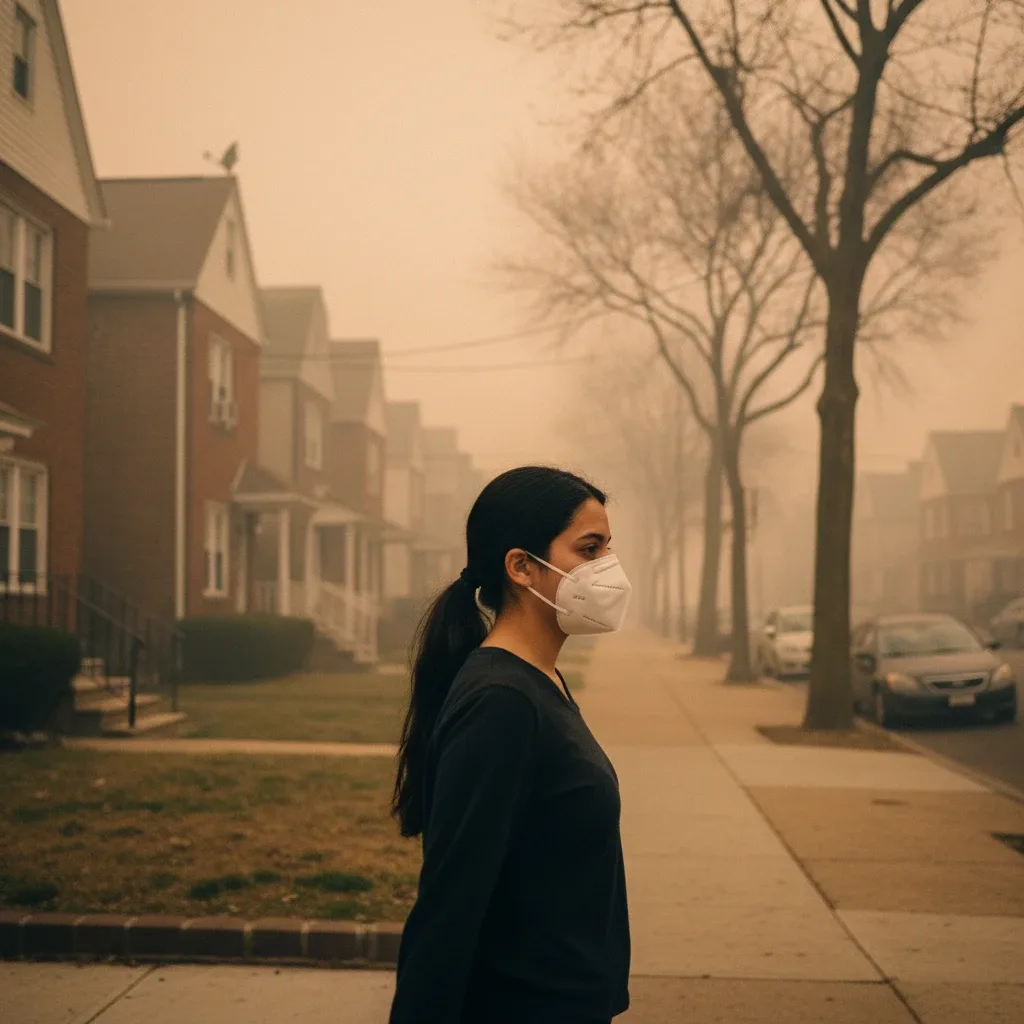
Cross Bay Boulevard Sees Over 100 Million Under Air Quality Alert
Over 100 million people, including Cross Bay Boulevard residents, were under an air quality alert due to Canadian wildfire smoke.
100 Million Under Air Quality Alert as Wildfire Smoke Chokes Cross Bay Boulevard
Over 100 million people are under air quality alerts as Canadian wildfire smoke chokes Cross Bay Boulevard, Queens. Residents cancel outdoor activities, and businesses move inside due to the thick, unhealthy haze affecting daily life.