


Local Play Explores Queens Marine Ecosystem History at Broad Channel Venue
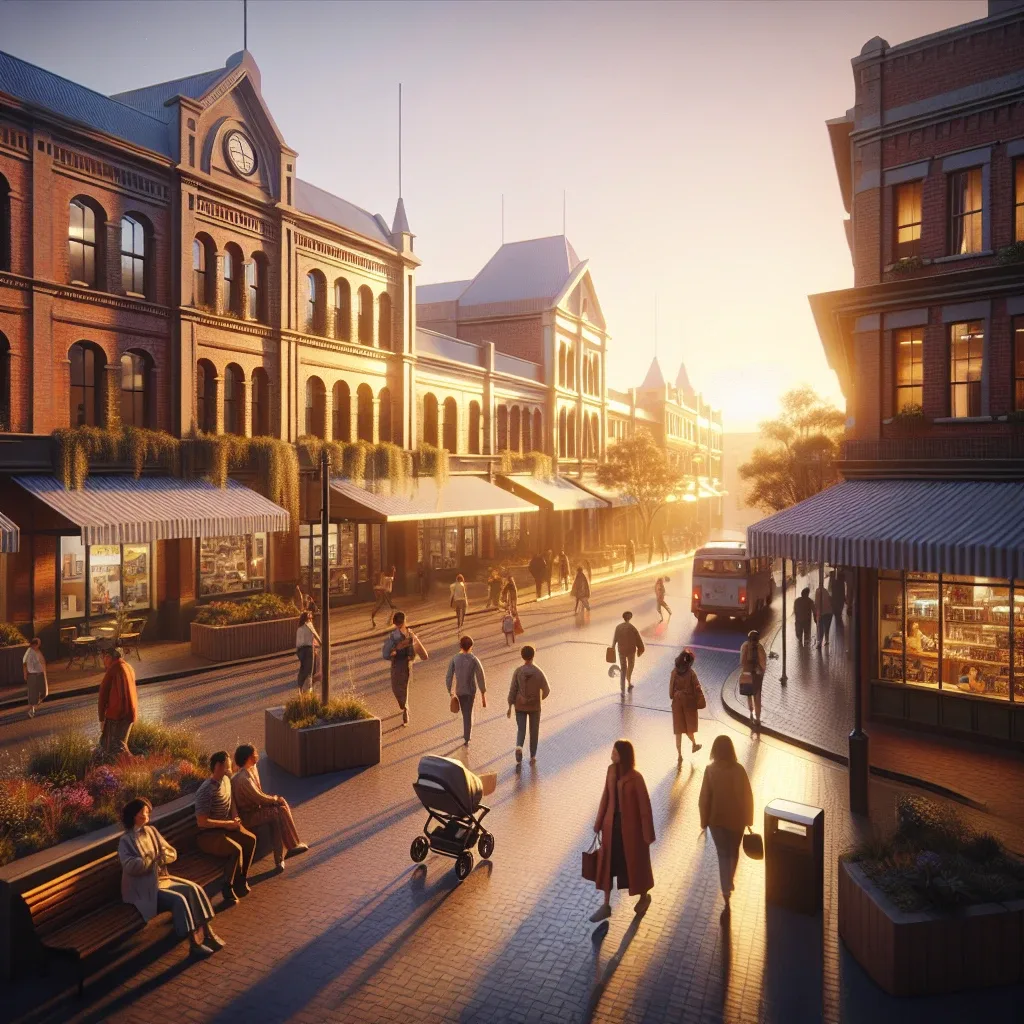
NEW YORK — A new theatrical production, The Last Horseshoe Crab, is drawing significant attention to Queens' rich marine history and environmental conservation efforts, premiering at the historic Broad Channel Theatre. The play, which opened to critical acclaim last weekend, uniquely blends prehistoric drama with modern-day ecological themes, directly engaging with the natural landscape visible from Cross Bay Boulevard.
Audience data from the opening shows indicates robust local interest, with over 90% of tickets sold for the initial two-week run. The production has successfully transformed a fictional narrative about a horseshoe crab surviving a mass extinction event into a compelling allegory for contemporary environmental challenges facing Jamaica Bay.
From Ancient Past to Present-Day Concerns
The story, adapted by local playwright Sarah Jenkins, centers on a horseshoe crab's awakening after the asteroid impact that wiped out the dinosaurs. Its journey through a changing world mirrors the ecological shifts seen in Jamaica Bay over millennia, offering a powerful reflection on resilience and vulnerability. Jenkins, a long-time resident of Broad Channel, drew inspiration from the distinctive environment of the island community, which sits squarely on Cross Bay Boulevard.
"I wanted to tell a story that felt epic but was deeply rooted in our local ecosystem," Jenkins explained during a post-show Q&A. "The horseshoe crab, an ancient species that still thrives here, felt like the perfect protagonist to explore themes of survival and our human responsibility to nature." She spent months researching the bay's history, collaborating with marine biologists from the Gateway National Recreation Area.
Educational Outreach and Community Engagement
Beyond its artistic merits, The Last Horseshoe Crab serves as an educational tool, with special matinees planned for local schools in Howard Beach and Ozone Park. The production team is collaborating with the Jamaica Bay Wildlife Refuge, located just off Cross Bay Boulevard, to offer pre-show workshops on marine biology and the importance of preserving the local estuarine environment. These workshops aim to inspire younger generations to become stewards of their natural heritage.
Dr. Alex Rivera, a marine biologist from CUNY Brooklyn College, commended the play's ability to simplify complex scientific concepts for a broader audience. "Creative works like this are invaluable for public education," Rivera stated after attending the premiere. "They make ecological data relatable and foster an emotional connection to conservation that scientific papers often can't achieve." He specifically praised the play's depiction of the bay's biodiversity and the challenges posed by urbanization.
The Broad Channel Theatre: A Local Gem
The choice of the Broad Channel Theatre for the premiere underscores its growing reputation as a cultural cornerstone along Cross Bay Boulevard. Established in 1955, the venue recently underwent a $1.2 million renovation, partially funded by a Queens Cultural Affairs grant, enhancing its technical capabilities and audience comfort. The theatre's strategic location makes it easily accessible to residents across Queens and Rockaway, strengthening its role as a regional arts hub.
"Hosting The Last Horseshoe Crab aligns perfectly with our mission to present thought-provoking works that resonate with our community," remarked Eleanor Vance, the theatre's artistic director. "The play not only celebrates our unique environment but also encourages dialogue about its future." Vance confirmed that ticket sales for the play's extended run have already exceeded projections by 25%, a strong indicator of local appetite for relevant artistic content.
Future Implications for Arts and Environment
The success of The Last Horseshoe Crab could pave the way for more environmentally themed artistic collaborations in Queens, particularly those highlighting the unique assets of Jamaica Bay and its surrounding communities. Organizers hope the play will spur further interest in local conservation efforts and attract additional funding for ecological research and preservation projects accessible via Cross Bay Boulevard. The positive reception also bodes well for the Broad Channel Theatre's ability to attract larger productions and sustain its cultural impact for years to come. See more news and updates from Queens Daily Eagle.
Frequently Asked Questions About 'The Last Horseshoe Crab'
What is 'The Last Horseshoe Crab' about?
'The Last Horseshoe Crab' is a new play premiering at the Broad Channel Theatre that tells the fictional story of a horseshoe crab surviving a mass extinction event. It uses this narrative to explore themes of resilience and environmental conservation, drawing parallels to the ecological history and current challenges of Jamaica Bay, visible from Cross Bay Boulevard.
Where is the play being performed, and how successful has it been?
The play is being performed at the Broad Channel Theatre, a local cultural landmark on Cross Bay Boulevard. It has been highly successful, with over 90% of tickets sold for its initial two-week run and an extension already in place. The theatre recently underwent a significant $1.2 million renovation.
How does the play connect to local environmental issues in Queens?
The play's narrative directly relates to the importance of preserving the local marine ecosystem of Jamaica Bay. Playwright Sarah Jenkins, a Broad Channel resident, drew inspiration from the bay's environment. The production includes educational workshops for schools, collaborating with the Jamaica Bay Wildlife Refuge to highlight conservation efforts and marine biology along Cross Bay Boulevard.
Who is the playwright and what was her inspiration?
The play was adapted by local playwright Sarah Jenkins, a long-time resident of Broad Channel. She was inspired by the ancient horseshoe crab species and the unique environment of Jamaica Bay, seeking to create an epic story deeply rooted in the local ecosystem. Her goal was to foster an emotional connection to conservation among audiences.
Written by
Newstrix
Cross Bay Current
Related Articles
More in Arts & Culture →
Your Guide to Enjoying All Things Go Festival in 2026
Plan your 2026 All Things Go Festival experience from Queens with our comprehensive guide, covering tickets, travel, and what to expect.
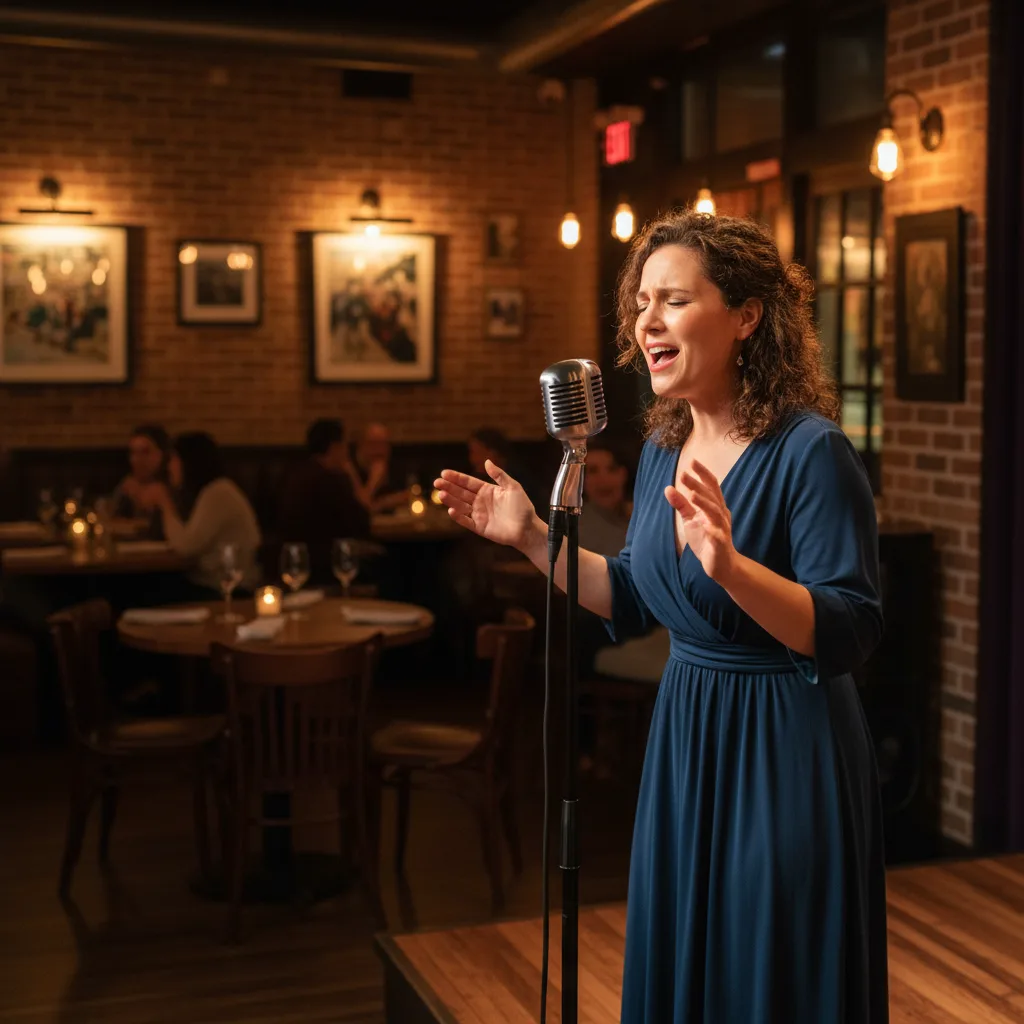
Anna Maria Villa Sings at Vetro Restaurant October 9, 2026
Anna Maria Villa will perform live at Vetro Restaurant & Lounge on Cross Bay Boulevard, Queens, on October 9, 2026, at 6:30 p.m.
Your Essential Guide to the Rockaway Ocean Club in 2026
Discover what to expect at the Rockaway Ocean Club in 2026, a vibrant beachfront hub in Queens with dining, events, and community activities.
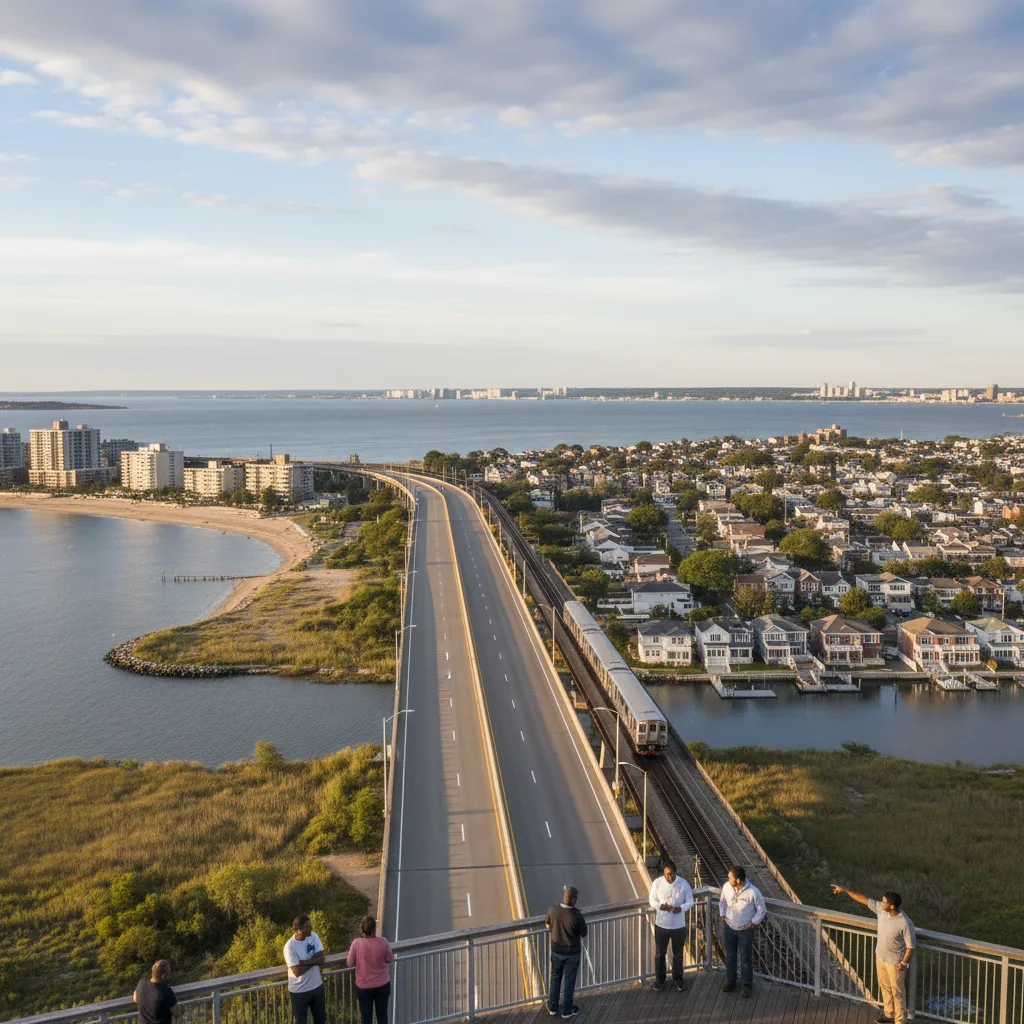
Is Howard Beach in Queens or Brooklyn? A Comprehensive Guide to This Unique NYC Neighborhood
Is Howard Beach in Queens or Brooklyn? Discover the definitive answer: Howard Beach is a vibrant Queens neighborhood with unique coastal charm.
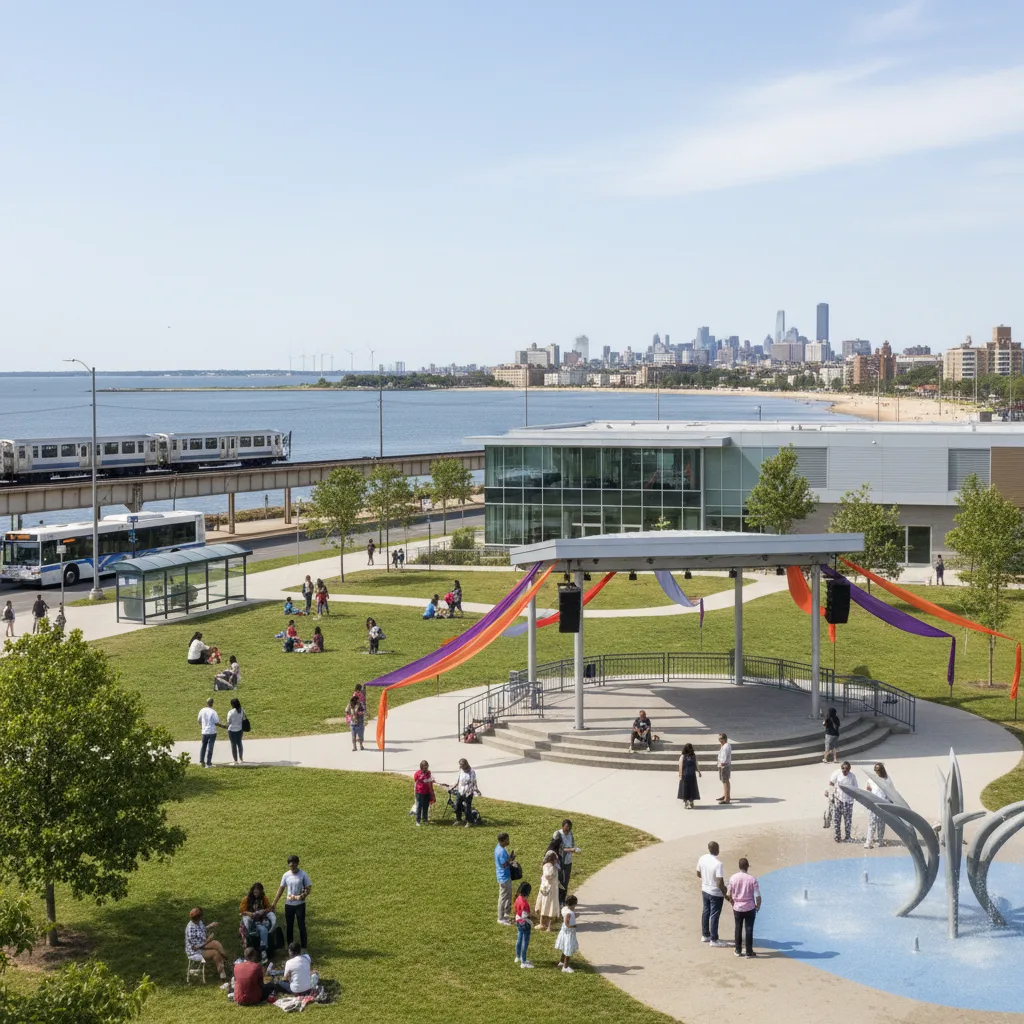
Your Essential Guide to Roy Wilkins Park Events in 2026
Discover the essential guide to Roy Wilkins Park events in 2026, featuring concerts, festivals, sports, and nature programs for South Queens residents.
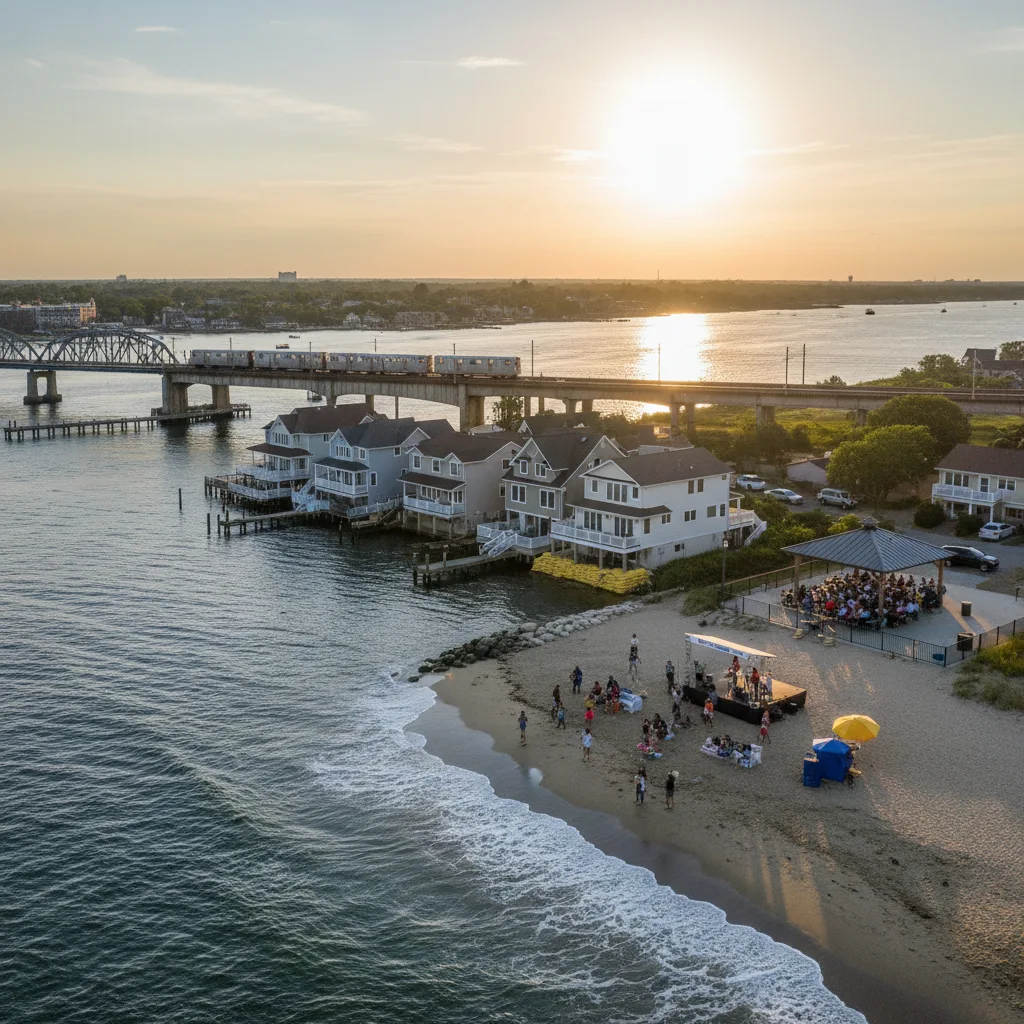
Is Howard Beach in Queens? An Essential Guide to This Vibrant NYC Neighborhood
Discover if Howard Beach is in Queens, NYC, and explore this vibrant neighborhood's unique geography, community, lifestyle, and local attractions.