


New Iran Leader: Hormuz Blockade Continues, Cross Bay Blvd Adapts

NEW YORK — Mojtaba Khamenei, Iran's new supreme leader following his father's assassination on March 14, 2026, has vowed to maintain the Strait of Hormuz blockade, a declaration that has immediately sent global oil prices soaring past $100 a barrel. This geopolitical shift has further driven up pump prices in Queens, compelling Cross Bay Boulevard commuters to adapt to rising costs and longer lines for fuel.
Frustration is palpable among Queens commuters, whose daily routines are increasingly impacted by distant international events. President Trump, meanwhile, defiantly characterizes the price surge as beneficial, asserting that the U.S. has already spent billions in early war costs, a perspective that draws mixed reactions locally as noted in community discussions.
Geopolitical Succession and Economic Repercussions
The swift ascension of Mojtaba Khamenei to Iran's supreme leadership has cemented the nation's hardline stance on the Strait of Hormuz. His vow to continue the blockade signals a prolonged period of disruption for the international oil market, which, in turn, directly translates into higher energy costs for consumers globally and locally in Queens.
This leadership change and its immediate policy implications underscore the fragility of global supply chains and the vulnerability of local economies to international conflicts. The global oil price surge has a direct and tangible impact on the wallets of Cross Bay Boulevard residents. For more context on this leadership change and its implications, review this YouTube news analysis.
Cross Bay Boulevard Commuters Face Hard Choices
Commuters on Cross Bay Boulevard are feeling the pinch of escalating gas prices more acutely than ever. Longer lines at gas stations offering slightly cheaper fuel have become a common sight, as residents try to stretch their budgets. The inconvenience and added expense are forcing many to reconsider their transportation habits.
Barbershop talk along the boulevard frequently turns to the new leader's threats and the possibility of boycotting Middle Eastern imports, reflecting a sense of economic nationalism and frustration. Residents are actively discussing carpooling options, using public transit more frequently, or even delaying non-essential travel to conserve fuel.
Historical Context and Community Wisdom
Elderly residents at community centers across Queens, including those near Cross Bay Boulevard, share stories of the 1970s oil crises, recalling periods of gas rationing and economic uncertainty. These historical perspectives provide a sobering backdrop to current events, as they organize car-sharing networks and share tips for energy conservation.
Many senior citizens are also vocal in criticizing past political decisions, some attributing current vulnerabilities to what they perceive as weaknesses in previous administrations’ energy policies. This intergenerational dialogue highlights evolving concerns about national and local resilience in the face of global challenges.
Local Businesses Adapt with 'Hormuz Specials'
Local pizzerias and other small businesses along Cross Bay Boulevard are feeling the pressure of rising ingredient and delivery costs. In a creative effort to maintain customer traffic and signal community solidarity, some pizzerias have begun offering "Hormuz specials" at fixed prices.
These initiatives aim to draw crowds, providing a space for residents to vent about Trump's defiance boosting their delivery fees, while also offering a temporary respite from the economic strain. Such grassroots efforts illustrate the adaptive spirit of the Cross Bay Boulevard commercial district in challenging times.
The Future of Energy and Local Affordability
The sustained blockade and the new Iranian leadership’s firm stance suggest that high oil prices may be a feature of the economy for the foreseeable future. This necessitates a re-evaluation of energy consumption patterns and infrastructure resilience in Queens.
Local government and community organizations are exploring long-term solutions, including promoting electric vehicles, investing in public transportation, and advocating for federal policies that stabilize energy markets. The goal is to safeguard the affordability and quality of life for Cross Bay Boulevard residents amidst global turbulence.
Frequently Asked Questions About Iran's Blockade and Cross Bay Boulevard
How has the new Iranian leader's vow impacted Cross Bay Boulevard residents? Mojtaba Khamenei's vow to maintain the Strait of Hormuz blockade has caused global oil prices to surge, directly translating to higher pump prices in Queens. Cross Bay Boulevard commuters are experiencing increased frustration, longer lines for gas, and are actively seeking ways to adapt to these rising costs, such as carpooling. What are the primary concerns for Queens commuters on Cross Bay Boulevard? The primary concerns for Queens commuters include the financial strain of elevated gas prices, the inconvenience of longer waits at fuel stations, and the overall impact on their daily budgets. Many are looking for practical solutions to reduce transportation expenses. How are local businesses along Cross Bay Boulevard responding to the economic pressures? Local pizzerias and other small businesses are feeling the pinch of higher operational and delivery costs. Some are introducing "Hormuz specials" at fixed prices to attract customers and provide a communal space for residents to discuss the economic challenges. This demonstrates their innovative ways of adapting to the crisis. What is President Trump's perspective on the rising oil prices? President Trump has expressed a defiant stance, claiming that the surge in oil prices is beneficial, particularly given the billions spent by the U.S. in early war costs. This perspective is met with mixed reactions from Cross Bay Boulevard residents, some of whom are directly impacted by the escalating costs. Are there historical parallels or community advice for this situation? Elderly residents in Queens community centers are recalling the 1970s oil crises, organizing car shares, and criticizing what they perceive as past policy weaknesses. These historical echoes provide context and practical coping strategies, emphasizing community resilience and shared experiences in times of economic uncertainty.
Written by
Newstrix
Cross Bay Current
Related Articles
More in Environment →
Queens Residents Discuss Nepal-China Flood Devastation
Queens residents on Cross Bay Boulevard discuss Nepal-China floods, drawing parallels to local concerns over flood-prone areas and storm preparedness.
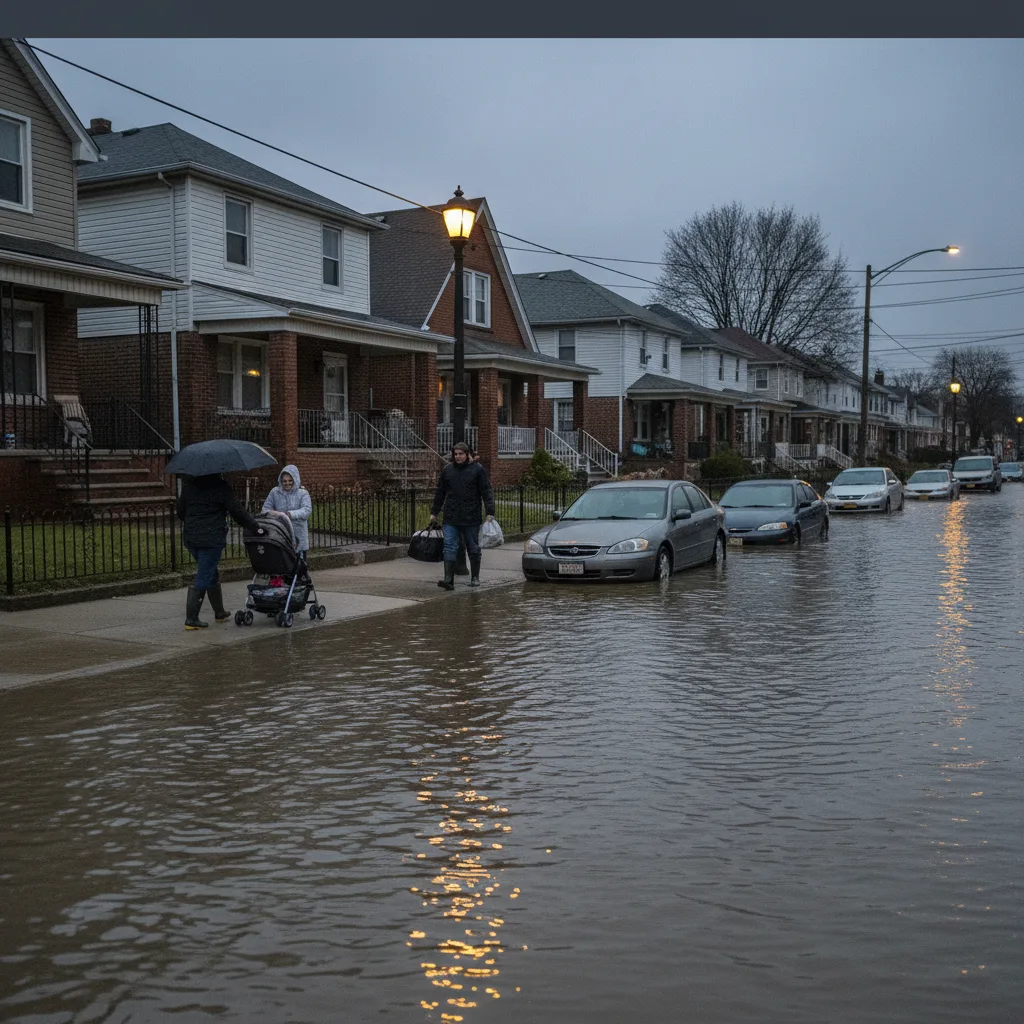
Howard Beach Tackles Rising Tides, Coastal Flooding Concerns 2026
Howard Beach is battling rising tides and coastal flooding this week, as full and new moons combine with rain to inundate neighborhoods like Old Howard Beach, Queens. The community mobilizes against the ongoing water challenges.
Cross Bay Boulevard Residents Discuss Global Flood Preparedness
Cross Bay Boulevard residents are discussing the Nepal-China floods, prompting local concerns about flood preparedness and NYC's infrastructure in coastal areas.
Cross Bay Boulevard Families Concerned Over Nepal Flood Casualties
Queens residents along Cross Bay Boulevard are deeply concerned about the Nepal-China flood disaster, prompting local discussions on emergency preparedness and infrastructure.
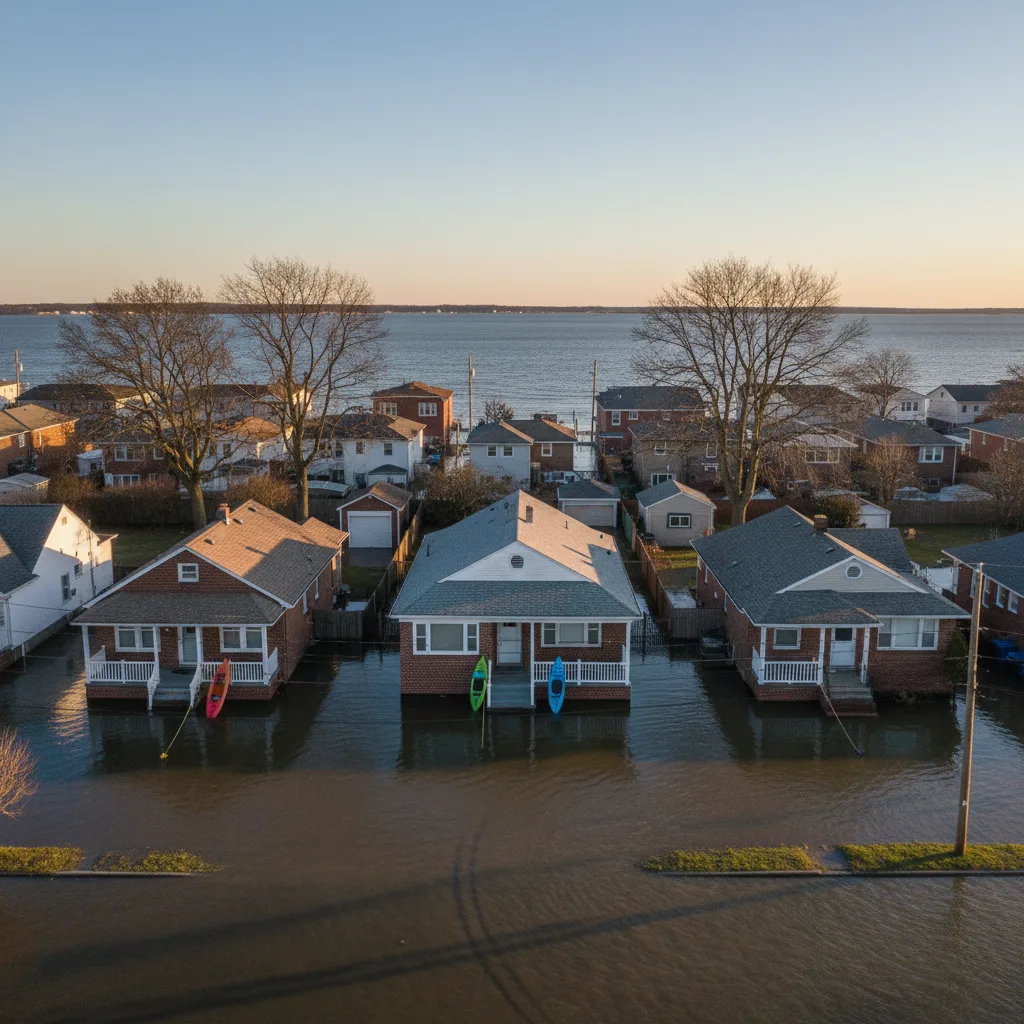
Queens Neighborhoods Targeted for Voluntary Flood Buyout Programs
Vulnerable Queens neighborhoods, including those along Cross Bay Boulevard, may be targeted for voluntary flood buyout programs by the city. This addresses rising extreme weather concerns.
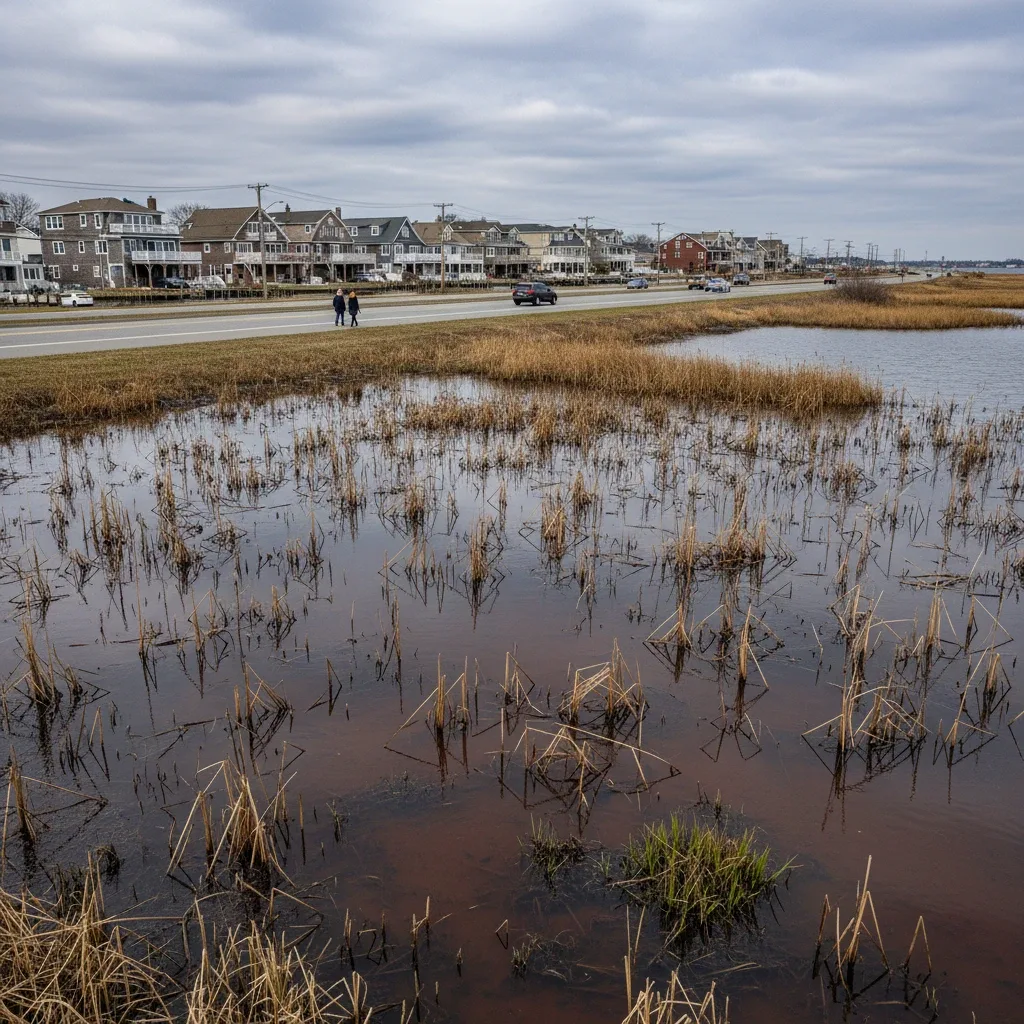
Environmental Concerns Emerge Near Cross Bay Boulevard, Queens 2026
A report by New York Focus and Queens Daily Eagle uncovered pressing environmental concerns near Cross Bay Boulevard, affecting residents and ecosystems in Queens.