


NYC DOT Unveils Cross Bay Boulevard Traffic Safety Plan 2026
Enjoying the coverage?
A and S train changes, parking rules and road work, rounded up every Friday.
Sent every Friday. By subscribing, you agree to our Terms and Conditions and Privacy Policy.
NEW YORK — The New York City Department of Transportation (NYC DOT) announced a comprehensive, multi-phase plan today aimed at significantly enhancing traffic calming and pedestrian safety along Cross Bay Boulevard in Queens. This initiative, set to begin in early 2026, directly addresses years of community concerns regarding vehicle speeds and vulnerability for those on foot in the bustling corridor that connects Howard Beach to Broad Channel and Rockaway.
“This isn't just about traffic flow; it’s about saving lives and improving the daily experience for thousands of Queens residents,” stated Ydanis Rodriguez, NYC DOT Commissioner, during a press conference held this morning near the boulevard’s intersection with Rockaway Boulevard. The project will prioritize intersections identified as high-risk, using data from the past five years which showed 47 pedestrian-involved collisions and 12 fatal crashes.
Community Concerns Drive Comprehensive Safety Measures
Residents along Cross Bay Boulevard have long voiced their frustrations over speeding vehicles and the challenges faced by pedestrians attempting to cross the wide thoroughfare. Community Board 10, representing areas like Howard Beach and Ozone Park, has been instrumental in advocating for these changes, submitting numerous resolutions and gathering thousands of petition signatures over the last three years. Their efforts, according to Council Member Joann Ariola, played a crucial role in securing the funding and attention for this vital project.
The Cross Bay Current Friday Briefing
A and S train changes, parking rules and road work, rounded up every Friday.
Sent every Friday. By subscribing, you agree to our Terms and Conditions and Privacy Policy.
The plan outlines several key interventions. These include the installation of leading pedestrian intervals (LPIs) at 15 major intersections, giving pedestrians a head start of 3-7 seconds before vehicles receive a green light. Additionally, 20 new speed cameras will be deployed along the boulevard, specifically targeting stretches between North Conduit Avenue and the Joseph P. Addabbo Memorial Bridge, notorious for excessive speeds.
Traffic engineers also plan to implement curb extensions and raised crosswalks at six specific locations, including outside Public School 146 and the Howard Beach Library branch. These physical alterations are designed to shorten crossing distances and increase pedestrian visibility, particularly for children and elderly residents. Local businesses along the boulevard have expressed cautious optimism, hoping that enhanced safety will also attract more foot traffic.
Phased Implementation and Public Engagement
The initial phase of the project, slated for completion by Fall 2026, will focus on the most critical safety improvements. This includes the LPI installations and the deployment of a portion of the speed cameras. The NYC DOT has committed to a robust public engagement process throughout the project's duration, including several community workshops and public hearings.
“We understand that any significant infrastructure project causes temporary disruption,” Commissioner Rodriguez acknowledged. “But the long-term benefits in terms of safety and quality of life for our Cross Bay Boulevard neighborhoods far outweigh these inconveniences. We encourage all residents to participate in our upcoming forums to provide feedback.” Information on upcoming sessions can be found on the Queens traffic updates page.
The second phase, beginning in 2027, will involve more extensive street redesigns. This includes potential road narrowing in certain sections, the creation of dedicated bike lanes, and expanded green infrastructure elements like rain gardens to manage stormwater runoff. These longer-term changes aim to transform Cross Bay Boulevard into a more multimodal and environmentally friendly corridor.
Economic and Community Impact Projections
Beyond immediate safety improvements, city planners anticipate broader economic and community benefits. Reduced accident rates could lead to lower insurance premiums for local drivers and decreased emergency response times. The proposed aesthetic upgrades, including new street furniture and improved landscaping, are expected to boost local businesses and property values. Small business owners often report that safer streets mean more customers, which is a big deal along a stretch with so many independent shops.
“A safer Cross Bay Boulevard means a more vibrant Cross Bay Boulevard,” remarked Maria Gonzalez, owner of a small bakery near the Aqueduct Racetrack, reflecting a common sentiment among local merchants. Her bakery, a fixture for over 20 years, often sees families navigating the busy sidewalks, making pedestrian safety a daily concern for her customers.
The project’s total estimated cost is $32 million, with funding primarily sourced from federal grants and the city’s capital budget for Vision Zero initiatives. This substantial investment underscores the city’s commitment to making its streets safer for all users, aligning with broader goals to eliminate traffic fatalities and serious injuries across New York City.
Looking Ahead: A Safer Future for Queens
The NYC DOT's plan represents a significant step towards addressing persistent safety challenges on Cross Bay Boulevard. With a clear implementation timeline and a commitment to ongoing community involvement, residents can anticipate a safer, more pedestrian-friendly environment in the coming years. This project stands as a testament to the power of community advocacy and data-driven urban planning. Further details will be discussed at upcoming local community meetings.
Frequently Asked Questions About Cross Bay Boulevard Improvements
What are the primary goals of the Cross Bay Boulevard safety project? The project aims to reduce vehicle speeds, enhance pedestrian safety through various infrastructure improvements, and decrease the number of traffic collisions, particularly those involving pedestrians and cyclists. It addresses longstanding community concerns about the busy Queens corridor.
When will the first phase of the safety project begin? The initial phase, which includes the installation of leading pedestrian intervals and new speed cameras, is scheduled to commence in early 2026 and is expected to be completed by Fall 2026. More extensive street redesigns are planned for a second phase beginning in 2027.
How can local residents provide feedback or get involved? The NYC DOT has committed to ongoing public engagement. Residents can attend community workshops and public hearings that will be scheduled throughout the project’s duration. Details about these events will be announced through local channels and on the NYC DOT website.
Which specific areas of Cross Bay Boulevard will see the most immediate changes? Intersections identified as high-risk will be prioritized, along with stretches between North Conduit Avenue and the Joseph P. Addabbo Memorial Bridge for speed camera deployment. Curb extensions and raised crosswalks are planned for locations near Public School 146 and the Howard Beach Library branch.
What is the estimated cost of this safety initiative? The total estimated cost for the multi-phase project is $32 million. Funding is being secured through a combination of federal grants and the city’s capital budget, specifically allocated for Vision Zero programs designed to eliminate traffic fatalities.
The Cross Bay Current Friday Briefing
A and S train changes, parking rules and road work, rounded up every Friday.
Sent every Friday. By subscribing, you agree to our Terms and Conditions and Privacy Policy.
Related Articles
More in Transportation & Traffic →
MTA Announces Rockaway Park Shuttle Service Changes for Weekend
The MTA announced significant service changes for the Rockaway Park Shuttle from November 20 to November 23, 2026, suspending weekend operations.
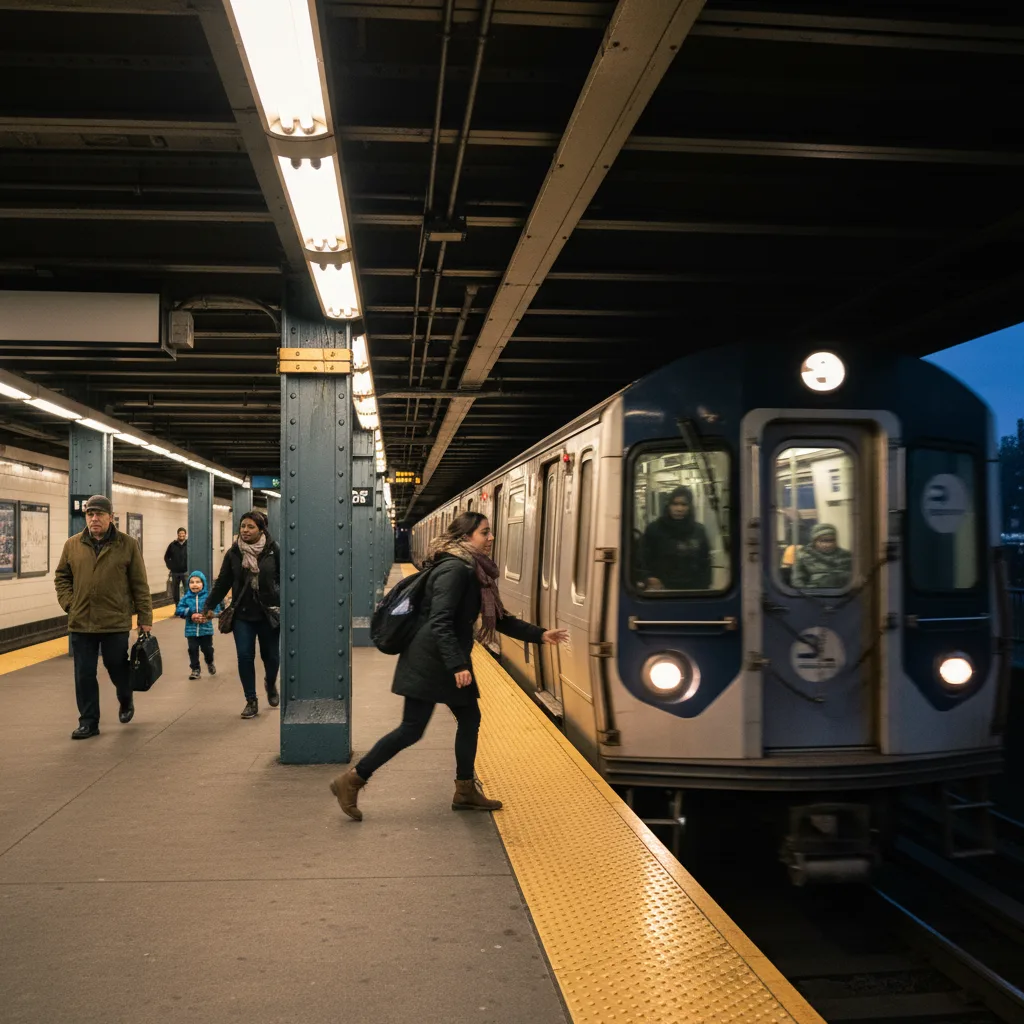
MTA Returns A Train Service to Lefferts Boulevard After 9-Day Closure
The MTA restored full A train service to Ozone Park-Lefferts Boulevard at 5 a.m. on Monday, November 16, 2026, after a nine-day suspension.
New Overnight Detour and Lane Closures Impact Queens Drivers
Queens drivers will experience an overnight eastbound detour off the Roosevelt Avenue Bridge over the Van Wyck starting Wednesday, and Cross Island Parkway lane closures at the Hillside Avenue Bridge beginning Monday.
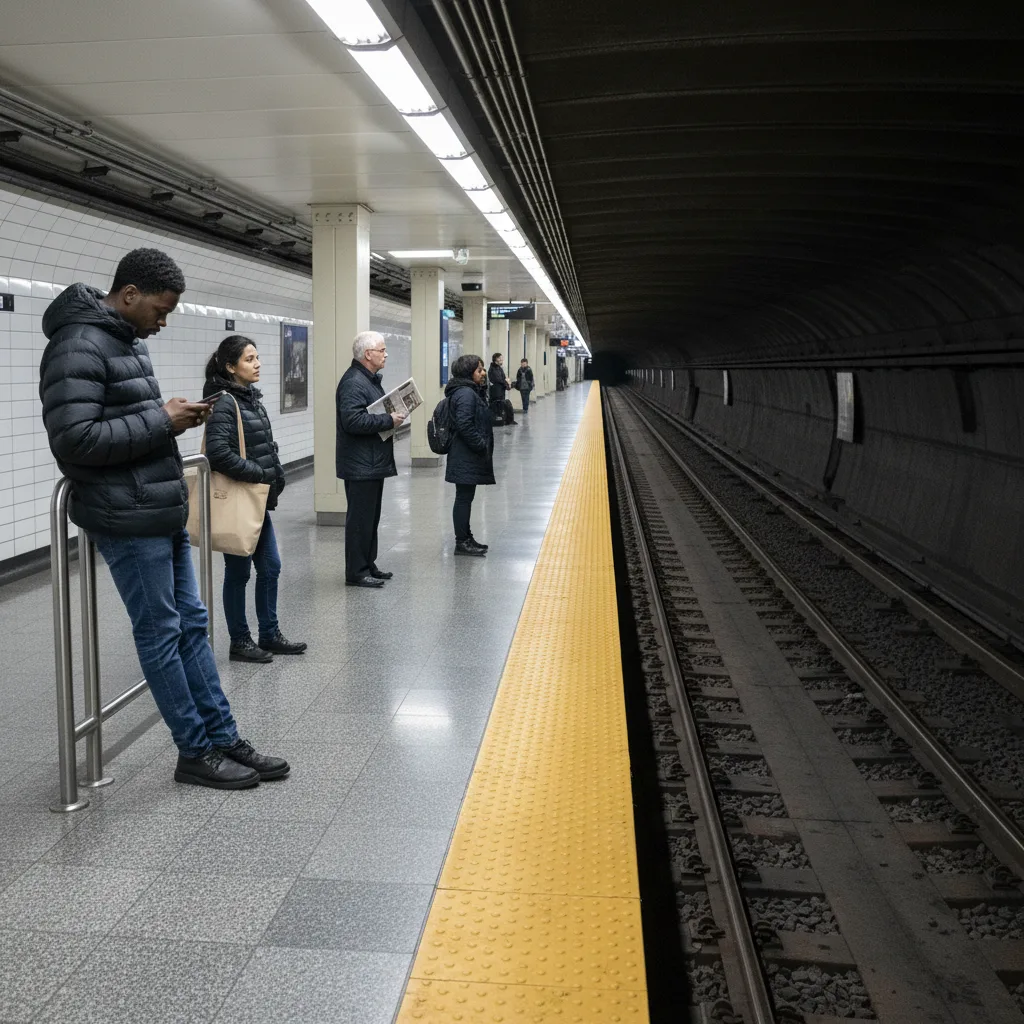
Rockaway MTA Completes Station Upgrades at Beach 60, 36, and 25 Streets
The MTA completed upgrades at three Rockaway A train stations, including new floors and brighter lights at Beach 60 St, Beach 36 St, and Beach 25 St.
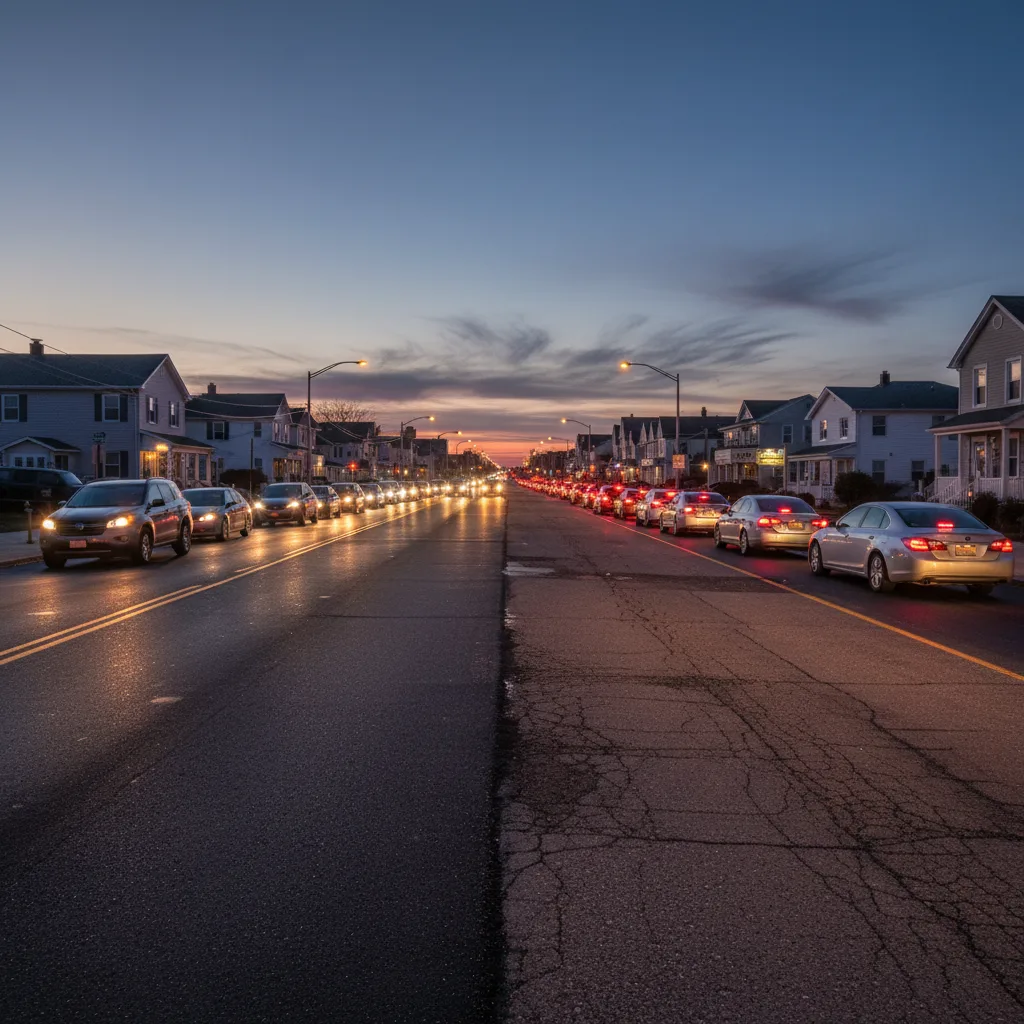
NYC DOT Redoes Cross Bay Boulevard Repaving After Broad Channel Delays
The NYC Department of Transportation is redoing repaving work on Cross Bay Boulevard due to prior shoddy efforts, causing renewed traffic delays for Broad Channel residents as of November 11, 2026.
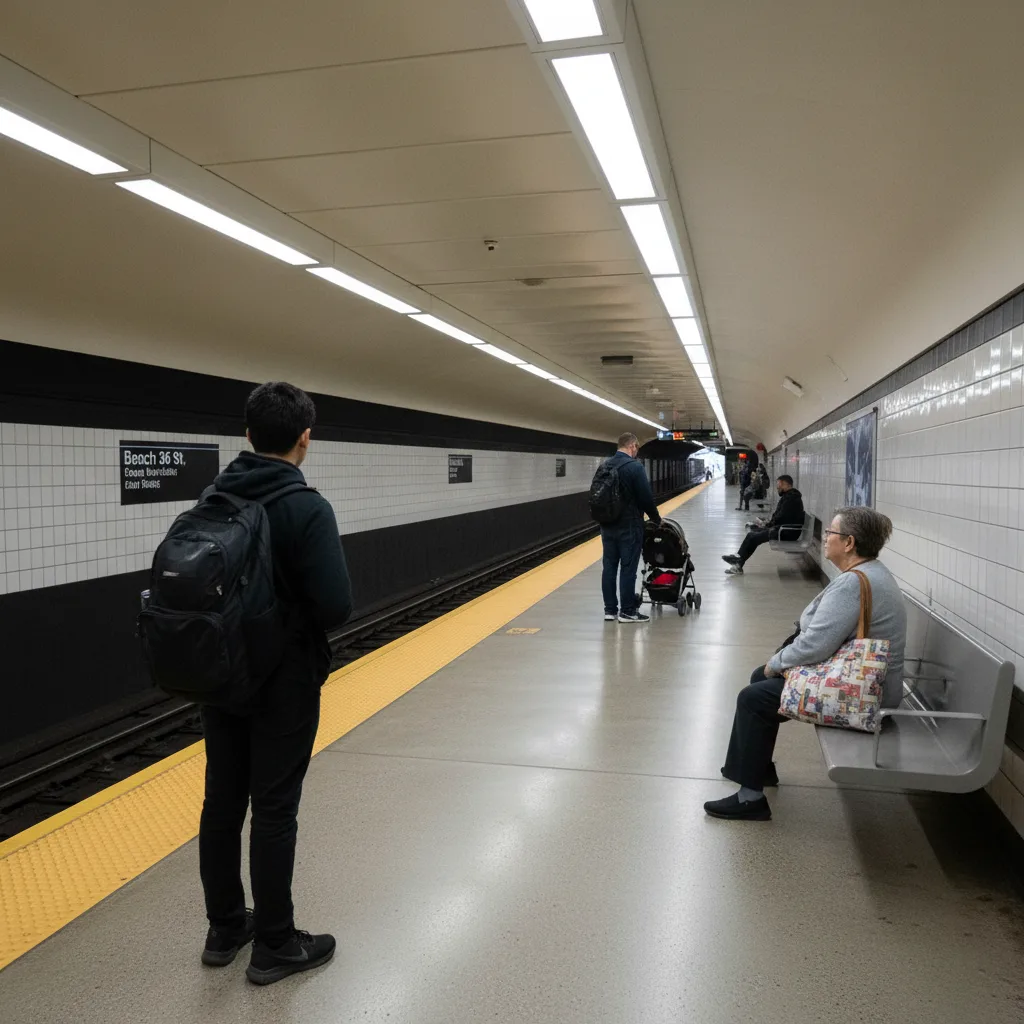
Far Rockaway Commuters See Upgrades at Three A Train Stations
The MTA completed upgrades at Beach 60 St, Beach 36 St, and Beach 25 St A train stations in Far Rockaway, including fresh paint, new floors, and brighter lights in November 2026.