


Queens Community Debates Morality of Trump's Iran Infrastructure Threats
NEW YORK — "It's madness risking World War III over oil!" exclaimed Fatima Al-Zahrani, a resident of nearby Ozone Park, as she debated President Trump's renewed threats against Iran. Her impassioned words resonated within a halal restaurant on Cross Bay Boulevard, where Queens residents, many with Middle Eastern ties, gathered yesterday evening, April 7, 2026. They were discussing Trump's warning to destroy Iran's major bridges and power plants if the Strait of Hormuz is not reopened by deadline.
This aggressive rhetoric, where Trump dismissed war crimes concerns by stating "very little is off limits," has ignited a profound public discourse. The debates along the boulevard span the moral implications of targeting civilian infrastructure, the risks of global conflict, and the complex relationship between U.S. foreign policy and local community anxieties. Drivers stuck in boulevard traffic also blasted talk radio, often praising Trump's resolve.
Halal Spots Become Forums for Geopolitical Debate
Halal restaurants and cafes along Cross Bay Boulevard, usually bustling with conversations about local happenings, have transformed into impromptu forums for geopolitical debate. The strong presence of communities with Middle Eastern heritage from Ozone Park, Richmond Hill, and Astoria, for whom events in the Middle East have personal resonance, drives these discussions. They grapple with the human cost of potential military action.
Families gather after work, discussing the news broadcast by Al Jazeera and other international outlets, trying to make sense of the escalating tensions. "My family is still there, what about them?" asked Ahmed Hassan, a shop owner, his concern palpable. "Destroying civilian infrastructure affects everyone, not just leaders." These discussions highlight the direct link between global events and the diverse fabric of the Queens community.
Local Mosques Host Impromptu Discussions on Civilian Impacts
Local mosques in the Cross Bay Boulevard vicinity, including the Ozone Park Muslim Center, have organized impromptu discussions and prayer vigils. These gatherings provide a space for community members to share their anxieties, seek spiritual guidance, and discuss the humanitarian implications of targeting civilian infrastructure. Religious leaders emphasize the sanctity of human life and the importance of peaceful resolutions.
Imam Khalil Rahman addressed his congregation, stating, "Our faith teaches us compassion, even in conflict. The threats against civilian life and infrastructure are deeply troubling, and we must pray for peace and de-escalation." These calls for peace reflect a deep concern for the potential suffering of innocent civilians in Iran, even among those who support strong national defense. Further details about these discussions and Queens peace vigils are available locally.
Drivers Blast Talk Radio Praising Trump's Resolve Amid Pump Price Fears
Traffic along Cross Bay Boulevard, a perpetual feature of Queens life, provided a unique soundtrack to the geopolitical tensions. Drivers, slowed by the evening commute, often had talk radio stations blaring, with many hosts and callers praising President Trump's resolve. This sentiment, particularly among blue-collar workers, views aggressive posturing as a necessary show of American strength on the global stage.
Yet, even among supporters, a subtle undercurrent of anxiety lingered regarding potential pump price increases. The memory of past oil crises and their impact on daily finances remains fresh for many. "He's doing what needs to be done, but I just hope my gas bill doesn't double," commented Frank Giordano, a construction worker heading home to Howard Beach. The cost of fuel remains a sensitive topic for the predominantly car-dependent communities along Cross Bay Boulevard.
Community Centers Report Heightened Calls for Peace Vigils
Community centers near Cross Bay Boulevard have reported a significant increase in calls and inquiries about organizing peace vigils and interfaith dialogues. These efforts reflect a desire among residents, both those with Middle Eastern ties and others concerned about global stability, to advocate for peaceful solutions. The proposed vigils aim to unite diverse community segments in a shared call for de-escalation.
"We've seen a real push from different groups wanting to come together," noted Sarah Davis, Director of the Howard Beach Community Center. "People are worried about the future, and they want to express that in a constructive way." This blend of immigrant anxieties with blue-collar support for strong defense creates a unique and complex public discourse within this dynamic Queens community, a topic covered by outlets like Democracy Now on [Trump Renews Threats to Blow Up Iran's Civilian Infrastructure](https://www.democracynow.org/2026/4/7/headlines).
Frequently Asked Questions About Iran Threats and Community Response
Q: What are the main points of contention in the Queens community regarding Trump's Iran threats?
A: The main points of contention involve the morality of targeting civilian infrastructure, the potential for a wider global conflict, and the balance between asserting U.S. power and ensuring regional stability. Many with Middle Eastern ties express deep concern for civilian lives.
Q: How are local mosques and community centers responding to these geopolitical developments?
A: Local mosques are hosting impromptu discussions and prayer vigils, focusing on the humanitarian impacts and calls for peace. Community centers are receiving requests to organize peace vigils and interfaith dialogues, reflecting a collective desire for de-escalation and unity.
Q: What concerns do drivers along Cross Bay Boulevard have about the escalating tensions?
A: Drivers, while often divided on the political merits of Trump's stance, express significant anxiety about potential gas price spikes. Many are concerned about the economic impact of any conflict on their daily commutes and household budgets, which are already strained by economic impact of tariffs on Queens businesses.
Written by
Newstrix
Cross Bay Current
Related Articles
More in Public Discourse →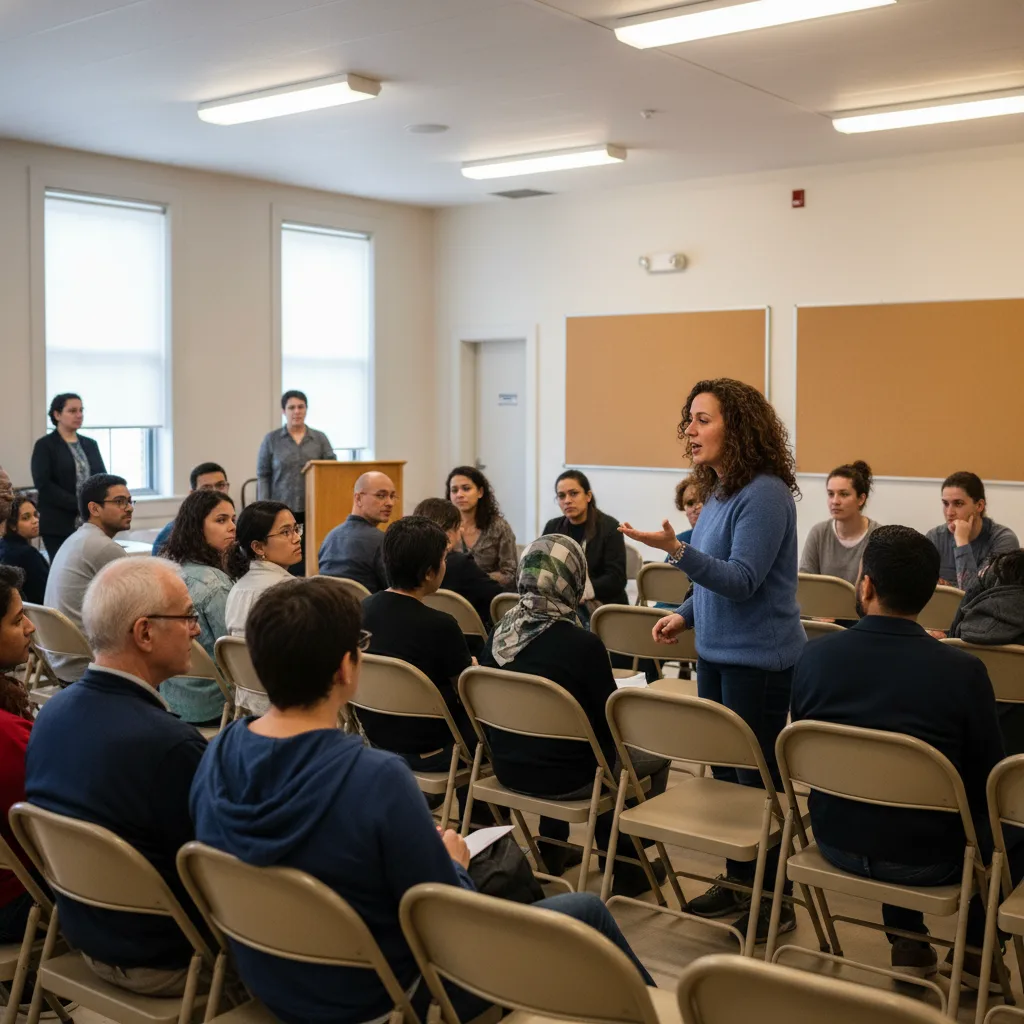
Cross Bay Boulevard Debates Trump's F-35 Sales to Saudi Arabia
Cross Bay Boulevard residents debate President Trump's F-35 jet sales to Saudi Arabia, weighing war, gas prices, and regional stability.
Cross Bay Boulevard Residents Incensed by New Epstein Lawsuit
Cross Bay Boulevard residents express anger and exhaustion following a new lawsuit against Jeffrey Epstein's estate over child pornography.
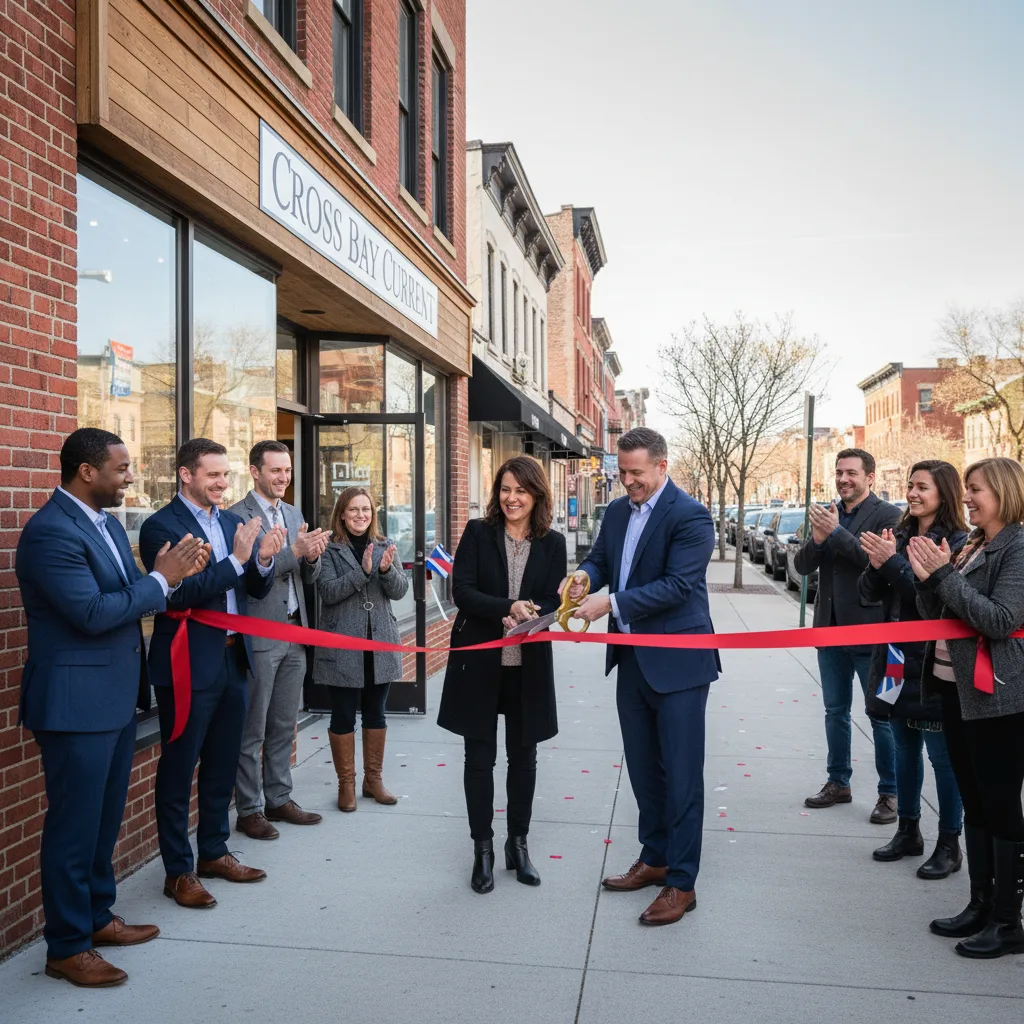
Cross Bay Boulevard Welcomes New Business with Grand Opening
A new business officially opened at 156-36 Cross Bay Boulevard with a ribbon-cutting ceremony on Friday, September 18, 2026, signaling local growth.
Cross Bay Boulevard Residents React to Ukraine War Strikes in Kyiv
Cross Bay Boulevard residents express deep concern and sympathy following Russian strikes in Kyiv and Odesa that injured 13 people.
Queens' Vetro Restaurant to Host Evening Performance September 18
Vetro Restaurant & Lounge on Cross Bay Boulevard will host an evening performance on September 18, 2026, boosting local arts and economy.
Iran's Foreign Minister Travels to China Amid West Asia Tensions
Iran's foreign minister travels to China amid West Asia tensions. Cross Bay Boulevard residents worry about oil prices, shipping, and local family budgets.