


Queens DDC Investigates Cross Bay Boulevard Traffic Patterns Post-Repaving
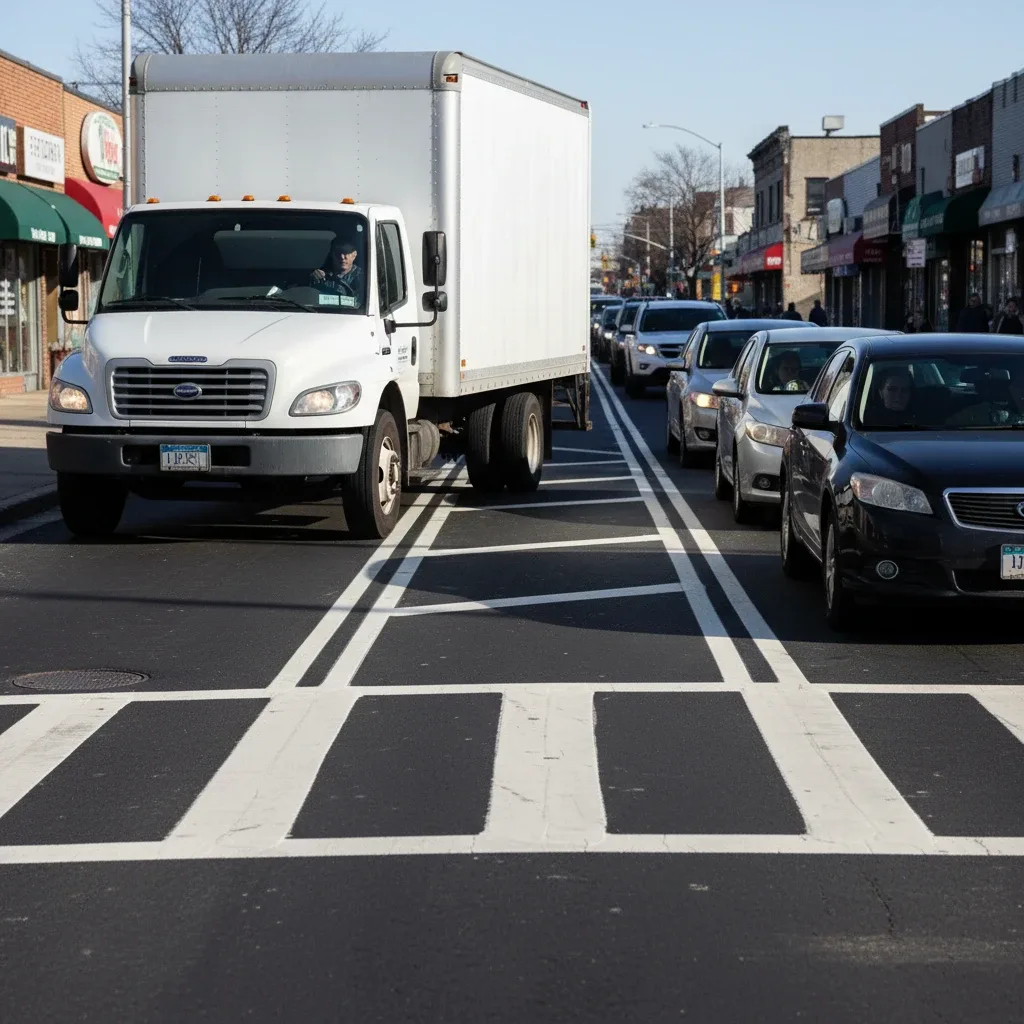
NEW YORK — Queens Borough President Donovan Richards demanded an immediate independent engineering audit on Tuesday after a long-awaited repaving project disrupted safety lanes, according to CBS News. The newly painted road markings have severely altered regional transit paths throughout the Broad Channel neighborhood.
Borough President Orders Engineering Safety Audit
The Department of Design and Construction recently completed a multi-million dollar asphalt resurfacing project along the boulevard. However, the modified lane configurations have drawn heavy criticism from local business owners and motorists.
According to the Broad Channel Civic Association, the updated asphalt layout narrows active driving lanes near key commercial hubs. Business operators argue that delivery trucks can no longer park safely without completely blocking the flow of traffic.
Altered Markings Impact Cross Bay Boulevard Traffic Patterns
"The current road configuration is creating unnecessary bottlenecks and endangering our local pedestrians," Borough President Richards said during a Tuesday morning press conference. Richards added that municipal agencies must coordinate more effectively with local civic groups before implementing major design changes.
Traffic engineers noted that the new lane markings were intended to accommodate dedicated bicycle pathways along the eastern shoulder. However, the reduction in main travel lanes has resulted in daily congestion during peak afternoon hours.
Broad Channel Residents Protest Flawed Roadway Markings
Angry residents gathered near the corner of 17th Road on Wednesday to protest the new interviews with upset Broad Channel residents who are calling the project an municipal failure. Community members carried signs demanding that the city restore the original four-lane configuration.
Local civic leaders have compiled video evidence of near-miss collisions at several newly designed intersections. These recorded incidents have been submitted to the Department of Transportation's regional planning office.
Many residents refer back to previous Broad Channel roadway construction delays to point out that the city has a history of mismanaging local transit infrastructure. The community remains united in its demand for a complete restoration of the original roadway layout.
Department of Transportation Defends Project Safety Standards
Department of Transportation officials released a statement defending the repaving project, stating that the modifications conform to national safety guidelines. Spokesperson Andrew Albert explained that the narrower lanes naturally reduce vehicle speeds through residential zones.
Albert noted that preliminary radar studies show a seven percent reduction in average vehicle speeds since the repaving was completed. However, local merchants maintain that the safety gains are outweighed by the daily economic losses caused by traffic congestion.
Neighborhood Alliances Outline Next Steps for Road Redesign
Local business owners plan to host a merchant coalition meeting next Thursday to discuss potential legal remedies. The group is exploring options to force a formal environmental impact study of the new road layout.
"We want a collaborative process where our voices are actually reflected in the street design," civic leader Edward Vance told reporters. Vance noted that the current layout makes it difficult for emergency vehicles to navigate the corridor.
Frequently Asked Questions
How does the new repaving project affect parking along the boulevard?
The new road layout has eliminated approximately 35 street parking spaces near the primary commercial district. This reduction has forced customers to park on adjacent residential blocks, leading to increased congestion and parking conflicts in the surrounding neighborhood.
What steps are required to initiate a formal street redesign review?
To initiate a formal review, a community board must submit a resolution to the Department of Transportation requesting a corridor study. If the agency agrees, traffic engineers will collect data on congestion, speeds, and accidents before drafting potential layout modifications.
Written by
Newstrix
Cross Bay Current
Related Articles
More in Transportation & Traffic →
Your Guide to Understanding the Queens Midtown Tunnel in 2026
Navigate the Queens Midtown Tunnel in 2026 with this comprehensive guide covering tolls, traffic tips, public transport alternatives, and safety.
A Train Rerouted, No Service Between Broad Channel and Far Rockaway
A Train service between Broad Channel and Far Rockaway is suspended overnight October 5-9, 2026. Commuters face reroutes, impacting travel.
Cross Bay Boulevard Traffic Delays Near 165th Avenue 2026
Police activity caused significant traffic delays and road closures on Cross Bay Boulevard near 165th Avenue in Queens. Drivers advised to use alternate routes.
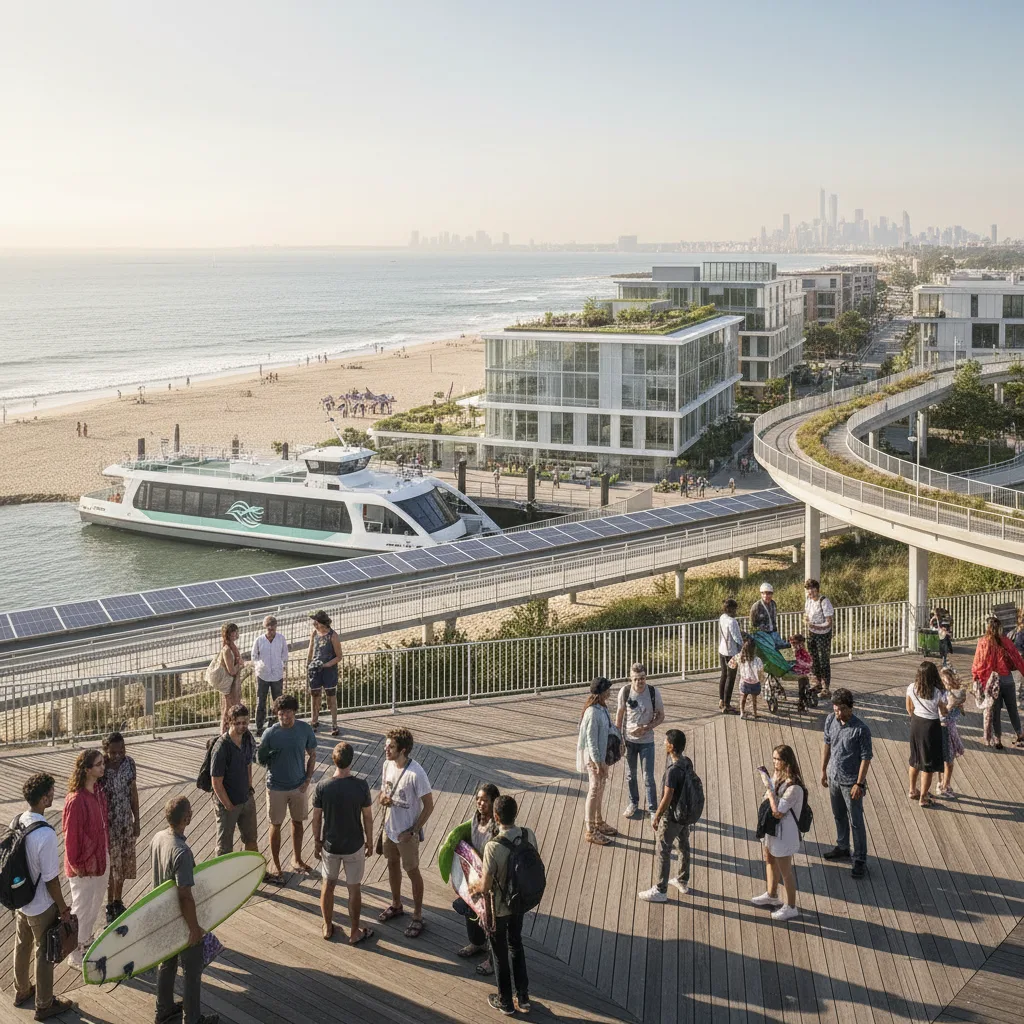
Your Essential Guide to the Rockaway Ocean Club in 2026
Discover what to expect at the Rockaway Ocean Club in 2026, a vibrant beachfront hub in Queens with dining, events, and community activities.
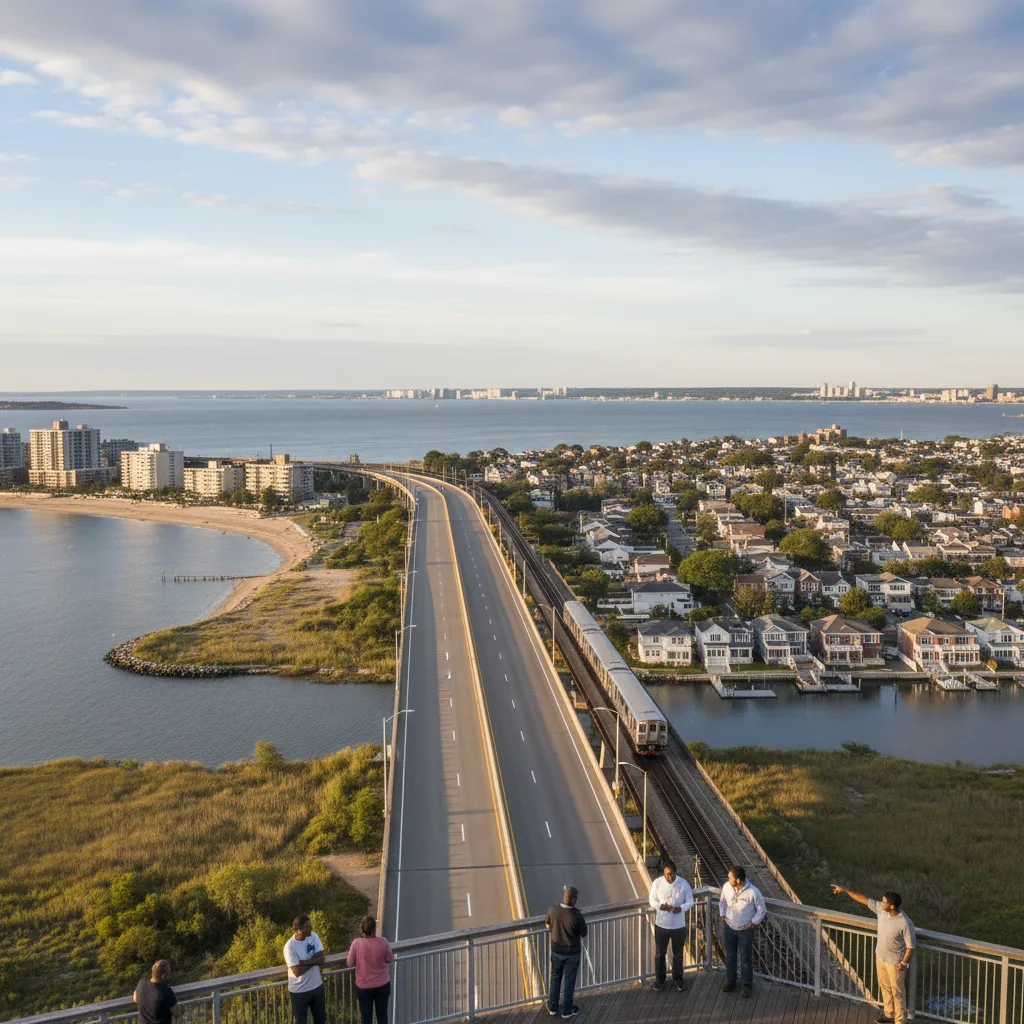
Is Howard Beach in Queens or Brooklyn? A Comprehensive Guide to This Unique NYC Neighborhood
Is Howard Beach in Queens or Brooklyn? Discover the definitive answer: Howard Beach is a vibrant Queens neighborhood with unique coastal charm.
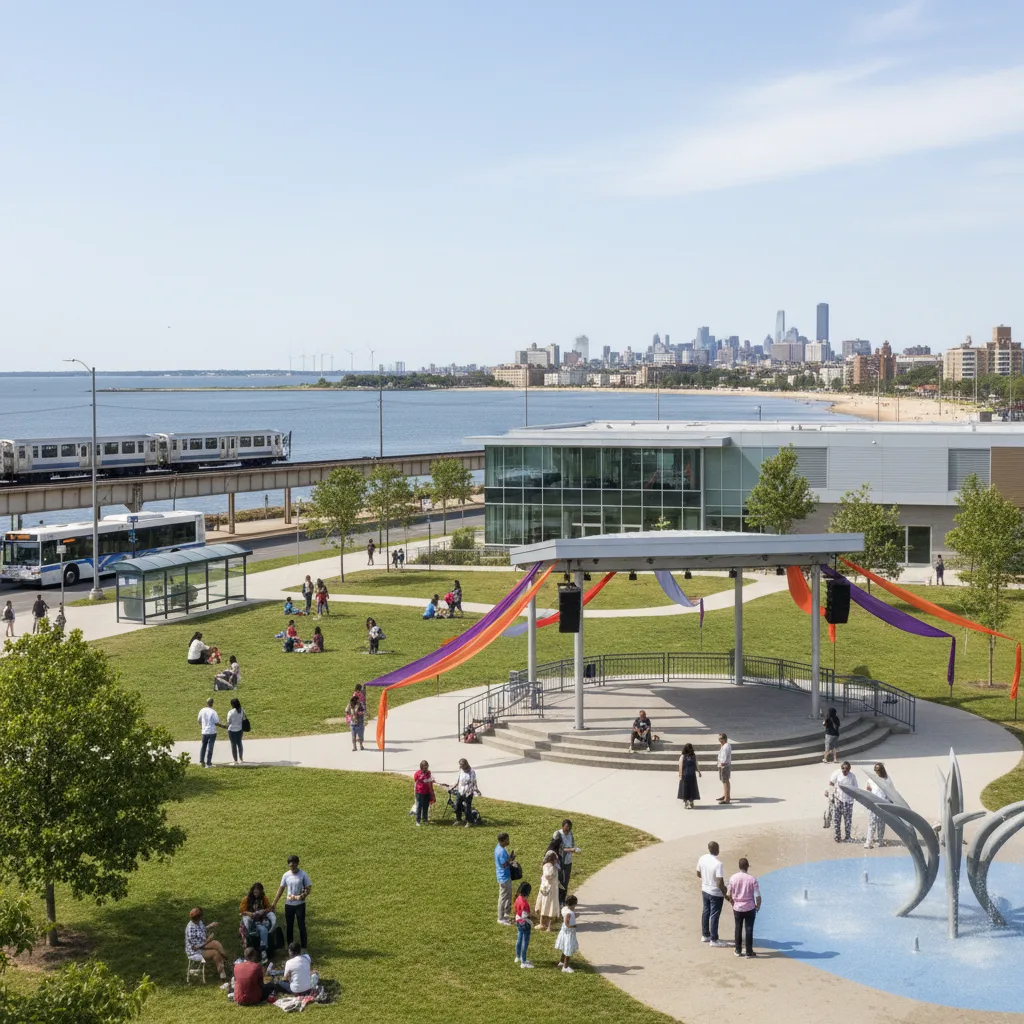
Your Essential Guide to Roy Wilkins Park Events in 2026
Discover the essential guide to Roy Wilkins Park events in 2026, featuring concerts, festivals, sports, and nature programs for South Queens residents.