


Queens DOT Report Signals Safety Progress, Cross Bay Initiatives Due
Enjoying the coverage?
A and S train changes, parking rules and road work, rounded up every Friday.
Sent every Friday. By subscribing, you agree to our Terms and Conditions and Privacy Policy.
QUEENS — A recent report from the New York City Department of Transportation (NYC DOT) highlights significant progress in pedestrian safety on Northern Boulevard, detailing a remarkable 45 percent decrease in injuries. This positive outcome is now prompting local leaders and traffic safety advocates to examine how similar strategies could be applied to other high-traffic corridors in Queens, including the vital Cross Bay Boulevard.
The findings offer valuable insights for ongoing traffic management and urban planning efforts across the borough, particularly for areas experiencing high pedestrian and vehicular volumes. The success on Northern Boulevard demonstrates that targeted interventions can yield substantial improvements in urban traffic safety metrics, benefiting both residents and commuters alike, and setting a precedent for future projects.
Northern Boulevard's Safety Transformation
The NYC DOT report attributes the dramatic reduction in pedestrian injuries on Northern Boulevard to a combination of strategic street design modifications and enhanced enforcement measures. These included the installation of new protected bike lanes, expanded pedestrian islands, and updated signal timing to provide safer crossing opportunities for pedestrians, specifically adding leading pedestrian intervals.
The Cross Bay Current Friday Briefing
A and S train changes, parking rules and road work, rounded up every Friday.
Sent every Friday. By subscribing, you agree to our Terms and Conditions and Privacy Policy.
Further analysis indicates that public awareness campaigns, alongside increased police presence at high-risk intersections, also contributed significantly to the improved safety record. These multi-pronged efforts served as a model for how a comprehensive approach can transform previously dangerous urban thoroughfares into safer public spaces, prioritizing vulnerable road users over vehicle throughput.
Cross Bay Boulevard's Unique Traffic Challenges
Cross Bay Boulevard, stretching through diverse neighborhoods like Howard Beach and Broad Channel, presents its own set of unique traffic and pedestrian safety challenges. The boulevard serves as a critical gateway to the Rockaways and experiences heavy vehicular traffic, particularly during peak seasons and weekends, attracting beachgoers and commuters alike.
Local residents have long voiced concerns about speeding, inadequate crossing signals, and limited safe pedestrian infrastructure, especially near commercial strips and access points to local parks. The high volume of both local and through traffic creates complex interactions between vehicles, cyclists, and pedestrians, demanding thoughtful and integrated solutions from city planners.
Vision Zero and Local Community Advocacy
The positive results seen on Northern Boulevard align with the broader goals of Vision Zero, New York City’s initiative to eliminate traffic fatalities and serious injuries. Advocates in the Cross Bay community are actively drawing parallels, urging the DOT to prioritize similar safety enhancements along their corridor through targeted infrastructure investments.
Community boards and local organizations have been instrumental in gathering data and presenting proposals to the NYC DOT, emphasizing the need for safer crossings, better lighting, and traffic calming measures. Their sustained advocacy underscores the pressing demand for tangible improvements to protect vulnerable road users on Cross Bay Boulevard, reflecting widespread public concern.
Anticipated Initiatives for Cross Bay Safety
Building on the success of projects like Northern Boulevard, the NYC DOT is expected to continue its evaluation of traffic conditions on Cross Bay Boulevard throughout 2026. Potential future initiatives could include implementing new signal infrastructure, creating dedicated pedestrian refuge islands, and optimizing turn lane configurations to reduce conflict points, particularly at busy intersections.
Discussions are also underway regarding the possibility of introducing more protected bike lanes and enhanced crosswalk markings, aiming to create a more harmonious environment for all modes of transportation. These proposed improvements reflect a proactive approach to prevent future incidents and enhance the quality of life for residents, as highlighted in a recent local report on Cross Bay safety initiatives and proposals.
Collaborative Approaches to Urban Planning
Effective urban planning and traffic safety require ongoing collaboration between city agencies, community stakeholders, and local residents to ensure successful outcomes. Public input sessions and workshops are vital forums for gathering localized knowledge and ensuring that proposed solutions are tailored to specific neighborhood needs along Cross Bay Boulevard, reflecting diverse community perspectives.
The lessons learned from Northern Boulevard emphasize that a combination of engineering, education, and enforcement is key to achieving lasting safety improvements. This integrated approach, focused on data-driven decisions and community engagement, is crucial for making Cross Bay Boulevard a safer and more accessible route for everyone in 2026 and beyond, supporting a healthier urban environment.
Frequently Asked Questions About Cross Bay Boulevard Safety
Many residents and commuters frequently ask about the ongoing efforts to improve safety along Cross Bay Boulevard. The NYC DOT continuously evaluates major corridors, considering factors such as traffic volume, accident data, and pedestrian activity, often using successful interventions from other areas like Northern Boulevard as models for potential application. While no specific timeline for major overhauls on Cross Bay Boulevard has been announced, community advocacy plays a significant role in pushing these initiatives forward and influencing planning decisions. Residents can report specific safety concerns, such as malfunctioning traffic signals or dangerous intersections, directly to 311 or through their local community board, ensuring their concerns are documented and addressed. Stay informed about public meetings and proposals by checking the NYC DOT website and local news sources, including Crossbay News for detailed community updates, as these channels provide opportunities for public comment and engagement, ensuring community voices are heard in the planning process for safer streets.
The Cross Bay Current Friday Briefing
A and S train changes, parking rules and road work, rounded up every Friday.
Sent every Friday. By subscribing, you agree to our Terms and Conditions and Privacy Policy.
Related Articles
More in Transportation & Traffic →
MTA Announces Rockaway Park Shuttle Service Changes for Weekend
The MTA announced significant service changes for the Rockaway Park Shuttle from November 20 to November 23, 2026, suspending weekend operations.
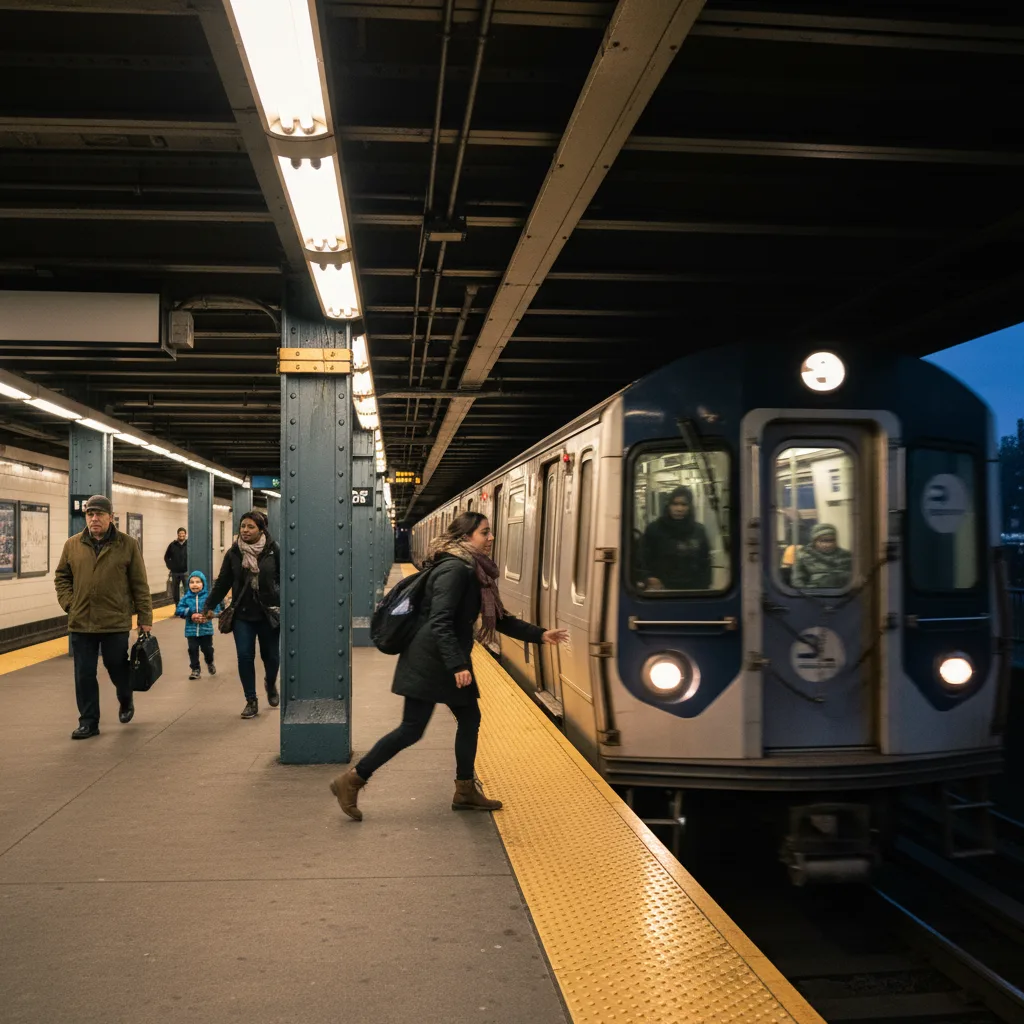
MTA Returns A Train Service to Lefferts Boulevard After 9-Day Closure
The MTA restored full A train service to Ozone Park-Lefferts Boulevard at 5 a.m. on Monday, November 16, 2026, after a nine-day suspension.
New Overnight Detour and Lane Closures Impact Queens Drivers
Queens drivers will experience an overnight eastbound detour off the Roosevelt Avenue Bridge over the Van Wyck starting Wednesday, and Cross Island Parkway lane closures at the Hillside Avenue Bridge beginning Monday.
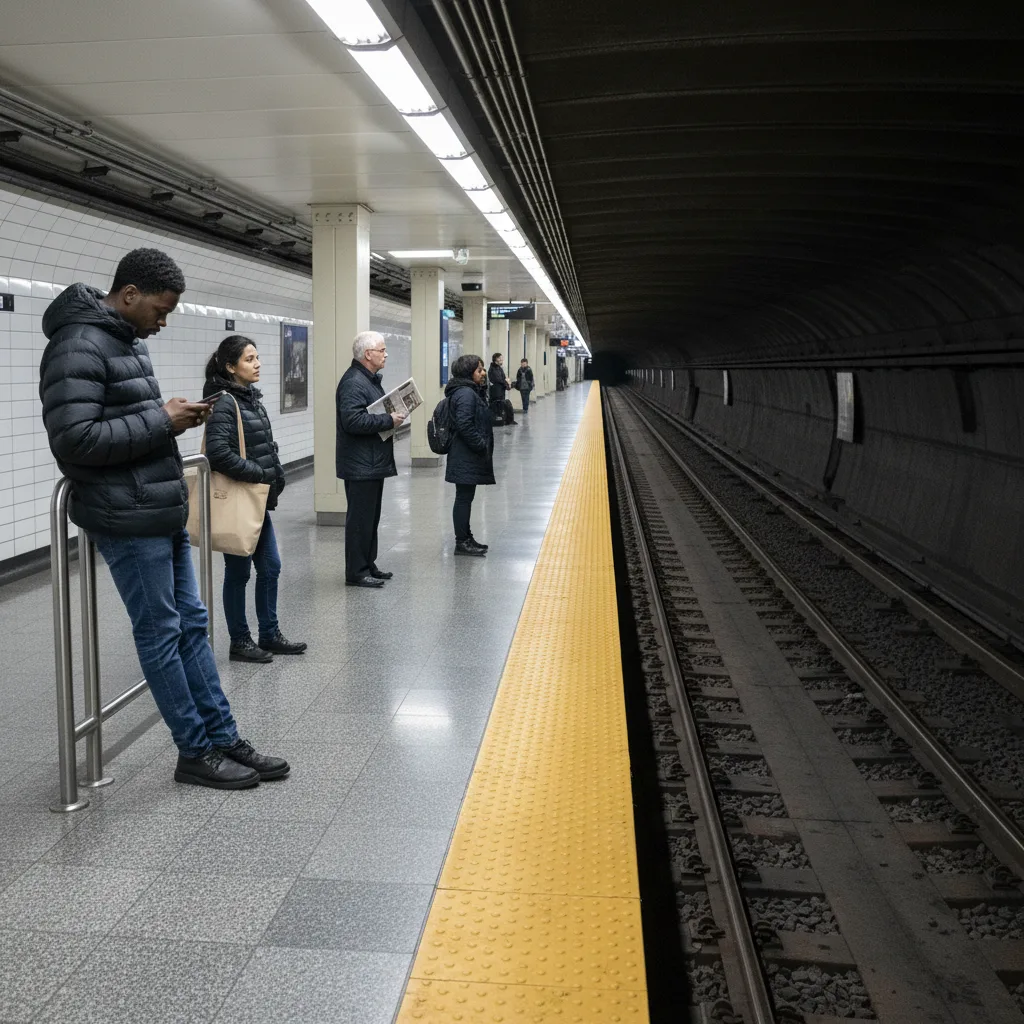
Rockaway MTA Completes Station Upgrades at Beach 60, 36, and 25 Streets
The MTA completed upgrades at three Rockaway A train stations, including new floors and brighter lights at Beach 60 St, Beach 36 St, and Beach 25 St.
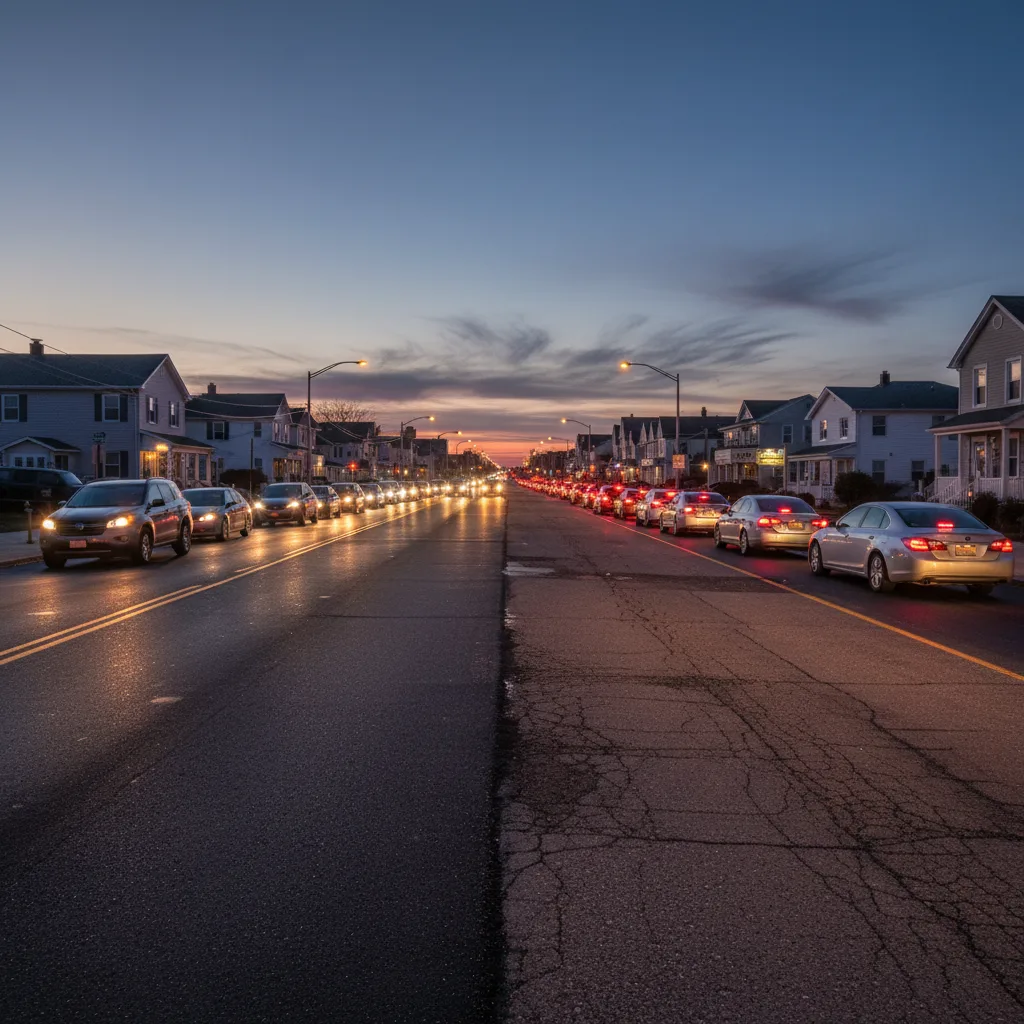
NYC DOT Redoes Cross Bay Boulevard Repaving After Broad Channel Delays
The NYC Department of Transportation is redoing repaving work on Cross Bay Boulevard due to prior shoddy efforts, causing renewed traffic delays for Broad Channel residents as of November 11, 2026.
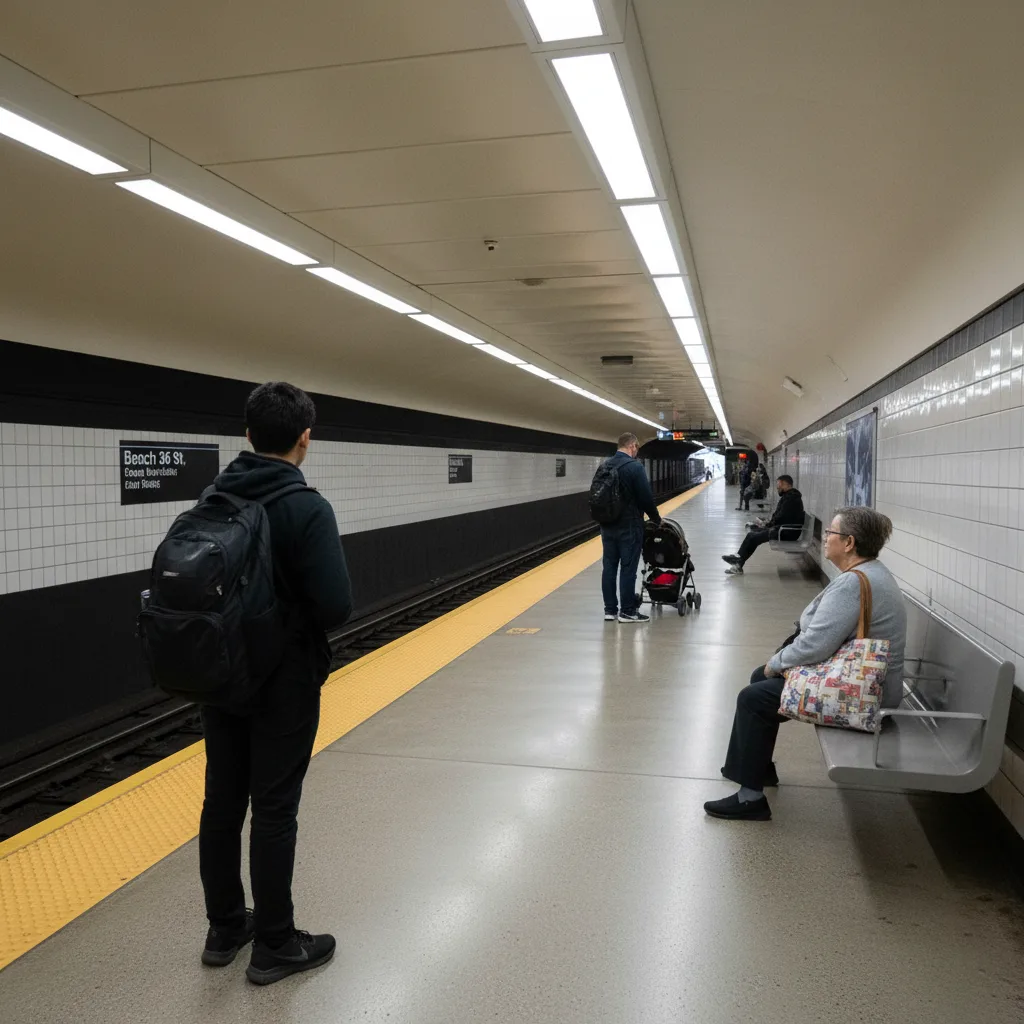
Far Rockaway Commuters See Upgrades at Three A Train Stations
The MTA completed upgrades at Beach 60 St, Beach 36 St, and Beach 25 St A train stations in Far Rockaway, including fresh paint, new floors, and brighter lights in November 2026.