


Queens Eagle Features Horseshoe Crab Story, Dinosaur Extinction

NEW YORK — A unique and compelling narrative exploring the resilience of a horseshoe crab through the cataclysmic dinosaur extinction event has captivated readers across Queens, drawing particular attention along Cross Bay Boulevard for its profound educational value. The story, recently featured by the Queens Daily Eagle, blends scientific fact with imaginative storytelling, aiming to educate local children and adults alike about ancient history and the perseverance of life. This captivating piece offers a fresh perspective on natural history.
The Queens Daily Eagle, known for its in-depth coverage of borough-wide news and cultural events, highlighted the story in its weekend edition, noting its local relevance despite its prehistoric setting. The article underscored how the story uses the familiar figure of the horseshoe crab, a species commonly found in the waters surrounding Queens, to connect readers to a truly monumental moment in Earth’s history. This ingenious narrative choice makes complex scientific concepts accessible.
Unearthing Prehistoric Survival
The central premise of the story revolves around a horseshoe crab that awakens in the aftermath of the asteroid impact responsible for the dinosaurs’ demise. It then navigates a vastly changed world, showcasing its incredible adaptability and survival instincts. The narrative emphasizes the horseshoe crab’s status as a ‘living fossil,’ a species that has remained virtually unchanged for hundreds of millions of years, predating even the dinosaurs.
Dr. Elaine Thompson, a paleontologist and science educator at the American Museum of Natural History, praised the story’s accuracy and engaging style. “Using a species like the horseshoe crab, which is indigenous to our local waters, to tell a story of global extinction is brilliant,” Dr. Thompson told the Queens Daily Eagle. “It makes prehistoric events tangible and relatable for modern audiences, particularly children in Queens who might encounter these creatures in Jamaica Bay.” The story vividly illustrates the vastness of geological time.
Local Connection to Marine Life
The choice of the horseshoe crab as the protagonist resonates deeply with Queens residents, especially those living near the aquatic environments of Jamaica Bay, accessible just off Cross Bay Boulevard. These ancient arthropods are a common sight during mating season, particularly on the shores of the Gateway National Recreation Area events where conservation efforts protect their fragile populations. Their presence serves as a constant reminder of the rich biodiversity of the region.
Local elementary schools along Cross Bay Boulevard have reportedly expressed interest in incorporating the story into their science curricula. Educators see it as an excellent tool for teaching about evolution, extinction, and the interconnectedness of ecosystems. The blend of historical accuracy with an engaging plot makes it an ideal resource for stimulating young minds. This innovative educational approach offers a bridge between local wildlife and global natural history.
The Role of Local Journalism in Science Education
The Queens Daily Eagle’s decision to spotlight this unique story reflects the growing role of local journalism in promoting science education and environmental awareness. By featuring narratives that blend local ecology with broader scientific themes, publications can foster a deeper appreciation for the natural world among their readership. It also highlights the intellectual curiosity thriving within the borough.
This particular story encourages readers to consider the long-term impact of environmental changes and the remarkable resilience of life on Earth. It serves as a subtle yet powerful reminder of humanity’s place within the vast sweep of geological time and the importance of preserving the natural heritage we have today. The story, by extension, promotes thoughtful stewardship of our planet’s resources.
Frequently Asked Questions About the Horseshoe Crab Story
Residents often inquire about the horseshoe crab story featured in the Queens Daily Eagle. The story follows a horseshoe crab's survival during the asteroid impact that led to dinosaur extinction, highlighting its ancient lineage and resilience. The story is intended to be educational and engaging for both children and adults, using a locally relevant species to explain complex scientific concepts. Horseshoe crabs are significant to Queens as they are found in local waters like Jamaica Bay. The Queens Daily Eagle promoted this piece to raise awareness about natural history and local marine life conservation efforts. Educators are considering its use in local school curricula.
Written by
Newstrix
Cross Bay Current
Related Articles
More in Arts & Culture →
Queens' Vetro Restaurant to Host Evening Performance September 18
Vetro Restaurant & Lounge on Cross Bay Boulevard will host an evening performance on September 18, 2026, boosting local arts and economy.
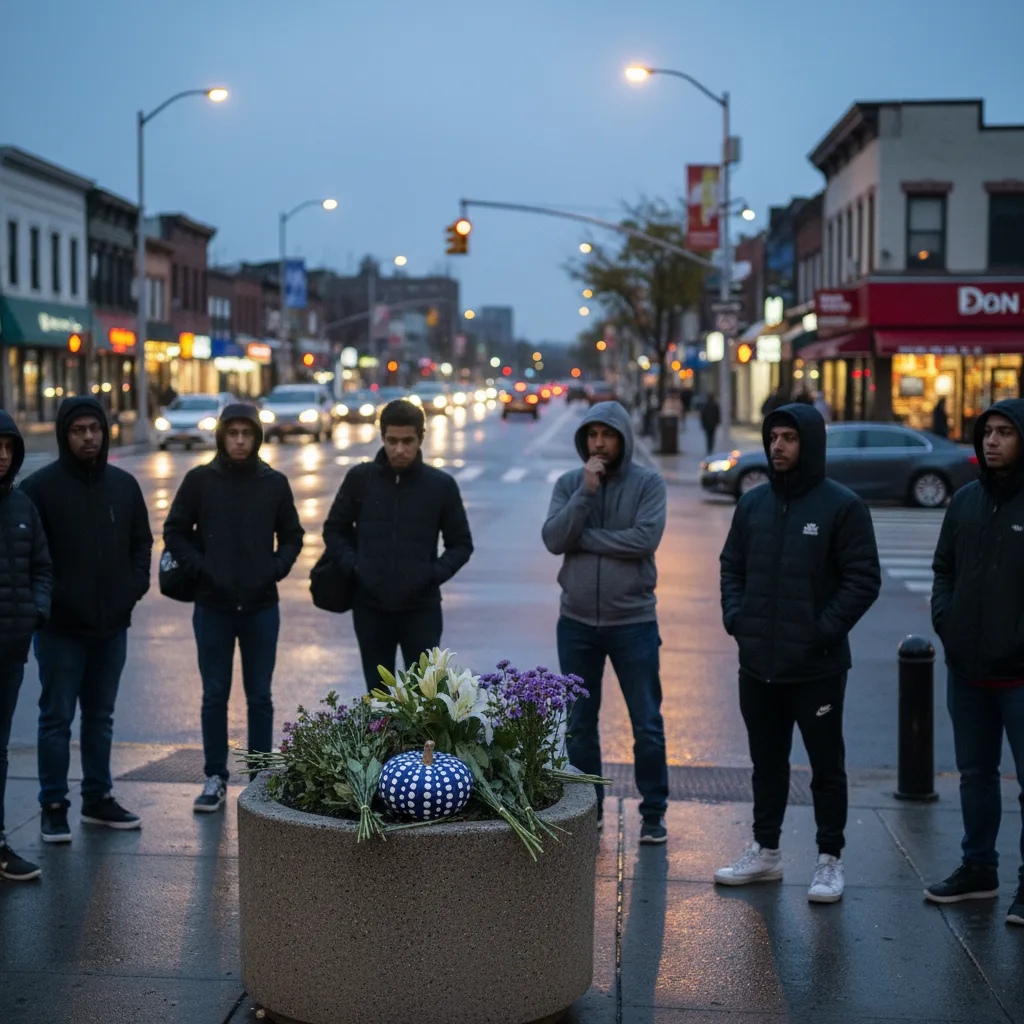
Cross Bay Boulevard Remembers Influential Pop Artist Yayoi Kusama After Death at 97
Cross Bay Boulevard residents mourn the passing of pop artist Yayoi Kusama at 97, reflecting on her accessible work and its impact on Queens' cultural scene.
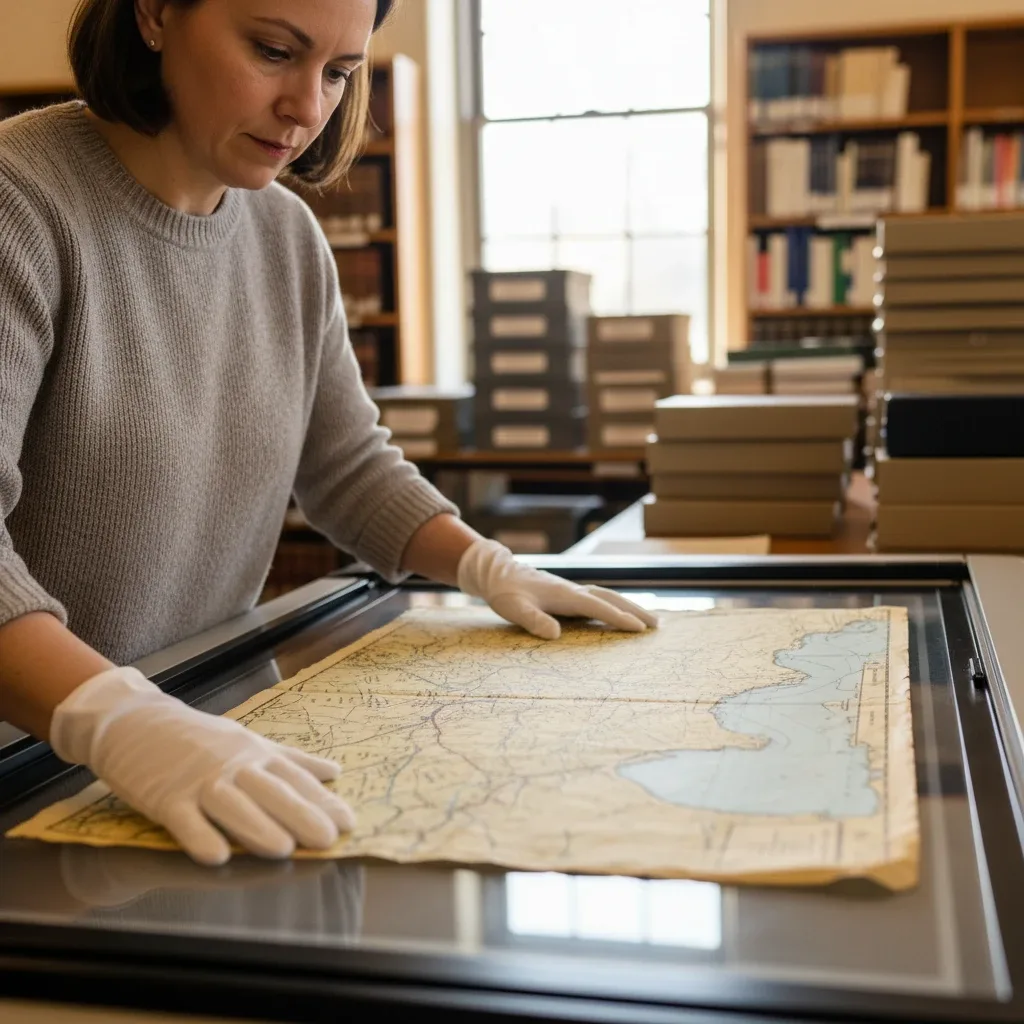
Local News Sites Queens Launch Regional Digital Preservation Archive
A coalition of local news sites in Queens debuts a digital database of historical community archives to preserve the heritage of the Rockaways.
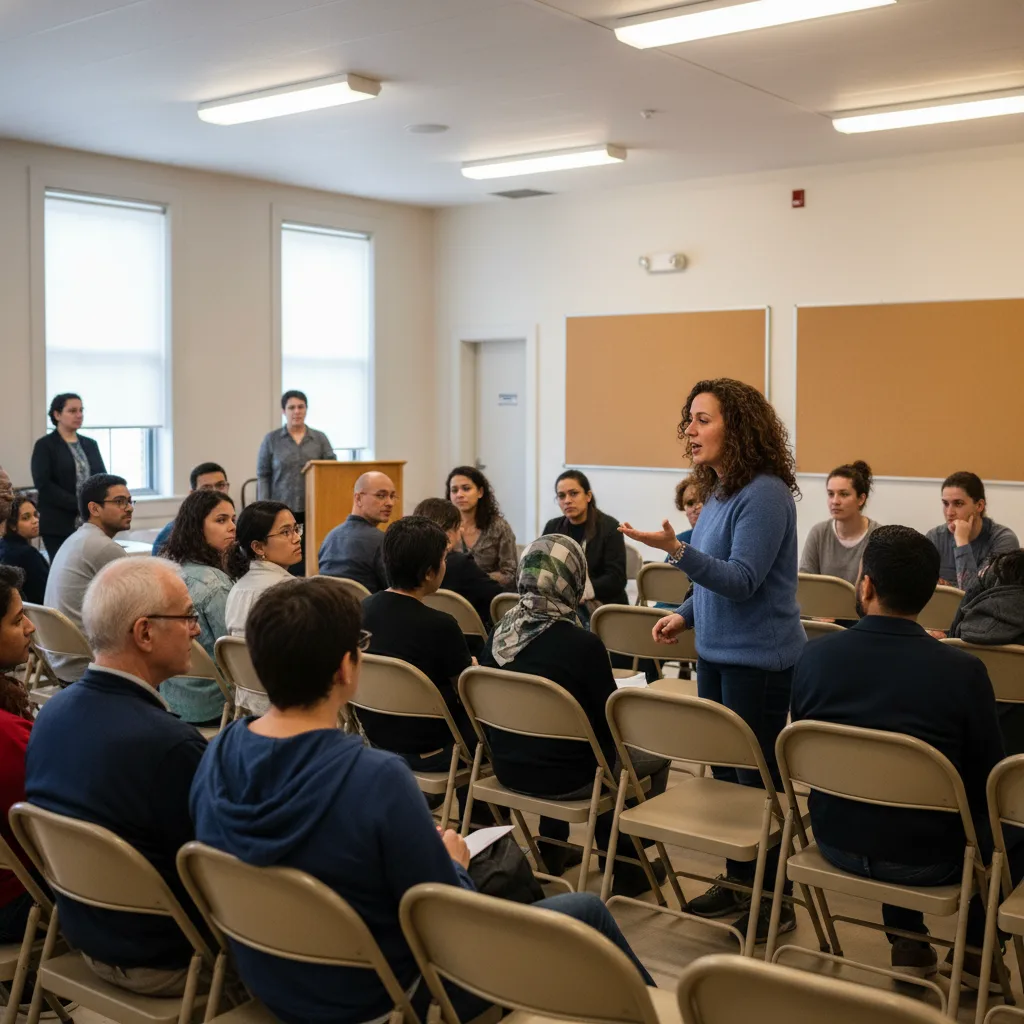
Cross Bay Boulevard Debates Trump's F-35 Sales to Saudi Arabia
Cross Bay Boulevard residents debate President Trump's F-35 jet sales to Saudi Arabia, weighing war, gas prices, and regional stability.
Cross Bay Boulevard Residents Incensed by New Epstein Lawsuit
Cross Bay Boulevard residents express anger and exhaustion following a new lawsuit against Jeffrey Epstein's estate over child pornography.

Cross Bay Boulevard Welcomes New Business with Grand Opening
A new business officially opened at 156-36 Cross Bay Boulevard with a ribbon-cutting ceremony on Friday, September 18, 2026, signaling local growth.