Queens Infrastructure Projects Anticipate Roadwork Impacts Amidst Broader Regional Developments

Development & Infrastructure
Newstrix
|February 11, 2026
Written By:
Newstrix
Cross Bay Current
Related News


February 11, 2026
Newstrix
Cross Bay Current
Related News
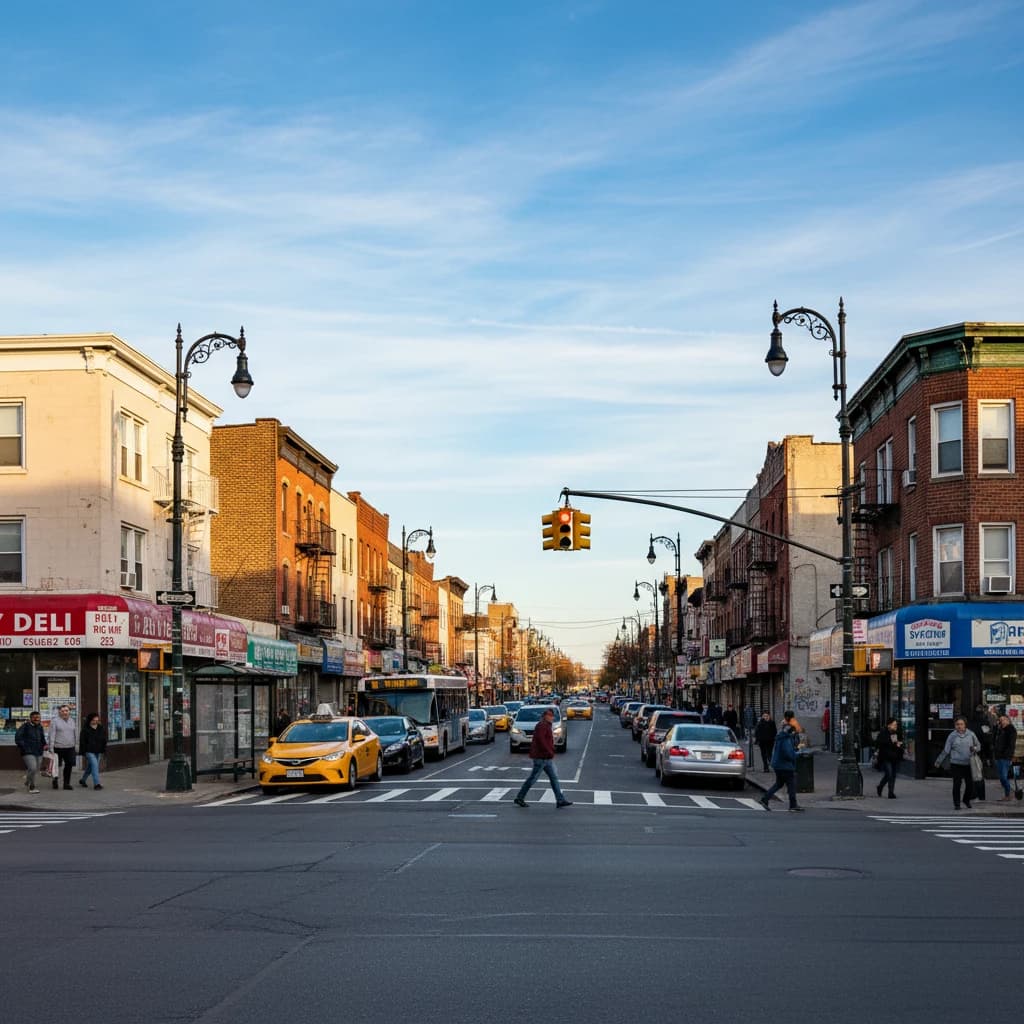
QUEENS, NY – While recent reports highlighted permit work requiring temporary rolling stops on MO-9 in Platte County, Missouri, on February 11, 2026, the discussion around such infrastructure maintenance resonates strongly with ongoing and anticipated roadwork across Queens, New York. Major arteries like Cross Bay Boulevard, essential for connecting the Rockaways to mainland Queens, frequently undergo similar permit-based projects to ensure safety, maintain structural integrity, and facilitate efficient traffic flow. Although the cited incident is geographically distant, it serves as a timely reminder of the constant need for road maintenance and upgrades in any major metropolitan area, including the dynamic landscape of Queens.
Roadwork, whether for utility upgrades, resurfacing, or bridge repairs, is a continuous process vital to the functionality of Queens' extensive transportation network. Drivers and residents in areas such as Cross Bay Boulevard are accustomed to periodic traffic disruptions due to permit-required activities. These projects, often coordinated with various city agencies, are crucial for supporting economic activity, improving public safety, and accommodating the growing population of the borough. The Missouri example, while distinct, illustrates the universal challenges and necessary inconveniences associated with maintaining complex road systems.
For thoroughfares like Cross Bay Boulevard, which carries significant daily traffic volume, the planning and execution of permit work are meticulously managed to minimize disruption. City agencies, including the NYC Department of Transportation (DOT) and local utility companies, often schedule major projects during off-peak hours or in phases to alleviate congestion. Temporary lane closures, detours, and, at times, rolling stops, similar to those reported in Platte County, are common methods employed to ensure worker safety and maintain some level of traffic flow. Public notification through signage, online alerts, and local media is paramount to inform commuters and residents well in advance of impending work.
Local businesses and residents along Cross Bay Boulevard are directly impacted by these activities, making clear communication from city officials essential. Understanding the scope and duration of projects allows individuals and enterprises to adjust their schedules and operations. These planned works, although sometimes inconvenient, are investments in the long-term viability and safety of the local infrastructure, directly benefiting the communities that rely on these vital roadways every day.
Queens continues to experience significant development, leading to increased demands on its infrastructure. Ongoing and future projects aim to modernize roads, bridges, and public transit options throughout the borough. For Cross Bay Boulevard, future permit work could involve improvements to its pedestrian and cycling paths, upgrades to traffic signal systems, or more extensive resurfacing initiatives. These efforts are part of a larger strategy to enhance connectivity, improve quality of life, and prepare Queens for future growth. Learning from the approaches to infrastructure maintenance in other regions, even those as far as Platte County, Missouri, can sometimes offer insights into best practices for managing complex urban road networks. The commitment to maintaining and improving Queens' roads is a continuous undertaking, crucial for the vitality of all its neighborhoods.